


After nine years of cosmic struggle, shifting metas, and a legacy that transformed the landscape of the modern looter-shooter, the Traveler’s long journey is finally reaching its horizon. Bungie has officially confirmed that Destiny 2 will cease its traditional live-service development cycle on June 9, 2026. This announcement serves as the definitive end-point for a title that defined a generation of online gaming, marking the conclusion of a saga that spanned 10 major expansions, dozens of seasons, and a community of millions.
For many, this news is less a shock and more an inevitability. To the broader gaming culture, Destiny 2 had, in recent years, transitioned from a pioneering blockbuster into a grim case study of studio instability, internal mismanagement, and a widening chasm between developer intent and player satisfaction. Yet, beneath the headlines of declining player counts and corporate restructuring, the announcement signals the quiet closing of a digital world that served as a second home for a vast, dedicated player base.
A Chronology of a Titan: From Launch to Legacy
The trajectory of Destiny 2 is a story of extreme peaks and profound valleys. Launching in 2017, the game arrived with the Herculean task of refining the experimental foundation laid by its 2014 predecessor. It promised a more cinematic experience, a more coherent narrative, and a refined "gun-feel" that set an industry standard.

Throughout its lifecycle, the game underwent radical transformations:
- The Forsaken Era (2018): Often cited as the game’s "golden age," this expansion revitalized the franchise, introducing complex narrative stakes and a revamped weapon system that rewarded player investment.
- The Content Vaulting Controversy (2020): In a bid to manage file sizes and engine limitations, Bungie began "vaulting" entire expansions and planets. While necessary for technical stability, it alienated veteran players and erased years of narrative history.
- The Light and Darkness Saga (2020–2024): The game pivoted toward a long-term, seasonal narrative structure, culminating in the critically acclaimed The Final Shape expansion, which provided a cathartic, albeit bittersweet, conclusion to the decade-long struggle against The Witness.
- The Post-Expansion Decline (2024–2026): Following the departure of key creative leads and a series of layoffs, the game struggled to maintain its momentum, leading to experimental—and often unpopular—overhauls that ultimately culminated in today’s announcement.
The Anatomy of the Downfall
To understand why Destiny 2 is reaching its end, one must look at the "treadmill" effect. As the game matured, Bungie’s design philosophy shifted from the expansive, exploratory "space magic" wonder of the early years to a hyper-regimented, high-challenge model.
In February 2023, then-game director Joe Blackburn articulated a desire to "bring challenge back to Destiny." While this was intended to satisfy the hardcore raiding community, it effectively stripped away the game’s identity as a relaxing, "podcast-friendly" shooter for the average player. Casual patrols, once a meditative escape, were suddenly gatekept by Champion mechanics and power-level requirements that felt increasingly like a chore rather than a game.

The result was a fracturing of the player base. The introduction of aggressive microtransaction prompts, baffling item-level economies, and a series of ill-conceived updates—most notably the widely panned "Portal" rework—further eroded trust. When even iconic collaborations, such as the Ghostbusters cosmetic drops, were met with cynicism rather than excitement, it became clear that the studio was no longer speaking the same language as its audience.
Industry Implications and the "Measuring Stick"
Destiny 2 has long served as the industry’s primary "measuring stick" for the viability of the live-service model. Its success proved that a game could be a platform, but its eventual decline provides a sobering warning: live services are not infinite. They require constant, high-velocity content production that is unsustainable even for the most well-funded studios.
The "Bungie model"—a hybrid of premium expansions and recurring seasonal revenue—is now being viewed through a more critical lens. The volatility of the studio, marked by leadership turnover and public transparency crises, has forced other developers to reconsider the "forever game" paradigm. Analysts suggest that the end of Destiny 2 is not a failure of the game itself, but a failure of the unsustainable "treadmill" expectations placed upon the developers.
The Human Cost: A Community’s Perspective
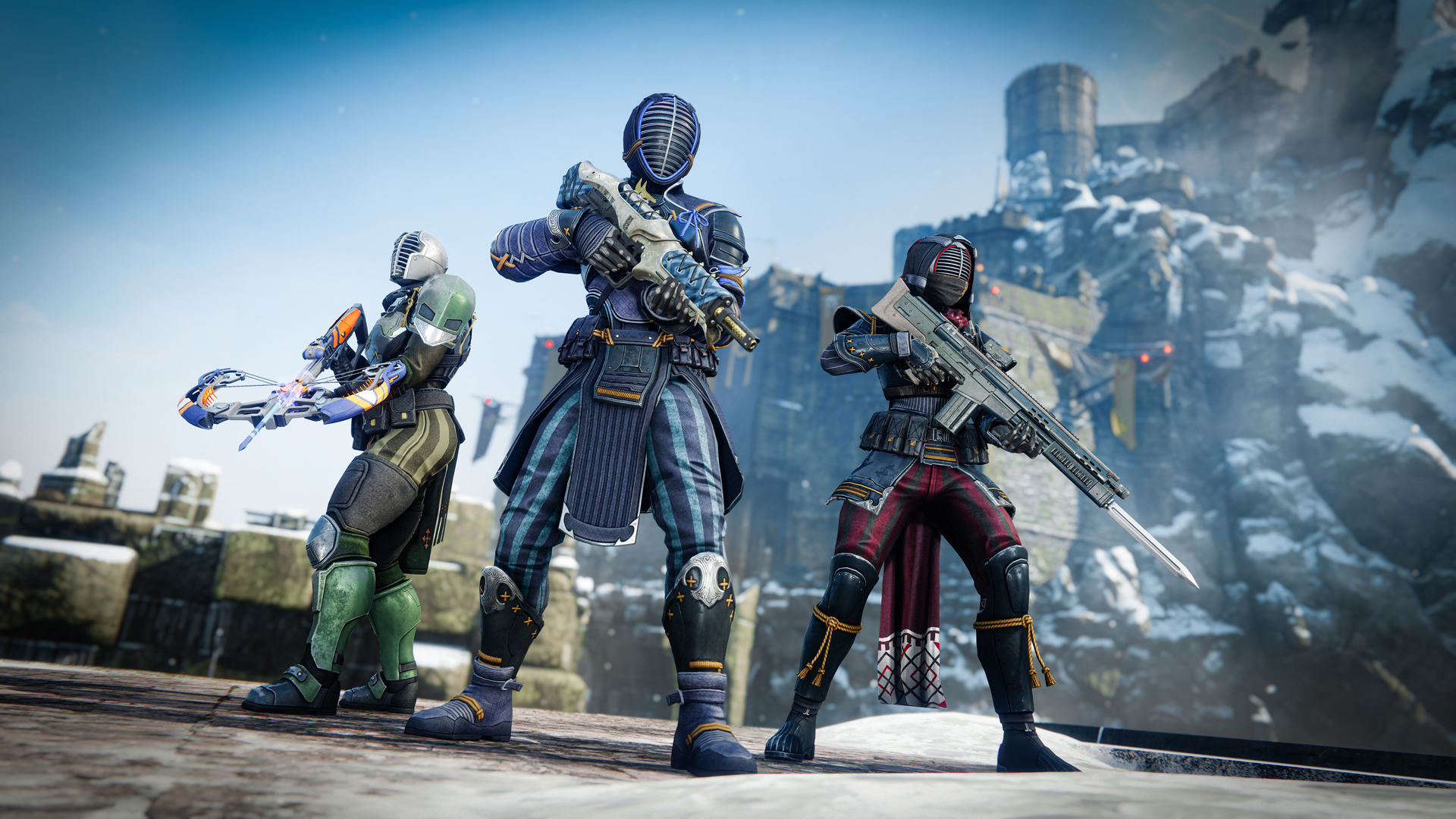
A game is, at its core, more than just the mechanics of its combat. It is the "knightly heraldry" of Titan armor, the poetic mystery of lore tabs, and the shared history of fireteams overcoming impossible odds.
"My Destiny 2 had already been gone," is a sentiment echoed across community forums. For those who spent thousands of hours in the game, the end began long before the official announcement. It began when the familiar, rusted Golden Age logos of the New Pacific Arcology were replaced by the sensory overload of modern, crossover-heavy storefronts.
The heartbreak felt by the community is rooted in the loss of a shared space. When Bungie shuts down the servers in 2026, it won’t just be a piece of software going dark; it will be the erasure of a digital archive. Thousands of hours of player progression, social bonds, and in-game memories will vanish, reinforcing the fragility of digital ownership in the age of service-based entertainment.

What Lies Ahead: The "New Beginning"
Bungie has hinted that this closure is a necessary step toward a "new beginning." While details remain sparse, the studio’s pivot suggests they are moving away from the suffocating demands of a singular, decade-old engine and toward a more focused, perhaps smaller-scale, creative output.
However, for the current Destiny 2 player, the message is clear: the journey is finished. The final months will likely be characterized by a "victory lap" of content, allowing players to revisit old raids, reclaim lost triumphs, and bid farewell to the Last City.
As the sun sets on the Vanguard’s long watch, the legacy of Destiny 2 will remain complex. It will be remembered as both the gold standard for shooter mechanics and a cautionary tale regarding the limitations of the live-service model. For now, the Guardians have one final task: to see the journey through to the end, and to remember that even in the finality of a sunset, there was once a universe worth saving.












No comments yet. Be the first to join the conversation!