Layla Zulfa
The annual Warhammer Skulls festival, the gaming industry’s premier celebration of all things set in the grimdark universes of Games Workshop, concluded its latest broadcast earlier today with a staggering array of reveals. From the high-octane violence of Boltgun 2 to the tactical complexity of upcoming sequels, the event served as a potent reminder of the sheer volume of Warhammer content currently in development.
However, amidst the clamor of high-profile trailers and ambitious announcements, one of the most significant pieces of news—a chance to claim a high-quality strategy title for free—risks being buried by the hype. While fans debate the merits of new platformers and character classes, Warhammer 40,000: Gladius – Relics of War has quietly become available as a free-to-keep title on Steam. For a franchise often criticized for its aggressive monetization of digital assets, this giveaway is a rare and welcome opportunity for gamers to dive into the 41st millennium without opening their wallets.
The Warhammer Skulls 2024 Breakdown: A Chronology of Reveals
The event was packed with content, spanning both the sci-fi grimdark of 40,000 and the high-fantasy stakes of Age of Sigmar. Below is a chronology of the most notable announcements that defined the showcase:
1. The Skaven Come to Life: Warhammer Age of Sigmar: Deathmaster
The broadcast kicked off with a shift in perspective. Deathmaster is a new 2D brawler that puts players in the shoes of a treacherous Skaven assassin. Moving away from the typical grand-strategy or squad-tactics perspective, this title promises visceral, fast-paced action, emphasizing the frantic and murderous nature of the rat-men.
2. A New Chapter in Tactical Warfare: Chaos Gate – Daemonhunters Sequel
Perhaps the most substantial reveal for strategy enthusiasts was the announcement of a sequel to the critically acclaimed Chaos Gate – Daemonhunters. Known for its XCOM-style tactical depth and punishing difficulty, the original game set a high bar. The developers confirmed that the sequel will feature seven distinct enemy factions, significantly expanding the scope of the turn-based carnage.
3. The Omnissiah’s Blessing: The Adeptus Mechanicus Arrives in Darktide
Fatshark’s Warhammer 40,000: Darktide has been a cornerstone of the modern Warhammer gaming experience. The developers finally answered the community’s long-standing prayers by confirming that a "Cog Boy"—a Tech-Priest of the Adeptus Mechanicus—will be joining the playable roster on June 23rd. This addition is expected to shift the game’s meta significantly, introducing new mechanics focused on machine-worship and high-tech weaponry.
4. The Return of the Boltgun
Rounding out the major reveals was a hands-on look at the demo for Boltgun 2. The original Boltgun was a surprise hit, effectively capturing the aesthetic and "feel" of 90s-era boomer shooters. Early impressions suggest the sequel doubles down on the gore and explosive feedback that made the first game a cult classic.
Supporting Data: The Case for Gladius
While the aforementioned games are capturing headlines, the most pragmatic move for any Warhammer fan right now is to claim Warhammer 40,000: Gladius – Relics of War.
What is Gladius?
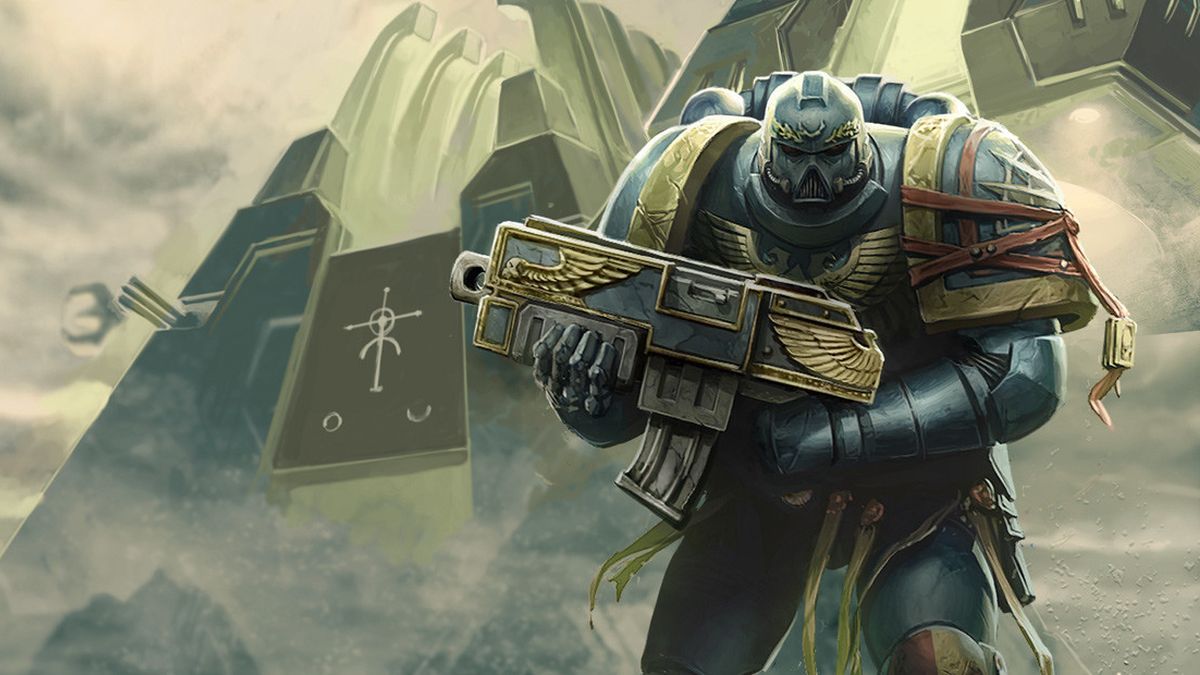
Released in 2018, Gladius occupies a unique niche. It is the only true 4X (eXplore, eXpand, eXploit, eXterminate) strategy game set in the 40,000 universe. Unlike Civilization, which focuses on diplomacy and cultural victory, Gladius is stripped back to its brutal core: war. Players choose a faction—such as the Astra Militarum, Orks, Necrons, or Space Marines—and compete for control over the resource-rich planet of Gladius Prime.
Critical Reception and Evolution
Upon its initial launch, the game received a tepid response from many outlets. PC Gamer’s initial review awarded it a 61/100, citing that it felt "plodding" and "predictable." The core criticism was that while the game nailed the atmosphere, it lacked the strategic complexity required to sustain long-term engagement compared to genre titans like Stellaris.
However, this initial assessment ignores the reality of modern game development: the "Live Service" or "Post-Launch Support" model. Over the last six years, Gladius has undergone a massive transformation. Through a consistent stream of patches, quality-of-life updates, and substantial DLC expansions, the game has evolved into a much more robust experience. The current consensus among the Warhammer community is that Gladius is a "hidden gem" that rewards patience and a love for the lore.
Official Responses and Developer Strategy
The decision to make Gladius free—at least for a limited time on Steam—is a calculated move by Slitherine and Games Workshop. During the Skulls event, developers emphasized the desire to "expand the reach of the franchise." By removing the barrier to entry, they are essentially creating a massive funnel. Players who try the base game for free are significantly more likely to purchase the extensive library of DLC that has been released over the years.
It is a savvy business decision. While Epic Games often gives away games to drive store adoption, this move on Steam is clearly designed to boost the player count for a title that, while older, still has a dedicated following. It allows the game to remain relevant in a market flooded with new releases, ensuring that the servers remain populated for multiplayer matches.
Implications: The State of Warhammer Gaming
The sheer density of the Skulls announcements raises important questions about the current state of the Warhammer license.
The Saturation Point?
There is a growing concern among some fans that the sheer number of Warhammer titles being released could lead to "brand fatigue." When every month brings a new announcement, the quality of individual titles can sometimes get lost in the noise. The success of Boltgun and Darktide shows that there is a hunger for high-quality, genre-specific games that respect the source material. Conversely, the market has seen its fair share of mediocre titles that rely solely on the brand name to sell units.
The Rise of the Niche
The success of Gladius and Chaos Gate proves that Warhammer is at its best when it leans into specific genres. Gladius doesn’t try to be Total War; it tries to be a pure, uncompromising 4X wargame. This specialization is the key to the franchise’s longevity. By allowing developers to focus on specific gameplay loops—whether it’s the horror of Darktide or the tactical depth of Chaos Gate—Games Workshop has successfully transformed Warhammer from a tabletop hobby into a diverse digital ecosystem.
Final Verdict
For the average gamer, the takeaway from this year’s Skulls event should be one of selective excitement. While the upcoming slate of games looks promising, the immediate value lies in the present. If you have any interest in strategy gaming, the opportunity to claim Gladius for free is an unmissable deal. It is a game that may have had a rocky start, but through years of iteration, it has earned its place as a staple of the Warhammer digital library.
Make your move while the offer lasts; in the grim darkness of the far future, free resources are a rare commodity indeed.


 Asro
Asro
 Muslim