

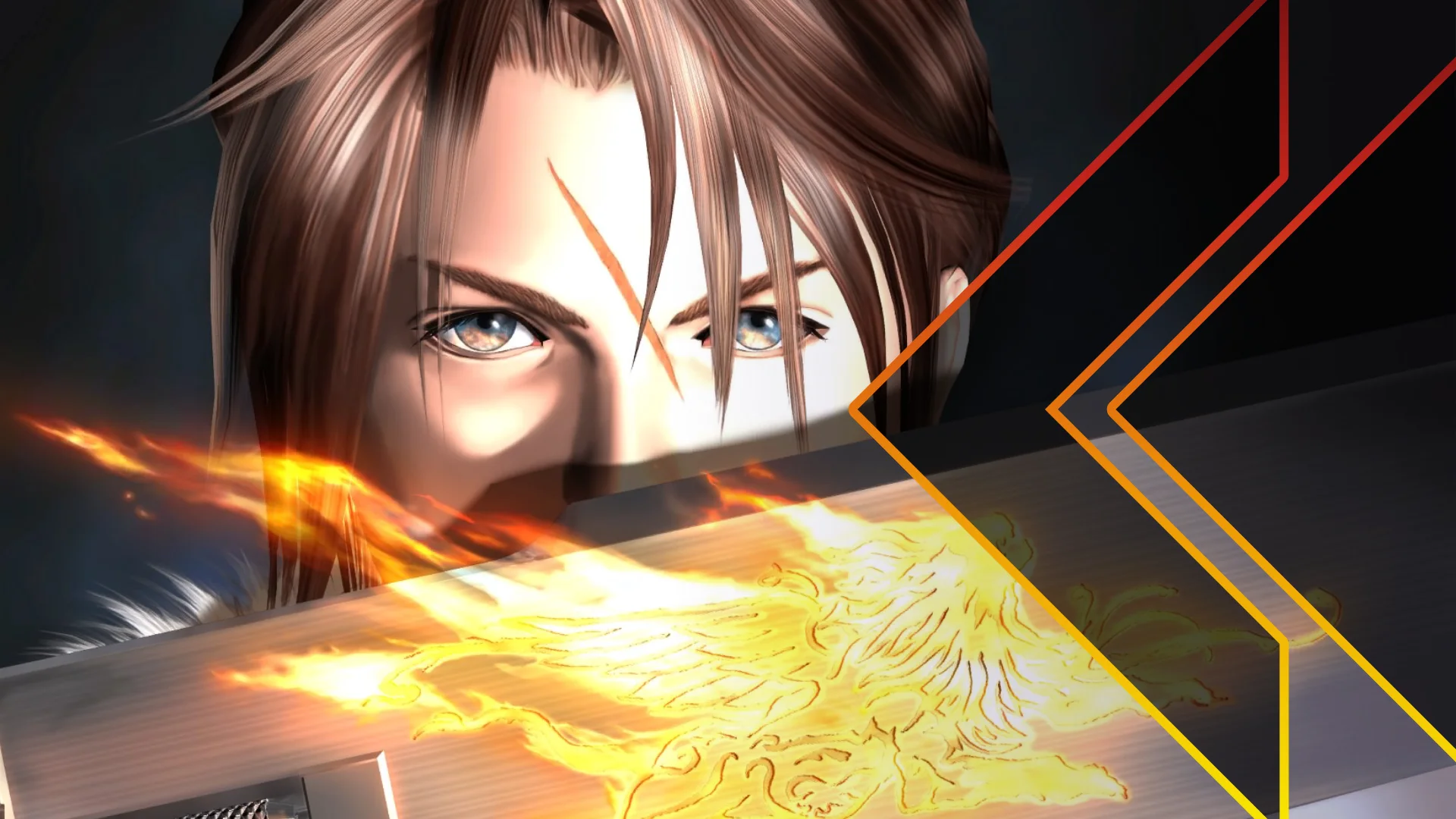
“I dreamt I was a podcast host.”
In the latest installment of RPGFan’s long-running Retro Encounter series—Episode 485—the team leans into this ethereal, almost Squall-like reverie to tackle one of the most divisive entries in the history of the role-playing genre: Final Fantasy VIII.
In the absence of series staple Zach Wilkerson, a quintet of commentators—Aleks Franiczek, Ben Love, Paul Skevington, Steph Sybydlo, and Rob White—convene to dissect the 1999 Square Enix classic. Their discussion cuts through the nostalgia to address the fundamental questions that have haunted Final Fantasy discourse for over two decades: Is the Junction system a stroke of genius or a bureaucratic nightmare? Are the protagonists icons of teenage angst or simply poorly conceived characters?
The Main Facts: A Title Defined by Deviation
When Final Fantasy VIII launched on the original PlayStation, it carried the impossible burden of following the cultural juggernaut that was Final Fantasy VII. Rather than replicating the winning formula of its predecessor, director Yoshinori Kitase and his team opted for a radical departure.
The game eschewed the traditional "leveling up" progression in favor of the "Junction System," which allowed players to draw magic from enemies and equip it to their stats. It traded the gritty, industrial aesthetic of Midgar for the high-fashion, school-based drama of Balamb Garden. The result was a title that felt experimental, cold, and profoundly experimental.
Episode 485 of Retro Encounter serves as a modern audit of these design choices. By pairing four veterans of the series with a "newbie" to the title, the podcast facilitates a clash of perspectives. The conversation highlights the inherent tension between the game’s cinematic aspirations—often regarded as ahead of its time—and its mechanical density, which remains a hurdle for contemporary players.
Chronology of the Discourse
The journey to this specific episode of Retro Encounter is part of a broader, ongoing re-evaluation of the "PlayStation-era" Final Fantasy titles. To understand the significance of this discussion, one must look at the timeline of the game’s reception:
- 1999 (The Launch): Final Fantasy VIII is met with critical acclaim for its FMV-heavy presentation and sweeping romantic narrative, but players are immediately polarized by the Junction system and the perceived lack of character depth in the supporting cast.
- 2000s (The Wilderness Years): As the series moved toward the Final Fantasy X and XI era, VIII was frequently cited as the "black sheep" of the PS1 trilogy, often overshadowed by the legacy of the seventh entry and the world-building of the ninth.
- 2019 (The Remaster Era): The release of the Final Fantasy VIII Remastered edition brought the game to modern platforms, forcing a new generation of players to contend with the Junction system.
- 2026 (The Current Perspective): Retro Encounter Episode 485 represents the current state of gaming literacy. The panel doesn’t just ask, "Is it fun?" but rather, "What does it mean to be a game that refuses to be understood?"
Supporting Data: The Mechanics of Contention
Central to the podcast’s analysis is the "Junction System." In most RPGs, experience points serve as the primary engine for power. In Final Fantasy VIII, experience is secondary to the "drawing" and "stocking" of magic.
The panel delves into the paradox of this system: while it allows for unprecedented character customization—allowing players to effectively "break" the game by becoming overpowered early—it also discourages the actual casting of spells. Since spells are consumed as a resource to buff statistics, the game incentivizes the player to hoard magic rather than use it.
This mechanical friction is a cornerstone of the Retro Encounter analysis. The team explores how this design choice reflects the game’s broader themes: the cold detachment of the SeeD mercenaries, the isolation of the protagonist Squall Leonhart, and the overarching plot involving time compression and fate. They argue that the mechanics are not just "confusing"; they are an intentional manifestation of the game’s narrative tone.
The Cast: Teenage Soldiers or Fashion Icons?
A significant portion of the episode is dedicated to the characters. Unlike the ragtag group of rebels in FFVII, the cast of FFVIII are students of a military academy. Their interactions are framed through the lens of school rivalries, prom night, and the rigid hierarchy of SeeD.
The panel explores the "fashionable" nature of the cast—the iconic designs of Tetsuya Nomura—and whether these aesthetics hinder or enhance the storytelling. There is a nuanced debate regarding Squall’s stoicism. Is he a compelling study of a young man forced to grow up too quickly, or is he merely an abrasive caricature of teenage angst? The inclusion of a "newbie" on the panel is vital here, as it allows the podcast to contrast the "rose-tinted glasses" of long-time fans with the immediate, raw impressions of a player encountering the game for the first time in 2026.
Official Responses and Editorial Context
Retro Encounter has long positioned itself as a sanctuary for deep-dive discussions on the RPG genre. By maintaining a rotating panel, the show ensures that no single opinion becomes the "canonical" stance on a game.
In this episode, the editorial hand of Zach Wilkerson—who, despite his absence from the recording, served as the editor—is felt in the pacing and the thematic organization of the discussion. The podcast maintains a professional, yet conversational tone, mirroring the intellectual rigor of a roundtable academic panel while keeping the accessibility of a fan-driven production.
Furthermore, the integration of music by Miles Morkri frames the discussion within the context of Nobuo Uematsu’s legendary score, acknowledging that Final Fantasy VIII contains some of the most sophisticated orchestral arrangements in the series’ history, such as "Liberi Fatali" and "Eyes on Me."
Implications for the Future of RPG Analysis
What does this episode imply for the future of how we discuss older titles? The success of Retro Encounter 485 suggests that the "classic" status of a game is not fixed. It is subject to change as the industry shifts.
By revisiting Final Fantasy VIII through the lens of modern design standards, the panel exposes that the game was perhaps too revolutionary for its own good. It attempted to synthesize a cinematic, high-budget blockbuster experience with a complex, non-linear progression system at a time when audiences were arguably expecting a more traditional experience.
The implications for the RPG genre are clear: innovation often requires friction. The games that are remembered most fondly—and debated most fiercely—are rarely the ones that played it safe. Final Fantasy VIII remains a case study in bold, albeit flawed, creative vision.
Conclusion: A Garden Worth Visiting
For those who have yet to listen, the episode is more than just a trip down memory lane. It is a critical examination of what happens when a developer trusts their audience to navigate a confusing system and a disaffected protagonist.
The panel’s conclusion—though varied in its individual assessments—reaches a consensus on one point: Final Fantasy VIII is an essential chapter in the history of the genre. Whether you find the Junction system brilliant or nonsensical, the game’s insistence on being its own entity ensures that it will be discussed for decades to come.
As the Retro Encounter team notes, the game is a dream—one that is sometimes disjointed, often beautiful, and always lingering in the back of the player’s mind.
Podcast Credits:
- Panelists: Aleks Franiczek, Ben Love, Paul Skevington, Steph Sybydlo, Rob White
- Editing: Zach Wilkerson
- Audio: Music by Miles Morkri
Listeners are encouraged to reach out with their own thoughts on the Junction system or the Garden’s curriculum by emailing the team at [email protected]. The episode is available now on all major podcast platforms, including Overcast, Pocket Casts, and Spotify.











No comments yet. Be the first to join the conversation!