

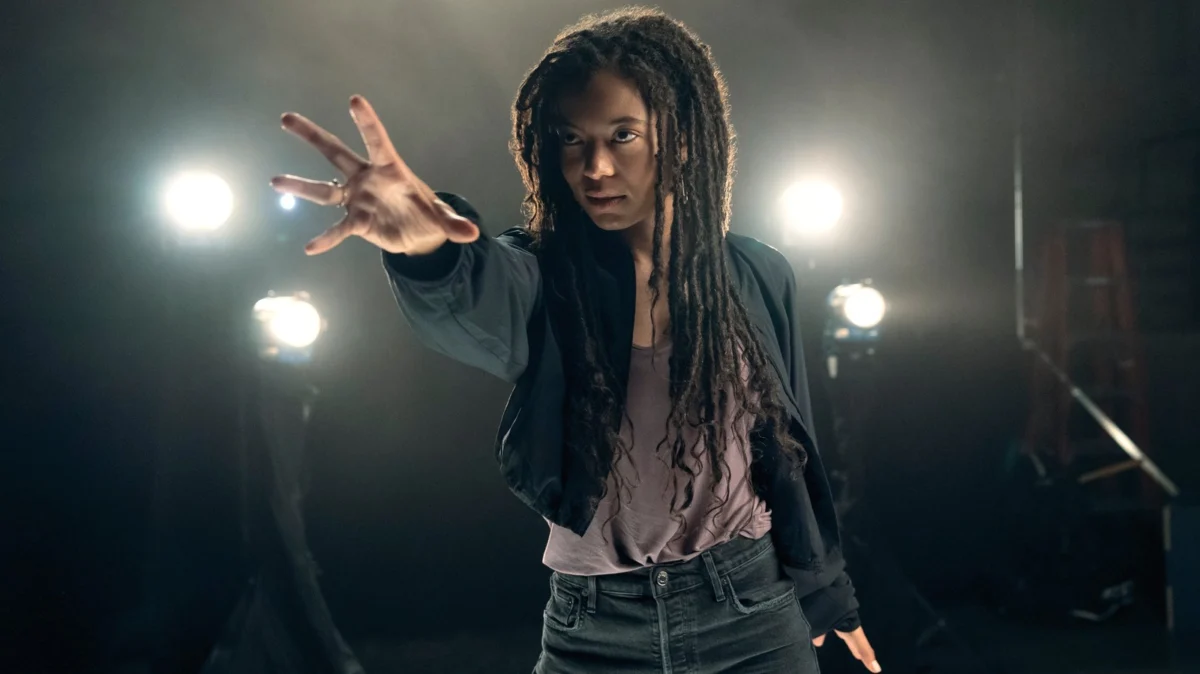
The conclusion of Amazon Prime Video’s flagship superhero satire, The Boys, was always destined to be a polarizing event. Tasked with wrapping up a narrative defined by visceral violence, political cynicism, and the deconstruction of the "Chosen One" trope, the series finale had the monumental responsibility of balancing the fates of its core ensemble with the expansive, interconnected web of the Vought Cinematic Universe (VCU). However, as the dust settled on the final confrontation, a glaring narrative dissonance emerged: the underwhelming, almost dismissive handling of the protagonists from the spin-off series, Gen V.
For fans who invested two seasons into the lives of Marie Moreau, Jordan Li, and Emma Meyer, the finale was not merely a conclusion to the main show; it was a missed opportunity to integrate the future of the franchise. By relegating these characters to the sidelines, The Boys finale left a bitter aftertaste, highlighting a disconnect between the ambitions of the writers and the reality of the show’s production landscape.
The Context: A Convergence That Never Was
To understand the frustration surrounding the finale, one must look at the structural intent of the crossover. Throughout the second season of Gen V, the narrative stakes were raised significantly, positioning Marie and her cohorts as the burgeoning resistance against Vought International. The show’s finale saw these characters explicitly choosing a path of defiance, setting the stage for them to become the next generation of heroes—or vigilantes—in a world drowning in corporate-sponsored fascism.
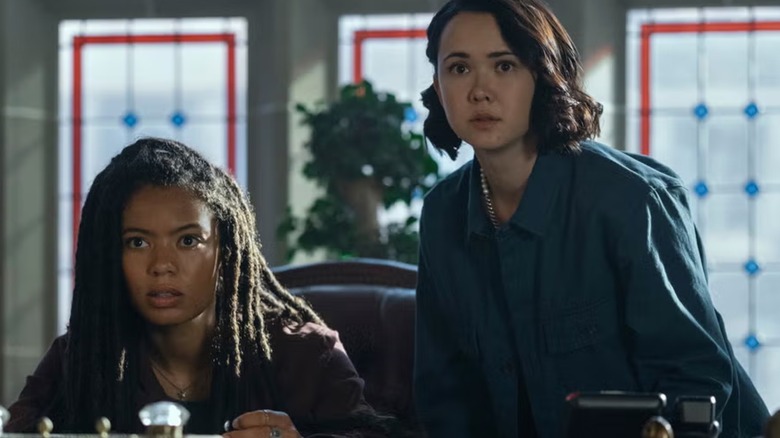
When the finale of The Boys aired, expectations were high. The series had spent years building a world where the lines between the "main" show and its spin-offs were meant to be porous. Yet, when Marie, Jordan, and Emma appeared on screen in the first ten minutes, their role was starkly limited. Instead of being integrated into the high-stakes tactical operations against Homelander, they were relegated to a logistics role: transporting non-superpowered survivors to safety in Canada.
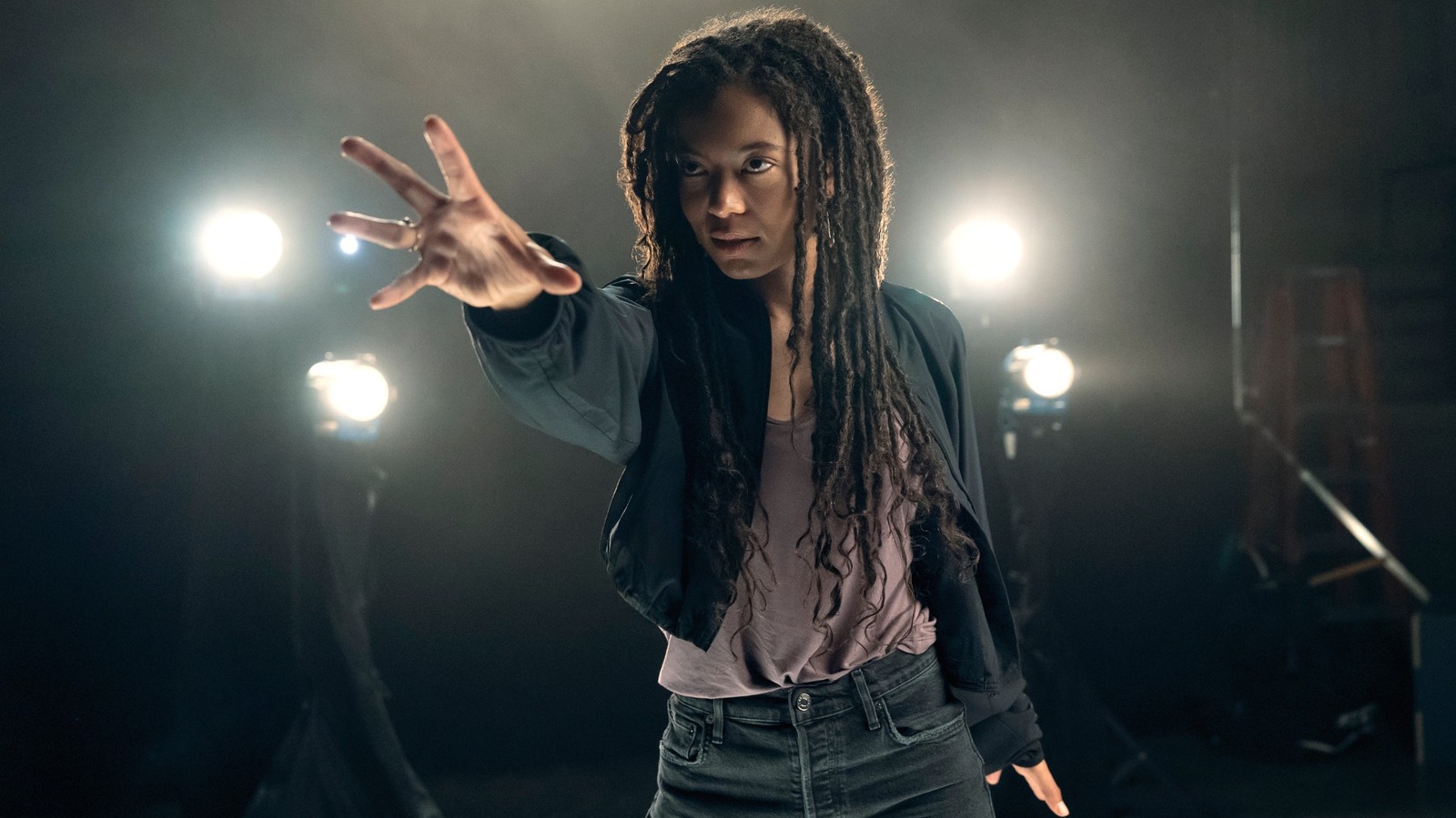
This choice created a jarring tonal shift. While Starlight (Annie January) argued that the fight was too dangerous for the "kids," it felt like an artificial barrier. Marie Moreau, a character with the power to manipulate blood and the potential to be one of the most formidable beings in the VCU, was sidelined in favor of keeping the spotlight strictly on the original Boys ensemble.
Chronology of a Missed Opportunity
The narrative trajectory of the Gen V protagonists in the finale follows a brief, uninspired arc:
- The Post-Frenchie Aftermath: The episode opens in the immediate wake of tragedy. The emotional weight is heavy, and the introduction of the Gen V leads serves as a momentary distraction from the primary gloom.
- The Tactical Rejection: Annie January tasks the trio with humanitarian transport duties. Marie protests, citing her desire to fight, but is ultimately overruled. This effectively removes them from the board for the remainder of the episode.
- The Symbolic Torch-Passing: A brief, poignant exchange occurs between Annie and Marie. It is designed to offer catharsis, acknowledging the generational shift in the VCU.
- The Quiet Exit: The trio vanishes from the narrative entirely. As the climactic battle at the White House ensues and Homelander meets his gruesome end, the Gen V protagonists remain absent, their potential impact on the power vacuum left by Vought ignored.
This sequence suggests that while the creative team recognized the need to include these characters for continuity’s sake, they lacked the narrative space or desire to weave them into the core plot.
Supporting Data: The Impact of Cancellation
The situation is significantly complicated by the recent, abrupt cancellation of Gen V by Prime Video. While the showrunner Eric Kripke and his team reportedly had long-term plans for a third season, the studio’s decision to pull the plug has effectively left the characters in a state of suspended animation.
Data regarding the show’s reception indicates that Gen V was not a failing venture. It garnered critical acclaim for its exploration of youth culture, identity, and the systemic corruption of the Godolkin University experiment. By canceling the show while simultaneously underutilizing its leads in the finale of the parent series, Amazon has effectively orphaned a group of characters who were, by all metrics, the "next big thing" for the franchise.
The juxtaposition of Gen V’s cancellation and the finale’s treatment of its characters raises a critical question: If the studio had no intention of continuing the Gen V story, why not give these characters a meaningful, heroic, or even tragic end in the finale of The Boys? Instead, they are left in a narrative purgatory, their arcs unfinished and their potential wasted.
Official Responses and Creative Direction
Showrunner Eric Kripke has been vocal about his desire to maintain a coherent VCU, but he has also admitted that the sheer scale of the universe is difficult to manage. In various interviews, Kripke has emphasized that The Boys was always intended to be a specific, finite story about Billy Butcher and Homelander. However, this commitment to a singular focus often comes at the expense of the peripheral characters that the studio itself invested in heavily.
Regarding the cancellation of Gen V, the narrative from the executive level remains tied to the shifting demands of streaming economics. With the upcoming prequel series Vought Rising—which will focus on the origins of the Vought corporation through the lens of characters like Soldier Boy and Stormfront—it is clear that Amazon is pivoting toward established, "safe" intellectual property rather than the newer, riskier narrative ground broken by Gen V.
The Implications: A VCU in Flux
The implications of this creative decision are significant. First, it diminishes the stakes of the entire Gen V experience. If the struggles, training, and trauma of Marie and her friends do not ultimately lead to a seat at the table during the VCU’s most decisive moment, it teaches the audience that the spin-offs are ultimately disposable. This "disposable" feeling is the death knell for interconnected cinematic universes.
Second, the lack of payoff for Marie’s "Chosen One" arc is particularly galling. Throughout Gen V, the show teased the idea that she represented a shift in the supe hierarchy—someone who could rise above the corruption of Vought. By keeping her away from the final battle, the finale reinforces the status quo: that only the original Boys crew matters, and everyone else is just a supporting player in their drama.
Finally, we must consider the post-Homelander world. Even with the primary antagonist dead, the VCU remains a place of systemic rot. Stan Edgar’s return to the CEO chair serves as a stark reminder that Vought is not a hero organization; it is a pharmaceutical, media, and political juggernaut. Without the Gen V characters—who are uniquely positioned to challenge the company’s propaganda from the inside—the resistance feels hollow. The youth, who are the primary victims of Compound V, have been rendered silent.
Conclusion: A Call for Resolution
While the finale of The Boys offered a visceral and arguably satisfying conclusion to the specific conflict between Butcher and Homelander, it failed to act as a proper steward for the broader universe it created. Marie, Jordan, and Emma deserved better than a logistical cameo. They deserved to be part of the final act, to contribute to the dismantling of the system that created them, and to see their arcs reach a conclusion that honored the complexity of their journey.
As we look toward the future of the VCU—whether through Vought Rising or potential future installments—there is a palpable hope that the stories of the Godolkin students will be revisited. To leave them in their current state is not just a narrative failure; it is a disservice to the fans who saw in them a glimmer of hope, however small, in a world that is otherwise overwhelmingly dark. For now, we are left with a finale that, while loud and bloody, feels strangely incomplete, leaving the best characters of the spin-off era as mere ghosts in the machine of Vought’s dying empire.









No comments yet. Be the first to join the conversation!