Pevita Pearce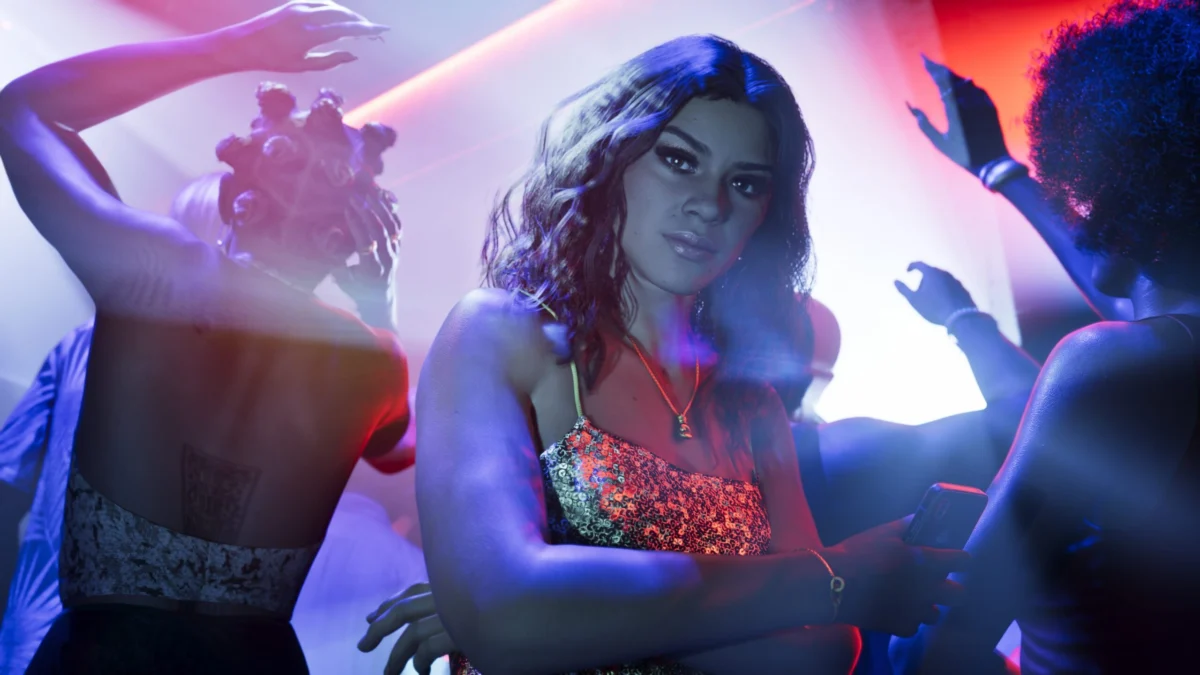
The global gaming industry, currently bracing for one of its most significant transitions in a decade, has found a glimmer of certainty amidst a sea of speculation. During the most recent quarterly earnings call, Take-Two Interactive CEO Strauss Zelnick issued a definitive statement: Grand Theft Auto VI remains firmly on track for its scheduled release on November 19, 2026. This confirmation, intended to steady investor nerves and focus the public imagination, has sent ripples through the financial markets and ignited a renewed sense of anticipation among the franchise’s global fanbase.
The Financial Impact: Stock Surges and Market Confidence
The announcement triggered an immediate and palpable reaction in the financial sector. Shares of Take-Two Interactive (TTWO) saw a significant uptick shortly after the earnings call concluded. Analysts have noted that this volatility is a direct response to the "GTA factor"—the understanding that Grand Theft Auto VI is not merely a product, but a cultural phenomenon capable of shifting fiscal outcomes for an entire multinational corporation.
The market’s positive reception underscores the immense pressure riding on Rockstar Games. While Take-Two has maintained a consistent revenue stream through the evergreen success of Grand Theft Auto Online, the transition to the next iteration of the franchise is viewed as the primary catalyst for the company’s long-term growth. By reaffirming the November launch, Zelnick has effectively signaled to shareholders that the development cycle is nearing its conclusion and that the logistical infrastructure for a global rollout is in place.

A Chronology of Anticipation and Delay
To understand the gravity of this latest update, one must look at the turbulent history of the game’s development. Since its initial announcement, Grand Theft Auto VI has been the subject of intense scrutiny, fueled by internal leaks and the inevitable challenges of developing a project of such unprecedented scale.
- The Early Teasers: The initial reveal trailer shattered viewership records, confirming the game’s return to the neon-drenched, satirical landscape of Vice City.
- The Development Hurdle: Throughout 2024 and 2025, reports regarding development bottlenecks emerged. The transition to a new engine, combined with the industry-wide trend of longer development cycles for AAA titles, led to whispers of significant delays.
- The Tactical Silence: Rockstar Games, known for its "radio silence" approach to marketing, allowed the vacuum of information to be filled by community speculation. This period was characterized by fans dissecting every frame of released media and attempting to map the game’s world based on architectural details.
- The November Confirmation: Following previous adjustments to the roadmap, the current November 19, 2026, date represents the most concrete commitment the company has provided to date.
The Marketing Machine: Summer 2026 and Beyond
During the call, Zelnick noted that a comprehensive marketing campaign is set to initiate in Summer 2026. This strategic delay in promotion is consistent with Rockstar’s long-standing philosophy: minimize the window between hype and availability. By waiting until the summer months to flood the market with trailers, gameplay reveals, and promotional assets, the publisher ensures that the "hype train" reaches its peak velocity exactly when the consumer is prepared to pre-order.
Industry experts suggest that this campaign will likely focus on the duality of the game’s protagonists, Lucia and her partner, emphasizing the "Bonnie and Clyde" narrative structure. Given the success of previous marketing cycles, we can expect a staggered release of information, starting with character spotlights and moving toward deep dives into the game’s "spoofed" digital ecosystem—a hallmark of the series’ biting social commentary.

Implications for the Holiday Season: A Competitive Void?
The most intriguing byproduct of this release window is the effect it will have on the broader gaming ecosystem. November is traditionally the most lucrative month for the gaming industry, serving as the gateway to the holiday shopping season. However, the shadow of Grand Theft Auto VI is so vast that it has created what many are calling a "ghost town" effect for the 2026 holiday calendar.
Publishers are currently in a delicate position. Releasing a high-profile title in November 2026 is, for many, a tactical error. The sheer volume of consumer spending that will be redirected toward Grand Theft Auto VI leaves little room for other titles to find oxygen. Consequently, many studios are pushing their releases to early 2027 or accelerating them into the summer of 2026 to avoid a direct collision. The only companies likely to challenge this dominance are platform holders like Nintendo, who operate within a largely separate, ecosystem-focused consumer base.
The Pricing Debate: Will $80 Become the New Normal?
Perhaps the most contentious topic surrounding the release is the potential retail price. Rumors persist that Take-Two may move to establish an $80 USD price point for Grand Theft Auto VI.
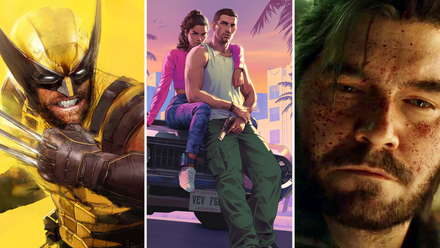
While the industry has been testing the waters with $70 pricing for years, Grand Theft Auto VI is widely viewed as the only title with the "brand gravity" to normalize an $80 entry fee. The argument for this price point rests on the game’s scope: with an expansive, living world and the massive infrastructure required to support its inevitable online multiplayer component, the value proposition is significantly higher than a standard 15-hour narrative experience. However, there is a legitimate concern that if the industry follows suit without the same level of polish and content depth, consumers will push back, potentially leading to a broader crisis of value in the gaming market.
Official Responses and Investor Sentiment
Strauss Zelnick’s commentary during the earnings call was a masterclass in corporate reassurance. By balancing the excitement of the upcoming release with a measured tone regarding the necessity of quality control, he addressed the primary fear of the gaming public: that the game might be rushed.
"We have no reason to shove it out the door," Zelnick noted, addressing the potential for further delays. This sentiment has been echoed by internal stakeholders who recognize that the Rockstar brand is built on the foundation of "when it’s ready" releases. Investors have responded in kind, prioritizing the long-term health of the IP over the short-term benefit of a rushed holiday window.

The Road to Pre-Order
For the average player, the focus now shifts toward the start of pre-orders. When these digital and physical queues finally open, it will serve as the final indicator that the development cycle has reached its conclusion. Until then, the community remains in a state of cautious optimism.
The industry is watching closely. If Grand Theft Auto VI succeeds as projected, it will set a new benchmark for technical achievement, narrative depth, and commercial success. If it stumbles, it would represent a catastrophic shift in the power dynamics of the gaming world. For now, all eyes are turned toward November 19. The stage is set; the players are in position; and the most anticipated entertainment product of the decade is finally within reach.


 Asro
Asro
 Muslim