Dwi Wanna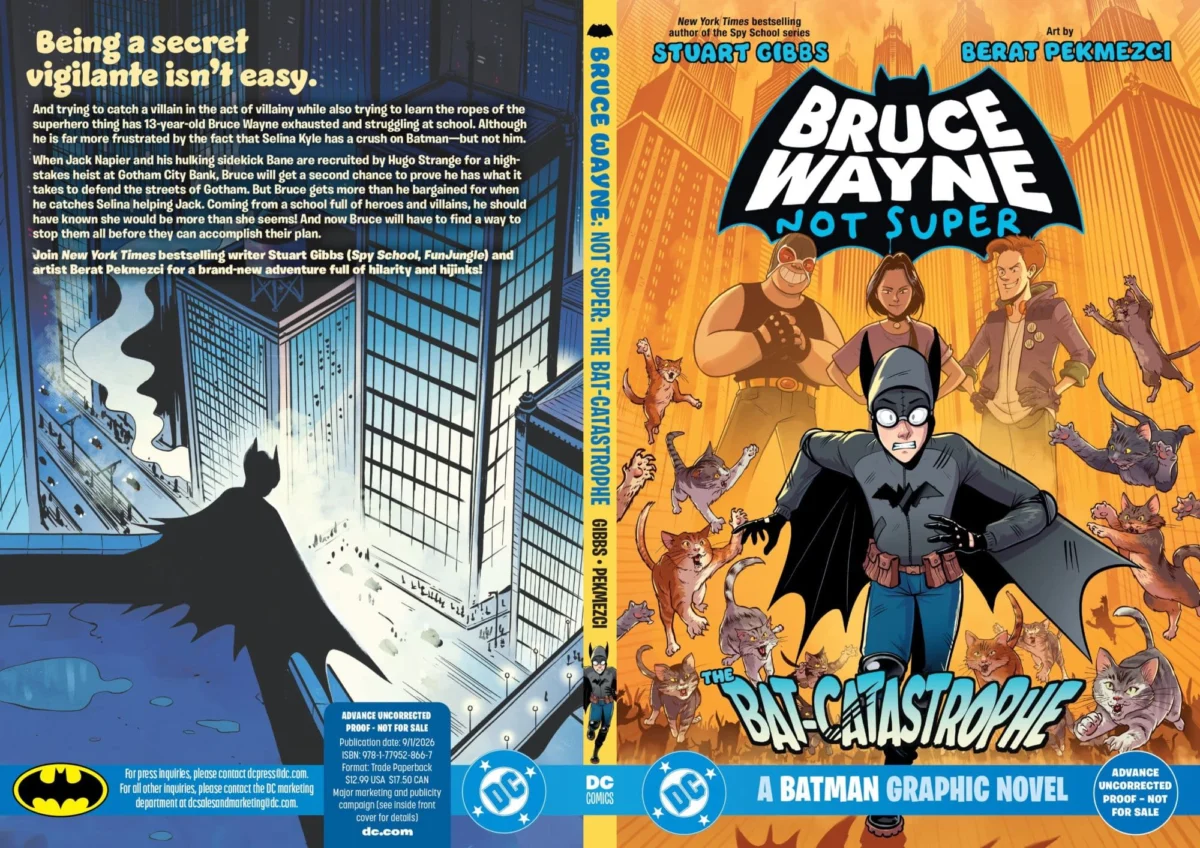
The landscape of Young Adult (YA) graphic novels is about to get a lot more complicated for the Dark Knight. DC Comics has officially announced that the creative powerhouse duo of author Stuart Gibbs and artist Berat Pekmezci will reunite this September for Bruce Wayne: Not Super: The Bat-Catastrophe, the highly anticipated sequel to their 2023 hit, Bruce Wayne: Not Super.
This upcoming installment promises to further explore the unique, humor-infused reimagining of Gotham’s most famous resident, centering on a thirteen-year-old Bruce Wayne navigating the treacherous waters of middle school, superhero-obsessed social hierarchies, and—perhaps most terrifyingly—the onset of teenage romance.
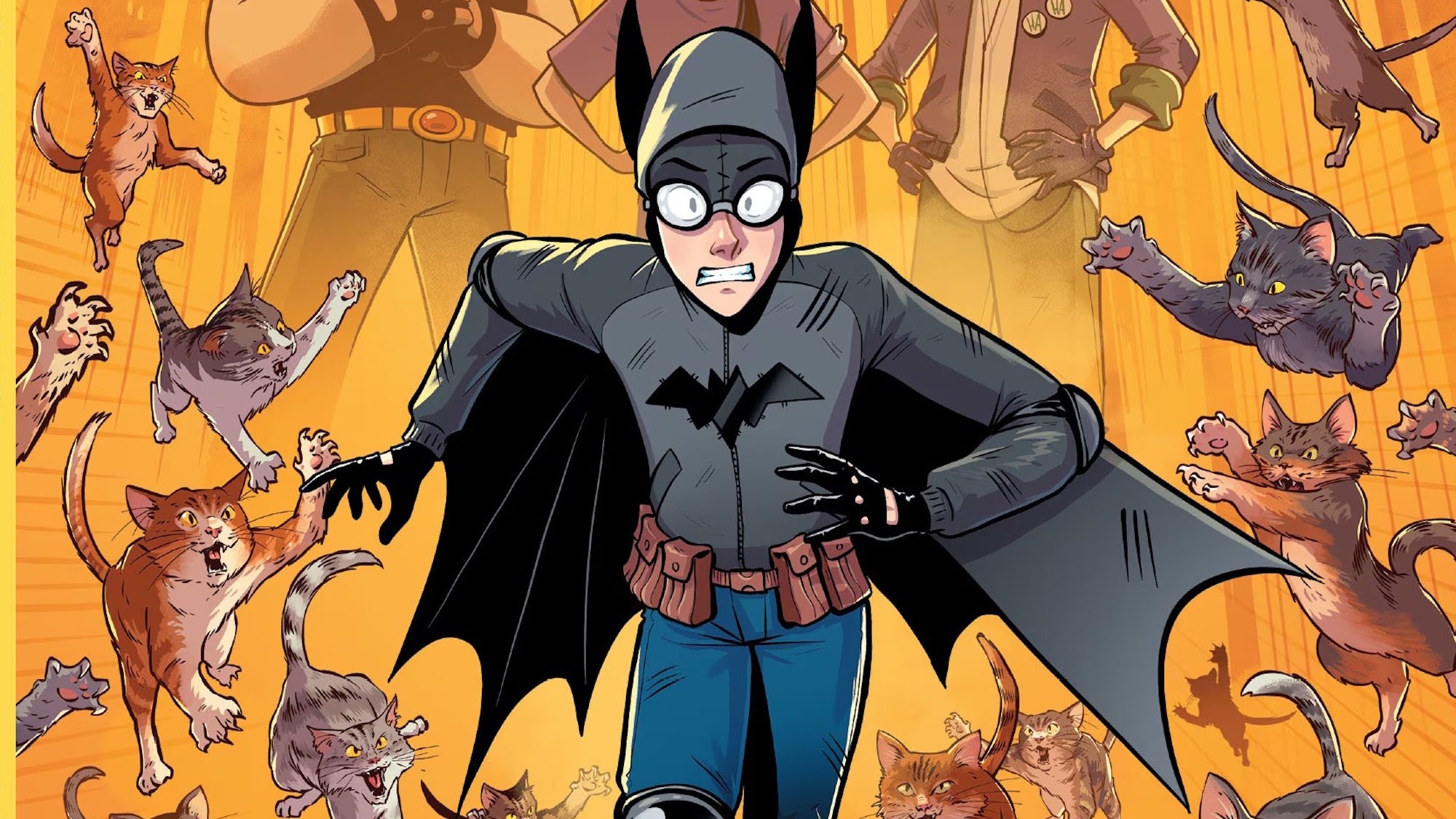
Main Facts: A Hero in the Making (Without the Powers)
The premise of the Bruce Wayne: Not Super series is a subversion of the traditional DC mythology. In this alternate timeline, Bruce Wayne attends a school where almost every student possesses extraordinary abilities. In a world where classmates can fly, breathe fire, or command the elements, young Bruce is a glaring outlier: he is entirely, frustratingly, and relentlessly "not super."
While his peers rely on innate superpowers to navigate their daily lives, Bruce is forced to rely on his wits, his intellect, and a growing, obsessive dedication to preparation. The first volume established this dynamic, showing how a young, unpowered boy attempts to carve out an identity in a world that seemingly has no place for a regular human.
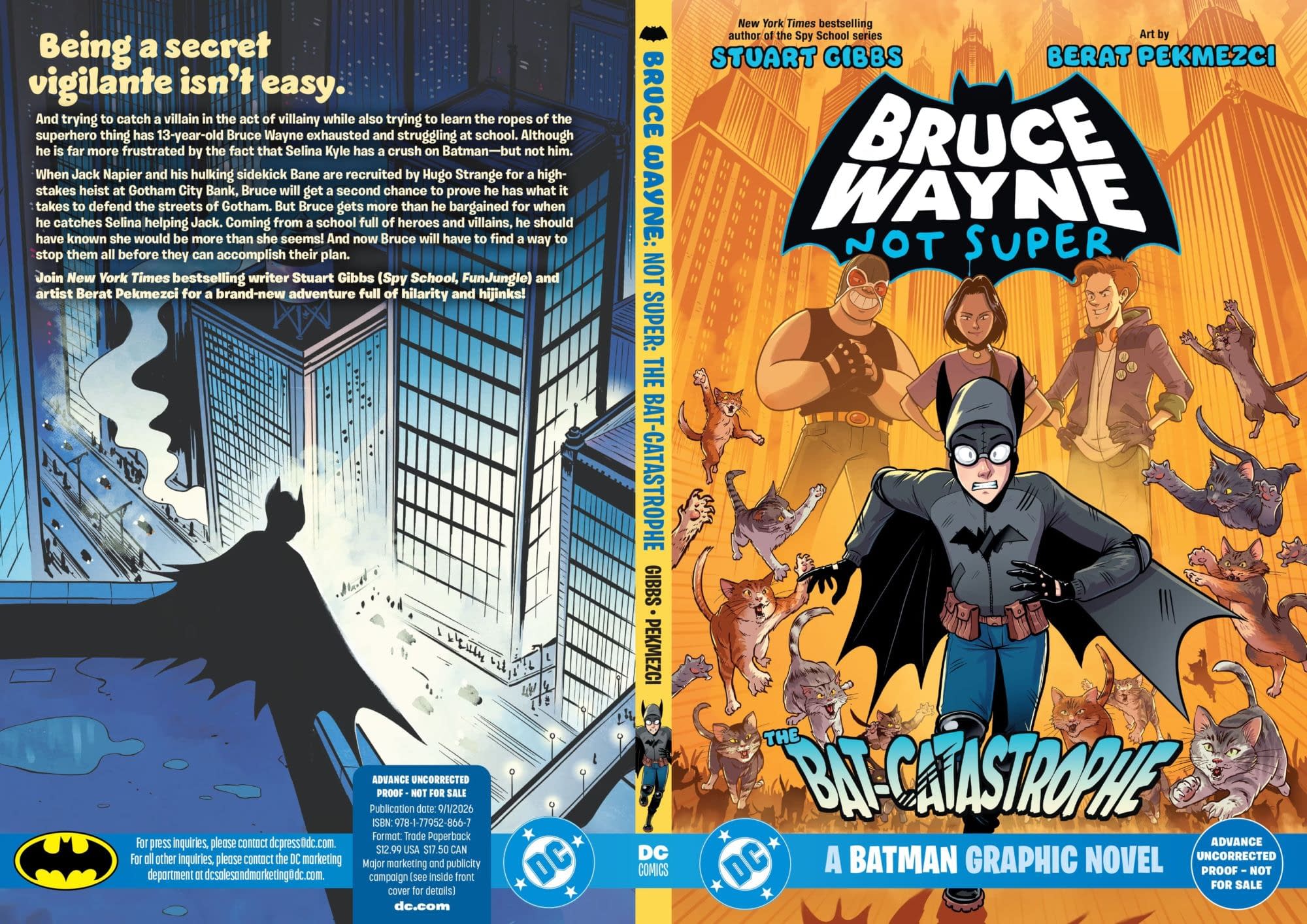
The Bat-Catastrophe picks up shortly after the events of the first book. As thirteen-year-old Bruce continues his quest to establish himself as a vigilante figure—the proto-Batman—he faces a new, unforeseen complication: the burgeoning romantic interest of Selina Kyle. The dynamic between a nascent Batman and a Catwoman who currently has a crush on him provides a comedic and emotional backbone to the narrative, shifting the stakes from pure survival to the classic, awkward vulnerabilities of early adolescence.
Chronology: The Evolution of the "Not Super" Universe
The journey to The Bat-Catastrophe began in 2023 with the release of the inaugural graphic novel, Bruce Wayne: Not Super. The success of that volume solidified the series as a staple in DC’s growing YA library, which has seen significant investment as the publisher seeks to capture younger readers who are less interested in decades of complex continuity and more interested in character-driven, standalone stories.
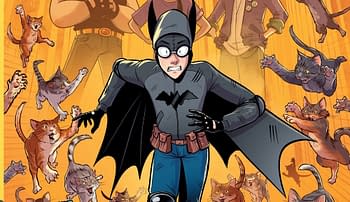
- 2023 (The Debut): Bruce Wayne: Not Super introduces readers to a Gotham City where the "super-powered" are the norm. The book was praised for its clever dialogue and its ability to ground the myth of Batman in a relatable, middle-school context.
- May 2026 (The Announcement): DC Comics confirms the development of the sequel, The Bat-Catastrophe, slated for a September 2026 release.
- September 2026 (Forthcoming): The official release of the second volume, marking the continued collaboration between Gibbs and Pekmezci.
The series is part of a larger trend in the comic book industry where established characters are reimagined through the lens of specific age-appropriate tropes. By stripping Bruce Wayne of his billions and his "super" peers, Gibbs allows for a more focused exploration of the character’s core trait: his indomitable will and need for control.
Supporting Data: The Power of the Creative Team
The synergy between Stuart Gibbs and Berat Pekmezci has been central to the success of this franchise. Gibbs, known for his prolific work in middle-grade fiction, brings a sharp, comedic sensibility to the script. His dialogue is tailored to capture the anxiety and grandiosity of the teenage experience, mirroring the internal monologue of a boy who wants to be a hero but is constantly reminded of his own physical limitations.

Berat Pekmezci’s artistic contribution is equally vital. His visual style, characterized by expressive character designs and dynamic, kinetic action sequences, perfectly captures the chaos of a school setting filled with powered teenagers. His ability to render the "normalcy" of Bruce Wayne against the backdrop of a vibrant, high-energy environment is what keeps the reader grounded in the story’s central conflict.
The YA graphic novel market has seen an explosive growth rate over the last five years. According to recent industry reports, graphic novels for children and young adults have become the primary entry point for new readers into the medium. DC Comics’ focus on titles like Bruce Wayne: Not Super demonstrates a strategic pivot toward this demographic, leveraging recognizable intellectual property (IP) to foster brand loyalty among a younger generation.
Official Responses and Industry Context
While DC Comics has kept the specific plot details of The Bat-Catastrophe under wraps, the industry response to the announcement has been largely positive. Editorial notes from DC suggest that the goal of this sequel is to deepen the character development of the supporting cast, specifically focusing on the relationship between Bruce and Selina.
"The challenge in writing a young Bruce Wayne is avoiding the trap of making him too serious too soon," said an industry insider familiar with the project. "Gibbs excels at making him serious in a way that feels like a thirteen-year-old trying to act like an adult. It’s funny because it’s true to the character’s eventual destiny, but it’s also inherently ridiculous, which is where the heart of the book lies."
The release of The Bat-Catastrophe also coincides with a wider, industry-wide shift as publishers look to fill gaps left by the contraction of traditional retail markets. With news of stores like Things From Another World closing, the industry is relying more heavily on original graphic novels that can find a permanent home on library shelves and in bookstore sections that are less dependent on the weekly "floppy" comic cycle.
Implications: What This Means for the DC YA Brand
The decision to greenlight a sequel is a clear indicator that the first book met or exceeded sales expectations. In the world of publishing, the "YA graphic novel" category is increasingly becoming the "new superhero universe." By allowing creators like Gibbs and Pekmezci to build a contained, semi-autonomously functioning version of Gotham, DC is creating an entry point that is incredibly low-friction for new readers.

Key Takeaways for the Future:
- Character-First Storytelling: The success of this series reinforces that readers are less concerned with "DC Canon" and more concerned with the emotional resonance of the characters.
- Genre Blending: By mixing the superhero genre with the "middle-school comedy" genre, the book appeals to a wider audience than traditional capes-and-tights fans.
- Longevity: If The Bat-Catastrophe performs well, it opens the door for further exploration of this timeline, potentially introducing other members of the Batman Family in their own "Not Super" iterations.
As September 2026 approaches, the hype surrounding The Bat-Catastrophe continues to build. For fans of the first book, it represents a chance to see how the most intense character in the DC Universe handles the most universal of all teenage dilemmas: the crush. Whether or not Bruce Wayne will ever be "super" remains irrelevant to the story—because, as the title suggests, the real catastrophe isn’t the lack of superpowers, but the chaotic, unpredictable nature of growing up.
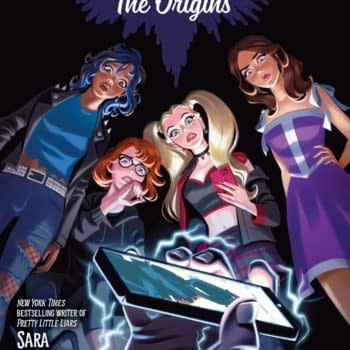
For those looking to keep up with the latest in the world of comics, the release of The Bat-Catastrophe is just one of many major developments in a busy year for DC, alongside other titles like Birds of Prey: The Origins. It remains a pivotal moment for the publisher, proving that even the darkest knight has to start somewhere—usually in a classroom, with a history essay due and a crush who might just be the most dangerous person in the room.

 Sagoh
Sagoh
 Ammar Sabilarrohman