Asep Darmawan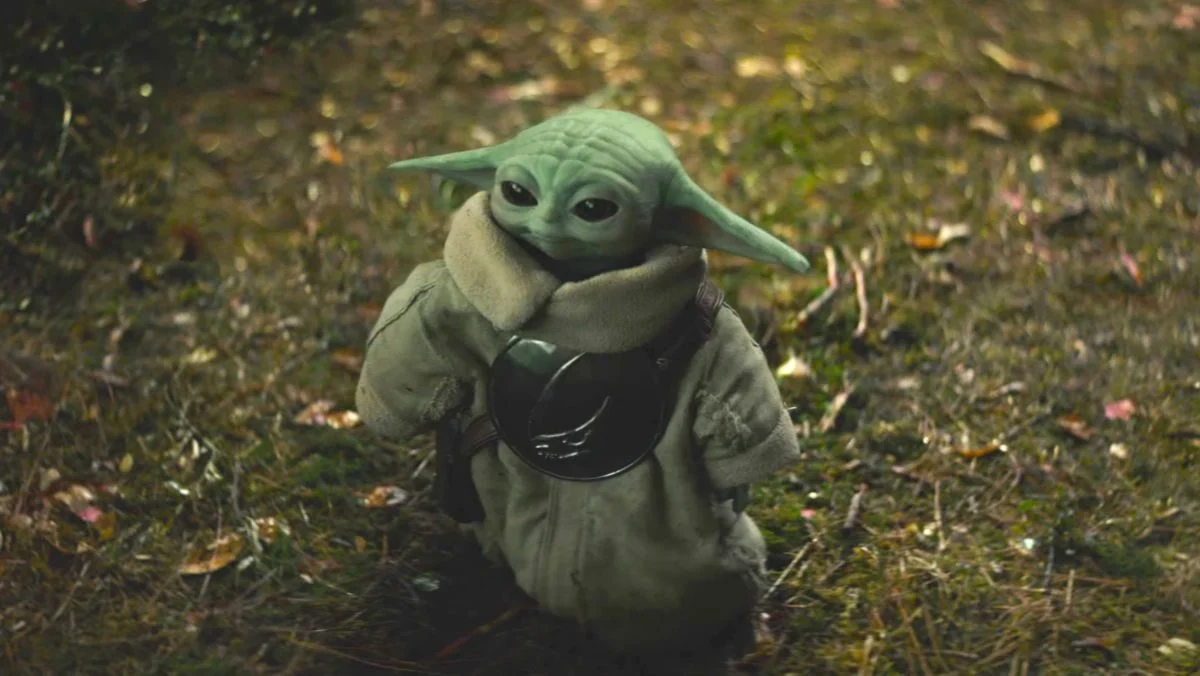
The release of The Mandalorian and Grogu marks a monumental milestone for Lucasfilm. Arriving in theaters after a seven-year hiatus for the Star Wars franchise on the silver screen, the film serves as a litmus test for the studio’s strategy of bridging the gap between streaming television and theatrical blockbusters. As audiences flock to cinemas to reunite with the galaxy’s most iconic duo, a familiar ritual has taken hold: the "post-credits stakeout." In the modern age of cinematic universes, fans have been conditioned to remain in their seats until the final frame, anticipating a secret teaser, a surprise cameo, or a cryptic breadcrumb leading to the next installment.
However, for those wondering if The Mandalorian and Grogu offers a post-credits sting, the answer is a definitive "no." While the film is a technical triumph and a celebration of the Star Wars legacy, it chooses to break the recent trend of interconnected franchise baiting.
The Reality of the Credits: A Self-Contained Finale
To address the most immediate question for theater-goers: The Mandalorian and Grogu does not feature an after-the-credits scene. Once the final frame of the movie fades to black, you are free to exit the theater. While you are certainly encouraged to sit through the credits to appreciate the immense labor of the production team—and to soak in the evocative, pulse-pounding score by Ludwig Göransson—you will not find any additional narrative footage hidden at the end of the scroll.
The decision to forgo a post-credits scene is, in itself, a narrative statement. Modern blockbusters often use these clips as "trailers for the next movie," effectively turning films into long-form commercials for future products. By omitting one, Lucasfilm has signaled that The Mandalorian and Grogu is intended to be a self-contained experience. The film focuses exclusively on the immediate mission: Din Djarin and his young ward, Grogu, operating as high-stakes mercenaries for the New Republic. Their goal is clear, grounded, and focused on the eradication of the remaining Imperial remnants. By keeping the story contained, the film avoids the "universe-building fatigue" that has plagued other major franchises in recent years.
Chronology: Where This Fits in the Star Wars Timeline
To understand why the film feels so contained, one must look at its place in the expansive Star Wars timeline. The film sits firmly within the "New Republic Era," a period that bridges the gap between the fall of the Empire in Return of the Jedi and the rise of the First Order in The Force Awakens.
Following the events of The Mandalorian Season 3, the galaxy remains in a state of fragile recovery. The New Republic is struggling to establish order while Imperial warlords operate in the shadows, hoping to reclaim their lost glory. This timeline is heavily populated by the series The Mandalorian, The Book of Boba Fett, and Ahsoka.
The film operates in the "present" of this era, effectively serving as an anchor point. While the showrunner and creative lead, Dave Filoni, has been weaving these threads together for years, The Mandalorian and Grogu chooses to focus on the intimate bond between its titular characters rather than setting up a sprawling multi-movie arc. It is a tactical retreat from the "cinematic universe" model, allowing the audience to enjoy the character growth of Din Djarin without needing to keep a scorecard of every major plot point from three different television series.
Supporting Data: The Shift in Lucasfilm’s Theatrical Strategy
The absence of a post-credits scene highlights a significant pivot in how Disney and Lucasfilm are approaching the Star Wars brand. For years, the industry standard dictated that every film must leave a door cracked open to ensure audience retention. However, internal data and audience feedback suggest that fans are becoming increasingly fatigued by the "homework" required to understand modern blockbusters.
By delivering a standalone film, Lucasfilm is testing whether the Star Wars brand can thrive on individual storytelling quality rather than serialized mystery-mongering. The financial success of the franchise has historically relied on its ability to capture the public imagination with specific characters. By keeping The Mandalorian and Grogu focused, the studio is betting that viewers would rather see a complete, satisfying story than a 10-second teaser for a film that might be years away.
Furthermore, the lack of cameos is a distinct stylistic choice. In the past, the Star Wars universe has been criticized for feeling "small," where every character seems to be related or conveniently located. This film purposefully ignores that trope, focusing instead on the chemistry between the stoic Mandalorian and the Force-sensitive child, reinforcing their roles as travelers in a vast, indifferent galaxy.

Official Perspectives: What the Creative Team Has Said
While official press junkets have been tight-lipped about the film’s narrative details, the creative direction provided by executive producers Jon Favreau and Dave Filoni has been consistent. They have long championed the idea that the "Mandoverse" should be treated with the same narrative flexibility as the Westerns that inspired the original Star Wars films.
In various industry interviews, the creative team has emphasized that the transition to the big screen was meant to provide a "cinematic spectacle" for the story of Din and Grogu, not to serve as a bridge to a different, larger project. They have expressed a desire to keep the focus on the emotional stakes of the father-son dynamic. By not tacking on a scene that teases the future, they allow the audience to walk out of the theater reflecting on the emotional resolution of the film rather than speculating on the identity of a masked villain or a hidden character reveal.
Implications: What This Means for the Future
If there is no post-credits scene, where does that leave the future of the Star Wars galaxy? The lack of an immediate teaser does not mean that these characters are disappearing. On the contrary, their future remains bright, albeit currently unteased.
1. The Ahsoka Connection
The most likely destination for the duo remains the second season of Ahsoka. The events of the current theatrical film are expected to have ripple effects that will be addressed in the broader "Mandoverse" timeline. As the New Republic continues to face threats, it is inevitable that the paths of Din Djarin and Ahsoka Tano will cross again, as they both operate as vital assets in the fight against the Imperial shadow.
2. The Filoni-Directed "Team-Up" Movie
Perhaps the most anticipated project on the horizon is the as-yet-untitled film directed by Dave Filoni. This project is intended to act as the "Endgame" of the New Republic era, bringing together the disparate threads from The Mandalorian, The Book of Boba Fett, and Ahsoka. While we don’t have a release date for this, it is widely understood that the events of The Mandalorian and Grogu serve as a thematic foundation for that grander, climactic chapter.
3. A New Era of Storytelling
The decision to eschew the post-credits scene suggests a potential return to traditional filmmaking for Lucasfilm. If this film performs well, it may signal that fans prefer stories that begin and end with a sense of closure. It grants the directors more freedom to write films that function as singular pieces of art, rather than as components in a factory-line production system.
Conclusion: A Refreshing Return to Basics
In an era where every blockbuster feels like a puzzle piece in a larger, never-ending game, The Mandalorian and Grogu stands as a refreshing anomaly. By eschewing the traditional post-credits hook, the film respects the audience’s time and intelligence, offering a narrative that stands firmly on its own merit.
Whether you are a lifelong fan of the Star Wars saga or a casual viewer who enjoys the adventures of the bounty hunter and his charge, the film offers a complete experience that doesn’t demand you stay for a tease. It serves as a reminder that the best stories don’t need a teaser for the next chapter to be compelling—they only need a clear beginning, a meaningful middle, and a satisfying end.
As we look toward the future of the Star Wars franchise, the lessons from The Mandalorian and Grogu will likely prove vital. Lucasfilm has proven that they can bring the magic of television-level character development to the massive scale of the theater, and they have done so without relying on the crutch of post-credits mysteries. For now, the journey continues, and the galaxy remains as full of potential as it was on the day the first film was released in 1977.

 Siti Muinah
 Azzam Bilal Chamdy