

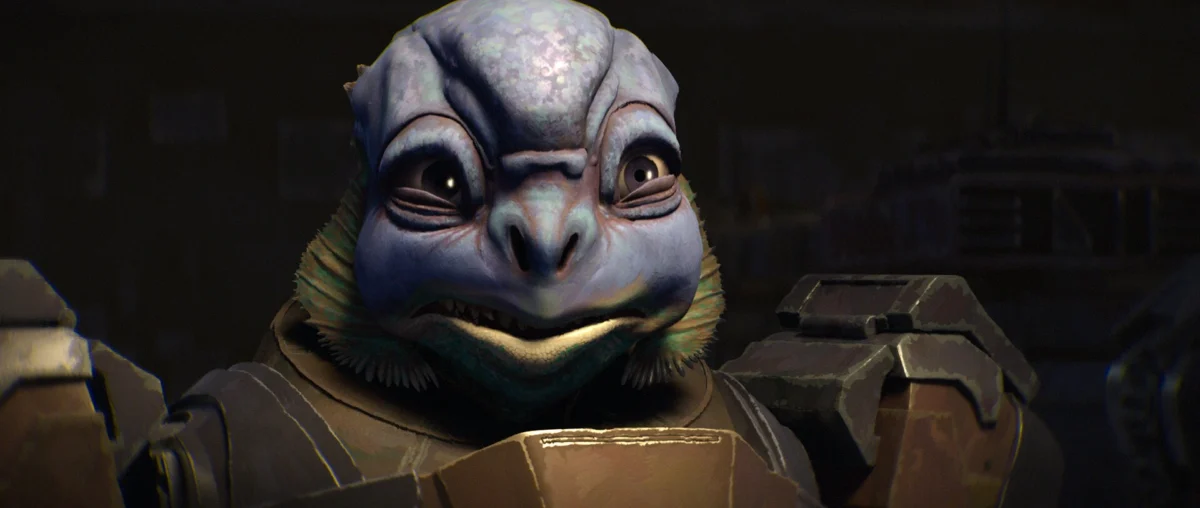
The Star Wars galaxy has long been defined by the struggle between light and dark, but few figures occupy the volatile, grey space between these extremes as compellingly as the former Sith Lord, Maul. Now, with the release of the highly anticipated animated series Star Wars: Maul – Shadow Lord, Lucasfilm invites audiences to descend into the seedy, high-stakes underworld of the planet Janix. With all episodes currently streaming on Disney+, the series marks a pivotal moment for the franchise, expanding upon the lore of the Imperial era and offering an unprecedented look at one of the most complex antagonists in cinematic history.
The Man Behind the Menace: Main Facts
Star Wars: Maul – Shadow Lord is not merely an action-adventure series; it is a character study. Created by Lucasfilm’s Chief Creative Officer Dave Filoni and developed by Head Writer Matthew Michnovetz and Supervising Director Brad Rau, the show bridges the gap between the chaotic aftermath of the Clone Wars and the monolithic rise of the Galactic Empire.
The series centers on Maul, no longer serving as a Sith apprentice, navigating a galaxy that has fundamentally shifted under the iron fist of Palpatine’s new order. Bereft of his brother, Savage Opress, and his mentor, Mother Talzin, Maul finds himself at a crossroads. Seeking to rebuild his criminal influence, he establishes a base of operations on Janix, a world existing on the fringes of Imperial reach. The narrative explores his recruitment of a disparate crew—a mix of loyalists, mercenaries, and unsuspecting pawns—while he grapples with the internal demons that have fueled his path of destruction for decades.
A New Chronology: Bridging the Dark Times
To understand the significance of Maul – Shadow Lord, one must look at the timeline. The series occupies the "Early Imperial Era," a period defined by the transition from the Republic’s collapse to the consolidation of Palpatine’s power.
For fans of the broader Star Wars canon, the series serves as a crucial missing link. We have seen Maul’s rise in The Phantom Menace, his descent into madness and his subsequent tactical brilliance in The Clone Wars, and his eventual, tragic end in Star Wars Rebels. Shadow Lord fills the vital void between these milestones. It captures a version of Maul who is in a state of "reassessment"—a broken strategist attempting to impose his will on a galaxy that no longer fears the Sith, but instead fears the Imperial machine. By placing him in this specific window of time, Filoni and his team have created a narrative pressure cooker where Maul’s personal need for revenge clashes with the cold, calculated expansion of the Empire.
The Architecture of the Underworld: Supporting Data
The strength of Shadow Lord lies in its diverse cast and the intricate world-building of Janix. The production team, led by Rau and Michnovetz, has populated this corner of the galaxy with characters who represent the human (and non-human) cost of Imperial expansion.
The Cast of Characters
- Maul (Sam Witwer): Returning to the role he has inhabited for over a decade, Witwer delivers a performance that emphasizes the character’s emotional isolation. Witwer notes that his approach to Maul was inspired by the tragic duality of Gollum/Sméagol from The Lord of the Rings—a creature with human impulses but "supervillain tools."
- Devon Izara (Gideon Adlon): A former Jedi Padawan living in the shadow of Order 66, Devon represents the moral heart of the series. Adlon’s portrayal captures the "angst" of a young survivor attempting to navigate a binary world of right and wrong when the structures of justice have been dismantled.
- Brander Lawson (Wagner Moura): The inclusion of Wagner Moura brings a grounded, gritty realism to the series. As a police captain and single father, Lawson represents the "everyman" caught between the rising crime syndicates and the encroaching Empire.
- The Supporting Ensemble: From Richard Ayoade’s pedantic, by-the-book droid Two-Boots to Dennis Haysbert’s dignified Master Eeko-Dio Daki and Scott Whyte’s chillingly charismatic Dryden Vos, the cast provides a rich tapestry of motivations. Each character serves as a mirror, reflecting different facets of Maul’s own path—whether it be the corruption of power, the necessity of loyalty, or the struggle to maintain one’s integrity in a crumbling society.
Creative Collaboration: Official Responses
The creative team behind Shadow Lord has emphasized that this series was a collaborative effort, aimed at maintaining the "authenticity" of the Star Wars universe while pushing the boundaries of what an animated narrative can achieve.
Dave Filoni, who has become the steward of modern Star Wars animation, notes that Maul’s relatability is the key to the show’s success. "He makes mistakes. He’s not perfect," Filoni tells StarWars.com. "He desires power, and then he gets toppled. That’s relatable… He just doesn’t deal with it well. He can’t ever really let go of his hatred and his anger."
The cast, for their part, felt the weight of the legacy they were stepping into. Wagner Moura, reflecting on his debut in the galaxy far, far away, noted the cultural significance of his casting. "I remember when I saw Diego Luna doing Andor, I was like, ‘Wow!’ How important that is in terms of representation," Moura stated. "For young Latinos watching these things and going, ‘Oh, we can be part of such an important cultural landmark.’"
For actors like Richard Ayoade and Dennis Haysbert, the process involved deep immersion in the lore. Haysbert, a lifelong fan, famously told the producers, "It is my destiny to play a Jedi Knight," a sentiment that echoes the passion found across the entire production team.
Implications for the Galaxy: The Future of the Force
The release of Maul – Shadow Lord has significant implications for the future of the Star Wars franchise. By focusing on a character who is fundamentally irredeemable yet deeply human, the series challenges the audience to find empathy in the dark.
Narrative Impact
- Expanding the Underworld: The series moves away from the traditional Jedi-vs-Sith conflict, focusing instead on the criminal element of the Star Wars universe. This provides a "pulpy" aesthetic that contrasts sharply with the high-fantasy elements of the Skywalker Saga, bringing it closer to the tone of Andor or The Mandalorian.
- Character Evolution: The relationship between Maul and his new apprentice, Devon Izara, is perhaps the most significant narrative thread. Michnovetz promises that this relationship "is not going to go the way you think it is," hinting at a subversion of the traditional Master/Apprentice dynamic that has defined the Sith for generations.
- The "Post-Order 66" Reality: The show provides a window into how the average citizen of the galaxy experienced the transition to the Empire. Through the eyes of characters like Brander Lawson and Rylee Lawson, we see that the threat is not just the lightsabers and the Sith, but the bureaucratic and moral decay that allows such entities to flourish.
Conclusion: The Age of Maul
As the final credits roll on the series, it becomes clear that Maul – Shadow Lord is a masterclass in character development. It is a story about the inability to move forward, the weight of the past, and the terrifying charisma of a man who has lost everything yet refuses to concede.
The series succeeds not because it redefines who Maul is, but because it finally gives us the time to sit with him in the silence of his failures. It is a haunting, beautiful, and occasionally brutal exploration of a life defined by darkness. For those looking to understand the gaps in the Imperial era, or for those simply seeking a compelling, character-driven story in the Star Wars vein, the journey to Janix is one that cannot be missed.
With the creative vision of Dave Filoni, the nuanced performances of the ensemble cast, and a script that prioritizes character growth alongside high-stakes action, Star Wars: Maul – Shadow Lord stands as a monumental addition to the Star Wars canon. The age of Maul has begun—and it is more complex than any of us could have anticipated. All episodes are now streaming exclusively on Disney+.











No comments yet. Be the first to join the conversation!