Ali Ikhwan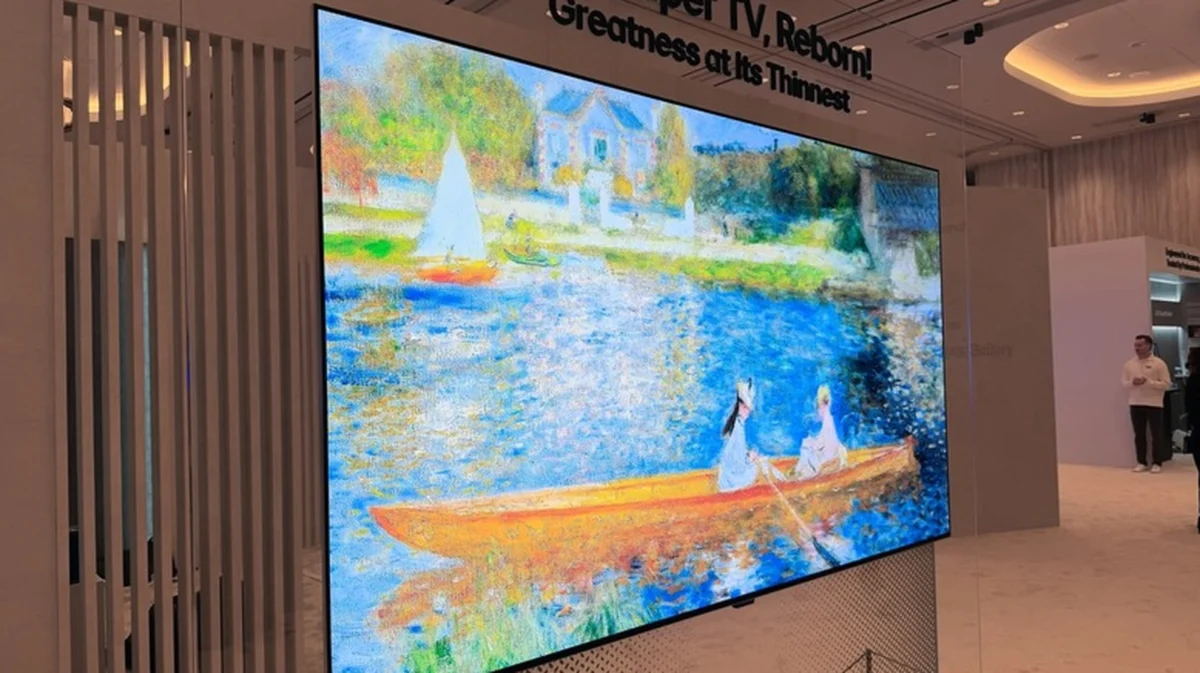
In the rapidly evolving landscape of home entertainment, the television remains the undisputed centerpiece of the living room. However, the path to choosing the "perfect" screen has become increasingly complex. With the emergence of new display architectures challenging the long-standing dominance of Organic Light-Emitting Diode (OLED) technology, consumers are finding themselves at a crossroads.
In the latest episode of the Engadget Podcast, host Devindra Hardawar sits down with Dipin Sehdev, founder of the industry-leading analysis site CECritic, to dissect the current state of the market. The central tension? The rise of new RGB-based display technologies versus the refined, battle-tested performance of OLED. While the industry buzzes with the promise of new innovation, the consensus remains surprisingly grounded: for the vast majority of users, OLED is still the king of the castle.
The State of the Market: Main Facts
The current TV market is defined by a fierce battle for dominance in the premium segment. For years, OLED has been the gold standard, prized for its "infinite" contrast ratio, where individual pixels can turn off completely to produce true blacks. This technology has historically been the preserve of high-end home theaters, but aggressive manufacturing improvements have brought prices down significantly, making OLED a viable option for mid-range buyers.
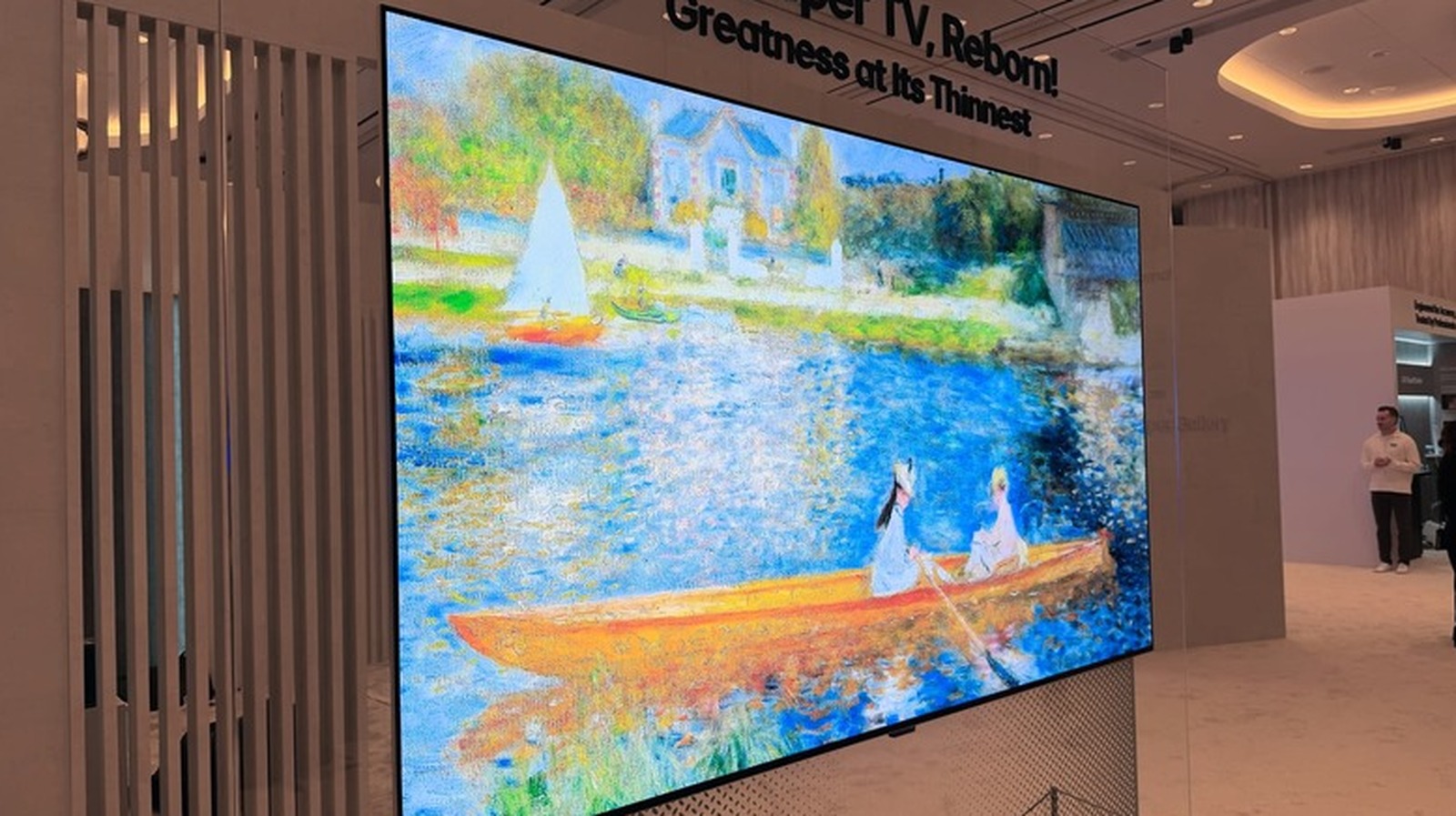
However, the industry is now pivoting toward new iterations of RGB-based technology. The appeal of these newer panels often lies in their potential for higher peak brightness and longevity, addressing some of the historical anxieties associated with OLED, such as image retention or "burn-in." As Sehdev notes, the conversation has shifted from "what is the best display" to "what is the best display for your specific lighting environment and usage habits."
A Chronology of Display Evolution
To understand why we are having this debate today, we must look at the timeline of display maturation:
- The Plasma/LCD Era (2000–2012): The early 21st century was defined by the transition from heavy CRTs to flat panels. Plasma provided excellent motion handling and contrast but struggled with power consumption and weight. LCD, bolstered by LED backlighting, eventually won the market due to cost-efficiency and brightness.
- The OLED Revolution (2013–2018): LG’s mass-market push for OLED brought self-emissive technology to the mainstream. This era established the "perfect black" aesthetic as the benchmark for picture quality.
- The QLED and Mini-LED Response (2019–2023): In response to OLED’s dominance, manufacturers like Samsung pushed Quantum Dot (QLED) and Mini-LED technologies. These panels used advanced backlighting zones to mimic the contrast of OLED while pushing brightness levels to heights that OLED couldn’t reach at the time.
- The Current Frontier (2024–Present): We are now seeing the convergence of these technologies. New RGB-based displays are attempting to marry the color accuracy of OLED with the brightness of traditional LED panels. The podcast highlights this as the current "great debate"—is the premium cost of these new panels justified by their performance gains?
Supporting Data: Why OLED Remains the Benchmark
During the discussion, Sehdev and Hardawar explored the metrics that actually matter to the average consumer. Despite the marketing hype surrounding new panels, several factors keep OLED in the top spot:
- Response Time: OLED panels are inherently faster than any LCD-based technology. For gamers, this means virtually zero motion blur, a critical advantage for high-frame-rate titles.
- Viewing Angles: One of the most significant drawbacks of traditional LED/RGB panels is color shift when viewed off-center. OLED panels maintain color integrity regardless of the viewer’s position.
- The "Price-to-Performance" Ratio: As OLED manufacturing has reached a scale of mass production, the cost-per-inch has plummeted. While newer RGB technologies offer "theoretical" benefits, the real-world improvement in a typical living room often does not justify the massive price jump for most consumers.
Official Industry Perspectives
The debate isn’t just academic; it represents billions of dollars in R&D investment. Industry analysts generally categorize the current landscape into three tiers:
- The Enthusiast Tier: Users who prioritize raw peak brightness for bright-room viewing. For this segment, high-end Mini-LED or the latest RGB-based panels are often recommended by manufacturers because they combat ambient glare more effectively than standard OLEDs.
- The Cinema Tier: This is the domain of OLED. Industry professionals and home theater enthusiasts prioritize color accuracy and contrast above all else. For those who watch movies in light-controlled environments, OLED remains the undisputed champion.
- The Value Tier: The segment where "good enough" meets affordability. This is where older LED technologies continue to thrive, often providing a perfectly acceptable experience for casual news, sports, and sitcom viewing.
Sehdev emphasizes that consumers should be wary of marketing buzzwords. Terms like "next-gen RGB" or "hyper-bright panels" are often used to justify premium pricing for marginal gains that are only visible to trained eyes in side-by-side comparisons.
Implications for the Consumer
What does this mean for someone shopping for a TV this weekend? The most important takeaway from the Engadget discussion is that there is no "best" TV in a vacuum—there is only the best TV for your living space.
The "Bright Room" Factor
If your TV is situated in a room with floor-to-ceiling windows and significant ambient light, you may find that a premium Mini-LED or high-end RGB display outperforms an OLED. OLED panels can occasionally struggle with reflections or lack the raw "punch" to overcome direct sunlight.
The "Dark Room" Factor
If you are a late-night movie watcher or a serious gamer, OLED is effectively the only logical choice. The depth of the image, the lack of "blooming" (light leaking into dark areas), and the sheer contrast provide an immersive experience that current RGB technology still struggles to replicate at the same price point.
The Longevity Question
While modern OLEDs have sophisticated pixel-shifting and heat-dissipation algorithms to prevent burn-in, it remains a factor for users who leave news channels with static banners on for 12+ hours a day. If your TV usage pattern consists of a single static channel, a high-quality RGB panel might offer better long-term peace of mind.
Final Recommendations: How to Choose
As you navigate the aisles of your local electronics retailer or scroll through online listings, keep these three tips in mind:
- Prioritize Your Usage: Be honest about what you watch. If it’s mostly gaming and movies, go OLED. If it’s mostly news, daytime TV, or bright-room sports, consider the alternatives.
- Ignore the Spec Sheet Wars: Don’t get hung up on peak brightness numbers or obscure marketing acronyms. Most modern TVs are already brighter than what is comfortable for the average human eye in a standard living room.
- Check the Viewing Angle: If your seating arrangement involves a wide couch, ensure the TV you are buying maintains its color profile from the edges of the room. This is the single biggest "real world" differentiator between display technologies.
Ultimately, the Engadget Podcast serves as a reminder that we are in a golden age of television technology. Whether you choose the refined, perfected contrast of OLED or the cutting-edge brightness of new RGB panels, the standard for home entertainment has never been higher. However, for most people, the smart money remains on the tried-and-true: OLED continues to provide the most cinematic, accurate, and satisfying viewing experience available today.
As the industry continues to innovate, the gap between these technologies will likely narrow further. But for now, the "spoiler" remains the truth: OLED is still best for most people.
Credits & Further Listening:
- Host: Devindra Hardawar
- Guest: Dipin Sehdev (Founder of CECritic)
- Producer: Ben Ellman
- Music: Dale North and Terrence O’Brien
- For more deep dives into consumer tech, subscribe to the Engadget Podcast on all major streaming platforms.


 Nana Wu
 Reynand Wu