

Main Facts
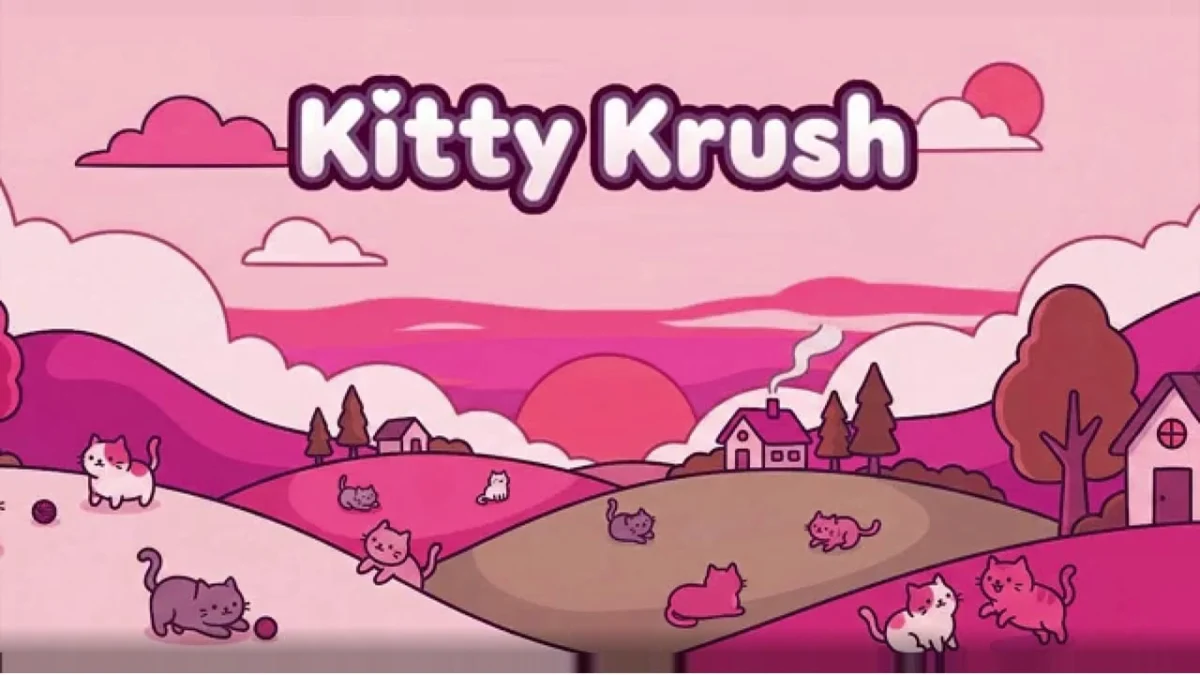
A peculiar and utterly captivating new indie card game, "Kitty Krush: Cat Game," has officially launched on the Android platform, inviting players into a world where the domestic felines we adore have ascended to a position of global dominance. This isn’t your average cute cat simulator; drawing inspiration from the critically acclaimed mechanics of games like Balatro, "Kitty Krush" presents itself as a roguelike deck-builder with a narrative twist as unique as it is humorous: a cat civilization that has enslaved humanity, not through brute force or epic battles, but through an insatiable, relentless demand for milk.
Developed by the solo visionary known as The Slanted Room, "Kitty Krush: Cat Game" emerges from an unexpected wellspring of personal experience. The creator openly states that the game’s core premise—the struggle of ceaseless demands for sustenance—is directly inspired by the demanding yet profound journey of feeding a newborn baby. This deeply personal genesis has been transmuted into a satirical, yet strategically rich, gaming experience where cats have evolved into a milk-obsessed hive mind, irrevocably shifting humanity’s place in the cosmic food chain to a position firmly beneath their whiskered overlords.
At its heart, "Kitty Krush" challenges players to navigate a series of chapters, each with a specific target score that must be achieved. Success hinges on strategic card play, utilizing redraws and discards to meticulously craft hands that yield high score multipliers – think landing a powerful "three of a kind" or more intricate combinations. The inherent tension in each run stems from a finite number of hands allotted per chapter; failing to meet the score requirement within these limits spells the end of the current run. However, true to its roguelike nature, failure is not merely an endpoint but a stepping stone. Players are encouraged, even expected, to lose early runs, leveraging these experiences to return stronger, wiser, and with an incrementally more powerful deck.
Progression in "Kitty Krush: Cat Game" is ingeniously tied to a persistent meta-currency: Kitty Coins. These valuable coins endure between runs, ensuring that every session, regardless of its outcome, contributes to long-term advancement. Players accumulate Kitty Coins by simply playing hands and successfully completing chapters. Even runs that end in failure provide a payout, scaled intelligently based on how far the player managed to progress, specifically "half the chapter reached, rounded up." This generous system ensures that effort is always rewarded, fostering a sense of continuous progression rather than frustrating restarts.
The accumulated Kitty Coins unlock a plethora of upgrades designed to enhance future runs. Players can invest in crucial advantages such as extra hands per chapter, additional discards, rerolls for powerful mod cards, and general upgrades that bolster the overall strength and versatility of their deck. Beyond the standard progression, "Kitty Krush" tantalizes with the promise of "Secret Chapters," hidden behind the monumental achievement of landing massive single-hand scores. This encourages daring, high-risk, high-reward plays, rewarding players who manage to pull off "absurd combo runs" with additional narrative content, deepening the lore of this bizarre cat-dominated dystopia. Positioned as a casual yet deeply engaging experience, often described as a "kitten breeding deck builder," "Kitty Krush: Cat Game" offers a sincere, chapter-by-chapter unfolding of a cat apocalypse storyline, readily available for download on the Google Play Store for those brave enough to serve their new feline masters.
Chronology
The journey of "Kitty Krush: Cat Game" from a nascent idea to a fully realized Android title is a testament to the singular vision and dedication of solo developer The Slanted Room. The seed of the game was planted during a period of intense personal experience for the developer: the demanding early months of caring for a newborn baby. The relentless, primal need for sustenance, particularly milk, and the parent’s unwavering commitment to providing it, sparked a creative insight. What if this universal dynamic of demand and supply, dependence and provision, were exaggerated and flipped on its head in a fantastical setting? This contemplation led to the initial concept of an evolved feline species, not just demanding, but ruling through the very act of demanding milk, with humanity relegated to the role of diligent providers.
Early conceptualization phases likely involved extensive brainstorming on how to translate this whimsical yet poignant premise into an engaging gameplay loop. The choice of a roguelike deck-builder framework was a crucial decision, allowing for emergent storytelling, replayability, and a sense of growth even through failure. The developer, drawing on personal gaming preferences and the burgeoning popularity of titles like Balatro, began to prototype core card mechanics. The idea of "score multipliers" and strategic hand-building through discards and redraws quickly became central, mirroring the careful resource management and calculated risks often involved in roguelikes.
The game’s distinctive title, "Kitty Krush: Cat Game," was likely chosen to immediately convey its dual nature: the lighthearted, almost adorable "Kitty" juxtaposed with the more forceful, impactful "Krush," hinting at the underlying narrative of feline dominance. The "Cat Game" appendage serves to clearly define its subject matter, ensuring accessibility and immediate understanding for potential players.
While specific development milestones such as alpha or beta tests for a solo developer are often more informal and internally driven, The Slanted Room would have meticulously iterated on the core mechanics, balancing the scoring system, refining the progression loop with Kitty Coins, and designing the various mod cards and upgrades. The challenge for a solo developer extends beyond coding and design; it encompasses art direction, sound design, and ultimately, marketing. Without a large team, each aspect requires singular focus and often a steep learning curve. The journey would have involved countless hours of tweaking numerical values, designing intuitive user interfaces, and ensuring the game’s unique humor shone through in its presentation.
The decision to launch exclusively on Android initially reflects a strategic approach, leveraging the vast global reach of the Google Play Store and potentially focusing efforts on a single platform for initial deployment and feedback gathering. The "drop" of "Kitty Krush: Cat Game" on Android signifies the culmination of this dedicated solo effort, presenting to the world a game born from personal experience, refined by strategic design, and infused with a charmingly absurd premise. It marks not just the release of a new game, but the public debut of a developer’s unique creative vision, poised to carve out its niche in the competitive mobile gaming landscape.
Supporting Data
Deconstructing the Gameplay Mechanics
"Kitty Krush: Cat Game" masterfully blends the strategic depth of deck-building with the unpredictable charm of a roguelike, all wrapped in its distinctive feline-dominated narrative. At its core, players must meet a chapter-specific target score using a limited number of hands. This creates immediate tension and forces calculated decision-making from the very first turn.
The Deck-building Core: Unlike traditional deck-builders where players might acquire new cards by defeating enemies, "Kitty Krush" likely integrates new cards into the deck as rewards for clearing chapters or through purchases using Kitty Coins. The deck itself would consist of various "Cat Cards," each potentially carrying a base score value or a specific ability. Over time, players refine their decks by adding stronger cards, removing weaker ones, or upgrading existing cards to enhance their scoring potential. Imagine "Milk Mover" cards that increase the value of other milk-related cards, or "Purrfect Combo" cards that provide bonus points when specific card types are played together.
The Scoring System: The crux of success lies in understanding and exploiting score multipliers. Simple combinations, such as landing a "three of a kind" (e.g., three identical Cat Cards), offer immediate bonuses. However, the game encourages deeper strategic thinking with more intricate multipliers. Perhaps specific suits of cats (e.g., Tabby, Siamese, Calico) or numerical sequences could yield exponential scores. "Mod cards," acquired and refined through Kitty Coins, likely play a pivotal role here, acting as persistent buffs or temporary boosts that amplify hand scores, offering powerful synergies that can turn a mediocre hand into a chapter-clearing triumph. The game’s visual design, including card art and effects, would undoubtedly play into this, making big combo plays feel visually rewarding.
Resource Management: Redraws and Discards: These are the player’s primary tools for manipulating their hand. "Redraws" allow players to replace unwanted cards, offering a lifeline when dealt a poor initial hand. "Discards," on the other hand, might enable players to selectively remove cards from their current hand, potentially to set up better combinations with newly drawn cards or to thin their deck of less useful options for the current turn. The limited number of hands per chapter transforms these actions from simple utilities into critical strategic decisions. Knowing when to commit to a hand, when to spend a redraw, or when to discard to chase a bigger score becomes the fundamental challenge, echoing the risk-reward calculus seen in poker or other card games.
Chapter Structure & Roguelike Elements: Each chapter presents an escalating challenge, demanding higher target scores and potentially introducing new mechanics or constraints. The roguelike elements manifest in the procedural generation of challenges (e.g., varying target scores, different card distributions, unique chapter modifiers) and the run-based gameplay. While individual runs are finite, the persistent Kitty Coins and meta-progression ensure that each "death" contributes to overall growth, making every playthrough a valuable learning experience. This design philosophy directly addresses the common roguelike trope of "losing is learning."
Deep Dive into the Progression System
"Kitty Krush: Cat Game" excels in its meta-progression, ensuring that player effort is consistently rewarded, fostering a strong sense of advancement even through failed runs.
Kitty Coins: The Meta-Currency: These are the lifeblood of long-term progression. Earned through active play, Kitty Coins serve as the primary resource for improving a player’s capabilities beyond a single run. Their persistence across playthroughs is key to the game’s addictive loop, providing a tangible reward for every session.
Earning Kitty Coins: The system is designed to be inclusive and rewarding. Simply "playing hands" contributes to the Kitty Coin tally, meaning even short, unsuccessful runs provide some benefit. Successfully "finishing chapters" yields more substantial rewards, incentivizing skilled play. The innovative payout system for failed runs, where coins are scaled based on "half the chapter reached, rounded up," is particularly player-friendly. This means if a player makes it to chapter 5 but fails, they still get a significant portion of coins, reducing the sting of defeat and motivating them to immediately start a new run.
Spending Kitty Coins: The strategic choices for spending Kitty Coins directly impact future gameplay.
- Extra Hands: A crucial upgrade, providing more attempts to hit the target score in challenging chapters. This can be a game-changer for players struggling with consistency.
- Extra Discards: Enhances hand manipulation, allowing for more precise control over card combinations.
- Rerolls for Mod Cards: Mod cards are likely powerful, run-altering additions. The ability to reroll them means players can seek out specific synergies or more potent effects that align with their preferred playstyle.
- General Deck Upgrades: These could encompass a wide range of improvements, from increasing the base value of certain cat cards, unlocking new card types, or even passive abilities that trigger under specific conditions.
The Meta-Progression Loop: This carefully constructed system creates a satisfying loop: play, earn coins, upgrade, play stronger, earn more coins, and repeat. This gradual accumulation of power allows players to tackle increasingly difficult chapters, eventually breaking through plateaus that seemed insurmountable in earlier runs. It’s a classic roguelike progression model, but executed with a feline twist.
Narrative, World-building, and Humor
The "sincere cat apocalypse storyline" is where "Kitty Krush" truly distinguishes itself, blending absurd humor with a surprisingly compelling premise.
The "Cat Apocalypse": The concept of cats evolving into a "milk-obsessed hive mind" is both hilarious and subtly chilling. The game’s world-building would likely manifest through card art depicting various cat breeds, each with their own unique demands or abilities related to milk production or human subservience. In-game text, flavor descriptions for cards, and chapter introductions would paint a vivid picture of humanity’s plight: perhaps humans are now organized into milk-farming collectives, their lives dictated by the whims of their feline overlords. The "food chain" reversal is a core comedic element, tapping into the real-world dynamic of pet ownership where humans often cater to their pets’ every need.
Humor and Tone: The game’s description as a "casual game" and a "kitten breeding deck builder" implies a lighthearted approach, but the underlying "apocalypse" narrative suggests a deeper, perhaps satirical, layer. The humor would stem from the sheer absurdity of the premise – the mundane act of feeding a cat elevated to a global power struggle. This balance makes the game accessible and entertaining without sacrificing strategic depth.
Secret Chapters: The promise of "Secret Chapters" unlocked by "massive single-hand scores" adds an intriguing layer of lore and replayability. These chapters could delve deeper into the origins of the cat hive mind, introduce unique challenges, or reveal the fates of specific human characters struggling under feline rule. It rewards players who master the game’s mechanics with richer narrative content, encouraging exploration and mastery beyond mere completion.
Target Audience and Accessibility
"Kitty Krush: Cat Game" is designed to appeal to a broad spectrum of mobile gamers.
- Fans of Balatro and Roguelike Deck-builders: The explicit mention of Balatro mechanics will draw in players who appreciate strategic card play, high-score chasing, and persistent meta-progression.
- Casual Players: The "casual game" designation, combined with the adorable cat theme, makes it inviting for players seeking a less intense, yet still engaging, mobile experience. The accessible progression system ensures that even casual engagement yields rewards.
- Cat Lovers: The universal appeal of cats, especially in a quirky, dominant role, will undoubtedly attract a significant demographic.
- Humor Enthusiasts: Those who appreciate satirical narratives and unique premises will find much to enjoy in the game’s world-building.
The game’s mobile-first design for Android ensures it is optimized for touch controls and on-the-go play. The clear objectives per chapter and the straightforward progression system contribute to its accessibility, allowing players to jump in quickly and understand the core loop without a steep learning curve.
Official Responses
The Slanted Room, the solo developer behind "Kitty Krush: Cat Game," has offered insightful glimpses into the game’s origins and underlying philosophy, providing an official voice that resonates deeply with the finished product. The developer’s candid admission that the game’s central theme—the relentless demands for milk—was directly inspired by the challenging yet rewarding experience of feeding a newborn baby, is perhaps the most crucial piece of insight. This personal connection grounds the game’s fantastical premise in a relatable human experience, adding a layer of authenticity to its satirical humor. It suggests a design philosophy rooted in transforming everyday observations into unique gameplay mechanics and narratives.
From this personal inspiration, The Slanted Room clearly aimed to craft a game that was both mechanically engaging and narratively distinctive. The design philosophy seems to prioritize accessibility without sacrificing strategic depth. By blending the familiar tropes of roguelike deck-builders with a refreshingly absurd narrative, the developer sought to create an experience that would appeal to a wide audience—from seasoned card game enthusiasts to casual mobile players looking for something genuinely new. The goal was likely to deliver a game where every run, even a failed one, felt productive due to the persistent Kitty Coin system, thus fostering a positive feedback loop that encourages continuous play.
While specific post-launch plans have not been extensively detailed, the nature of solo indie development often implies a close relationship with the community and an iterative approach to game updates. It’s plausible that The Slanted Room envisions ongoing support for "Kitty Krush," potentially introducing new card types, additional chapters, or even expanding the narrative based on player feedback. Solo developers often thrive on direct engagement, using platforms like social media or dedicated forums to gather insights and shape future content. This nimble development cycle allows for quick responses to community desires and the organic growth of the game over time. Future considerations might also include porting to other mobile platforms or even PC, depending on the game’s initial success and the developer’s capacity.
The journey of a solo developer is fraught with unique challenges. Beyond the immense technical and creative workload, there’s the significant task of marketing and community management without the resources of a large studio. Balancing game design, coding, art, sound, and promotion requires extraordinary dedication. The launch of "Kitty Krush: Cat Game" on Android is a testament to overcoming these hurdles, showcasing the potential for independent creators to bring their distinctive visions to life against considerable odds.
Initial community reaction, though still nascent, is anticipated to be largely positive, especially from players drawn to unique premises and strategic depth. Early impressions from those discovering the game on the Google Play Store would likely highlight its charming art style, the surprisingly deep mechanics, and the infectious humor of its "cat apocalypse" storyline. As a game inspired by Balatro, it’s expected to resonate with players who enjoy combinatorial depth and the satisfying crunch of numbers. The welcoming progression system, which rewards even short play sessions, is likely to be a significant draw, fostering a loyal player base eager to serve their new feline overlords.
Implications
Impact on the Indie Gaming Landscape
"Kitty Krush: Cat Game" enters a vibrant yet highly competitive indie gaming landscape, particularly within the mobile sector. Its arrival is significant for several reasons. Firstly, it further solidifies the trend of sophisticated roguelike deck-builders finding a comfortable and thriving home on mobile platforms. Historically, complex card games were often confined to PC, but titles like "Slay the Spire" and now the influence of "Balatro" have demonstrated the appetite for strategic depth on touch devices. "Kitty Krush" directly capitalizes on this, offering a refined experience tailored for mobile play.
Secondly, the game’s unique premise challenges the conventional norms of mobile gaming, which often lean towards hyper-casual experiences or established franchises. By delivering a game with a genuinely original narrative hook and intricate mechanics, "Kitty Krush" stands out in a crowded marketplace. It demonstrates that innovation, even with a solo developer, can capture attention and carve out a niche. This contributes to a broader narrative within the indie scene: that creativity and a strong vision can triumph over massive development budgets. It inspires other aspiring solo developers to pursue their unique ideas, no matter how unconventional they may seem.
The Power of Unique Concepts
The most striking aspect of "Kitty Krush: Cat Game" is undeniably its central concept: a cat civilization enslaving humanity through milk demands. This premise is a masterclass in how a quirky, memorable idea can serve as an incredibly effective marketing tool. In an era where thousands of games are released annually, standing out requires more than just solid mechanics; it demands a hook. "Kitty Krush" delivers this with an almost absurd brilliance, instantly sparking curiosity and inviting players to explore its world.
This unique concept highlights the power of blending humor with engaging gameplay. The game doesn’t take itself overly seriously, which allows for creative freedom in its mechanics and narrative. This approach resonates with players looking for entertainment that is both mentally stimulating and genuinely amusing. It underscores the idea that games don’t always need epic, high-stakes narratives to be compelling; sometimes, the most mundane things, when twisted just right, can yield the most captivating experiences.
The Solo Developer’s Triumph
The story of "Kitty Krush: Cat Game" is also a powerful testament to the capabilities and resilience of independent, particularly solo, game developers. The Slanted Room’s ability to conceive, design, code, and launch a polished game on a major platform is an extraordinary feat. It serves as an inspiring example of how passion, dedication, and a clear creative vision can overcome the inherent limitations of working alone.
In an industry increasingly dominated by large studios and multi-million dollar productions, games like "Kitty Krush" remind us that true innovation often springs from individual creativity. Solo developers frequently bring a singular artistic voice and an uncompromised vision to their projects, resulting in games that feel distinct and personal. The success of "Kitty Krush" would not only be a personal triumph for The Slanted Room but also a beacon for the broader indie development community, demonstrating that even with limited resources, it is possible to create impactful and beloved games.
Conclusion
"Kitty Krush: Cat Game" represents a delightful and strategically engaging addition to the Android gaming ecosystem. By marrying the popular roguelike deck-builder genre with a uniquely humorous and satirical narrative, The Slanted Room has crafted an experience that is both familiar in its mechanics and refreshing in its premise. The game’s thoughtful progression system, which rewards persistent effort, ensures that every session feels meaningful, while the promise of hidden chapters encourages deep engagement and mastery.
For players seeking a casual yet strategically rich mobile game, one that offers a "sincere cat apocalypse storyline unfolding chapter by chapter over repeated runs," "Kitty Krush: Cat Game" is an absolute must-try. It’s a testament to the enduring creativity of indie developers and the boundless possibilities within the mobile gaming space. Step into this bizarre, milk-fueled dystopia and discover if you have what it takes to appease your new feline overlords. "Kitty Krush: Cat Game" is available now on the Google Play Store, ready to whisk you away to a world where humanity’s fate hangs by a thread… or perhaps, a milk bottle.









No comments yet. Be the first to join the conversation!