Suro Senen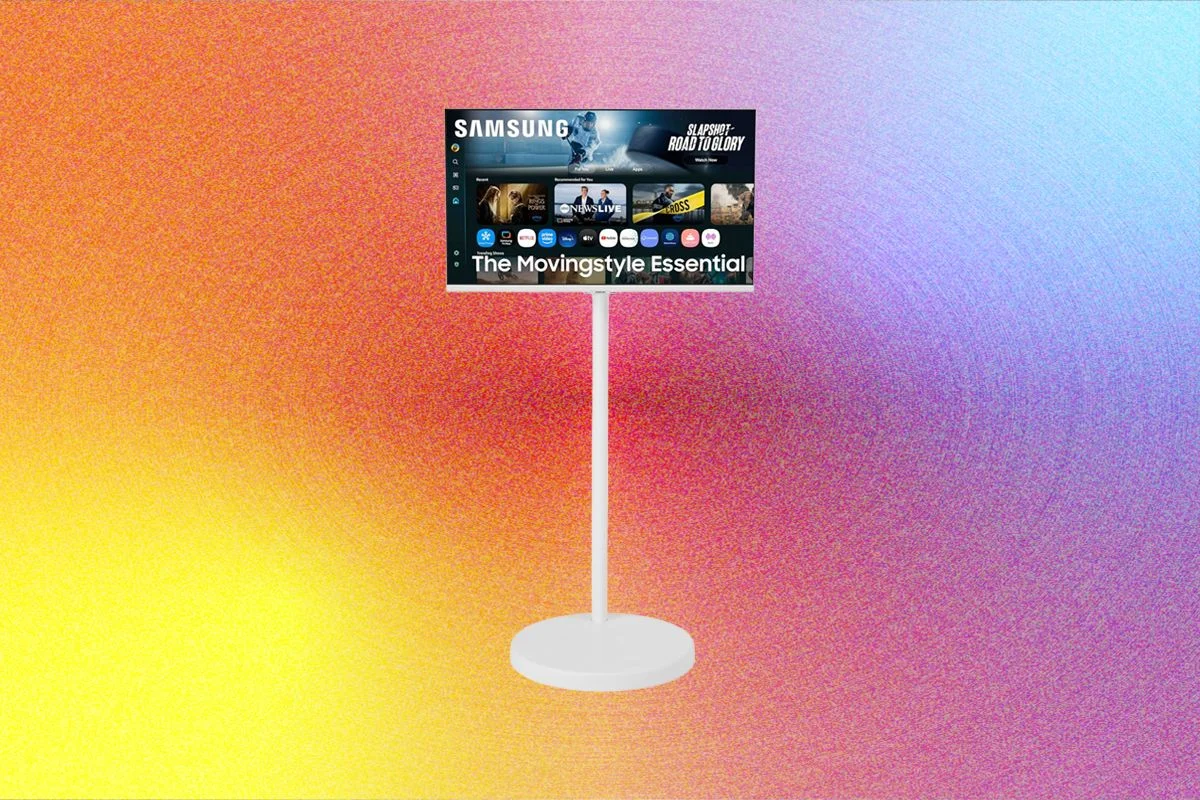
In an era where the lines between the home office, the living room, and the kitchen continue to blur, the hardware we use to consume content is undergoing a radical transformation. Enter the Samsung Movingstyle M7, a monitor that attempts to solve a perennial problem: the rigidity of the fixed display. By mounting a high-definition screen onto a wheeled, adjustable stand, Samsung is betting that users want their digital workspace and entertainment hub to be as nomadic as they are.
However, as with any hardware that attempts to bridge the gap between static productivity and mobile convenience, the reality of daily usage is a nuanced mix of brilliant innovation and frustrating physical limitations.
The Assembly and Initial Impression
The experience begins the moment the box is opened. For a device that emphasizes mobility, the initial setup process is remarkably grounded. Putting together the Movingstyle M7 is a straightforward affair, requiring only a handful of screws and a careful threading of the power cable through the internal channels of the stand.
Once assembled, the monitor presents a clean, modern aesthetic. However, the first hurdle becomes apparent during the physical adjustment phase. The monitor relies on a single, somewhat "dubious" handle to control tilt, height, and rotation. For a device marketed as a fluid, dynamic workstation, this mechanism feels surprisingly clunky. Users accustomed to the premium, effortless friction hinges found on high-end professional monitor arms may find the Movingstyle’s adjustment system to be a point of friction rather than convenience.
When you are shifting between a standing desk session and a reclined movie-watching position, you want fluid transitions. Unfortunately, the M7’s adjustment interface requires a degree of force and intentionality that feels at odds with the product’s core promise of ease.
Ergonomics and Vertical Range
The stand architecture of the Movingstyle M7 is a unique departure from traditional VESA-mounted solutions. Rather than the stand itself telescoping, the monitor is adjusted via a steel bar mechanism where the display clips onto the stand.
While the design is clever, it imposes limitations. The vertical travel is restricted to the span of the mounting bar. That said, in practice, the eight-inch adjustment range proves to be more than adequate for the average user. Whether you are sitting at a standard desk or adjusting for a specific viewing angle on a sofa, finding a comfortable eye-level position is achievable. It is a classic case of "function over form"—the mechanism might look unconventional, but it accomplishes the primary goal of providing ergonomic flexibility.
The Reality of "Nomadic" Computing
For those who do not own a traditional television, the Movingstyle M7 serves as a compelling hybrid. In a home without a dedicated media room, the ability to wheel the monitor from the living room to the kitchen—or even into a home office—is nothing short of transformative. It effectively turns any corner of the house into a potential command center or entertainment zone.
The Geography of the Home
However, the "mobile" aspect of the device faces stiff resistance from the architecture of the modern home. For residents of multi-story townhomes or houses with staircases, the weight and bulk of the unit make moving it between floors a non-starter. This is not a portable tablet; it is a substantial piece of hardware. Unless you have an elevator, the Movingstyle is essentially a single-floor companion.
Power Cord Constraints
The mobility of the unit is further tethered by a 4-foot, 9-inch power cable. While this is significantly longer than the standard, short-leash cables provided with most desktop monitors, it is still insufficient for true "plug-and-play" freedom in large, open-concept spaces. To fully utilize the M7, users will likely need to invest in a high-quality extension cord or reconcile themselves to the routine of unplugging and replugging as they navigate from room to room.
Surface Sensitivity
The wheels, while sturdy, are highly dependent on the terrain. On hardwood floors, the monitor glides with ease. On thin rugs, it remains functional, though the friction increases. On thicker carpeting, however, the "mobile" promise begins to fray. The M7 is clearly optimized for hard, flat surfaces, and prospective buyers should consider the flooring layout of their residence before investing in this mobility-focused display.
The Software Powerhouse: Tizen OS
If the physical stand represents the "Movingstyle" experiment, the Tizen operating system represents the "Samsung" pedigree. The M7 does not need a PC or a laptop to be useful; it is a smart device in its own right.

Samsung’s smart TV ecosystem remains one of the most robust and user-friendly in the industry. The interface is clean, surfacing content in a seamless, unified stream of apps and channels. For the casual user, this is a massive advantage. You can power on the monitor, hop into a Netflix stream, or switch to a web browser without ever touching an HDMI cable.
Samsung TV Plus and Content Aggregation
A standout feature is Samsung TV Plus, which offers an impressive array of free, ad-supported content. This includes live local television, niche sports channels, and on-demand programming that feels remarkably like cable television without the subscription fees. The UI guides you toward this content intuitively, making it an excellent "set-it-and-forget-it" solution for kitchen viewing or guest rooms.
Furthermore, the transition between "smart mode" and "connected mode" is fluid. When you do need to plug in a gaming console or a workstation laptop, the input switching is instantaneous, maintaining the professional-grade performance expected of a Samsung display.
Chronology of the Mobile Monitor Trend
The emergence of the Movingstyle M7 is the latest chapter in a broader shift in consumer electronics.
- Phase 1 (The Desktop Era): Monitors were fixed to desks, and TVs were fixed to walls. Connectivity was limited to local inputs.
- Phase 2 (The Smart Hub Era): Monitors gained streaming capabilities (Tizen/WebOS), but remained static, tethered by cords and desk mounts.
- Phase 3 (The Mobile Hybrid Era): Devices like the Movingstyle M7, LG’s StanbyME, and others represent a push toward "furniture-tech." The monitor is no longer a peripheral; it is a piece of home infrastructure that follows the user.
This shift has been driven by the rise of remote work and the "tiny home" aesthetic, where every square foot must serve multiple purposes.
Supporting Data and Implications
Market research into home office trends suggests that a significant percentage of remote workers do not have a dedicated office space. Instead, they occupy dining tables, breakfast nooks, and living room chairs. The Movingstyle M7 is designed specifically for this demographic.
The implication is clear: technology manufacturers are moving away from "specialized" hardware. We are seeing a convergence where the monitor, the TV, and the digital signage display are collapsing into a single, mobile category.
However, the hardware must keep pace with the user’s lifestyle. The feedback regarding the "dubious" adjustment handle and the "short" power cable serves as a cautionary tale for designers. If a product is meant to be moved, every point of interaction—from the wheels to the power source—must be frictionless. If the effort to move the monitor outweighs the benefit of having it in a new location, the user will eventually stop moving it, defeating the purpose of the device.
Official Perspective and Future Outlook
Samsung’s strategy appears to be one of "incremental refinement." By iterating on the M-series monitors, they are slowly refining the balance between a high-quality display panel and the chassis that houses it.
The Movingstyle M7 is not a perfect device, but it is an important one. It signals a departure from the "one-desk-one-screen" philosophy. For the consumer, the implication is that the future of home computing is becoming modular. As battery technology improves and wireless power transfer matures, we can expect future iterations of these mobile displays to shed their power cables entirely, further enhancing their utility.
Conclusion
The Samsung Movingstyle M7 is a bold experiment in domestic mobility. It succeeds brilliantly as a high-quality smart display, offering a top-tier software experience that integrates seamlessly into a connected home. Its ability to serve as both a productivity monitor and an entertainment hub is its greatest strength.
However, the hardware execution—specifically the adjustment mechanism and the physical tethering of the power cord—suggests that we are still in the early stages of this form factor. It is an excellent choice for the apartment dweller or the remote worker who needs their screen to be as flexible as their schedule, provided they are willing to navigate the quirks of its mobile design. As Samsung continues to refine this line, the Movingstyle may well become the blueprint for how we interact with screens in the modern, multi-purpose home.

 Sagoh
Sagoh
 Raul Delapena Setiawan