

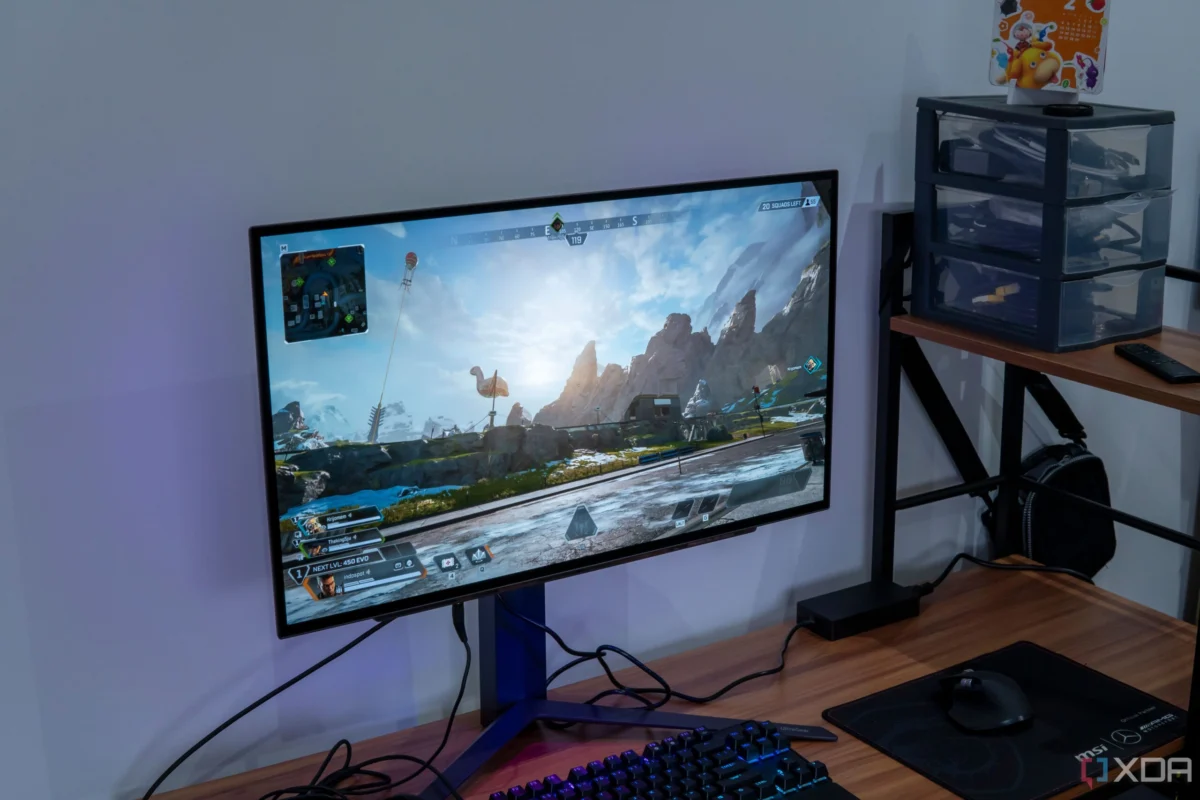
For over a decade, Variable Refresh Rate (VRR) technologies—marketed primarily as Nvidia G-Sync and AMD FreeSync—have been heralded as the holy grail of display technology. They promised to bridge the gap between GPU output and monitor refresh rates, effectively eliminating screen tearing and stutter without the massive input lag penalty associated with traditional V-Sync. For most gamers, enabling G-Sync or FreeSync is the first thing they do when unboxing a new high-end gaming monitor.
However, as monitor technology enters the era of ultra-high refresh rates, a counter-movement is emerging among competitive gamers. The question is no longer "should I use VRR," but rather, "does VRR actually hinder my performance at 360Hz?"
The Evolution of the Refresh Rate Debate
To understand this shift, one must look at the trajectory of gaming display standards. In the early 2010s, 60Hz was the standard, and screen tearing was a constant, distracting reality. When G-Sync debuted, it was a revelation. It allowed the monitor to wait for the GPU to finish a frame before refreshing, creating a perfectly fluid visual experience.
As monitors evolved into the 144Hz, 240Hz, and now 360Hz+ tiers, the necessity of VRR has become a subject of intense debate. High-refresh-rate panels update the screen so rapidly that the visual impact of a single torn frame is drastically reduced, often lasting for only a fraction of a millisecond before the next refresh cycle clears it.
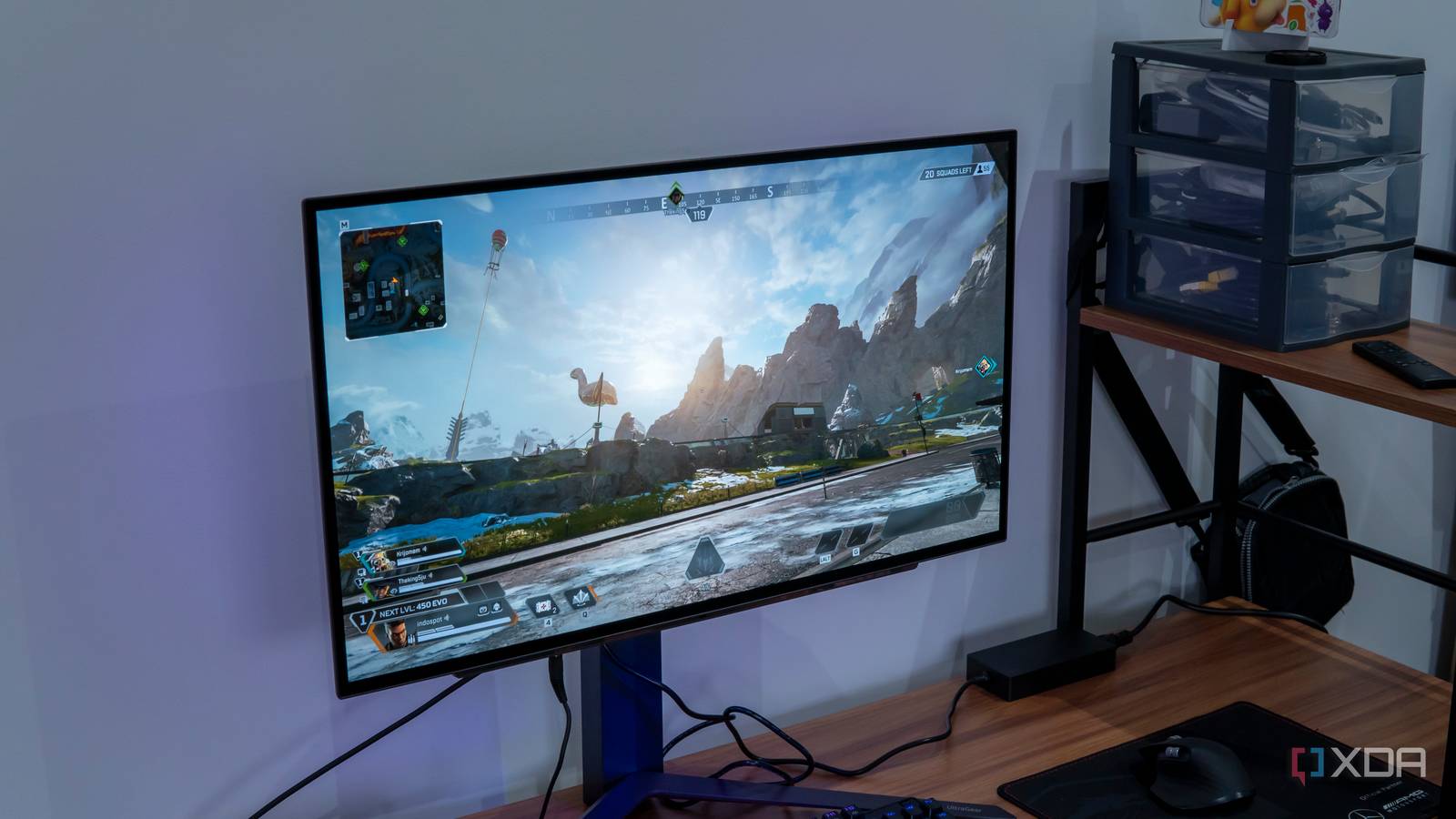
Chronology of a Performance Shift: Testing the Limits
The shift away from VRR in competitive circles didn’t happen overnight. It followed the rapid adoption of OLED and high-speed IPS panels capable of 360Hz and beyond.
- 2017–2020 (The Era of Necessity): VRR was considered mandatory. Monitors with refresh rates of 144Hz still suffered from noticeable stutter if the frame rate dropped below the refresh ceiling.
- 2021–2023 (The High-Refresh Transition): As 240Hz monitors became accessible, competitive players began to realize that the visual benefits of VRR were becoming less apparent in fast-motion scenarios.
- 2024–2026 (The 360Hz+ Threshold): With the introduction of monitors like the Alienware AW2725DF, the industry hit a performance ceiling where the physical constraints of the display are so fast that the "tearing" is effectively rendered invisible to the human eye.
In my own testing over the past week, I moved from a standard "always-on" VRR configuration to a raw, uncapped frame rate environment on a 360Hz Alienware display. The objective was simple: identify if the perceived latency—the "heavy" feeling that sometimes accompanies G-Sync—was a measurable reality or merely a placebo.
Supporting Data: Latency vs. Synchronization
The core argument against VRR in competitive gaming is the introduction of subtle, yet measurable, input latency. While modern implementations of G-Sync (especially G-Sync Ultimate or modules) are incredibly efficient, they are not zero-latency.
The Math of Input Lag
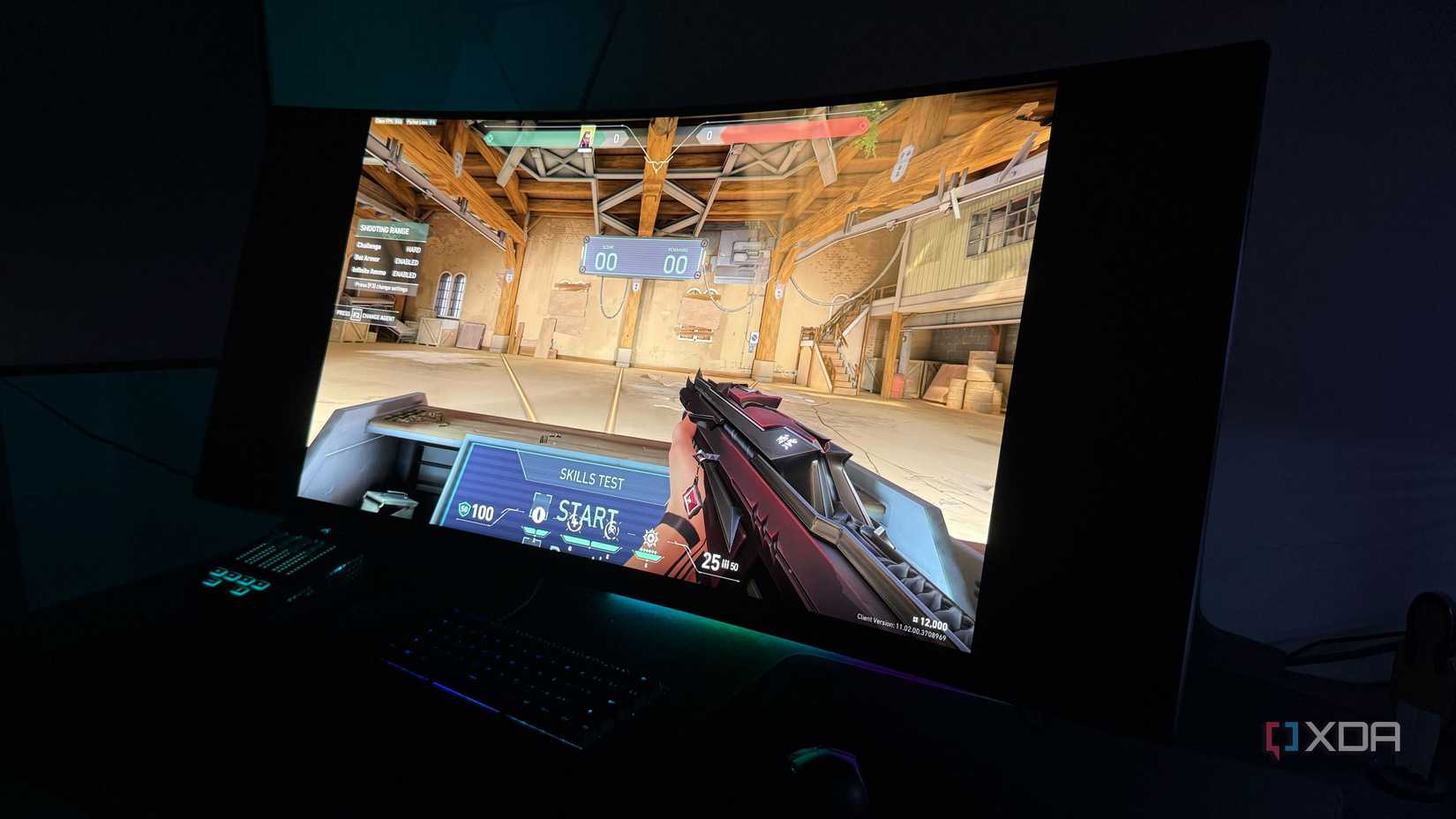
When a monitor is synced to a variable frame rate, the display controller must hold the frame for a few milliseconds to ensure the GPU is ready. In high-stakes competitive shooters like Valorant or Counter-Strike 2, where professional players are constantly upgrading to 8,000Hz polling-rate mice and Hall-effect switches to save 1–2ms of latency, the "sync tax" of VRR begins to look like an unnecessary burden.

The Frame Cap Compromise
For G-Sync to operate within its optimal window, many users cap their frame rates slightly below the monitor’s refresh rate (e.g., capping at 342 FPS on a 360Hz monitor). This ensures that the monitor never hits the "ceiling," which would trigger a fallback to V-Sync and cause a significant input lag spike. While this is a smart optimization, it forces the user to throttle their hardware. For those chasing every frame, the idea of limiting performance to accommodate a sync feature feels counterintuitive.
Implications for the Competitive Ecosystem
If the competitive community moves toward disabling VRR, the implications for monitor manufacturers and GPU vendors are significant.
The Death of "Sync-First" Marketing
For years, "G-Sync Compatible" has been a badge of honor for monitors. If the top-tier competitive market decides that VRR is a "nice-to-have" rather than a requirement, the industry may see a shift in focus toward Motion Blur Reduction (MBR) technologies, such as backlight strobing (ULMB). Unlike VRR, which prioritizes visual consistency, technologies like ULMB prioritize motion clarity, which is currently the higher priority for competitive players.
Hardware Stress and Thermal Management
By disabling VRR and allowing games to run at maximum, uncapped frame rates, users are putting more demand on their GPUs. This leads to higher thermal outputs and increased power consumption. Manufacturers may need to pivot their marketing to emphasize raw thermal efficiency and sustained high-clock speeds, rather than just synchronization capabilities.
Is VRR Obsolete? The User Perspective
It is critical to distinguish between competitive gaming and general gaming. The argument against VRR is highly specific to fast-paced, low-fidelity shooters.
For the average consumer playing AAA titles like Cyberpunk 2077 or Assassin’s Creed, VRR remains the single most important feature a monitor can have. In these titles, frame rates are often volatile, fluctuating between 60 and 120 FPS. Without VRR, the screen tearing and micro-stutter would be visually jarring and physically uncomfortable.
However, the experience of a competitive player is different. In the case of my own transition, the anecdotal evidence was stark: after disabling VRR, the "responsiveness" of the system felt more immediate. My performance in Valorant improved as I became more in tune with the raw, uncapped input. While this might be attributed to the placebo effect, the consistency of the feel was enough to convince me that for my specific use case, the benefits of synchronization were outweighed by the desire for raw, uninterrupted throughput.
Expert Consensus and Official Responses
Industry experts have long noted that G-Sync and FreeSync are not "free" performance features. Nvidia, for instance, has invested heavily in "Nvidia Reflex," a suite of technologies designed to reduce latency. Interestingly, when using Nvidia Reflex, the software often manages frame delivery in a way that minimizes the need for traditional G-Sync, effectively trying to achieve the low-latency goal that competitive gamers are now seeking by turning off VRR entirely.
Many professional players and hardware reviewers have started echoing these sentiments. The general consensus is moving toward:
- Low-latency mode over Sync-mode: If the game supports low-latency frame pacing, use it.
- Refresh rate is king: If you have 360Hz+, you have already solved the "tearing" problem physically.
- VRR for immersion, Off for precision: Keep the settings flexible based on the genre of the game.
Conclusion: A New Philosophy of Gaming
We are witnessing a maturation of the gaming display market. We have moved past the point where a single technology—VRR—is the universal answer to display quality. Instead, we are entering a phase of nuance, where competitive players are intentionally disabling "quality of life" features to gain a marginal advantage.
While VRR will remain the gold standard for the vast majority of PC gamers who prioritize fluid, tear-free visuals in cinematic gaming, the competitive elite have clearly signaled that their priorities lie elsewhere. When your reaction time is measured in milliseconds, and your monitor refreshes 360 times per second, the "crutch" of synchronization is no longer necessary. For the serious competitor, the raw, unfiltered, and uncapped connection between their hardware and the screen is the only path to the top of the leaderboard.










No comments yet. Be the first to join the conversation!