

Warning: This article contains major spoilers for the theatrical release "The Mandalorian and Grogu."
The return of Star Wars to the silver screen is a momentous occasion, marking a seven-year hiatus since the franchise last graced cinema halls. With the release of The Mandalorian and Grogu, director Jon Favreau has successfully bridged the gap between the intimate, serialized storytelling of Disney+ and the grand, high-stakes spectacle required for a theatrical blockbuster. At the heart of this cinematic event is the dynamic duo of Din Djarin, portrayed by Pedro Pascal, and the Force-sensitive foundling, Grogu. However, every hero requires a compelling foil, and in this film, the primary antagonist—Lord Janu—has sparked significant discussion among the fanbase. While he may appear as a subtle, unassuming threat initially, his presence is the linchpin of the film’s narrative.
The Narrative Core: Unmasking Lord Janu
The Mandalorian and Grogu picks up the mantle following the turbulent events of The Mandalorian Season 3. With the Empire effectively dismantled and the galaxy struggling to find its footing under the nascent New Republic, the power vacuum has been filled by a collection of opportunistic warlords and remnants of the Imperial machine. It is into this precarious environment that Din Djarin is thrust, commissioned by the New Republic to stabilize sectors where Imperial holdouts continue to operate.
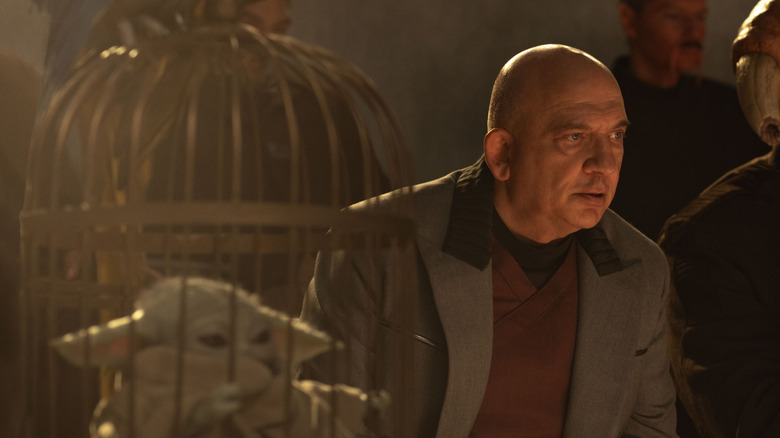
Lord Janu, portrayed with icy precision by character actor Jonny Coyne, serves as the catalyst for the film’s central conflict. On the surface, Janu presents himself as a minor power player on a peripheral world, overseeing a gritty, illicit operation centered around high-stakes arena combat and the lucrative salt trade. To the casual observer, Janu lacks the overwhelming, dark-side aura of a Darth Vader or the political machinations of a Palpatine. Yet, it is precisely this "everyman" quality that makes him dangerous. He operates in the shadows of the galaxy’s lawless fringes, where the reach of the New Republic is thin and the memory of the Empire’s iron fist remains a potent tool of fear.
As the plot progresses, it becomes clear that Janu’s criminal empire is merely a front. He is a true believer in the Imperial cause, utilizing his resources to gather intelligence and coordinate a resurgence of loyalist forces. By the time the film reaches its third act, the true scale of his threat—and his connection to the broader Imperial remnants—is fully realized, forcing Mando to escalate his approach from a simple recovery mission to a desperate fight for the future of the sector.
A Chronological Perspective: From Shadow Council to Screen Star
For many viewers, the name "Janu" might have seemed new, but the face was unmistakably familiar. The character’s introduction in the film is not a true introduction, but rather a payoff for a long-form storytelling strategy employed by Jon Favreau and Dave Filoni.
The Origins of the Shadow Council
In The Mandalorian Season 3, Chapter 23, "The Spies," viewers were introduced to the "Shadow Council"—a clandestine group of Imperial officers and warlords attempting to organize the scattered remains of the Empire. During this sequence, a series of holographic projections revealed various leaders working in tandem to support Moff Gideon’s plans. Jonny Coyne’s character was present in that room, though he remained unnamed and largely overlooked as the focus shifted to the terrifying, armored visage of Giancarlo Esposito’s Gideon.
By placing a character in a background role during a television season and then elevating him to the primary antagonist of a feature film, the creative team has deepened the lore of the post-Empire era. This narrative structure rewards the "eagle-eyed" viewer who keeps track of the minutiae of the Star Wars timeline. It suggests that the threat Mando faces is not an isolated incident but part of a larger, coordinated effort that has been brewing since the fall of Mandalore.
The Trajectory of the Conflict
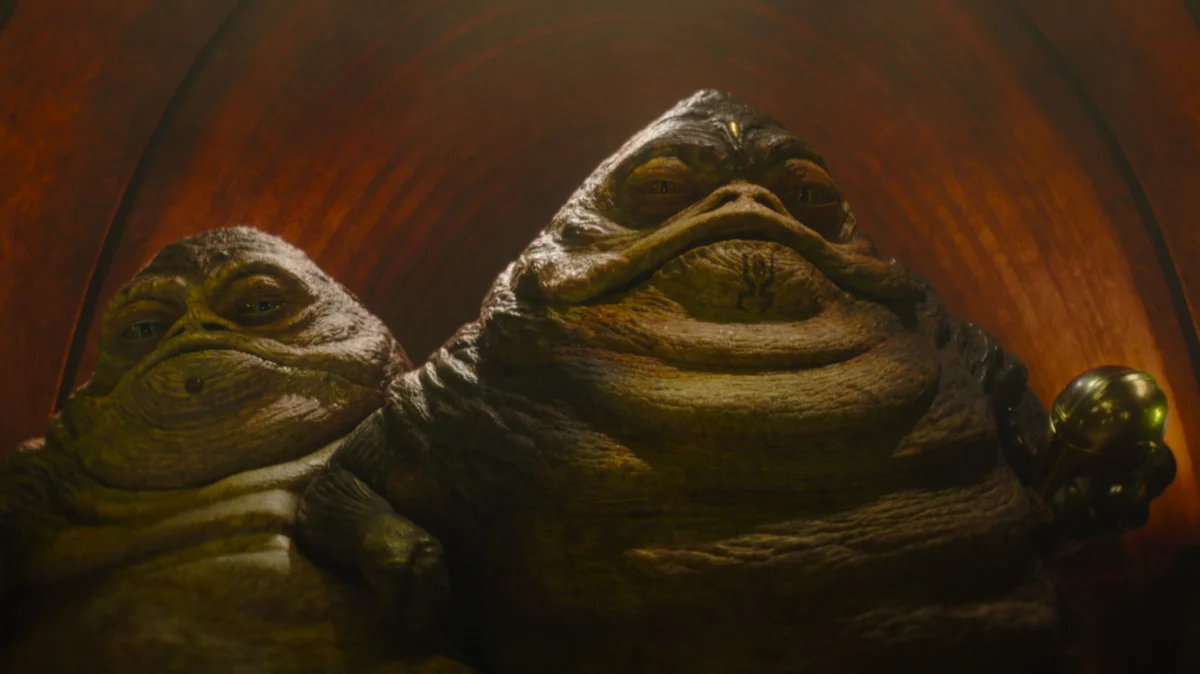
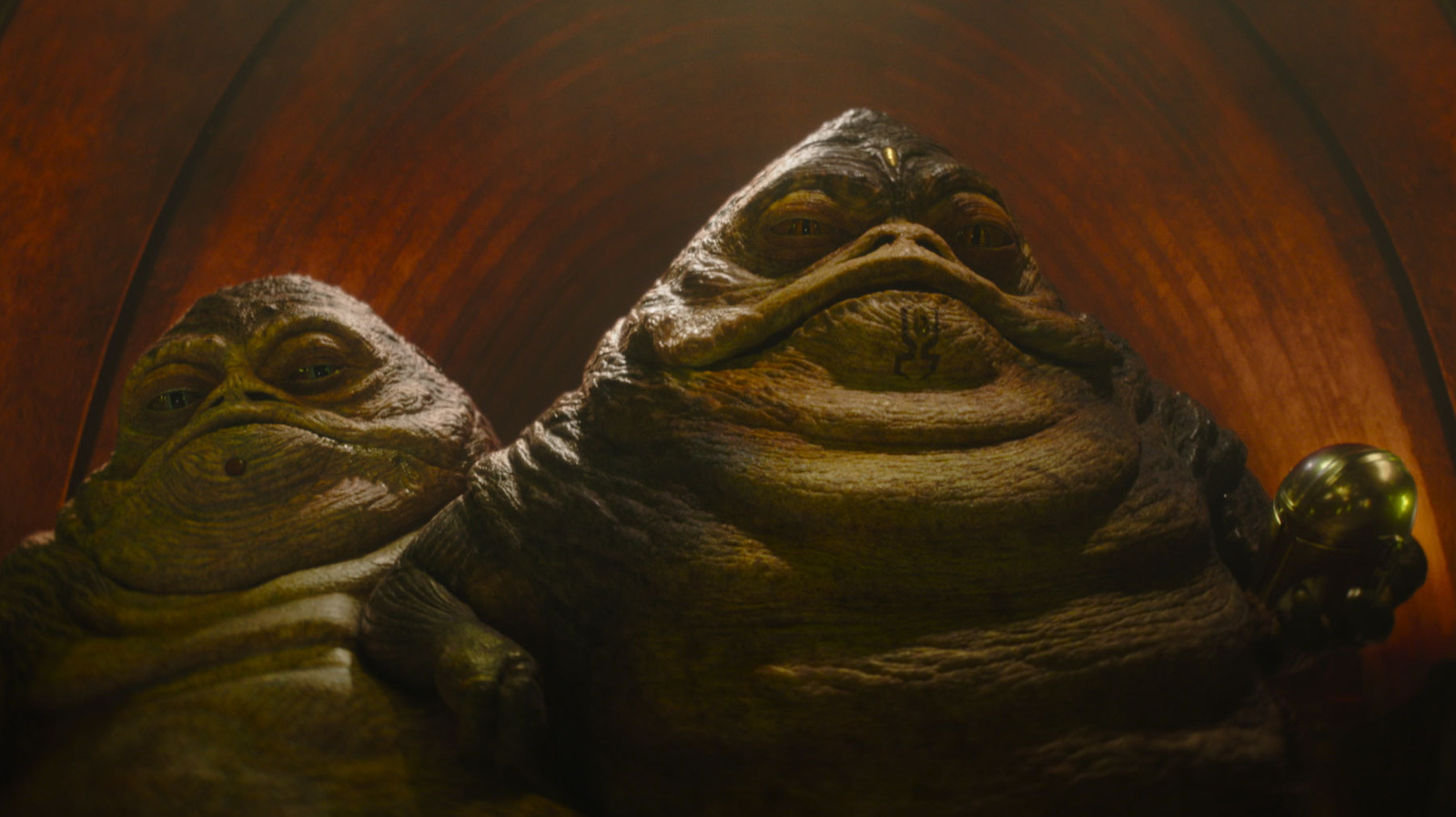
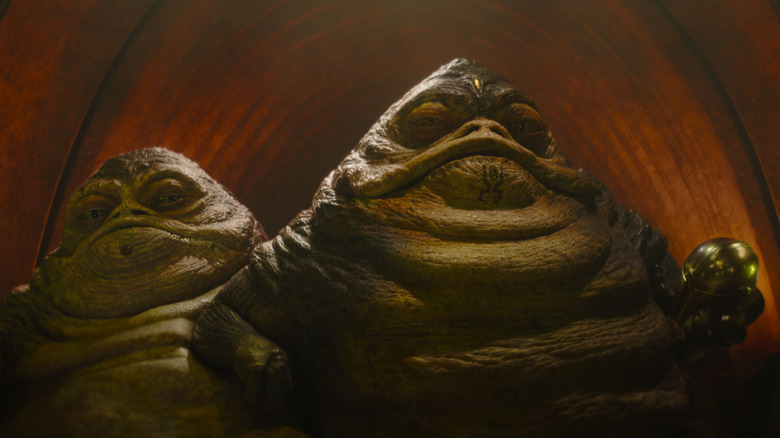
The film’s timeline places these events shortly after the liberation of Mandalore. The New Republic, overwhelmed by bureaucracy and internal divisions, is forced to outsource the "dirty work" of hunting remnants to independent contractors like Djarin. When Mando arrives on the scene to retrieve Rotta the Hutt—a character brought to life with impressive gravitas by Jeremy Allen White—he expects a standard bounty hunt. Instead, he finds himself ensnared in Janu’s web. The shift from a hunt for a kidnapped Huttlet to an uncover mission involving a high-ranking Imperial strategist highlights the evolution of Din Djarin’s role from a simple bounty hunter to a reluctant agent of galactic peace.
Supporting Data: The Craft Behind the Character
The effectiveness of Lord Janu as a villain is largely due to the performance of Jonny Coyne. In the landscape of modern blockbusters, where villains are often CGI-heavy monsters or masked enigmas, Coyne brings a grounded, bureaucratic menace to the role.
The Professionalism of Jonny Coyne
Coyne is a veteran of the screen, possessing an expansive resume that spans three decades. His career has seen him transition seamlessly between genres, from historical dramas to science fiction. His portrayal of Warden Edwin James in J.J. Abrams’ Alcatraz remains a masterclass in playing a character who is simultaneously authoritarian and deeply insecure—a trait he brings to Lord Janu.
His filmography includes:
- Television: The Blacklist, 11.22.63, Salem, Turn: Washington’s Spies, and Preacher.
- Film: Lara Croft: Tomb Raider – The Cradle of Life, Gangster Squad, The Hangover Part II, Nightcrawler, and the recent The Toxic Avenger reboot.
This extensive experience in playing supporting roles has honed his ability to make a character feel "lived in." When Janu speaks, he carries the weight of a man who has spent years in the dark corners of the galaxy, waiting for his moment to strike. Unlike the grandiosity of the Sith, Coyne’s performance captures the banality of evil—the idea that the most dangerous threats are not always those wielding lightsabers, but those wielding supply chains, information, and political connections.
Official Responses and Creative Direction
In recent promotional interviews, Jon Favreau has addressed the decision to utilize established, yet underused, characters to anchor the transition from streaming to film. Favreau emphasized that the goal was to make the film feel like a "natural evolution" of the series rather than a jarring shift. By pulling threads from the Shadow Council, the production team ensured that the continuity of the Star Wars universe felt intact.
"We didn’t want to reinvent the wheel," Favreau noted during a press junket. "The galaxy is a big place, but it’s also a connected one. Using a character like Janu allows us to show that the Empire didn’t just vanish; it metastasized into different forms, from crime syndicates to shadow governments. Jonny brought a level of intensity to that role that we couldn’t have anticipated, making him the perfect anchor for this story."
The inclusion of Rotta the Hutt also serves as a bridge, linking the legacy of The Clone Wars to the contemporary era of The Mandalorian. The collaboration between the production team and the creative leads at Lucasfilm has been lauded for maintaining a consistent tone, ensuring that the stakes in The Mandalorian and Grogu feel as consequential as the fall of the Death Star.
Implications: The Future of the Mando-Verse
The emergence of Lord Janu as a major player has significant implications for the future of the Star Wars galaxy.
The Persistence of Imperial Remnants
The fact that Janu, a previously minor background character, was able to orchestrate such a sophisticated operation suggests that the "Imperial Remnant" is far more organized than the New Republic initially believed. This sets a bleak tone for the future, hinting that the path to the First Order—as seen in the sequel trilogy—will be fraught with smaller, more localized conflicts that threaten the stability of the galaxy.
The Evolution of Din Djarin
For Din Djarin, the victory over Janu is a pyrrhic one. He has successfully defended his son and completed his mission, but he has also become a marked man. By dismantling a key node in the Imperial network, he has drawn the ire of higher-ranking Imperial loyalists who remain in hiding. The film leaves the audience with the understanding that Mando’s journey is far from over. He is no longer just a protector of Grogu; he is a beacon for those who oppose the return of tyranny.
Impact on the Convention Circuit and Fandom
It is a time-honored tradition for Star Wars actors to find new life on the convention circuit. Following the release of the film, Jonny Coyne has been welcomed into the fold of the Star Wars family. The "Janu" character is already proving popular with collectors and fans of the deep-cut lore, signaling that his impact on the franchise will likely extend well beyond the runtime of the movie.
Conclusion
The Mandalorian and Grogu succeeds because it understands that the Star Wars universe is strongest when it balances epic stakes with personal, character-driven storytelling. Lord Janu is the perfect embodiment of this philosophy: a character birthed in the background of a television show who, through a nuanced performance and careful narrative integration, becomes the engine of a theatrical blockbuster. As the galaxy continues to evolve in the wake of the Empire, the story of Din Djarin and his son serves as a vital reminder that even in the darkest corners, the light of the Mandalorians continues to burn bright.
Whether we will see more of Janu’s machinations or if his defeat marks the final end of his specific cell remains to be seen. However, one thing is certain: the Star Wars galaxy is a more dangerous, and more fascinating, place for his inclusion.









No comments yet. Be the first to join the conversation!