Nana Wu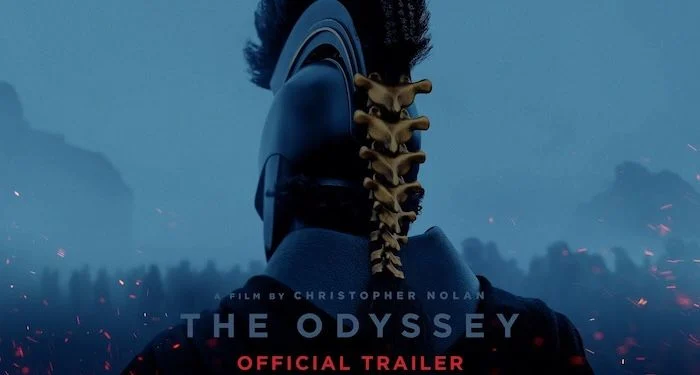
The literary world is currently navigating a period of significant transition. From the ethical quagmires surrounding artificial intelligence in publishing to the cultural debates ignited by high-profile film casting, the industry is grappling with how to balance modern technological integration with traditional human-centric values. Simultaneously, the television landscape is shifting, leaving the publishing industry to mourn the loss of one of its most potent marketing engines.
The AI Dilemma: Barnes & Noble Clarifies Its Stance
The intersection of generative AI and the book trade has become a lightning rod for controversy. Earlier this week, James Daunt, CEO of Barnes & Noble, found himself at the center of a firestorm following remarks that suggested he was indifferent toward the sale of AI-generated literature. The backlash was swift, reflecting a broader public anxiety regarding the encroachment of machine-generated content into creative spaces.
Official Response and Clarification
In a subsequent statement issued to Publishers Weekly, Daunt moved to temper the criticism, providing a more granular explanation of the retailer’s operational philosophy. "We do not endorse or intentionally sell AI-generated books," Daunt asserted. He further outlined that the company employs "active measures" to exclude such titles from their digital storefronts and does not knowingly acquire them for physical inventory.
However, Daunt’s clarification included a nuanced caveat: the company would remain open to stocking AI-generated content if there were "clear demand," provided the materials were transparently labeled and distributed through "reputable publishers." This attempt at pragmatism has sparked further debate, with critics noting that equating the refusal to stock machine-generated content with "book banning"—as Daunt did—is a false equivalence that diminishes the gravity of actual censorship.
The Broader Implications of AI in Publishing
The retail industry is increasingly recognizing that consumer sentiment toward AI is trending negatively. Recent polling data from NBC News indicates that a significant majority of voters believe the risks of artificial intelligence outweigh the benefits. For the publishing sector, this is a vital signal; readers, by and large, view books as a quintessentially human medium. Associating a brand with AI-generated content risks alienating a core demographic that values the emotional labor and unique perspective inherent in human authorship.
Casting and Controversy: Lupita Nyong’o’s Helen of Troy
The cultural conversation regarding representation in the arts has been reignited by the casting of Academy Award-winner Lupita Nyong’o as Helen of Troy in Christopher Nolan’s upcoming cinematic interpretation of The Odyssey.
The Anatomy of the Backlash
The announcement was met with a chorus of racially charged criticism on social media, most notably from public figures such as Matt Walsh and Elon Musk. Walsh questioned the casting by stating, "Not one person on the planet actually thinks that Lupita Nyong’o is ‘the most beautiful woman in the world.’" He further characterized Nolan as a "coward" for ostensibly fearing accusations of racism. Musk publicly affirmed this sentiment, further amplifying the discourse.
Nyong’o’s Measured Response
In an extensive interview with Elle, Nyong’o addressed the situation with poise and intellectual rigor. "Our cast is representative of the world," she noted, dismissing the need for a defensive posture. "I’m not spending my time thinking of a defense. The criticism will exist whether I engage with it or not."
Beyond the noise, Nyong’o is focusing on the thematic depth of the character. She is actively working to deconstruct the "face that launched a thousand ships" archetype, searching for the humanity beneath the mythic status. "You can’t perform beauty," she remarked. "I want to know who a character is. What is beyond beauty? What is beyond looks?"
Contextualizing the Criticism
The backlash ignores both the historical fluidity of mythological characters and the objective record. Nyong’o has been consistently recognized for her beauty and influence, including being named "Most Beautiful Woman" by People magazine. The intensity of the reaction underscores a broader, ongoing struggle within entertainment and literature regarding who is allowed to inhabit iconic roles—a struggle that appears increasingly detached from the artistic merit of the performers involved.
The Sunset of the "Colbert Bump"
For nearly two decades, the book industry has relied on a unique phenomenon known as the "Colbert Bump." Following the final episode of The Late Show, the literary world is reflecting on what the loss of Stephen Colbert’s platform means for author discoverability and sales.
The Legacy of a Literary Booster
Throughout his tenure on The Colbert Report and The Late Show, Colbert interviewed over 100 authors. His influence was unparalleled; a segment on his show could propel a niche or unknown title into the stratosphere of the bestseller lists. Unlike many television hosts who approach literary segments as a formality, Colbert engaged with books with the depth of a genuine reader.
Julia Prosser, VP and director of publicity at Simon & Schuster, captured the industry’s sentiment: "The loss of The Late Show is a loss for books. Stephen is a reader and champion of writers! That was clear from the range of authors he spoke with and, most recently, from hosting his own book club."
A New Chapter for Colbert
While the "Colbert Bump" may be coming to an end, Colbert is not abandoning the literary world. His next venture is arguably his most ambitious yet: a screen adaptation of J.R.R. Tolkien’s The Lord of the Rings, which he is co-writing with his son. This transition from literary advocate to creative architect represents a natural evolution for a figure whose career has been defined by a deep reverence for the written word.
Pride Month 2026: The Rise of Queer Horror
As we approach June, the publishing industry is preparing for a significant influx of queer horror titles. The genre has seen a massive surge in popularity, driven by authors who are using the tropes of horror—fear, alienation, and the "other"—to explore the LGBTQ+ experience.
A Genre in Bloom
Queer horror is no longer a niche subgenre; it is becoming a cornerstone of Pride Month literary celebrations. This year’s list of releases features a diverse array of voices tackling everything from supernatural thrillers to psychological dramas. Industry analysts suggest that this trend is not merely seasonal but reflective of a growing demand for stories that center queer protagonists in complex, high-stakes narratives.
What to Expect
Readers can look forward to a robust schedule of releases, with several marquee titles hitting shelves at the start of June. For those interested in the evolving landscape of horror, industry trackers and literary journals are providing extensive resources to navigate the new releases. The proliferation of these works underscores the industry’s ongoing commitment to broadening the scope of its offerings, ensuring that the "literary landscape" remains a reflection of the diverse world it serves.
Conclusion
The current state of the literary world is a tapestry of conflicting forces. We are seeing the industry push back against the automation of creativity, defend the necessity of diverse representation in storytelling, and mourn the loss of traditional gateways to commercial success. Through it all, the enduring power of the human voice—whether in a historical epic, a modern horror novel, or a candid interview—remains the industry’s most valuable asset. As we move into the latter half of 2026, these developments will continue to shape how we consume, discuss, and value the written word.

 Layla Zulfa
 Sagoh
Sagoh