

The gaming industry is currently grappling with a fundamental identity crisis. As production costs for "blockbuster" titles skyrocket into the hundreds of millions of dollars and development cycles stretch toward the better part of a decade, the definition of success has become increasingly opaque. At the center of this discourse is a stark comparison between industry behemoths like Ubisoft and leaner, specialized entities like Warhorse Studios.
Following a tumultuous year for Ubisoft, characterized by massive layoffs, project cancellations, and a strategic pivot, industry observers are questioning whether the traditional "mega-studio" model is still viable in an era of tightening budgets and shifting consumer appetites.
The State of the Industry: A "Major Reset" at Ubisoft
In early 2024, Ubisoft initiated what leadership described as a "major reset." This corporate restructuring resulted in the reduction of its global workforce by approximately 1,200 employees, the cancellation of six high-profile projects—including a much-anticipated Prince of Persia remake—and the shuttering of several international satellite studios.
Despite these drastic measures, Ubisoft remains a titan of the industry. With a global network spanning dozens of studios, the company still employs roughly 16,500 people. This sprawling infrastructure is designed to maintain a constant cadence of releases, including tentpole franchises like Assassin’s Creed, Far Cry, and Ghost Recon. However, the sheer scale of the organization has become a focal point of criticism, with analysts and industry figures questioning if the company’s output justifies its massive operational overhead.
The Warhorse Model: Small Teams, High Impact
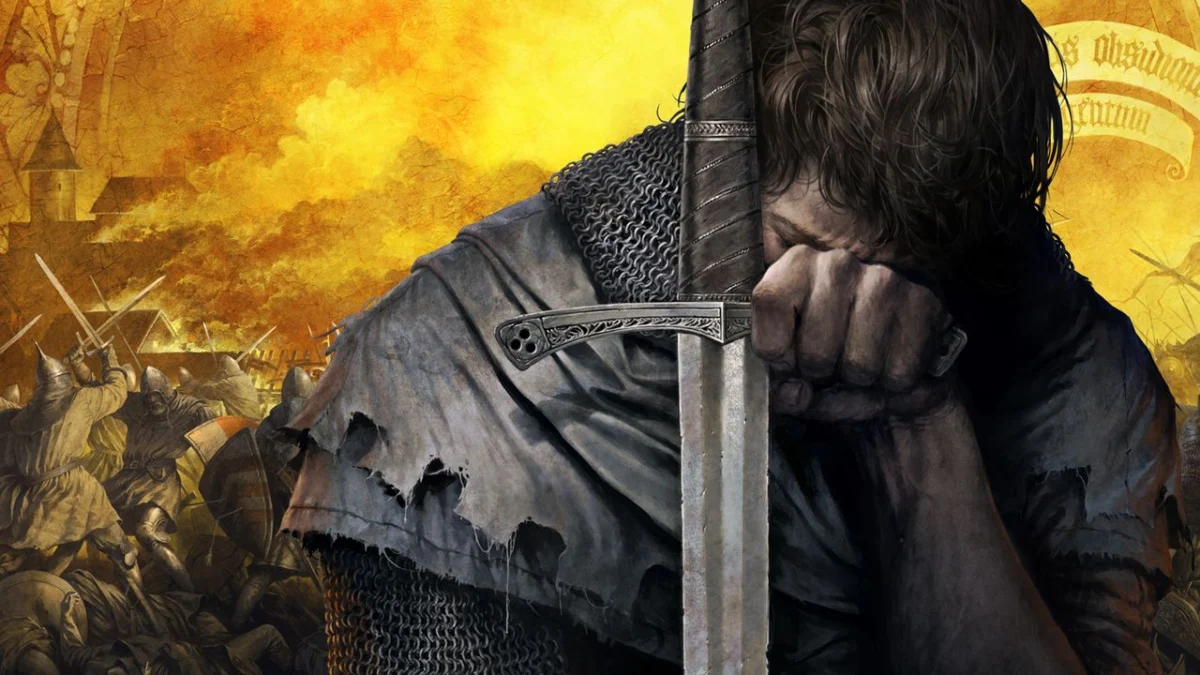
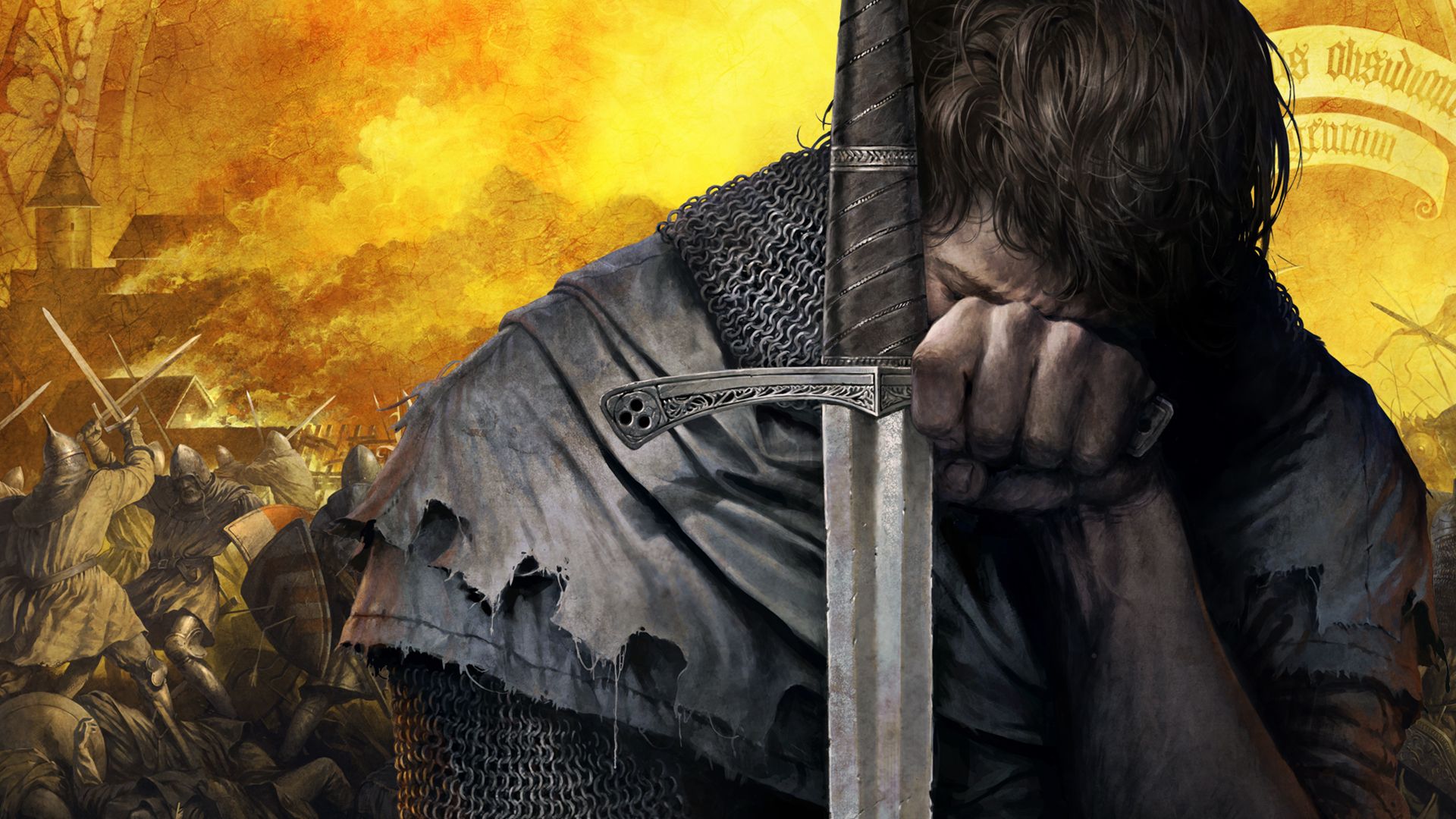
Contrast this with Warhorse Studios, the Czech developer responsible for the critically acclaimed Kingdom Come: Deliverance. Operating out of two primary offices in the Czech Republic, Warhorse manages to produce industry-leading RPG experiences with a headcount of roughly 240 employees.
The studio has successfully positioned itself as a powerhouse of the AA-to-AAA space, delivering a 2025 Game of the Year contender in Kingdom Come: Deliverance 2. Their roadmap is equally ambitious, with plans for a follow-up installment as early as 2027 and a foray into the Lord of the Rings universe with an open-world RPG.
The disparity is glaring: Warhorse delivers highly immersive, narrative-driven epics with a staff that would barely constitute a single department within a Ubisoft division. This efficiency has sparked a heated debate regarding whether massive corporate structures are actually hindering, rather than helping, the creative process.
Daniel Vávra and the Critique of Corporate Bloat
Daniel Vávra, the co-founder of Warhorse and a prominent figure in the development of the Kingdom Come series, recently took to social media to highlight this inefficiency. In a biting commentary following news of Ubisoft’s financial losses, Vávra challenged the industry status quo.
"Ubisoft has 16,600 employees after layoffs. Ooops," Vávra stated on X (formerly Twitter). "That’s about 70 Warhorse-sized studios. That could be 10 KCD2-sized games, each developed for 7 years, released every year!"
Vávra’s math, while clearly intended to provoke, serves as a poignant critique of how "bloated" modern publishing houses have become. His argument suggests that when a company grows beyond a certain point, the administrative and bureaucratic layers required to manage thousands of people begin to cannibalize the resources that should be allocated to actual game development.
A History of Provocation and Innovation
Vávra is no stranger to controversy. Throughout his career, he has been a polarizing figure, known for his outspoken views on industry trends—including the rise of "woke" design philosophies, the ethical implications of AI in game development, and even his historical disdain for established RPGs like The Elder Scrolls: Skyrim.
His professional journey has been marked by a willingness to challenge established norms. After years of spearheading the creative direction for the Kingdom Come franchise, Vávra recently stepped down from his role as creative director to focus on a live-action adaptation of the series—a project that has been in development limbo for nearly six years.
His current critique of Ubisoft, however, feels less like a personal vendetta and more like a warning to the industry at large. When a smaller studio can compete on a technical and narrative level with a global giant, it exposes a vulnerability in the business models of companies like Ubisoft, EA, and Activision Blizzard.
Chronology of the Crisis
- 2018: Kingdom Come: Deliverance is released, proving that a mid-sized studio can produce a massive, open-world historical RPG that resonates with millions of players.
- 2020–2023: Ubisoft experiences a period of intense scrutiny, facing internal cultural allegations and a series of delays for major projects like Skull and Bones.
- Early 2024: Ubisoft officially announces its "major reset," confirming the layoff of 1,200 staff members and the cancellation of multiple titles.
- Mid-2025: Kingdom Come: Deliverance 2 launches to widespread critical acclaim, cementing Warhorse Studios as a top-tier developer.
- May 2026: Following reports of persistent financial instability at Ubisoft, Daniel Vávra publishes his comparison of staff-to-output ratios, igniting a broader conversation about studio efficiency.
The Data: Resource Allocation and Output
To understand the friction between these two models, one must look at the cost-to-output ratio. Ubisoft’s recent releases, such as Assassin’s Creed Shadows, have been praised for their technical polish and expansive world-building. Yet, the cost of development for such titles has reached a point where even minor commercial underperformance can jeopardize the fiscal health of the entire company.
Conversely, Warhorse’s model relies on a singular, unified vision. By keeping the team size manageable, the studio avoids the "too many cooks" dilemma, allowing for a more cohesive creative direction.
| Metric | Ubisoft (Approx.) | Warhorse Studios |
|---|---|---|
| Global Workforce | 16,500+ | 240 |
| Annual Budget | Multi-Billion | Focused / AA+ |
| Studio Strategy | Global / Decentralized | Centralized / Local |
| Production Cycle | Frequent / Multi-studio | Focused / Single-team |
Implications for the Future of Gaming
The implication of this divide is significant. We are witnessing a bifurcation in the gaming industry. On one side, the "Mega-Publisher" model continues to lean into live-service games and annual releases to justify its massive workforce. On the other, smaller, more agile studios are proving that high-fidelity, single-player experiences do not require a small city’s worth of employees to produce.
The Rise of AI and Automation
Vávra has also been vocal about the role of AI, suggesting that if generative tools can help a smaller team create an epic game in a year—similar to the development standards of the 1990s and early 2000s—it could lead to the "demise of most big publishers." If the barrier to entry for high-quality production continues to lower, the necessity for 16,000-person organizations becomes harder to justify to shareholders.
The Quest for Quality over Quantity
Ubisoft has publicly stated that it aims to return to "higher quality standards" and focus on its core pillars: Assassin’s Creed, Far Cry, and Ghost Recon. However, this strategy risks stagnation. By focusing on established IP, these companies may find themselves trapped in a cycle of diminishing returns, where the cost of innovation is simply too high to risk.
Conclusion: A Turning Point
The critique leveled by Daniel Vávra is a symptom of a larger, systemic shift. As the industry moves forward, the success of studios like Warhorse serves as a beacon for what is possible when development is focused, lean, and driven by a singular creative mandate.
Whether Ubisoft can course-correct and regain its footing remains to be seen. What is clear, however, is that the era of "bigger is better" is under fire. In a market where players are increasingly discerning about where they spend their time and money, the efficiency of a 240-person team may well be the blueprint for the next decade of gaming excellence. The industry is watching, and for the giants of the past, the message is clear: adapt to a leaner, more focused future, or risk being outpaced by the very developers you once considered small.











No comments yet. Be the first to join the conversation!