

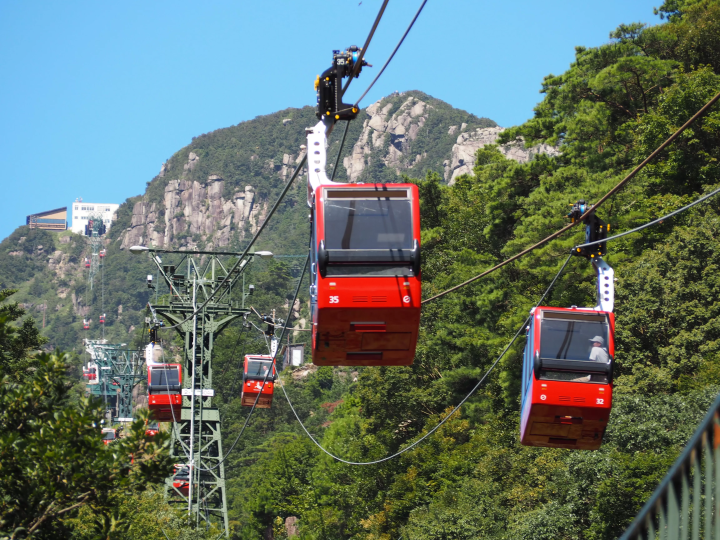
Mount Gozaisho stands as a sentinel over the Mie Prefecture, offering one of Japan’s most breathtaking panoramic vistas. During the winter months, the mountain transforms into a crystalline wonderland, attracting thousands of visitors eager to witness the "rime ice" (juhyo) that blankets the trees. At the heart of this experience is the Gozaisho Ropeway—an engineering marvel that serves as the gateway to the summit. Whether you are a photography enthusiast, a winter sports lover, or a traveler seeking a serene escape from the urban sprawl of Nagoya, navigating the route to this alpine sanctuary requires careful planning. This guide details the logistics, travel strategies, and essential information needed to ensure a seamless ascent to the Gozaisho summit.
Main Facts: The Gateway to the Skies
The Gozaisho Ropeway is distinguished as one of the largest ropeway systems in Japan. It connects the historic Yunoyama Onsen—a hot spring town dating back over a thousand years—to the summit of Mount Gozaisho, which sits at an elevation of 1,212 meters.
From the comfort of the gondola, passengers are treated to a 15-minute aerial journey that traverses dramatic granite cliffs and dense forests. On a clear day, the perspective is unparalleled: one can gaze out over the vast expanse of Ise Bay, the glittering urban skyline of Nagoya, and even the distant runways of Chubu Centrair International Airport. The recent addition of the COCORU Observation Terrace at the summit has further enhanced the experience, providing visitors with a modern, architectural space to observe the changing seasons, from vibrant autumnal colors to the stark, elegant whites of mid-winter.
The Chronology of Your Ascent: A Step-by-Step Travel Plan
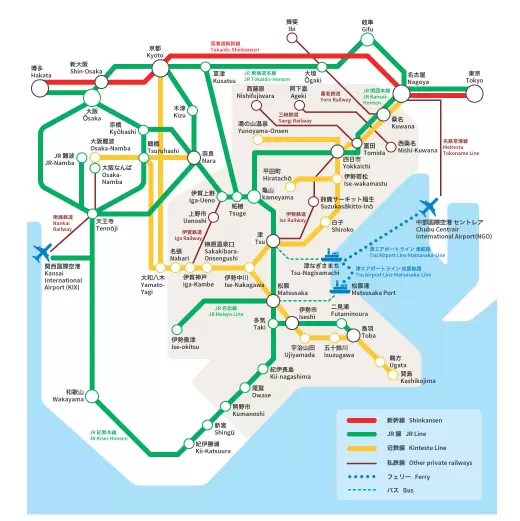
For travelers departing from the Aichi Prefecture, specifically the bustling hub of Kintetsu Nagoya Station, the journey is remarkably straightforward if one follows the correct sequence. The total transit time, excluding transfers and waiting periods, is approximately 70–80 minutes.
Phase 1: Nagoya to Yokkaichi
The journey begins at Kintetsu Nagoya Station. Passengers should board a train bound for Kintetsu Yokkaichi Station. While the Limited Express train is an option for those prioritizing speed, the standard Express train is highly recommended for the budget-conscious traveler. The express service requires no additional surcharge beyond the standard fare, yet it completes the journey in a swift 33 minutes, rivaling the limited express in efficiency.
Phase 2: The Transition to Yunoyama
Upon arrival at Kintetsu Yokkaichi Station, you must navigate to the Yunoyama Line. It is essential to note that the platforms for the Yunoyama Line are clearly marked as platforms 5 and 6. Once aboard the local train, the journey to the final stop—Yunoyama Onsen Station—takes approximately 26 minutes. This leg of the trip offers a scenic transition from the industrial landscape of Yokkaichi into the lush, mountainous foothills of the Suzuka Range.
Phase 3: The Final Ascent via Bus
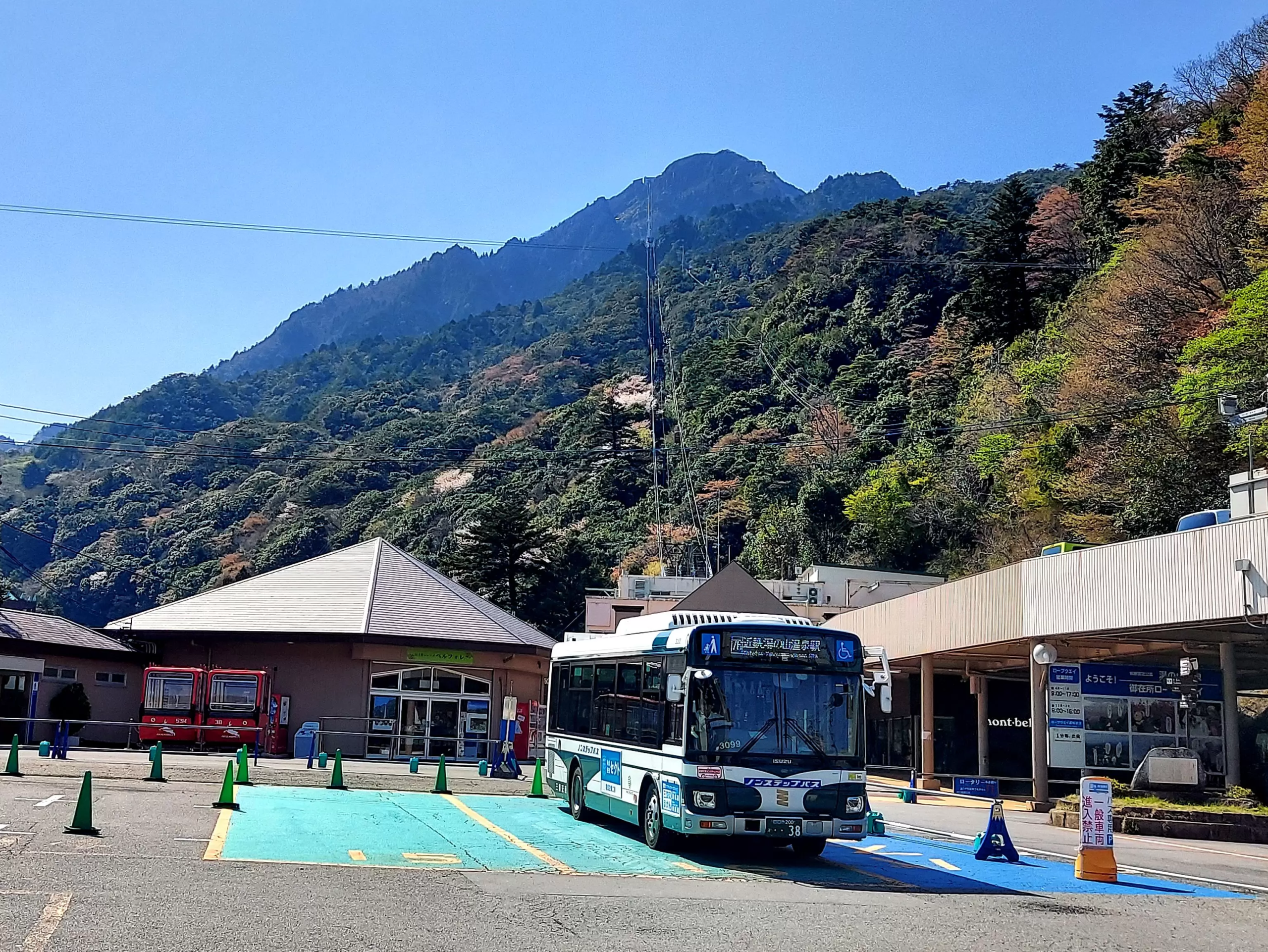
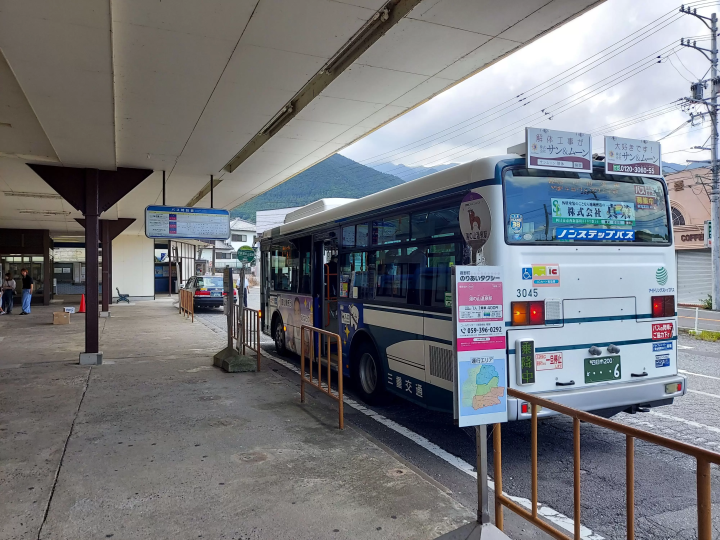
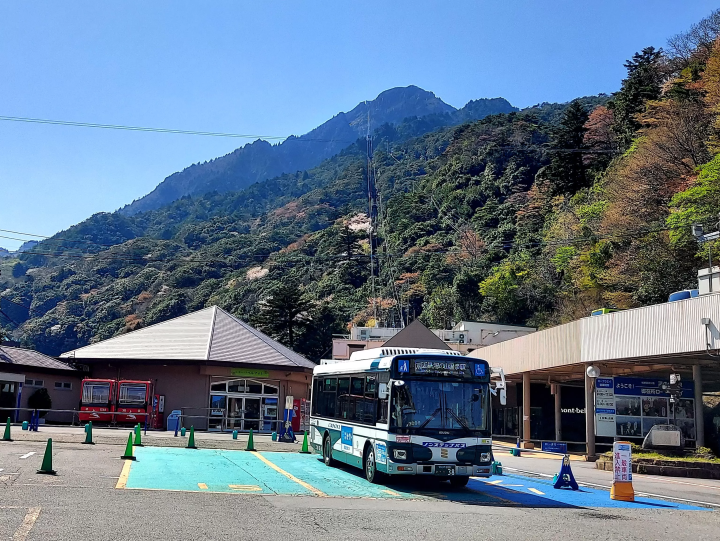
The final segment of the terrestrial journey requires a transfer to the Mie Kotsu bus. From Yunoyama Onsen Station, locate bus stop number 1. You will board a bus bound for "Yunoyama Onsen Gozaisho Ropeway." This final, ten-minute ride deposits you directly at the base of the ropeway station. The cost for this segment is 460 yen.
Supporting Data and Travel Optimization
To maximize both efficiency and financial savings, travelers should consider the Kintetsu Rail Pass. This pass is an invaluable tool for those planning to explore more of the Kintetsu network, providing discounted fares across various regions, including Nara, Osaka, and Mie.
Fare Breakdown (One-Way)
- Kintetsu Nagoya to Kintetsu Yokkaichi: Included in standard fare structure.
- Kintetsu Yokkaichi to Yunoyama Onsen: Included in standard fare structure.
- Total Base Fare: 1,030 yen (Adults), 520 yen (Children).
- Bus Fare (One-Way): 460 yen.
Note: Travelers should check the official Kintetsu and Mie Kotsu websites for real-time schedule adjustments, as seasonal demand can influence bus frequency.
Expert Tips for the Journey
- Prioritize Logistics: The 15-minute ropeway ride is the highlight of the trip, but it is a high-altitude experience. Ensure you use the restroom facilities at the base station before boarding, as there are no facilities once the ascent begins.
- Timing is Everything: During the winter, the ropeway can be subject to high winds. Always check the official Gozaisho Ropeway website before departing to ensure that operations are running on schedule.
- Dress for the Summit: The temperature at the summit is significantly lower than in the city. Even if it feels mild in Nagoya, the summit of Mount Gozaisho requires heavy winter gear, windproof layers, and sturdy footwear, particularly if you intend to explore the walking paths near the Observation Terrace.
Official Perspectives: The Role of the Mie Kotsu Group
The Mie Kotsu Group plays a pivotal role in the tourism infrastructure of the region. By integrating bus transportation with regional rail access, they have effectively bridged the gap between major urban centers like Nagoya and the natural wonders of the Suzuka mountains. Their mission, as stated by company representatives, is to provide a seamless travel experience that connects the spiritual heritage of the Ise Shrine with the natural biodiversity of Ise-Shima and the gastronomic prestige of Matsusaka beef. For the visitor, this means that the trip to the Gozaisho Ropeway is not merely a visit to a tourist spot, but part of a wider, well-oiled tourism ecosystem designed to showcase the best of the Mie Prefecture.
Implications for Future Tourism
The continued popularity of the Gozaisho Ropeway highlights a growing trend in domestic Japanese tourism: the desire for "nature-immersive" experiences that are accessible via public transport. As travel patterns shift away from purely urban sightseeing toward more localized, scenic exploration, the role of infrastructure—such as the Kintetsu rail lines and the Mie Kotsu bus network—becomes increasingly critical.
For the modern traveler, the Gozaisho Ropeway represents a perfect balance. It provides the thrill of an alpine environment without the requirement of advanced mountaineering skills or a private vehicle. As the facility continues to upgrade its amenities, such as the COCORU Observation Terrace, it signals a commitment to maintaining its status as a premier destination in central Japan.
Final Considerations
Before finalizing your itinerary, it is essential to remember that the information provided is based on current operational standards. Service schedules, ticket pricing, and specific bus routes are subject to change due to weather conditions, maintenance cycles, or seasonal demand. Travelers are strongly encouraged to verify their routes via the official websites of Kintetsu Railway and Mie Kotsu immediately prior to their departure.
The journey to the summit of Mount Gozaisho is more than just a commute; it is a transition from the modern world to the ancient silence of the mountains. Whether you are traveling in the peak of winter to see the frost-covered trees or in the autumn to witness the mountain ablaze with color, the ropeway provides a unique perspective that defines the beauty of the Mie region. Prepare well, respect the mountain’s changing climate, and enjoy the ascent.












No comments yet. Be the first to join the conversation!