Reynand Wu
In the modern digital economy, social media has transcended its origins as a mere broadcasting channel. It is now the primary theater for brand identity, customer acquisition, and real-time community engagement. However, as the digital landscape grows more crowded and algorithmic complexity deepens, the "one-person-show" model is increasingly hitting a ceiling.
For organizations aiming to thrive in 2026, building a winning social team is no longer just about hiring creative talent—it is about assembling a strategic powerhouse that balances human intuition with AI-driven operational efficiency. This guide explores the critical anatomy of a high-functioning social team, the indicators that signal a need for expansion, and the strategic framework for recruiting the specialists who will define your brand’s future.

The Strategic Shift: Why 2026 Hiring is Different
The fundamental change in social media hiring over the last year has been the integration of Artificial Intelligence. Today, a successful team is a hybrid force: humans provide the high-level strategy, creative voice, and emotional intelligence, while AI handles the heavy lifting of data synthesis, workflow automation, and content scheduling.
Whether you are a startup founder leaning on a single, AI-empowered manager or an enterprise leader coordinating a dozen specialists across global regions, the objective remains the same: scaling impact without sacrificing authenticity.

Chronology of Growth: Knowing When to Scale
There is no "perfect" moment to expand your headcount, but there are clear warning signs that your current strategy has outgrown your resources. Hiring should be a proactive response to performance data rather than a reactive fix for burnout.
The Signs of Stagnation
- Performance Plateaus: You are posting consistently, yet your engagement metrics remain flat. This indicates a lack of specialized strategy or a failure to adapt to new platform trends.
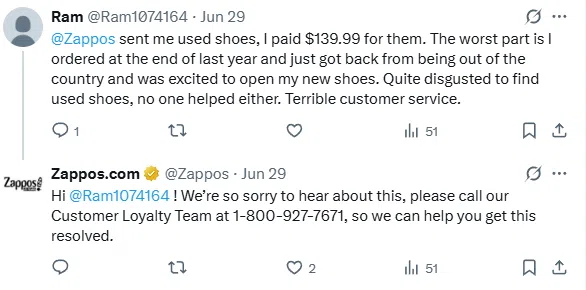
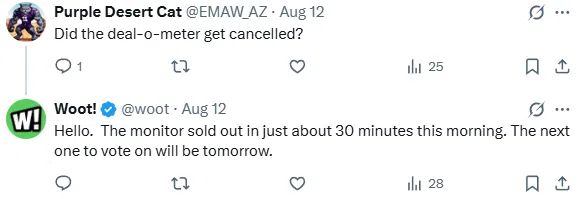
- Missed Opportunities: Your team is too busy creating content to respond to comments, engage in social listening, or capitalize on viral trends.
- The "Everything-for-Everyone" Trap: When your lone social media manager is expected to be a graphic designer, video editor, data analyst, copywriter, and customer support lead simultaneously, the quality of work inevitably suffers.
- Strategic Blind Spots: You are capturing data but lacking the bandwidth to convert that information into actionable business intelligence.
As Sebhendu Pattnaik, CMO of Covasant, notes: "When the work volume exceeds capacity, or when we want to enter a new competency area not currently covered by the team, that is the clear signal to hire. The connection between business growth and team growth must be linear."
The Core Roles: Mapping Skills to Business Goals
Before drafting a job description, you must inventory your business goals. If lead generation is the primary objective, your hiring path will look very different than if your goal is brand sentiment recovery.
1. The Social Media Manager (The Foundational Hire)
The SMM is the bedrock of your operation. They oversee the day-to-day execution, content calendars, and overall brand voice. This should be your first hire—someone who can manage the baseline while you identify which specialized gaps to fill next.

2. The Content Creator/Video Producer
With the dominance of short-form video, having a dedicated creative lead is essential. This individual steers the aesthetic and narrative direction of your brand. In smaller teams, this may be a generalist; in mature teams, this role splits into specialized videographers and graphic designers.
3. The Paid Social Specialist
If your growth strategy relies on rapid lead generation or aggressive e-commerce targets, a paid social expert is non-negotiable. They manage ad spend, ROAS (Return on Ad Spend), and funnel optimization, ensuring your budget is not just spent, but invested.

4. The Community Manager
This role is often the most underrated. A community manager builds trust, manages your social inbox, and acts as the "human" face of your brand. If your brand sentiment is flagging or your audience is growing but unresponsive, a community manager is your most critical hire.
5. The Social Analytics Lead
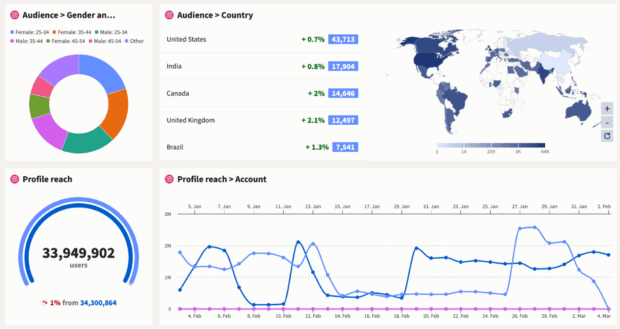
As your data footprint grows, you need someone who can translate raw metrics into strategic roadmaps. This role focuses on attribution, platform ROI, and deep-dive audience insights, moving the team from "vanity metrics" to business-impact reporting.

Supporting Data: The Impact of Structure
Data suggests that companies with specialized roles outperform those relying solely on generalists by a significant margin. According to recent industry analysis, organizations that separated "creation" from "community management" saw a 22% increase in average engagement rates over a 12-month period.
Furthermore, the integration of AI tools—often managed by a dedicated or hybrid role—has been shown to reduce content production time by up to 40%, allowing teams to focus on high-level strategy rather than administrative busywork.

Official Perspectives: Expert Insights
Eileen Kwok, a former Social & Influencer Marketing Strategist at Hootsuite, emphasizes the importance of transparency in the hiring process. "Many job descriptions ask for one person to do the work of five," Kwok explains. "Those are fundamentally different roles. When you demand video production, paid ad management, and community support from one individual, you are setting them up for burnout."
Key recommendations from industry leaders include:
- Focus on Potential: Hire for curiosity and the ability to adapt. Platforms and algorithms change; the ability to learn is the only permanent skill.
- Compensation Transparency: Senior-level expectations paired with junior-level pay is a primary reason for high turnover. Upfront compensation ranges save time for both the employer and the candidate.
- The "Niche" Test: During interviews, ask candidates about niche accounts that are excelling. If they only reference global conglomerates like Duolingo, they may lack the research depth needed for smaller, brand-specific growth.
Implications for Organizational Success
The way you structure your team will dictate your brand’s agility.
- Startups: Focus on the "Generalist-Plus" model. Your first two hires should cover strategy and creation, with analytics being a shared responsibility between them.
- Mid-sized Companies: This is where you begin to bifurcate roles. Split your team into "Organic Growth" and "Paid Performance" tracks to ensure specialized focus.
- Enterprise: Global brands should centralize their core strategy under a senior director while distributing execution across regional or functional specialists. This ensures the brand message remains consistent while allowing for cultural nuances in different markets.
The Role of Technology
Hiring is only half the battle. To retain top-tier social talent, you must provide them with the right infrastructure. Using platforms like Hootsuite allows your team to move away from chaotic, manual workflows. By centralizing publishing, scheduling, and analytics into a single dashboard, you empower your team to focus on high-value engagement rather than platform management.
Conclusion: Looking Ahead to 2027
As we look beyond 2026, the demand for "human-centric" social skills will only increase. While AI will continue to handle the mechanics of social media, the ability to tell a compelling story, manage a crisis with empathy, and cultivate a genuine community will remain the ultimate competitive advantage.
When you hire for your social team, do not look for a "social media person." Look for a strategist, a creator, an analyst, and a diplomat. Build your team with the understanding that they are the architects of your brand’s reputation in an increasingly digital world. Invest in them, equip them with the right tools, and provide them with the autonomy to experiment—and you will find that your social presence becomes your most powerful business asset.


 Laily UPN
 Ammar Sabilarrohman