Muslim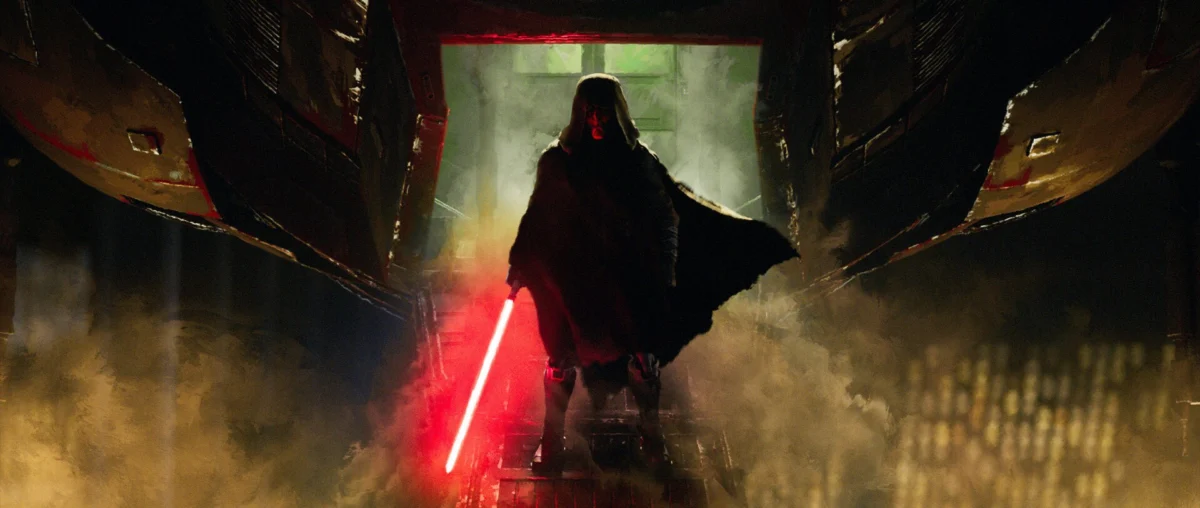
For nearly two decades, the name "Kiner" has been synonymous with the auditory DNA of the Star Wars galaxy. From the sweeping, adventurous orchestral movements of The Clone Wars to the gritty, militaristic pulses of The Bad Batch, Kevin Kiner has acted as the primary architect of the franchise’s animated soundscape. However, with the release of the latest animated series, Star Wars: Maul – Shadow Lord, the Kiner legacy has entered a new, visceral era.
Collaborating as a trio—Kevin, alongside his children Sean and Deana Kiner—the family has crafted a score that breaks away from traditional symphonic expectations, instead embracing a "heavy metal" aesthetic to mirror the tortured, chaotic psyche of Darth Maul. With the first season now available in its entirety on Disney+, the Kiners sat down with StarWars.com to discuss the technical challenges, creative risks, and collaborative synergy that went into defining the sound of one of the galaxy’s most tragic villains.
The Evolution of a Dynasty: From Clone Wars to Shadow Lord
To understand the sonic shift in Maul – Shadow Lord, one must first appreciate the foundation built by Kevin Kiner. Joining the franchise in 2008 for the Star Wars: The Clone Wars feature film, Kevin set the tone for what fans would come to expect from animated Star Wars storytelling.
The transition to a multi-generational creative unit began in 2014, when Sean and Deana Kiner joined their father for Star Wars Rebels. Their contributions have since become instrumental in the expansion of the franchise’s sound, spanning across The Bad Batch and the live-action series Ahsoka. Yet, Maul – Shadow Lord presented a departure from the established "heroic" tropes they had mastered.
"When we were approached for this series, we knew immediately it was going to be darker," Kevin Kiner explains. The directive from Head Writer Matt Michnovetz and Supervising Director Brad Rau was unconventional: they wanted the music to feel like a Star Wars version of heavy metal. For the Kiners, this meant a complete recalibration of their studio approach.
Heavy Metal Origins and the Distortion of Pain
The conceptual genesis of the show’s score lay in the personal playlists of Matt Michnovetz. While writing the scripts, Michnovetz immersed himself in the discography of iconic metal acts such as Iron Maiden, Queensrÿche, Tool, and Ratt. He and Brad Rau suggested these bands as a "jumping-off point" for the series’ sonic identity.
"At first, I got out all my guitars and started thrashing things around," Kevin recalls with a laugh. "And I totally failed." The attempt to simply play metal guitar riffs against the backdrop of Star Wars visuals proved too literal, losing the necessary cinematic texture.
Instead, the team pivoted toward a more nuanced application of distortion. The resulting score utilizes distorted synthesizers, processed through an array of guitar pedals and amplifiers, to evoke the internal agony of Darth Maul. Deana Kiner captures the essence of this auditory choice: "We distilled it down to the feeling that Maul is constantly tearing things. His screams are visceral, coming from the back of the throat. They feel like soul-ripping. That is how we finally found the ‘sound’ of Maul."
The trio utilized nearly 100 different distortion tools—a mix of physical hardware pedals and high-end digital emulations—to create a shifting, unstable soundscape that mirrors the character’s volatile mental state.
Respecting the Maestro: The Density of the Williams Legacy
Despite the move toward experimental distortion, the Kiners remain acutely aware of the daunting shadow cast by John Williams. " Star Wars music is incredibly hard," Kevin notes. "It’s extremely dense. That’s owing to the master who set this all up: John Williams."
Sean Kiner expands on this, highlighting that the challenge is not just orchestration, but thematic density. "In other styles, you have one musical thought that you can stretch out for a long time. In Star Wars, you have to come up with something new, interesting, and substantive very fast because the narrative shifts so constantly."
This balance was most apparent in the series premiere. When Maul exits his ship and ignites his lightsaber, the Kiners initially struggled to find the right tone. It was Executive Producer Athena Portillo who suggested they look back to The Phantom Menace for inspiration. By blending the iconic, choral weight of "Duel of the Fates" with the series’ new, jagged, distorted textures, the Kiners created a bridge between the Maul fans know and the tortured figure he becomes in Shadow Lord.
Character-Driven Motifs: Devon Izara and the Art of the Theme
A significant portion of the score’s emotional heavy lifting involved creating a theme for the new character, Jedi Padawan Devon Izara. Her journey—from a Padawan in hiding to a reluctant apprentice of Maul—required a musical identity that was as versatile as it was tragic.
"We fell in love with Devon as a character," Sean says. "We knew we needed a theme that could hold the weight of her dark journey." The brilliance of their approach is best exemplified in episode 10, a turning point where Devon witnesses the death of her master, Daki, and chooses to align herself with Maul.
To signal this shift, the Kiners layered Maul’s motif from Rebels directly into Devon’s theme. "We hid the second half of Maul’s theme inside her melody," Sean explains. "When they play together, they line up as they become united in purpose. Her theme expresses her coming into her own, but in a truly dark, broken way."
Noir Aesthetics and the Challenge of Darth Vader
The series creators also pushed for a noir influence, particularly for the character Detective Brander Lawson. This presented a unique challenge: how to incorporate the 1940s jazz-inspired aesthetics of The Big Sleep or Chinatown into the Star Wars galaxy.
The trio navigated this by debating the definition of "noir" music, drawing inspiration from everything from Max Steiner’s classic compositions to the modern, atmospheric work found in Spider-Man: Into the Spider-Verse.
Even more challenging was the appearance of Darth Vader in episode nine. "You don’t want to just play ‘The Imperial March’ the whole time," Kevin notes. "You don’t want to just play it through. You have to allude to it. Sometimes, it’s just the first three notes." This "less is more" approach allows the presence of Vader to feel looming and legendary without overwhelming the new narrative elements of the show.
The Collaborative Engine: How the Trio Functions
Scoring an episode of Maul – Shadow Lord typically took the Kiners three weeks. Their process is one of constant, fluid communication. Rather than dividing the work by specific musical sections, they trade narrative arcs.
"Oftentimes we benefit by trading off arcs," says Sean. "It helps us keep a level of cohesion. We’re constantly throwing files back and forth, making sure we have access to how the other person treated a specific sound or character motif."
Kevin is the first to admit that the trio’s combined strength far exceeds his solo output of two decades ago. "They delve deeper into the story and character meanings than I might have in the past," he says. "I’m much more of a ‘sit down and jam’ musician. Together, we are able to reach layers of emotional depth that I wouldn’t have found on my own."
Looking Ahead: The Future of the Galaxy
With Season 1 concluded and work already underway for the second season, the Kiner family continues to view the Star Wars community as a vital part of the creative process. The freedom granted by Lucasfilm—to take big risks and experiment with unconventional sounds—has created a space where the franchise can evolve.
"It’s an encouraging atmosphere," Kevin says. "We’re not worried about nailing it right away; there is a freedom to take a big swing."
As the "Age of Maul" continues, the Kiners remain committed to their goal: honoring the legacy of the galaxy far, far away while pushing the boundaries of what its music can sound like. For fans, this means a soundtrack that is as complex, dark, and rewarding as the characters themselves.
Star Wars: Maul – Shadow Lord is currently streaming in its entirety on Disney+. The official soundtrack, featuring the complete work of Kevin, Sean, and Deana Kiner, is available on all major music streaming platforms.


 Evan Lee Salim
 Nana Wu