

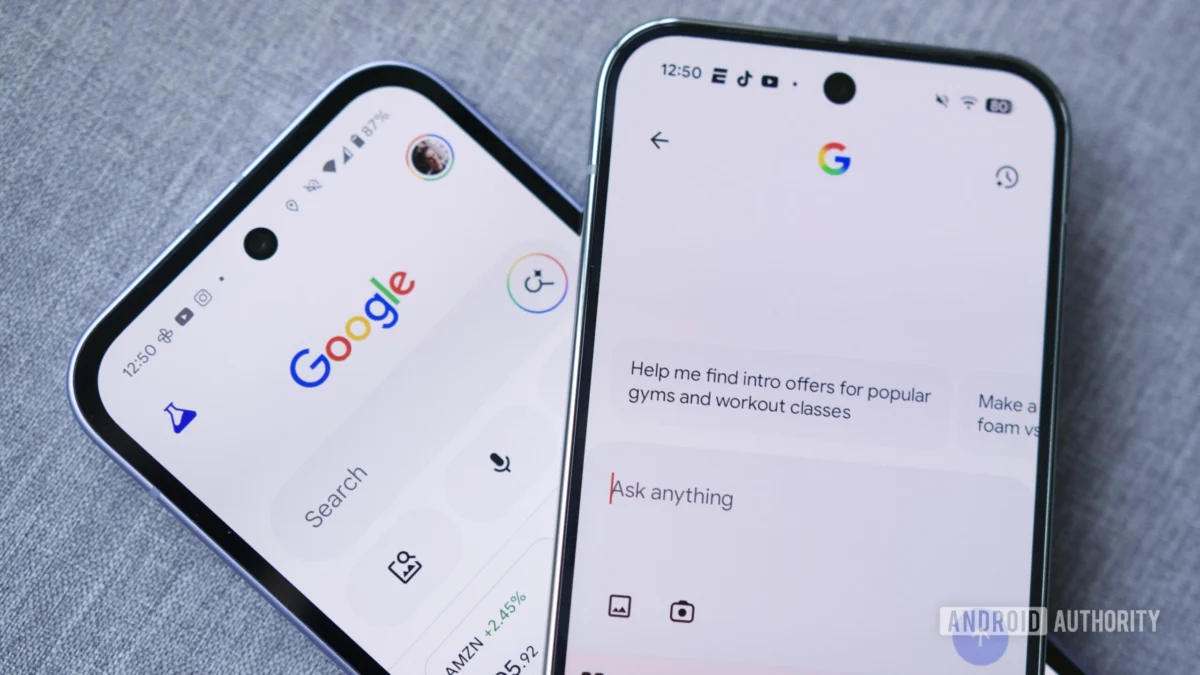
For over two decades, Google Search served as the internet’s primary lighthouse—a streamlined, reliable engine designed to help users navigate the vast, chaotic sea of the World Wide Web. However, recent iterations of Google I/O suggest a profound pivot. The tech giant is no longer content with being a gateway to information; it is aggressively transforming its flagship product into a generative AI powerhouse. As Search increasingly mirrors the capabilities of Gemini, the industry is left with a pressing, uncomfortable question: Has Google created a redundancy that threatens the utility of both products?
The Shift: From Retrieval to Creation
The traditional Google Search model was predicated on "retrieval"—matching a user’s query with the most relevant, high-quality links. Today, that model is being superseded by "generation." With the introduction of AI Overviews and AI Mode, the search engine has evolved into an interactive agent that synthesizes information rather than simply indexing it.
While this evolution has undoubtedly reduced friction for users who prefer natural language queries, it has also fundamentally altered the user experience. We are no longer just searching for a destination; we are asking a machine to build the path for us. This shift toward conversational, agentic AI marks a departure from the "ten blue links" that built the modern web, moving toward a walled-garden ecosystem where the AI is the final destination, not just the navigator.
Chronology of a Transformation
The metamorphosis of Google Search did not happen overnight. It is the result of a deliberate, multi-year strategy to pivot the company’s entire infrastructure toward Artificial Intelligence.
- 2022–2023: The Generative Seed: Following the explosive emergence of ChatGPT, Google accelerated the integration of Large Language Models (LLMs) into its core products. Initial tests with "Search Generative Experience" (SGE) began to hint at a future where summaries replaced snippets.
- Early 2024: The Launch of Gemini: Google unified its AI efforts under the Gemini brand, moving away from the fractured branding of Bard and Duet AI. This established a standalone interface designed for complex reasoning, planning, and creative tasks.
- Mid-2024 to Present: The Blurring Lines: Recent Google I/O presentations demonstrated a "feature creep" within Search. The engine began inheriting Gemini’s most sophisticated traits: agentic coding, the ability to generate interactive widgets, and the capacity to manage stateful workflows like wedding planning or home renovation dashboards.
- Current State: Today, the distinction between a "Search" query and a "Gemini" prompt has become largely semantic, leading to user confusion and brand dilution.
Supporting Data: The Efficiency Paradox
The rationale behind this integration is rooted in user behavior. Data indicates that modern users are increasingly comfortable with long-form, multi-part, and conversational inquiries. By integrating AI into the search bar, Google is catering to this demand for instant, synthesized answers.
However, this comes at a significant cost. The "agentic" capabilities introduced recently—where Search creates interactive dashboards or manages project workflows—move the product away from its core competency of discovery. According to industry analysis, as the complexity of Search results increases, the time spent "navigating" the web decreases, potentially harming the traffic flow to the very publishers and content creators who provide the information the AI is trained on.
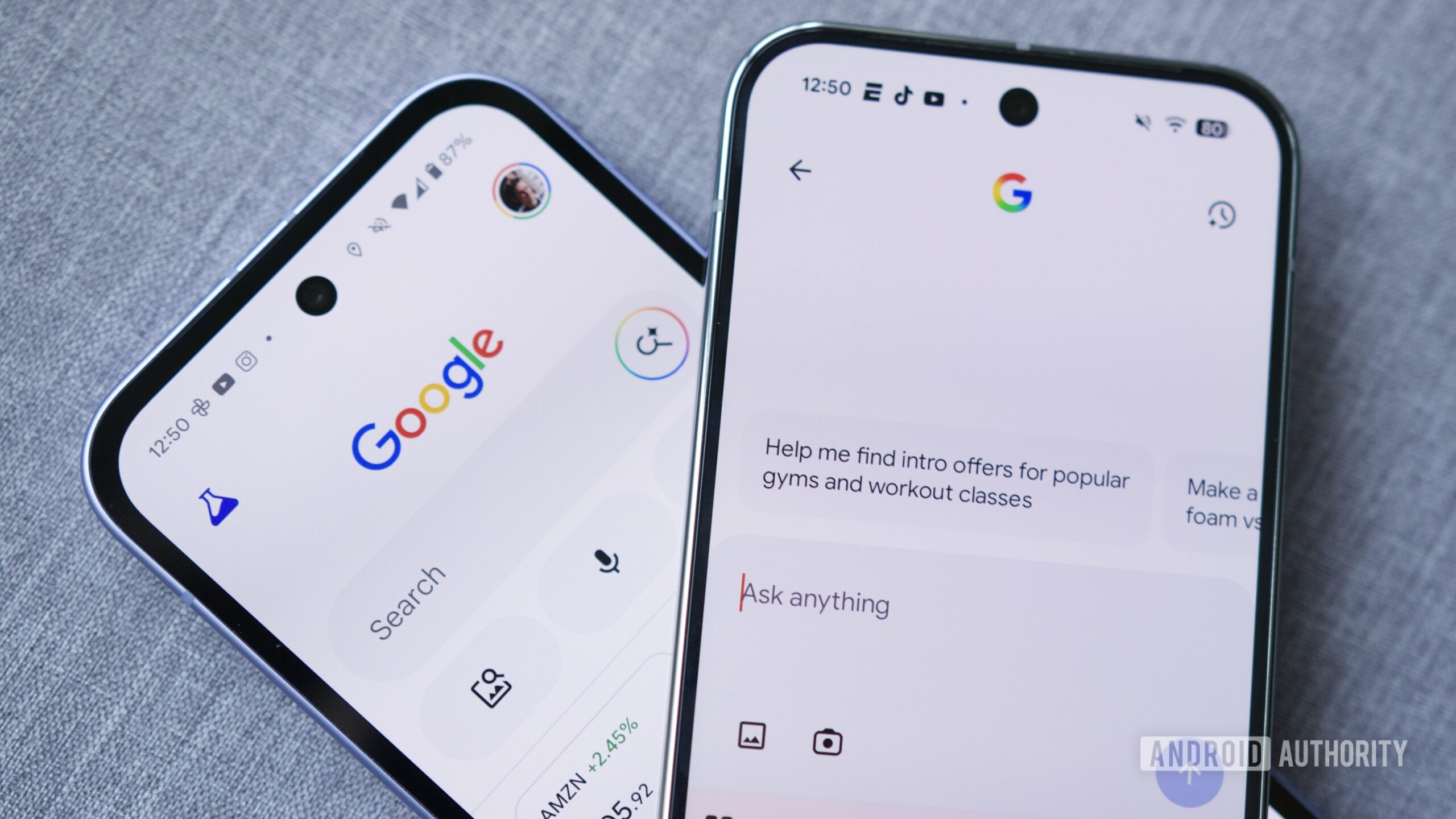
Furthermore, the "notification avalanche" created by these new "agentic" features threatens to turn a search engine into a persistent task manager. This is not just a change in interface; it is a fundamental shift in the utility of the product, moving it squarely into the domain of personal assistants like Gemini.
The Philosophical Conflict: Search vs. Gemini
If we define the utility of these tools by their primary function, a clear dichotomy exists:
- Search is for discovery, verification, and navigation. It is the librarian of the internet.
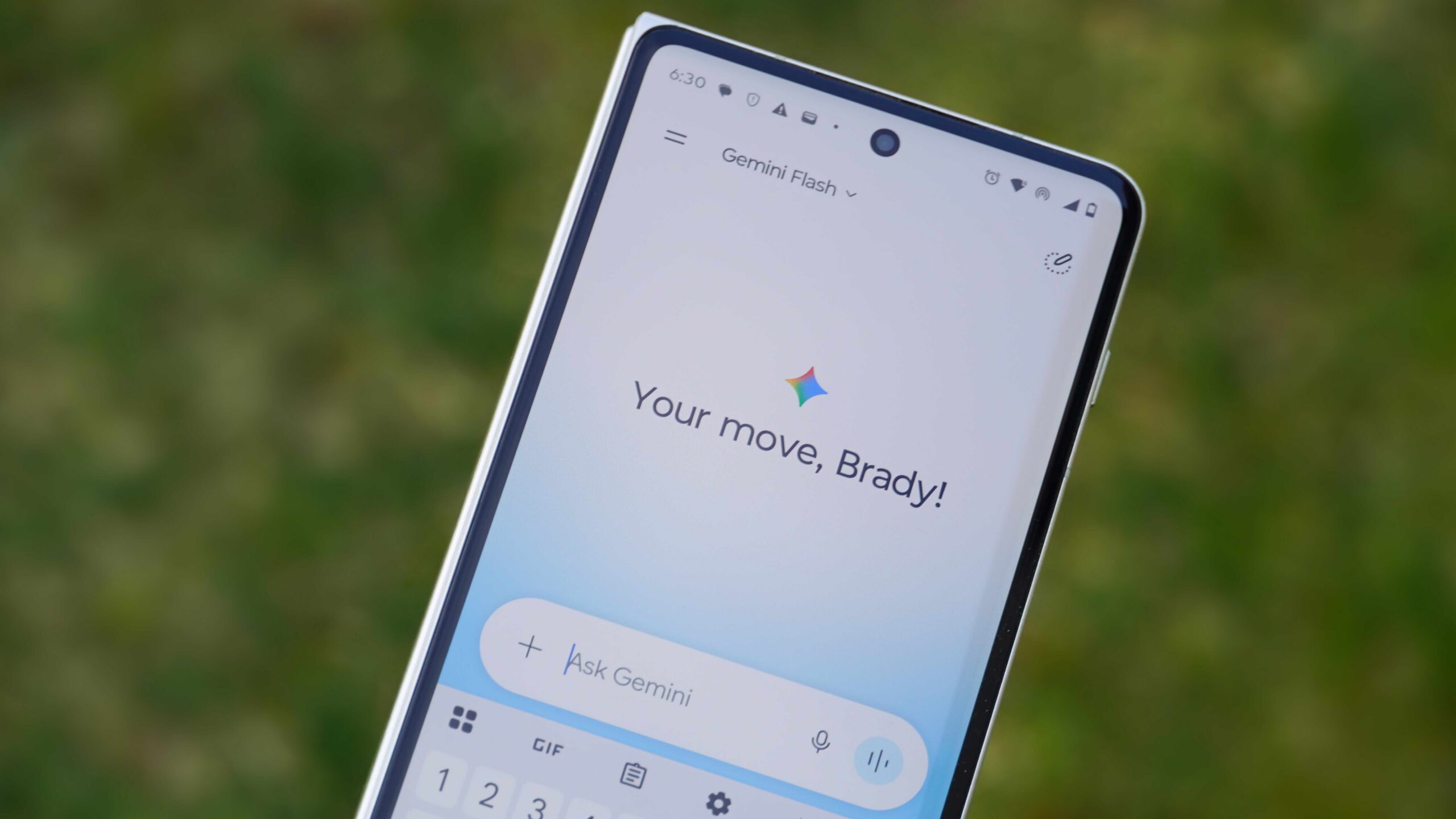
- Gemini is for synthesis, reasoning, and execution. It is the architect of your workflows.
By folding Gemini’s architecture into Search, Google is attempting to make Search "everything to everyone." This creates a "disorderly implementation" where the user is forced to decide which tool to use for a task that both can now perform with equal efficacy.
When a user wants to buy a pair of shoes, they go to Search. When they want to understand the biomechanics of comfort in footwear, they go to Gemini. But when the search engine can now do both, the user is left in a state of cognitive load, wondering, "Why does this exist in two places?"
Official Responses and Strategic Ambiguity
Google has consistently framed these changes as "the future of helpfulness." In official communications, the company argues that by embedding AI into Search, it is simply meeting the user where they are, reducing the need to jump between applications.
However, critics argue that this is a defensive strategy. By forcing AI into the search bar, Google is protecting its market share from competitors like Perplexity AI and OpenAI’s SearchGPT. The official narrative is one of "seamless integration," yet the reality on the ground—for both power users and casual searchers—is one of feature overlap and increased complexity. Google has yet to provide a definitive answer on whether it plans to consolidate these services, leaving the market to speculate on whether "Gemini Search" is an inevitability.
Implications: The Crumbling Foundation
The most concerning aspect of this rapid transformation is not just the overlap, but the potential neglect of the core product. Google Search has long been plagued by "SEO spam" and a deluge of low-quality, AI-generated content that clutters results.
Many users have turned to appending "Reddit" to their searches, seeking the "human signal" in a sea of algorithmic noise. Critics argue that by layering more AI on top of these search results, Google is effectively papering over a crumbling foundation. Instead of refining the quality of the index or addressing the spam crisis, the company is doubling down on a generative layer that, while impressive, can still "hallucinate" or provide dangerously inaccurate information.
The Way Forward: A Call for Clarity
The current state of affairs is unsustainable. The competition between Search and Gemini creates a redundant internal environment that confuses consumers and dilutes brand identity. There are three potential paths forward for Google:
- Strict Differentiation: Re-establish Search as the ultimate tool for discovery, while positioning Gemini strictly as the engine for reasoning and productivity. This would mean pulling back some of the "agentic" features from the search bar.
- The "Gemini Search" Rebrand: Fully embrace the convergence. Admit that the era of the "Search Engine" is over and pivot to an AI-first platform where "Search" is simply a function within the larger Gemini ecosystem.
- The Modular Hybrid: Allow users to choose their experience, keeping a "Classic Search" mode for pure discovery while offering an "AI Mode" for those who want synthesis, effectively treating them as different personas of the same product.
Conclusion: An Identity at Stake
Google stands at a crossroads. Its search engine is the most powerful piece of software ever built, and its AI research is at the cutting edge of human innovation. Yet, by forcing these two distinct entities to compete for the same space, Google risks losing the trust that built its empire.
The company must decide whether it wants to be the world’s most trusted navigator or its most advanced AI assistant. Trying to be both simultaneously in the same search box is not just confusing; it is a recipe for long-term obsolescence. If the "Search" brand is to survive the age of AI, it must remain grounded in the reality of the web, not just the generative fantasies of an LLM. It is time for Google to stop hiding the "crumbling foundation" and start reinforcing it, lest the future of Search be lost in the very AI it helped create.









No comments yet. Be the first to join the conversation!