

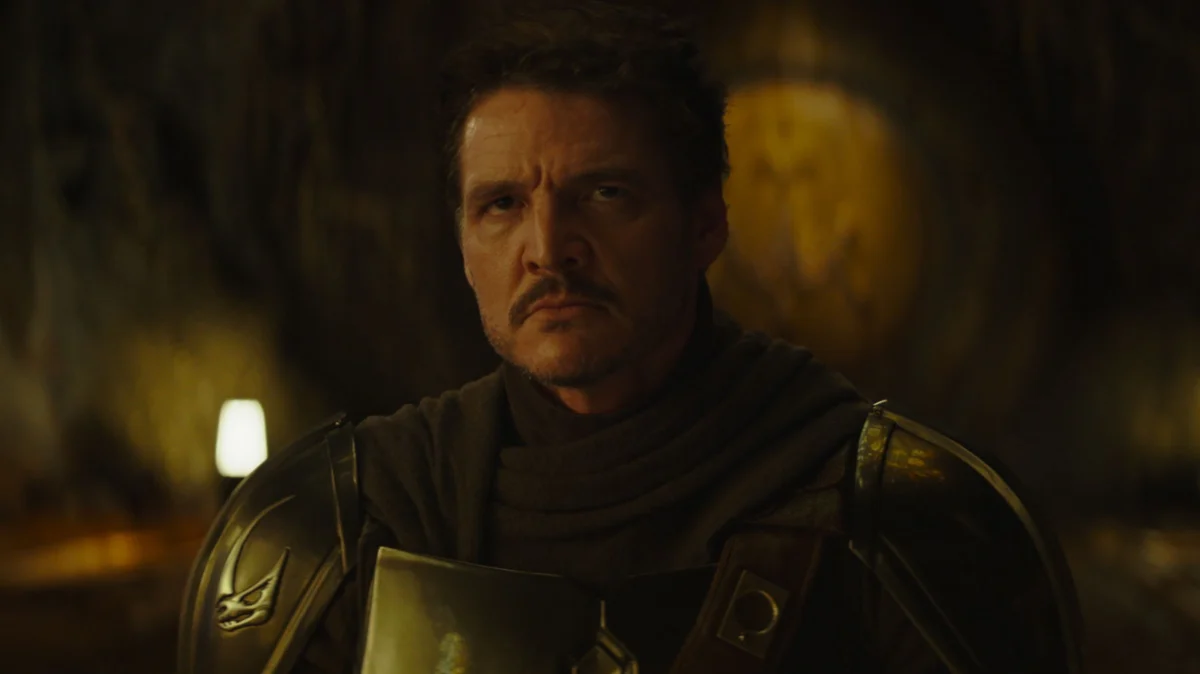
Dank farrik! While the galaxy far, far away and the fungus-riddled ruins of a post-apocalyptic America seem worlds apart, they share a surprising amount of DNA—most of it originating from the broad shoulders of Pedro Pascal. As the star of both the Disney+ juggernaut The Mandalorian and HBO’s critically acclaimed adaptation of The Last of Us, Pascal has become the modern face of the "reluctant father figure" archetype. However, a specific narrative parallel has emerged in the newly released The Mandalorian and Grogu film that invites a direct comparison to the harrowing survival stakes of Naughty Dog’s masterpiece.
Main Facts: A Narrative Intersection
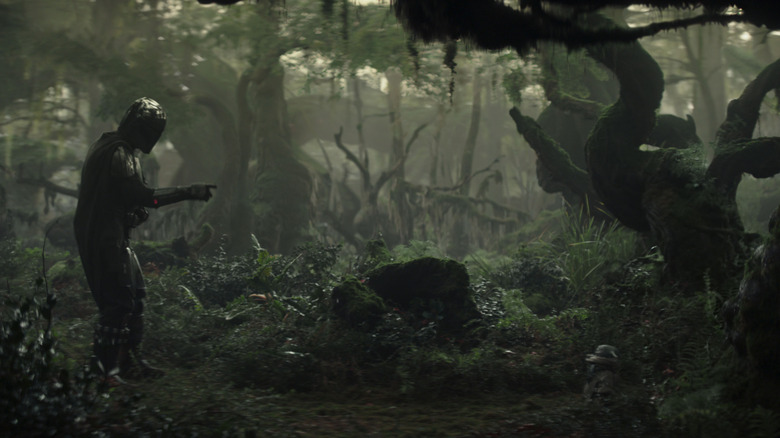
The core premise of The Mandalorian and Grogu—the theatrical spin-off of the hit series—finds Din Djarin, the titular bounty hunter, incapacitated by a venomous bite from a Dragonsnake on the unforgiving planet of Nal Hutta. This moment of vulnerability serves as the catalyst for a significant narrative detour: for the first time, the audience is forced to watch as the diminutive Grogu must navigate a hostile environment, fend for his mentor’s survival, and outwit enemy patrols without the immediate protection of his Beskar-clad guardian.
This sequence functions as an inversion of the power dynamic that has defined the series since its inception. While The Last of Us centers on Joel Miller, a man hardened by grief and apocalypse, and his charge Ellie, The Mandalorian and Grogu flips the script to place the responsibility of guardianship onto the child. The narrative beat is undeniably reminiscent of the "Lakeside Resort" chapter in The Last of Us, where an injured Joel is forced to rely entirely on an adolescent Ellie to secure medicine, food, and protection against both the elements and human predators.
Chronology of a Trope
The evolution of this "incapacitated hero" trope follows a well-worn path in genre fiction, but the execution varies wildly between the two properties.
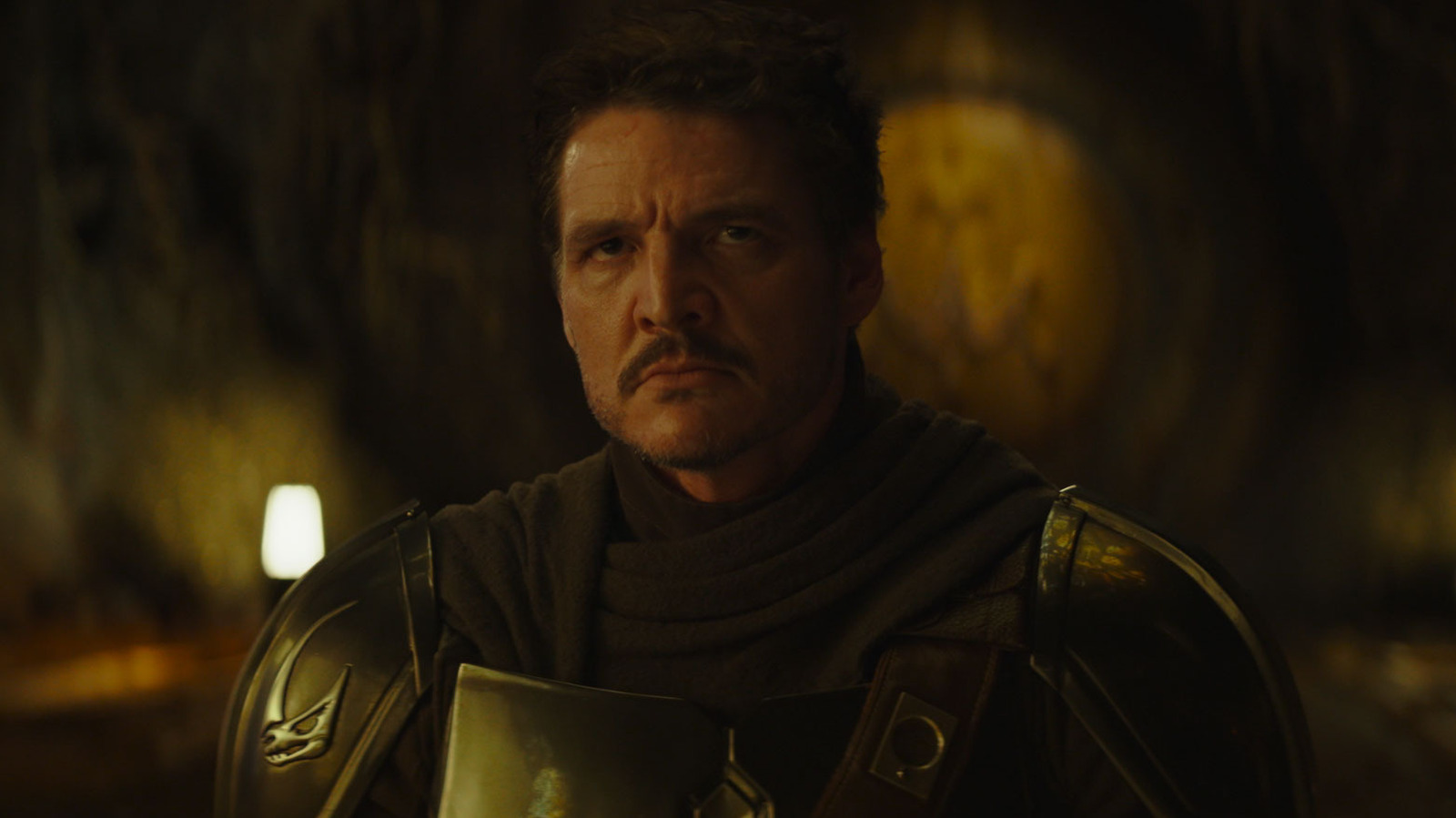
- The Incapacitation: In both stories, the primary protector (Joel/Din Djarin) is removed from the equation through a physical injury. Joel suffers a severe stab wound during a confrontation in the wintery wilds of Colorado, while Djarin falls victim to the toxic, paralytic bite of a native predator on Nal Hutta.
- The Shift in Agency: With the hero unconscious, the "cub" character must step into the light. In The Last of Us, this period of isolation serves as the crucible for Ellie’s development, transitioning her from a survivor to a fighter. In The Mandalorian and Grogu, the focus is more on survivalism and clever evasion, emphasizing Grogu’s Force-sensitive ingenuity.
- The Restoration: In both instances, the hero is eventually restored, but the dynamic between the two leads is fundamentally altered. The "cub" has now proven they are not merely a passenger but an active participant in the survival of the pair.
Supporting Data: Tone and Execution
While the structural similarities are evident, the "weight" of these scenes differs significantly. In The Last of Us, the stakes are absolute. The environment—biting cold, lack of supplies, and the constant threat of cannibalistic raiders—feels lethal. The audience feels the genuine fear that Joel may die, and that Ellie may be left to fend for herself in a world that wants her dead.
Conversely, The Mandalorian and Grogu utilizes this sequence with a tone that leans closer to classic Star Wars adventure. While the scene is intended to create tension, it frequently pivots toward character-driven humor. When Grogu uses the Force to shove Djarin into a makeshift shelter—a moment that highlights the child’s small stature and the absurdity of the situation—the tension is intentionally deflated. Where The Last of Us uses its "helpless hero" moment to force maturity, The Mandalorian uses it to highlight the endearing, "cutesy" nature of its mascot.
Official Responses and Creative Context
Critics and fans alike have noted that The Mandalorian and Grogu has faced a mixed reception since its theatrical debut. While many appreciate the return to the practical effects and the grounded, episodic feel of the early Disney+ seasons, others feel the film suffers from a lack of narrative stakes.
In interviews regarding the production of both franchises, the emphasis has always been on the chemistry between the leads. Pascal has spoken at length about the "lone wolf and cub" dynamic, noting that the relationship is the "heartbeat" of both series. However, the creative teams behind these projects operate under different mandates. The HBO creative team behind The Last of Us (led by Neil Druckmann and Craig Mazin) is tasked with exploring the darker, more visceral consequences of love and loss. The Star Wars team, under the Lucasfilm banner, must balance the gritty nature of bounty hunting with the four-quadrant, family-friendly accessibility that defines the franchise.
Implications: What Can ‘Star Wars’ Learn?
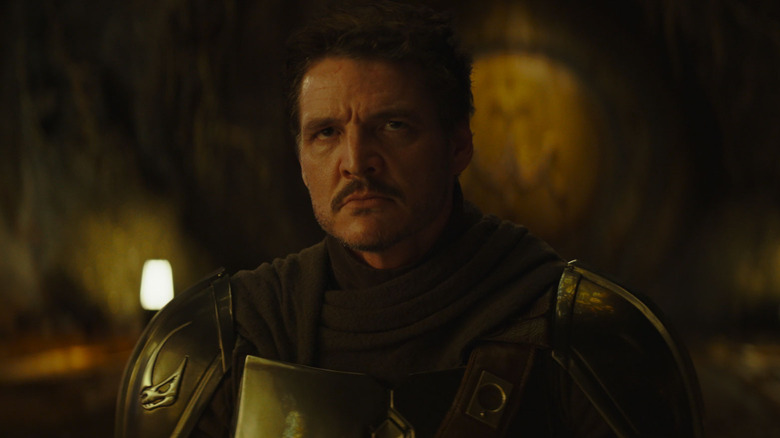
The comparison raises a critical question regarding the future of The Mandalorian as a film franchise: Can a series built on the "unbeatable" nature of a Beskar-clad hero truly sustain a narrative if it refuses to commit to the consequences of vulnerability?
1. The Necessity of True Risk
In The Last of Us, the audience understands that any character—even the protagonists—can be lost. This creates an atmosphere where every encounter feels like a life-or-death struggle. The Mandalorian and Grogu struggles with this because the armor and the "Star Wars" shield of plot armor often make the outcome of any fight feel inevitable. If the franchise wishes to elevate its storytelling, it must find ways to make the risks feel as tangible as the ones faced by Joel and Ellie.
2. Character Growth Through Struggle
Ellie’s development in The Last of Us is earned through trauma and survival. She is a different person at the end of the winter chapter than she was at the beginning. Grogu, while charming, often remains static. The "incapacitated hero" arc is a perfect opportunity to allow Grogu to grow, to learn, and to potentially lose some of his innocence. If Star Wars is to evolve, it must allow its younger characters to face challenges that don’t result in a laugh or a "Force-push" save, but rather in a hard-won lesson about the nature of the galaxy.
3. The Power of Silence
One of the most effective aspects of both franchises is the reliance on non-verbal communication. Pedro Pascal’s ability to convey emotion through a mask in The Mandalorian is mirrored by his nuanced, weary performance as Joel. The industry should take note: in an era of CGI-heavy blockbusters, the most compelling scenes are those that rely on the chemistry between two individuals—one protecting, one being protected—navigating a world that is inherently indifferent to their survival.
Conclusion
The Mandalorian and Grogu may not reach the dark, emotional depths of The Last of Us, and that is perhaps by design. However, the fact that the two properties are being compared in this way speaks to a larger truth in modern entertainment: audiences are craving stories that emphasize the human (or alien) element of survival.
As Din Djarin continues his journey, the film serves as a reminder that the best stories are not the ones with the biggest explosions or the most advanced technology, but the ones that force our heroes to be still, to be vulnerable, and to rely on the people—or the small, green, Force-wielding creatures—standing right beside them. While Star Wars might not be ready to embrace the bleak, snowy, cannibal-filled reality of Joel and Ellie, it can certainly take a lesson from the way that story uses vulnerability to turn sidekicks into heroes.
The Mandalorian and Grogu is currently playing in theaters worldwide. Whether you are a fan of the high-stakes, gut-wrenching drama of HBO or the space-faring adventures of the Mandalore, the bridge between these two worlds remains a fascinating study in character-driven storytelling.











No comments yet. Be the first to join the conversation!