

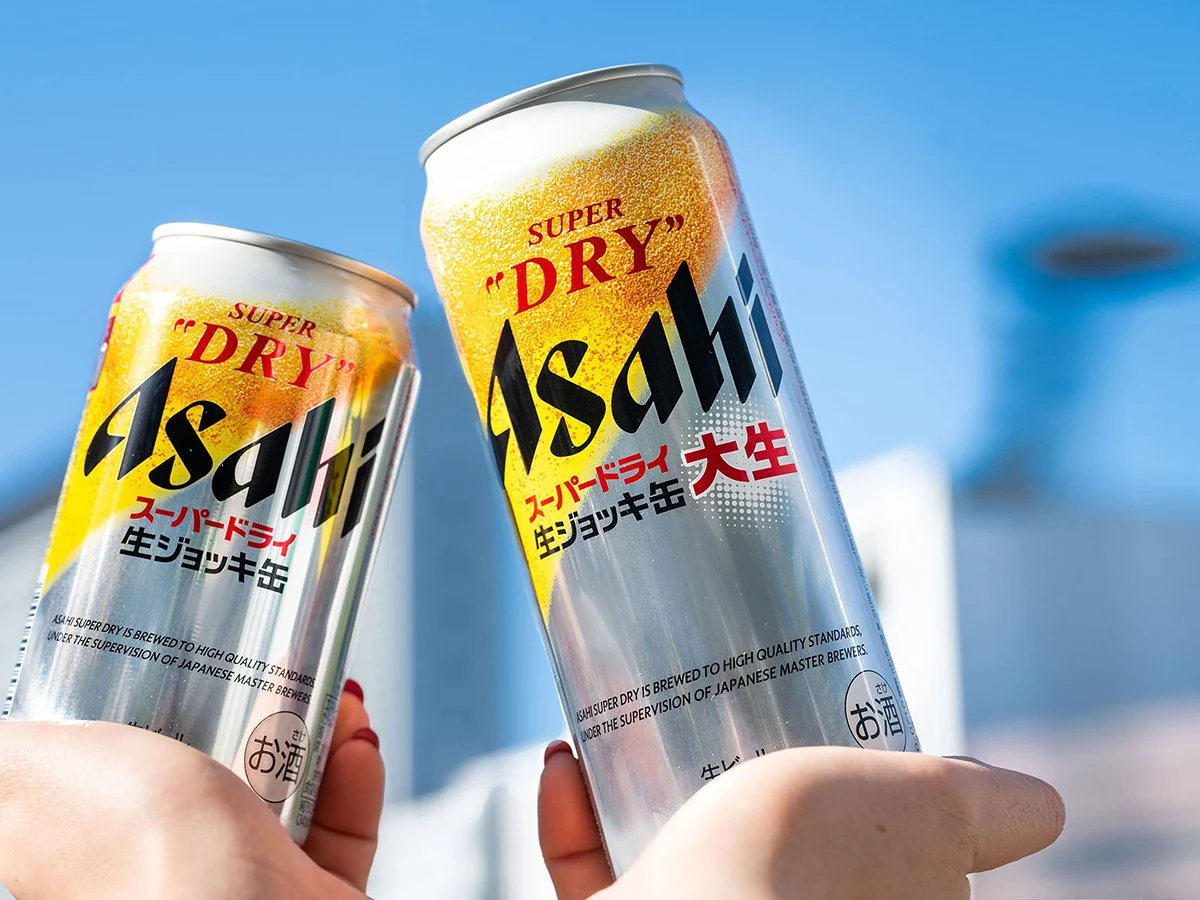
For travelers and locals alike, few things define the Japanese culinary landscape quite like nama—the Japanese term for draft beer. It is more than just a beverage; it is a ritual. After a long day of navigating the bustling streets of Tokyo or hiking the serene trails of Kyoto, the sight of a perfectly poured beer with a thick, velvety head is the ultimate reward. However, the traditional draft experience has historically been tethered to the physical confines of the izakaya (Japanese pub) or the restaurant.
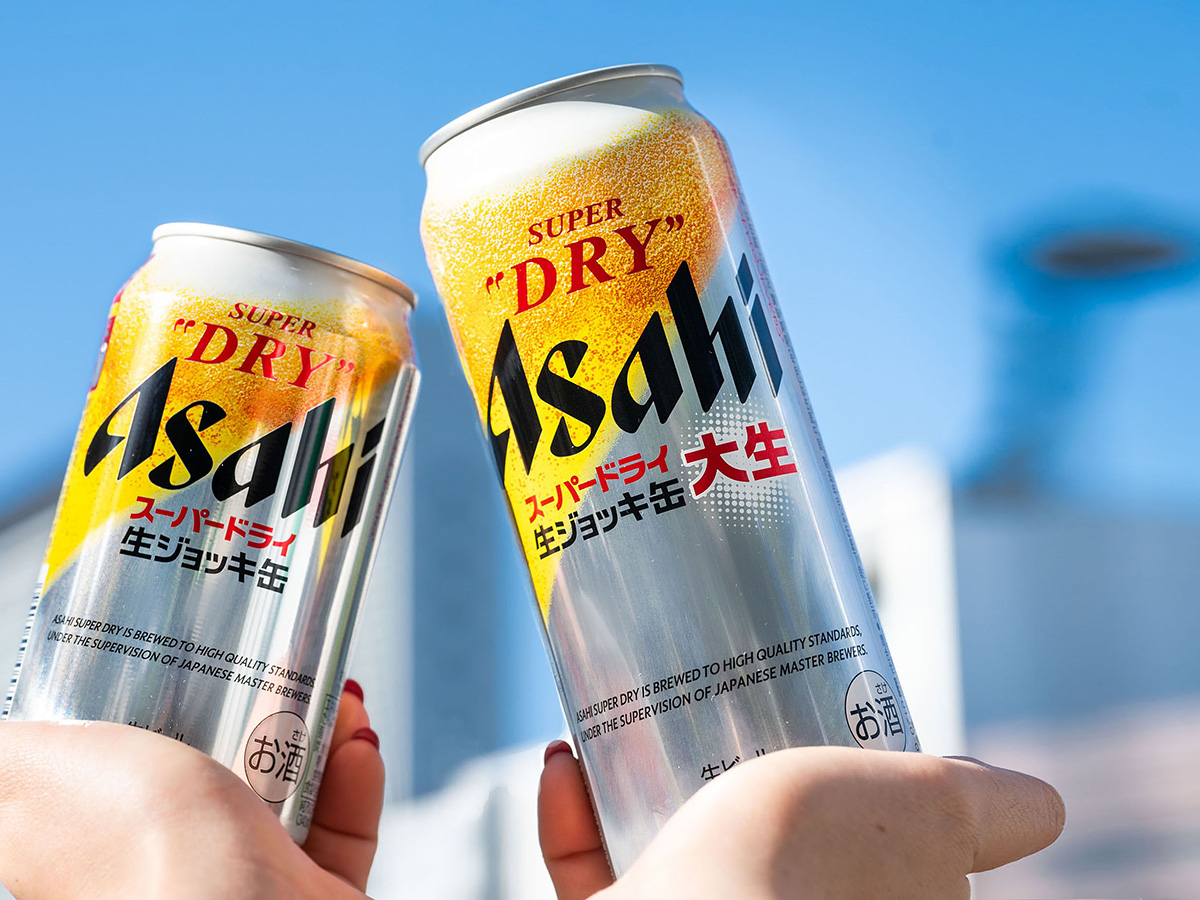
Today, that barrier is being dismantled. Asahi Breweries, one of Japan’s most iconic beverage giants, has introduced an engineering marvel that brings the draft experience directly into the hands of consumers, regardless of their location. The Asahi Super Dry Nama Jokki Can is not merely a packaging gimmick; it is a fundamental reimagining of how beer is served and savored.

The Science of the "Nama Jokki" Can
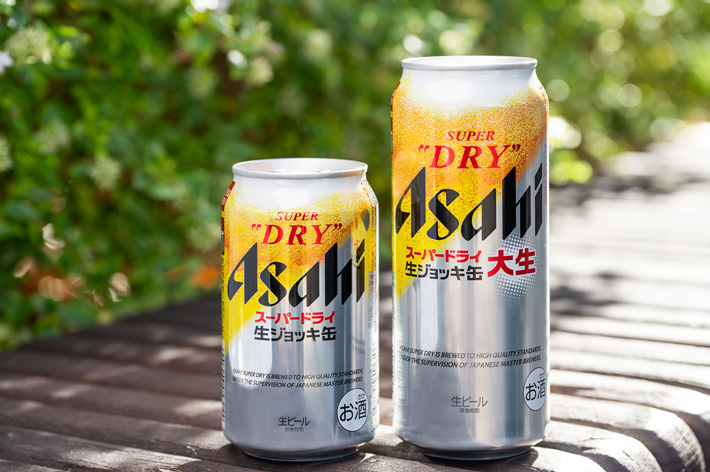
At first glance, the Nama Jokki (literally "Draft Beer Mug") can looks like any other 340ml or 485ml vessel on a supermarket shelf. Yet, beneath the familiar silver branding lies a patented, game-changing design. Developed to replicate the atmospheric sensation of a tavern pour, the can features a wide-mouth lid that covers the entire top surface, mimicking the rim of a traditional glass mug.
The magic, however, is hidden inside. The interior of the can is treated with a specialized coating that interacts with the carbonation as the tab is pulled. As the pressure releases, the interaction between the liquid and the unique surface texture forces the beer to create a thick, dense, and naturally occurring foam head. According to internal research by Asahi and verified against the Mintel global database as of October 2021, this remains the world’s first canned beer designed to naturally produce a full, pub-quality head upon opening.

A Chronology of Innovation: From Research to Retail
The development of the Nama Jokki can was not a sudden burst of inspiration but a calculated response to evolving consumer habits.

- Early 2017–2019 (The Conceptual Phase): Asahi’s R&D team began exploring ways to translate the "draft experience" into a portable format. The primary challenge was the lid; standard aluminum cans are designed for sipping, whereas a draft beer requires a wide-mouth flow to allow the drinker to experience both the aroma and the creamy mouthfeel of the foam simultaneously.
- October 2021 (The Verification): Following extensive testing and safety protocols to ensure the wide-opening aluminum edges were smooth and injury-proof, Asahi finalized the product. The company confirmed its status as the world’s first of its kind.
- The Market Launch: Upon its initial release, the product was met with such overwhelming demand that Asahi had to temporarily suspend shipments shortly after the launch to recalibrate production lines, highlighting the massive consumer appetite for premium, portable drinking experiences.
- Present Day: The Nama Jokki can has become a staple of Japanese convenience stores (konbini), serving as both an everyday convenience for locals and a "must-try" item for international visitors.
Supporting Data: Why Foam Matters
To the uninitiated, the head of a beer is often seen as a nuisance—an obstacle to reaching the liquid. In Japanese beer culture, however, the awa (foam) is paramount. A fine, bubbly head acts as a protective lid, sealing in the beer’s carbonation and preventing the liquid from oxidizing too quickly when exposed to air.

Furthermore, the foam contributes significantly to the "mouthfeel." The Nama Jokki technology creates smaller, more uniform bubbles compared to standard cans. This results in a texture that is closer to whipped cream than simple carbonation. Data from consumer taste tests conducted by Asahi indicates that drinkers perceive a higher "freshness" index when the beer is consumed from the Nama Jokki can compared to pouring a standard can into a glass, largely because the foam head is generated instantly and at the optimal ratio as the consumer begins to drink.
Official Responses and Corporate Strategy
Asahi Breweries has framed this product as a direct response to the "new normal" of drinking. With more consumers opting for home-based social gatherings and outdoor leisure—such as hanami (cherry blossom viewing)—the demand for a "high-end" beer experience that doesn’t require glassware has skyrocketed.
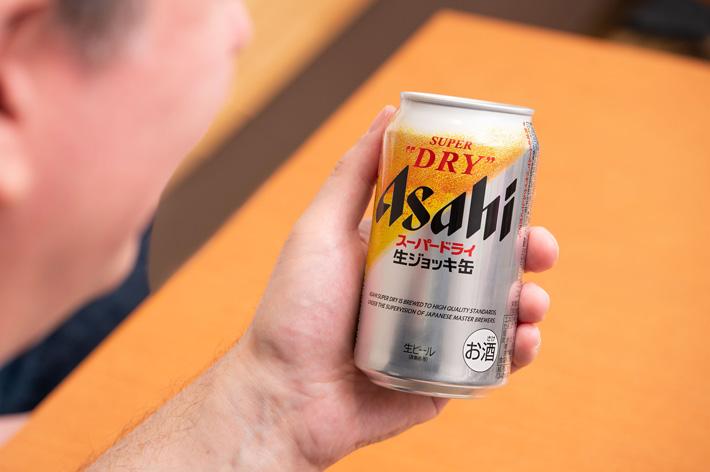
"Our goal was to provide the atmosphere of a pub in the palm of one’s hand," noted a representative from Asahi’s product development division. The company emphasized that safety and user experience were the primary drivers of the design. The wide-mouth lid is manufactured using advanced stamping technology to ensure the edges are perfectly rounded, allowing for the wide, "gulping" intake that is essential to enjoying a true draft beer.

Implications for the Global Beverage Industry
The success of the Nama Jokki can carries significant implications for the global brewing industry. It proves that innovation in the beer sector need not be limited to flavor profiles or brewing techniques; packaging and delivery systems are equally fertile ground for disruption.

- Redefining Convenience: For travelers in Japan, the Nama Jokki can bridges the gap between a high-end restaurant experience and the convenience of a hotel room. It allows tourists to enjoy a premium drink while overlooking the skyline of Tokyo or the temples of Kyoto without needing a pint glass.
- The Souvenir Economy: The can has become a cultural phenomenon. Many visitors now view the Nama Jokki can as a "tech-forward" souvenir, representing the intersection of Japanese precision engineering and hospitality.
- Sustainability and Portability: By eliminating the need for separate glassware at outdoor events, the design promotes a cleaner, more efficient way to consume beer in public spaces.
A New Era for the Beer Lover
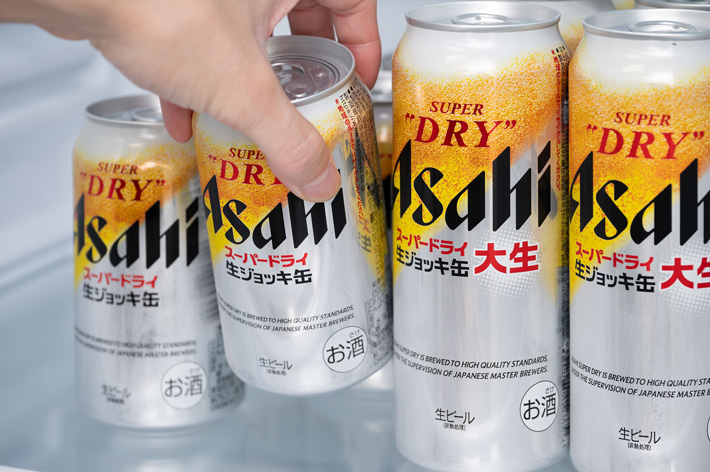
The Nama Jokki can effectively decentralizes the Japanese pub. By removing the need for a tap and a professional bartender, Asahi has effectively turned every refrigerator, park bench, and hotel room into a potential izakaya.

As beer enthusiasts Steven and Bensky noted during their own field test, the experience is transformative. The aroma, which is usually trapped in the narrow neck of a standard can, is liberated by the wide opening, allowing the drinker to fully appreciate the complex, dry, and crisp notes that define the Asahi Super Dry brand.

Final Considerations for the Consumer
For those currently traveling in Japan or planning a trip, the Nama Jokki can is readily available at most major retailers and convenience store chains. It is important to remember, however, that the product is a testament to Japanese innovation, and availability of specific sizes—particularly the larger 485ml cans—is largely concentrated within the domestic Japanese market.

When enjoying this experience, consumers are encouraged to adhere to local regulations: always drink responsibly, observe the legal drinking age (20 in Japan), and ensure that cans are disposed of in designated recycling bins. The Nama Jokki can is not just a drink; it is an invitation to partake in a cultural shift, proving that the most memorable moments of a journey don’t always happen in a pub—sometimes, they happen exactly where you are.

As the beverage industry continues to evolve, Asahi’s Nama Jokki serves as a benchmark for how to blend tradition with technology. It is a reminder that even in a world of standardized manufacturing, there is always room for a little bit of magic—and a lot of foam—in a simple aluminum can.












No comments yet. Be the first to join the conversation!