

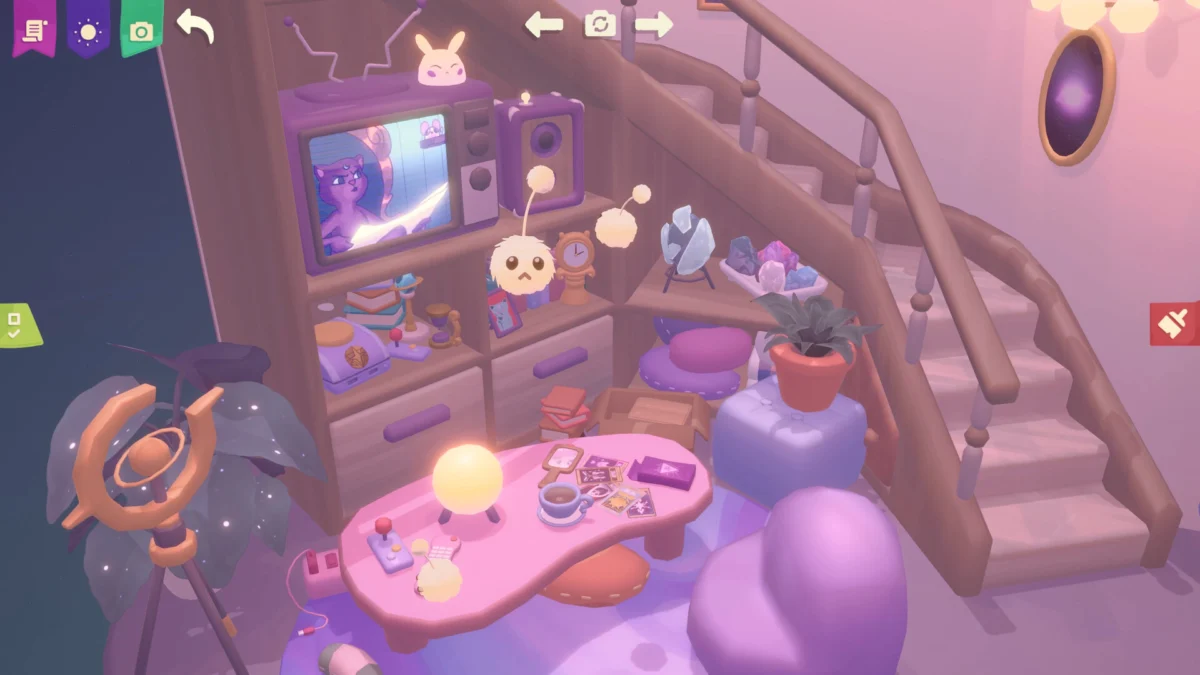
In the rapidly expanding genre of "cozy gaming," where the emphasis shifts from high-octane competition to the therapeutic satisfaction of organization and aesthetics, a new title is casting a promising spell. Design and Conjure, a puzzle-based interior design simulator, invites players into the shoes of a newly graduated witch embarking on the daunting yet delightful task of setting up her first independent home. Developed as a tranquil, low-stakes experience, the game merges the tactile joy of tidying up with the whimsical world of sorcery.
Main Facts: A New Chapter in Witchcraft and Interior Design
At its core, Design and Conjure is a game about transitions. Players take on the role of a young witch who has just completed her higher sorcerous education. Now, with a degree in hand and a trunk full of magical curiosities, she must transform a blank space into a functional, comfortable, and distinctly magical sanctuary.
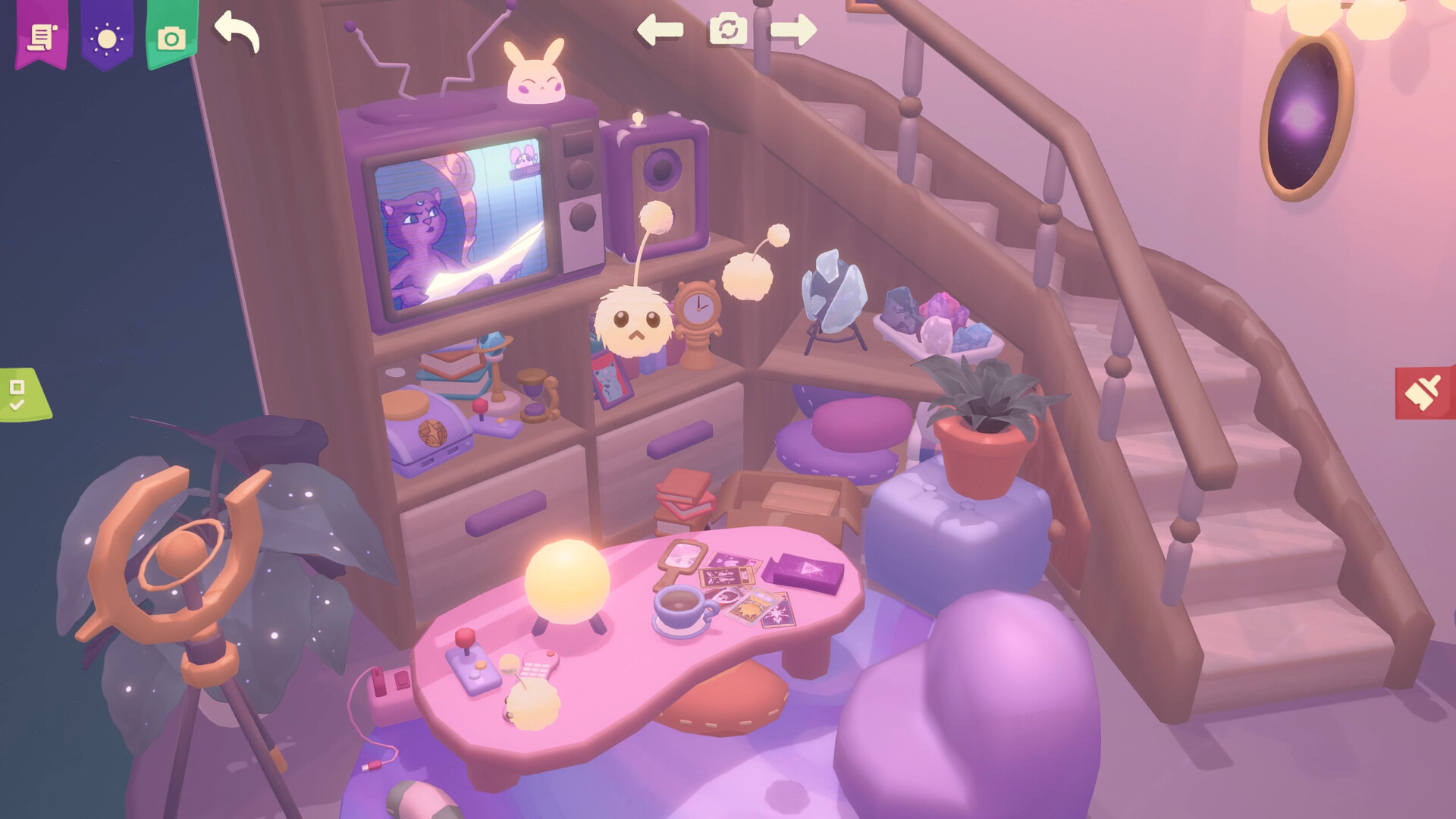
The game’s mechanics revolve around three primary pillars: unpacking, arranging, and customizing. Unlike many organizational simulators that demand rigid adherence to a "correct" layout, Design and Conjure offers a layer of creative freedom. Players can rotate items, navigate complex storage requirements, and—perhaps most notably—recolor their belongings to suit a personal aesthetic.
While there are structural objectives, such as satisfying a list of item placement requirements, the game is conspicuously devoid of timers, failure states, or punishing mechanics. It is designed to be a sanctuary for the player, much like the rooms the protagonist is creating. The game is currently in active development, with a public demo available for those eager to get a taste of the magic before its full launch in August 2026.
Chronology: From Graduation to Home-Making
The journey of Design and Conjure begins, appropriately, at the end of the protagonist’s academic career. After years of studying theory and incantations in sterile, institutional halls, the return home represents a critical life milestone. The chronology of the game follows the protagonist’s gradual settlement into her new living space.
- The Arrival: The game starts with the player standing amidst boxes of belongings. This initial stage serves as the tutorial, introducing the interface and the simple, intuitive controls for interacting with objects.
- The Unpacking Phase: Players systematically open boxes, identifying the items that have traveled with the protagonist from school. This phase emphasizes the "cozy" aspect of the game—the process of finding a home for each book, potion bottle, and enchanted relic.
- The Customization Arc: As the rooms begin to take shape, the game introduces more advanced tools. This is where the player begins to apply their personal touch, experimenting with color palettes and spatial arrangements.
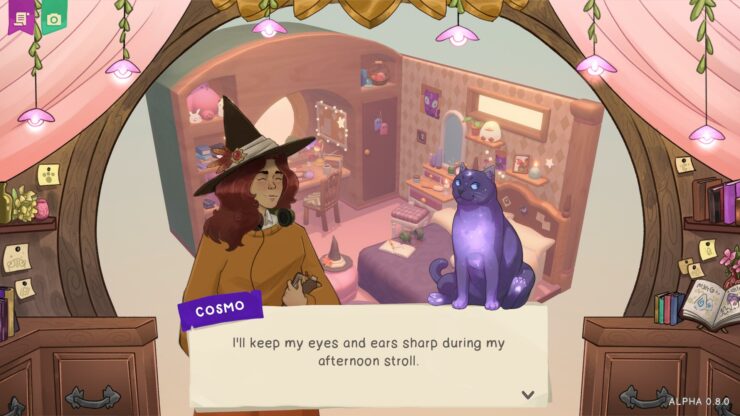
- The Social Interludes: Between the intense bouts of organization, the game shifts pace. Players interact with Cosmo, the protagonist’s feline familiar. These moments provide necessary narrative breathing room, allowing the player to engage with the world-building through dialogue and shared downtime.
This structure mimics the natural flow of moving house: the initial chaos of boxes, the satisfying rhythm of placement, and the eventual realization that a space has become a home.
Supporting Data: Why Cozy Games Resonate
The success of Design and Conjure—or at least the anticipation surrounding it—is not an isolated phenomenon. It sits firmly within the "cozy game" market, a sector of the industry that has seen explosive growth since 2020. Titles such as Unpacking and A Little to the Left have demonstrated that there is a massive, underserved audience for games that prioritize mindfulness over mastery.
Recent industry data suggests that "cozy" or "low-stakes" puzzle games have some of the highest player retention rates in the indie scene. These games are often played as "decompression tools" after work or school. Design and Conjure taps into this by removing the pressure of time-limits.
Furthermore, the inclusion of a color-customization system adds a layer of depth that many genre peers lack. While typical organizational games focus on the "where" (the spatial puzzle), Design and Conjure adds the "what" (the aesthetic choice). This increases the replayability of the title; a player might spend their first run-through aiming for a gothic aesthetic, while a second playthrough could focus on bright, vibrant, or minimalist color schemes.
Official Responses and Developer Vision
While the team behind Design and Conjure remains focused on the development of the final product, the available demo has already garnered significant attention from the indie community. The design philosophy, as evidenced by the demo’s execution, centers on "magical mundanity."
The developer has emphasized that the goal is to make the player feel the relief of being finished with school and the excitement of taking control of their own environment. The decision to include Cosmo the cat as a constant companion serves to ground the player, ensuring that even when the gameplay is quiet, the world feels lived-in and responsive.
Regarding the music and atmosphere, the choice of a cassette-player interface for the soundtrack is a deliberate design choice aimed at nostalgia. It reinforces the idea that this is a private space, a place where the player can curate not just their furniture, but their environment’s soundscape as well.
Implications: The Future of the Genre
The trajectory of Design and Conjure offers several implications for the future of indie development:
- The Evolution of the "Unpacking" Sub-genre: We are moving past the initial wave of games that simply involve putting items in boxes. The next generation of titles, like Design and Conjure, is adding layers of agency—allowing players to modify the items themselves rather than just their placement.
- The "Witchy" Aesthetic as a Narrative Anchor: The "witchy" theme is becoming a staple in indie games for its ability to blend the domestic with the extraordinary. It allows for creative license in object design (glowing potions, floating books, sentient furniture) that wouldn’t make sense in a standard interior design sim.
- Sustainability in Development: By focusing on a "cozy" loop, developers can create high-quality, polished experiences that do not require the massive budget of a AAA title. The success of these games relies on the strength of their art style and the satisfaction of their mechanics, proving that a smaller scope does not mean a smaller impact.
Conclusion: A Magical Prospect for 2026
Design and Conjure stands out as a thoughtful addition to the cozy puzzle landscape. By combining the universal appeal of organizing a living space with the imaginative possibilities of a magical setting, it offers a refreshing take on the domestic simulator.
Whether you are drawn to the puzzle-solving requirements of the game or simply want to spend an hour or two chatting with a glowing cat and rearranging your virtual bookshelf, Design and Conjure provides a low-pressure environment to exercise your creativity. As we look toward the game’s official release in August 2026, it is clear that the project has successfully captured the essence of what makes a house a home—and a little bit of magic, of course.
For those interested in tracking its progress, the demo remains an excellent entry point, serving as a testament to the care and charm the developers are pouring into every corner of this witch’s new life. It is, quite simply, a game to watch—and a room to look forward to decorating.
Quick Facts for Prospective Players:
- Genre: Cozy Puzzle / Interior Design
- Key Mechanic: Unpacking, spatial organization, and item recoloring
- Platform: Steam
- Release Window: August 2026
- Current Status: Demo available now for download.











No comments yet. Be the first to join the conversation!