Lina Hope
For decades, the video game industry has conditioned players to view trees as static, benign scenery. They are the "props" of the digital world—the foliage that populates a forest level, the textures that frame a mountain path, and the silent, unmoving objects that players hide behind during a firefight. But what happens when the scenery decides to fight back?
Trees Hate You, a delightfully subversive new indie title currently in development, answers that question with a combination of slapstick humor, lethal precision, and a total disregard for the sanctity of the environment. In this game, the forest is not your sanctuary; it is a sentient, organized, and deeply hostile adversary that views your post-picnic walk home as an affront to its existence.
The Premise: A Picnic Gone Wrong
The narrative setup of Trees Hate You is deceptively simple. You have just concluded a relaxing, idyllic picnic in a lush, seemingly peaceful woodland. As you gather your belongings and prepare to traverse the forest path back to civilization, the environment undergoes a sudden, malevolent shift.
The core loop of the game is defined by the player’s attempt to survive an increasingly ridiculous gauntlet of arboreal aggression. As you progress, you quickly learn that the trees are not merely static obstacles; they are active, cunning, and—frankly—armed. Whether they are morphing to block your escape route or pulling out firearms to initiate a direct confrontation, the forest works with a single-minded goal: to ensure you never make it home.
Chronology of Development: From Concept to Viral Demo
The journey of Trees Hate You from a conceptual sketch to a playable demo represents a growing trend in the indie scene: the "subversion of expectation."
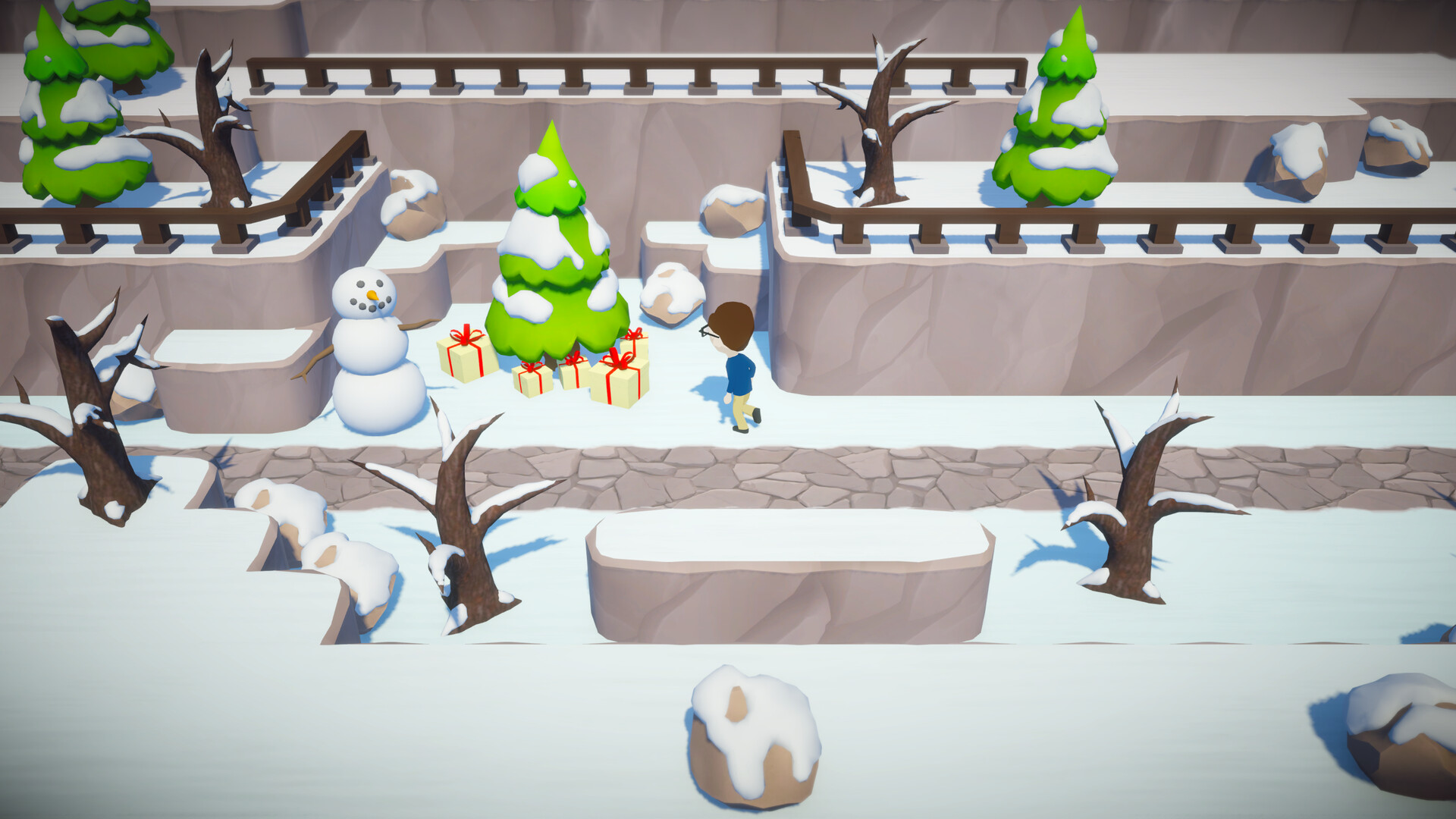
- The Conceptual Phase: The developer, Tykenn, began the project with a focus on procedural environmental awareness. The goal was to create an AI that could "predict" player movement. By analyzing the pathfinding logic common in most games, the developer designed trees that don’t just stand still; they react to where the player intends to go.
- The Prototyping Stage: During early testing, the "lethality" aspect was dialed up to eleven. Early testers noted that the humor was derived from the sheer absurdity of the trees’ attacks. A pine tree brandishing a weapon is, by definition, a comedic image, but it becomes a gameplay challenge when the player is forced to dodge high-velocity projectiles.
- The Demo Release: Recently, the developer released a public demo via itch.io, which serves as a vertical slice of the full experience. The reception has been overwhelmingly positive, with players praising the game’s ability to turn a mundane walk into a high-stakes puzzle-platformer.
Supporting Data: Why Players Are Falling for the Foliage
Why is Trees Hate You resonating so strongly with the gaming community? The answer lies in the psychological subversion of player training.
- The "Background" Bias: Video game players are trained to ignore background assets. By turning these assets into threats, Trees Hate You forces players to unlearn years of spatial conditioning. This creates a genuine sense of anxiety, even in a game that looks inherently silly.
- Predictive AI Mechanics: Unlike standard enemies that follow set patrol paths, the trees in this game are designed to "read" player behavior. They anticipate shortcuts and attempt to cut them off. This makes the game feel less like a traditional obstacle course and more like a chess match against a sentient, annoyed forest.
- The "Slapstick" Feedback Loop: When a player dies in Trees Hate You, it rarely feels like a "fail state." Instead, it feels like a punchline. The game utilizes cartoonish violence to mask its underlying difficulty, keeping players engaged through humor rather than frustration.
The Developer’s Philosophy: An Official Look
While the game remains in active development, creator Tykenn has spoken about the importance of "environmental personality" in game design. In various interviews and dev-logs, the creator has emphasized that the goal was to take the most mundane object in gaming and give it a grudge.
"The idea was to force the player to acknowledge the world around them," the developer noted during a recent update. "We spend so much time looking at trees in games and seeing absolutely nothing. I wanted the trees to look back."
The development team is currently focusing on balancing the "fairness" of the traps. While the trees are meant to be aggressive, the developer aims to ensure that every death is a lesson in observation. By telegraphing the trees’ movements through subtle animations—a shift in bark, a swaying branch, or a suspicious rustle—the game rewards those who take the time to watch the environment rather than just running blindly toward the exit.
Implications for the Indie Genre
The success of Trees Hate You—even at this early stage—suggests a broader shift in indie game development. There is a growing appetite for games that take singular, absurd concepts and execute them with technical polish.
Breaking the "Asset" Mold
By treating environmental props as the primary antagonist, Trees Hate You challenges the industry’s reliance on standard enemy types. It asks developers to look at their asset lists and ask, "What if this wasn’t just a prop?" If a tree can be a villain, what about a park bench? What about a streetlamp? This creates a design space where the "world" itself becomes the difficulty curve.
The Rise of Comedy-Horror
The game occupies a unique niche between slapstick comedy and genuine horror. It is genuinely nerve-wracking to navigate a space where you are constantly being targeted, yet the visual language remains colorful and lighthearted. This "Comedy-Horror" blend is becoming a hallmark of successful viral indie games, as it provides a low barrier to entry while maintaining a high skill ceiling for players who want to master the mechanics.
What to Expect: Looking Toward the Full Launch
As of now, the demo is available on itch.io, and the full title is available for wishlisting on Steam.
For those looking to dive in, here is what is currently known about the future of the project:
- Expanding Biomes: The full game is expected to feature different forest types, each with their own unique "personality" and weaponry.
- Evolving Tactics: While the pine trees in the demo are aggressive, future updates may include "trap-setting" trees or cooperative forest structures that work in tandem to hem the player in.
- Community Feedback: The developer has been highly active in the community, using feedback from the itch.io demo to tweak the "reaction time" of the trees.
Final Thoughts: Respect the Forest
Trees Hate You is more than just a funny title or a meme-worthy premise; it is a masterclass in how to subvert player expectations. It turns the forest into a character, the path into a battlefield, and the player into the target of a long-standing arboreal grudge.
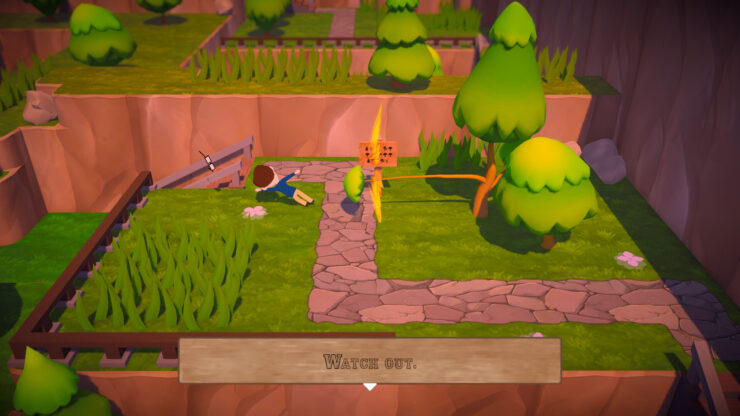
Whether you find the prospect of a pine tree wielding a firearm terrifying or hilarious, one thing is certain: after playing this game, you will never look at a tree the same way again. The next time you find yourself on a quiet walk through the woods, keep your eyes peeled. If the branches seem to be reaching for you, or if the leaves sound a little too much like a loading screen, you might just want to start running.
The trees are watching, they are waiting, and they most certainly do not want you there. It is time to see if you have what it takes to survive the most hostile walk of your life.
For more information on the development progress of Trees Hate You, or to join the growing community of survivors, check out the official Steam store page and download the demo today. Just remember: keep your head down and watch your back—because the forest is definitely watching.


 Ammar Sabilarrohman
 Siti Muinah