

By Jackson McCoy
July 8, 2026
In the landscape of modern television, few performances have managed to transcend the medium to become genuine cultural touchstones. Over the course of five seasons, Antony Starr did more than just play a character in Prime Video’s The Boys; he weaponized his face, his posture, and his unsettling charisma to create a villain that will be studied in acting classes for decades to come. As the dust settles on the final season and the most recent Emmy nominations are unveiled, a glaring, uncomfortable truth remains: the Television Academy has fundamentally failed to recognize one of the most transformative performances of the 21st century.
With the final ballot cast and the nominations locked, it is now official: Antony Starr will never receive an Emmy nomination for his portrayal of Homelander. This is not merely a "snub" in the traditional sense; it is a profound failure of the awards body to acknowledge a performance that redefined the archetype of the television antagonist.
The Anatomy of a Cultural Phenomenon
To understand the magnitude of this oversight, one must first look at the complexity of what Starr achieved. Homelander was never intended to be a simple "big bad." He was a multifaceted portrait of American fragility, narcissism, and unchecked power. Starr played him not just as a god-like being, but as a petulant, wounded child trapped in a super-powered vessel.
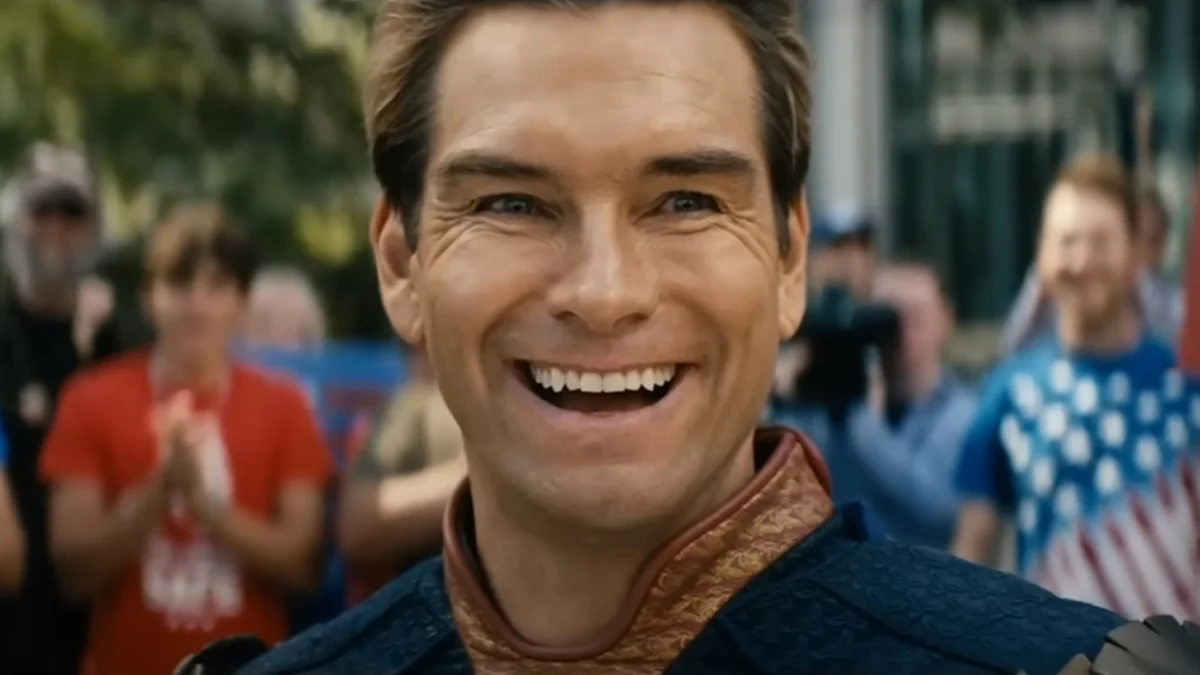
Starr’s genius lay in the micro-expressions. In the silence between lines of dialogue, he could convey a shifting landscape of insecurity and rage. He was so effective at portraying this "fictional face of American fascism" that the character inadvertently became a Rorschach test for the real world. In a bizarre twist of life imitating art, extremist groups famously co-opted imagery of Homelander, failing to grasp the satire and instead viewing him as an aspirational figure. While this speaks to the show’s biting social commentary, it serves as the ultimate testament to the terrifying authenticity Starr brought to the role.
A Chronology of Brilliance: Five Seasons of Terror
From the moment Homelander arrived on the screen in 2019, the trajectory of the series was set.
- The Introduction (2019): Starr’s debut was defined by a chilling juxtaposition—the "Captain America" bravado hiding a cold-blooded killer. His ability to switch from a public-facing smile to a mask of sociopathic indifference in a single frame established the stakes immediately.
- The Airplane Incident (Season 1): Perhaps the definitive moment of the series, the mid-air catastrophe saw Homelander abandon a plane full of civilians to their deaths. Starr’s performance here was a masterclass in gaslighting, as he manipulated the narrative afterward with a tear-filled, self-serving apology.
- The Peak of Volatility (Seasons 2-3): As the show progressed, Starr leaned further into the character’s internal rot. The scenes featuring his obsession with Stormfront and his increasingly erratic outbursts showcased a man unraveling at the seams.
- The Final Act (Season 5): The climax of the series, culminating in Homelander’s ultimate confrontation with Billy Butcher (Karl Urban), provided a visceral conclusion. Starr’s performance during these final episodes captured the tragic inevitability of a monster who never stood a chance at redemption.
Throughout these five years, the "Homelander stare" became a shorthand in pop culture for impending doom. Whether it was the viral "not very woke of you" GIFs or the endless online debates regarding his power levels, Starr’s presence was a constant.
The Contradiction of Award Snubs
The argument that The Boys is "genre fiction" and therefore less deserving of prestige awards holds no water, given the Television Academy’s own history with the show. The Academy has previously seen fit to nominate The Boys for Outstanding Writing for a Drama Series (2021) and Outstanding Drama Series (2021). They have repeatedly recognized the technical prowess of the production, awarding the show for Stunt Coordination and Stunt Performance.

If the Academy recognizes the writing that defines the character, and the stunts that bring the carnage to life, why is the vessel of that story—the lead actor—left out in the cold? There is an inherent contradiction in acknowledging the brilliance of the production while ignoring the performance that anchored it. It suggests a lingering bias against "superhero" content, even when that content is deconstructing the genre in a way that is intellectually and emotionally demanding.
The Industry Perspective: A Disconnect from the Audience
Award shows are ostensibly meant to honor the best of the best, yet they often suffer from a disconnect between critical acclaim and popular impact. While the Academy ignored Starr, the audience did not. In the era of social media, the success of a performance is often measured by its reach.
Starr’s performance generated thousands of reaction images, TikTok edits, and intellectual deep-dives on platforms like Reddit. He became the face of a modern myth. When a performance reaches such a saturation point in the cultural consciousness, the failure of an awards body to acknowledge it creates a credibility gap. By ignoring Starr, the Emmys haven’t just snubbed an actor; they have snubbed the audience that found his work to be the defining performance of the last half-decade.
Implications for Future Casting and Awards
What does this snub say about the future of television awards? It suggests a rigid adherence to "prestige" tropes that favor traditional dramas over high-concept, subversive genre works. If a performance as iconic and demanding as Homelander—which required immense physical control, comedic timing, and dramatic gravitas—is not worthy of a nomination, then what is the criteria?
This oversight sets a dangerous precedent. It tells actors that if you take on a role that is too "loud," too "weird," or too "villainous" within a genre show, your chances of recognition are slim. It favors the subtle, understated, and conventional, leaving the bold, transformative performances—like Starr’s—in the shadow of the awards circuit.
The Verdict: Legacy Beyond Gold Statues
It is important to remember that, at the end of the day, an Emmy is a trophy. It is a piece of gold-plated metal that sits on a shelf. It does not define the quality of the art, nor does it dictate the legacy of the actor.
Antony Starr does not need the Television Academy to validate his greatness. He has the millions of viewers who watched in genuine terror as he paced the halls of Vought Tower. He has the legacy of a character who will be remembered as the definitive antagonist of the streaming era.
The Television Academy may have left a gaping hole in their record books this year, but the history of television has already been written. Antony Starr’s Homelander was a masterclass in villainy, a tour de force of emotional volatility, and a performance that refused to be ignored by anyone—except, perhaps, those whose job it is to notice. While the Emmys move on to their next cycle, the fans of The Boys will continue to look back at Starr’s work, recognizing that they witnessed something truly special: a monster who was, in every sense, perfectly played.










