

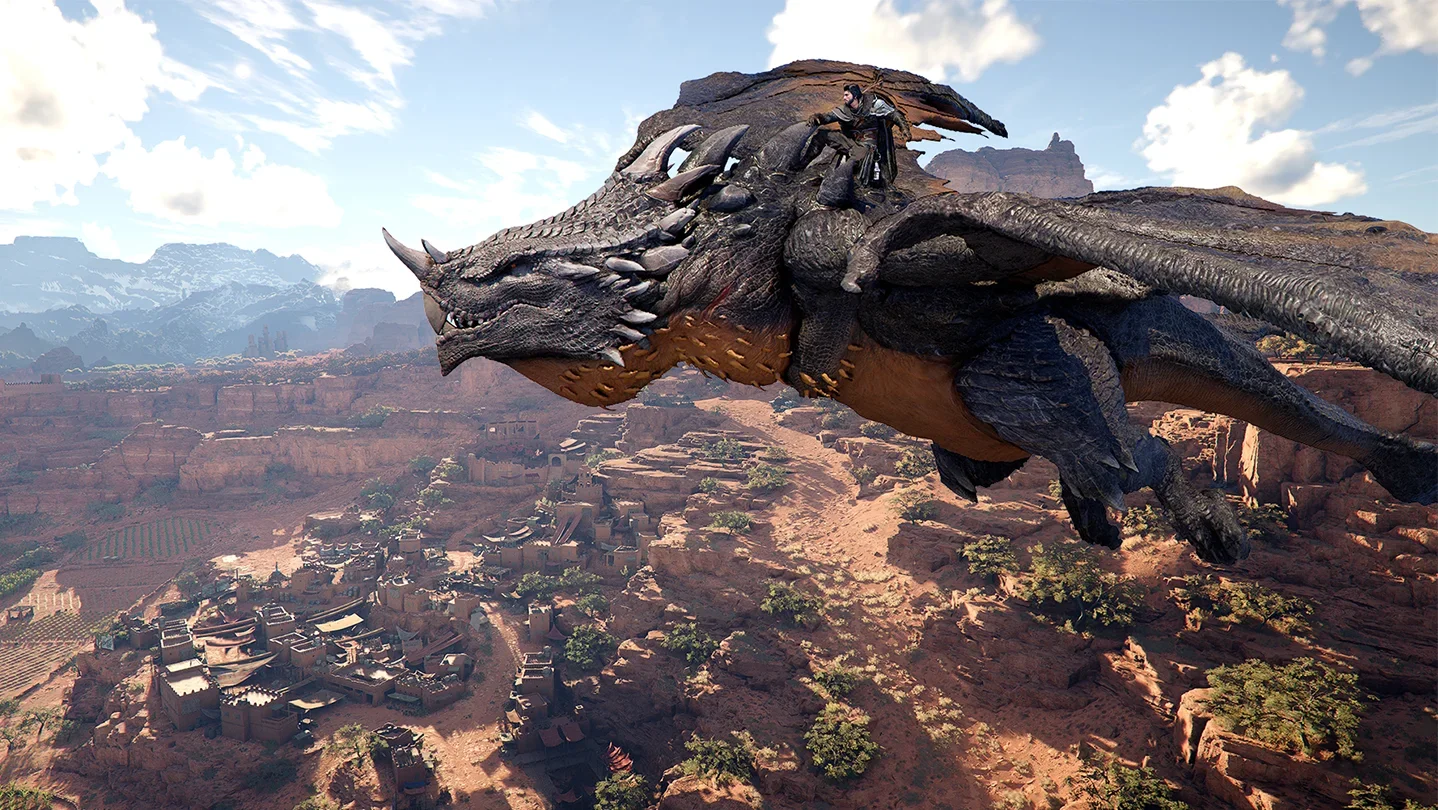
SEO Meta Description: Pearl Abyss reports a monumental Q1 2024, with operating revenue surging over 400% to $220.6 million, largely propelled by the global launch of Crimson Desert. The new action RPG generated $179.1 million, with over 80% of sales concentrated in North America and Europe, signaling a significant shift in the company’s financial landscape. This report details the financial triumph, strategic outlook, and recent divestiture of Fenris Creations.
Seoul, South Korea – [Current Date] – South Korean video game developer Pearl Abyss has announced an extraordinary financial performance for the first quarter of 2024, shattering previous records and signaling a new era of prosperity for the company. The monumental surge in revenue and profit is overwhelmingly attributed to the highly anticipated global launch of its new action RPG, Crimson Desert, which made its debut on March 19.
The Q1 results paint a picture of unprecedented success, with operating revenue skyrocketing by an astounding 419.8% year-over-year to ₩328.5 billion, equivalent to approximately $220.6 million USD. This remarkable growth underscores the immediate and profound impact of Crimson Desert on Pearl Abyss’s financial health and market position.
Pearl Abyss Soars: A Financial Overview
The financial report released by Pearl Abyss details a significant turnaround and robust growth across all key metrics. The company’s strategic investments in game development and global marketing have clearly paid dividends, culminating in one of its most successful quarters to date.
Q1 Revenue Explosion
The headline figure for Pearl Abyss’s Q1 2024 performance is undoubtedly the colossal increase in operating revenue. A 419.8% year-over-year surge from the previous year’s comparable period is a testament to the immense market demand for Crimson Desert. This growth trajectory positions Pearl Abyss as a formidable player in the global AAA gaming market, demonstrating its capability to develop and launch titles that resonate deeply with international audiences. The impressive revenue figure of ₩328.5 billion ($220.6 million) significantly surpasses analyst expectations and reflects the success of the company’s multi-platform strategy.
Profit Margins Reach New Heights
Beyond just revenue, Pearl Abyss also reported a dramatic improvement in its profitability. Operating profit for Q1 2024 reached an impressive ₩212.1 billion ($142.5 million), a staggering increase from the mere ₩7.9 billion ($5.3 million) recorded in the same period last year. This exponential rise in operating profit indicates strong cost management in relation to the surge in sales, suggesting effective resource allocation and a favorable return on investment for its marketing efforts surrounding Crimson Desert.
Similarly, net profit soared to ₩170 billion ($114.2 million) from ₩7.7 billion ($5.1 million) in Q1 2023. This substantial jump in net profit directly reflects the company’s ability to convert its increased revenue into robust bottom-line earnings, providing a solid foundation for future investments and shareholder value. The healthy profit margins underscore the commercial viability and widespread appeal of Crimson Desert, validating Pearl Abyss’s long-term development strategy.
Crimson Desert: The Catalyst for Growth
At the heart of Pearl Abyss’s Q1 triumph lies Crimson Desert, a new IP that has swiftly established itself as a major revenue generator. Its launch on March 19 was clearly a pivotal moment, fundamentally reshaping the company’s financial outlook.
Blockbuster Launch Performance
Crimson Desert alone generated an astounding ₩266.5 billion ($179.1 million) in sales during Q1. Considering the game only launched in the latter half of March, this figure represents an exceptionally strong debut, indicative of significant pre-release hype translating into immediate purchases. The revenue generated by Crimson Desert accounted for approximately 81.1% of Pearl Abyss’s total operating revenue for the quarter, unequivocally cementing its role as the primary growth driver.
The company further detailed that sales were evenly split between console and PC platforms, a crucial insight into its successful multi-platform strategy. This balanced distribution suggests that Crimson Desert has managed to capture significant market share across different gaming ecosystems, a challenging feat for many developers. Pearl Abyss also clarified that console revenue is recognized after deducting platform fees (e.g., from PlayStation, Xbox), while PC revenue is recognized after deducting taxes from user payments, offering transparency into its accounting practices for different distribution channels.
Geographic Dominance: Western Markets Lead the Charge
A key highlight from the financial report is the significant geographic distribution of Crimson Desert‘s sales. Pearl Abyss revealed that North America and Europe collectively contributed an overwhelming 81% of its total operating revenue for Q1. This figure is mirrored in Crimson Desert‘s individual performance, with over 80% of its sales originating from these Western markets. Asia followed with 13%, and Korea accounted for 6%.
This heavy concentration in North America and Europe is strategically vital. These regions are renowned for their massive gaming populations, higher disposable income, and strong preference for AAA titles, particularly in genres like action RPGs and open-world experiences. Pearl Abyss’s ability to capture such a dominant share in these highly competitive markets speaks volumes about its targeted marketing campaigns, the game’s broad appeal, and perhaps a successful adaptation of its game design to Western tastes. This geographic success also mitigates reliance on any single market, providing a more diversified and stable revenue stream. The cultural resonance and genre familiarity of titles like Crimson Desert in these regions likely played a significant role in its explosive uptake.
Platform Dynamics: PC and Console Contributions
Delving deeper into revenue segmentation, Pearl Abyss reported a 31% quarter-on-quarter increase in console revenue following Crimson Desert‘s launch. This substantial jump underscores the game’s success on console platforms and highlights the growing importance of the console market for the developer. Overall, for Q1, PC accounted for 59% of the company’s total revenue, console for 38%, and mobile for 3%.
While PC still holds the majority share, the significant contribution from console revenue demonstrates Pearl Abyss’s effective strategy in porting and optimizing Crimson Desert for multiple systems. The near-even split of Crimson Desert sales specifically between PC and console further reinforces the game’s cross-platform appeal. This balanced performance across major gaming platforms provides Pearl Abyss with a broader audience reach and diversified revenue streams, reducing dependence on any single platform’s market dynamics. The mobile segment, while smaller, likely represents continued revenue from older titles or supplementary mobile experiences related to its IPs.
The Enduring Power of Black Desert
While Crimson Desert undeniably stole the spotlight, Pearl Abyss’s long-standing flagship franchise, Black Desert, continued to deliver stable performance, demonstrating its enduring appeal and robust player base.
A Pillar of Stability
The Black Desert franchise, encompassing Black Desert Online and Black Desert Mobile, generated a respectable ₩61.6 billion ($41.4 million) in Q1. This figure indicates stable quarter-on-quarter results, showcasing the franchise’s ability to maintain a consistent revenue stream despite the launch of a major new IP from the same company. The consistent performance of Black Desert provides a crucial foundation of recurring revenue, allowing Pearl Abyss to invest confidently in new projects without solely relying on the volatility of new game launches. This stability is often driven by ongoing content updates, seasonal events, and a dedicated community, which Pearl Abyss has diligently cultivated over the years. The continued success of Black Desert proves the company’s ability to manage and sustain live-service titles effectively over long periods.
Strategic Outlook and Future Trajectory
Looking ahead, Pearl Abyss has outlined its financial forecasts and strategic plans, indicating a cautious yet optimistic outlook for the coming quarters, coupled with ambitious long-term development goals.
Navigating Q2 and Beyond: Forecasts and Expectations
Pearl Abyss provided comprehensive guidance for its future financial performance. The company forecasts its overall operating revenue to range between ₩879 billion ($560.4 million) and ₩975.4 billion ($665.2 million) for the full fiscal year. Specifically for Crimson Desert, the operating revenue is expected to fall between ₩644.1 billion ($432.6 million) and ₩734.8 billion ($493.2 million).
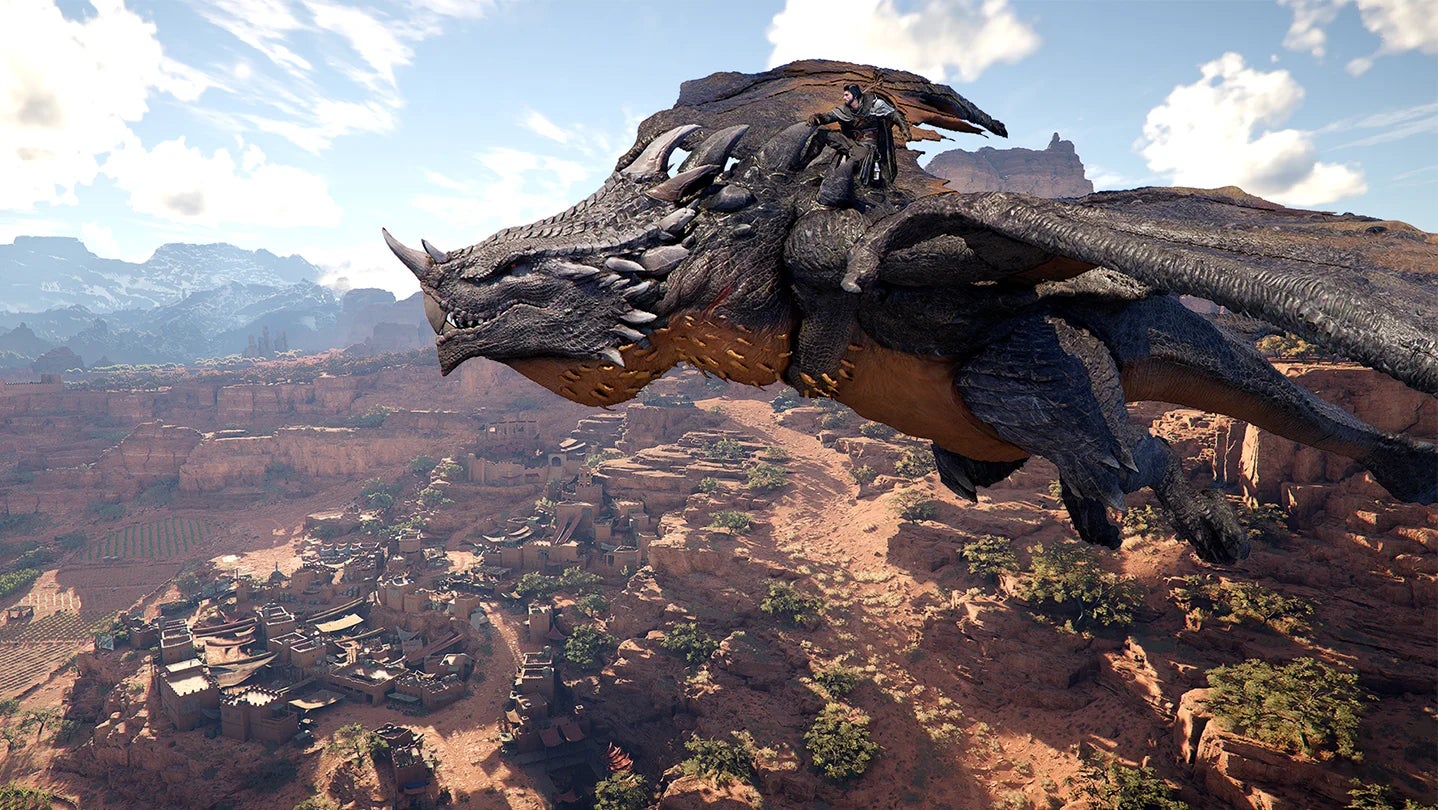
Crucially, Pearl Abyss anticipates a decline in Crimson Desert revenue in Q2. This expectation is rooted in the common industry phenomenon where initial package sales for new game launches are typically "front-loaded," meaning a significant portion of sales occur immediately after release. This initial rush often tapers off in subsequent periods. However, the company expresses confidence that Crimson Desert will maintain stable performance through ongoing patches, content updates, and community engagement efforts. This strategy is vital for player retention and converting initial sales into long-term engagement and potential monetization through future DLC or in-game purchases. The company’s proactive approach to post-launch support is a standard practice for live-service-oriented titles and essential for sustained success.
Expanding the Crimson Desert Universe
To ensure the longevity and continued success of Crimson Desert, Pearl Abyss has ambitious plans for its future. These include "expanding its presence through platform expansion" and releasing additional downloadable content (DLC). Platform expansion could entail launching the game on other unannounced platforms, such as Nintendo Switch (if technically feasible), or exploring cloud gaming services. Such expansions would open new markets and player bases, further extending the game’s reach and revenue potential.
The commitment to releasing additional DLC is also a critical component of its strategy. New content, storylines, characters, and gameplay features can revitalize player interest, attract new players, and provide ongoing monetization opportunities. This continuous development cycle is standard for modern AAA titles and essential for maintaining a vibrant and engaged community around a live-service game.
A Glimpse into the Future: DokeV and Plan 8
Beyond Crimson Desert, Pearl Abyss is actively developing a robust pipeline of new titles, signaling its commitment to innovation and diversification. The studio confirmed that two new games are currently in various stages of development: DokeV and Plan 8.
DokeV, an open-world creature-collecting action-adventure game, is currently in pre-production. Having garnered significant attention for its vibrant visuals and unique concept in previous trailers, DokeV represents a departure from Pearl Abyss’s darker, more realistic fantasy settings. Its development progress suggests it is closer to a potential release than Plan 8.
Plan 8, described as a "gear-up action MMORPG" with a sci-fi setting, is still in the conceptualization stage. This indicates that it is in the very early phases of development, with core ideas and frameworks being established. Both titles demonstrate Pearl Abyss’s ambition to explore new genres and expand its creative portfolio, building on its technical prowess demonstrated with Black Desert and Crimson Desert. These upcoming games are crucial for the company’s long-term growth, ensuring a continuous stream of new revenue generators.
Pacing Innovation: A New Release Every 2-3 Years
Pearl Abyss has articulated a strategic goal to release new titles every two to three years. This development cadence is an aggressive but manageable pace for a studio of its size and capabilities, especially considering the scale and complexity of modern AAA game development. This strategy aims to maintain market relevance, provide fresh experiences for players, and ensure sustained revenue growth over the long term. A consistent release schedule can also help smooth out the peaks and troughs often associated with the highly cyclical nature of the gaming industry. It reflects a commitment to continually innovate and bring new experiences to players, while also leveraging the technological advancements and development pipelines established with prior projects.
Portfolio Rebalancing: The Fenris Creations Divestment
In a significant strategic move that preceded its Q1 financial report, Pearl Abyss recently rebalanced its portfolio through a major divestment.
A Strategic Sale
Last week, Pearl Abyss announced the sale of Fenris Creations (formerly CCP Games), the Icelandic developer renowned for EVE Online, back to its CEO for $120 million. This transaction represents a substantial shift in Pearl Abyss’s corporate strategy, focusing its resources more intently on its core IPs and internal development pipeline. The decision to divest a studio that was once a key acquisition speaks to a broader industry trend of companies streamlining operations and divesting non-core assets to maximize efficiency and profitability. While the sale price of $120 million is significant, it raises questions when viewed against the original acquisition cost.
Historical Context: The CCP Games Acquisition
Pearl Abyss originally acquired CCP Games in 2018 for a total consideration that included $225 million in cash, alongside potential performance-related payouts that could have reached an additional $200 million. At the time, the acquisition was seen as a strategic move to diversify Pearl Abyss’s portfolio with a well-established Western MMORPG, EVE Online, and to leverage CCP’s expertise in live-service development. However, the subsequent sale for $120 million suggests a considerable financial loss on the initial investment, implying that the acquisition did not fully meet Pearl Abyss’s strategic or financial expectations over the past six years. This could be due to a variety of factors, including differing corporate cultures, slower-than-expected growth of EVE Online, or a strategic decision to allocate resources entirely to internal IP development like Crimson Desert, DokeV, and Plan 8. The implied loss of at least $105 million (excluding any performance payouts) highlights the inherent risks and complexities involved in large-scale mergers and acquisitions within the gaming industry.
Implications for Fenris Creations and Pearl Abyss
Fenris Creations confirmed that the transition following the buyback would not involve restructuring or layoffs, providing stability for its employees and the ongoing development of EVE Online. This assurance is crucial for employee morale and continued game development. Pearl Abyss, for its part, stated that it would "continue to keep potential collaboration opportunities open," suggesting that while direct ownership has ceased, a cooperative relationship might still exist in the future.
This divestment allows Pearl Abyss to consolidate its focus on its most promising internal projects and leverage the immense success of Crimson Desert. It streamlines the company’s operational structure and concentrates its capital and human resources on the development and expansion of its burgeoning proprietary IPs, which are now clearly demonstrating massive revenue potential. The sale, despite the financial loss, could be a strategic move to increase agility and reinforce the company’s core identity as a developer of cutting-edge action RPGs and MMORPGs.
Broader Industry Context and Implications
Pearl Abyss’s Q1 performance and strategic maneuvers are not isolated events but rather indicative of broader trends and challenges within the global video game industry.
A Testament to AAA Ambition
The success of Crimson Desert is a powerful testament to Pearl Abyss’s unwavering commitment to developing ambitious, high-quality AAA titles. In an increasingly competitive market, where development costs are soaring and player expectations are higher than ever, delivering a game that achieves such widespread critical and commercial success is a monumental undertaking. It validates the company’s investment in its proprietary BlackSpace engine, advanced graphics, and complex gameplay systems. The ability to resonate so strongly with Western audiences also showcases Pearl Abyss’s growing understanding of global market dynamics and player preferences beyond its traditional Asian market stronghold.
Challenges and Opportunities Ahead
While the Q1 results are celebratory, Pearl Abyss faces ongoing challenges. The gaming industry is highly dynamic, characterized by intense competition, rapidly evolving technologies, and fluctuating consumer tastes. Maintaining player engagement for Crimson Desert through consistent, high-quality updates will be crucial, especially given the anticipated Q2 revenue decline due to front-loaded sales. The long development cycles for DokeV and Plan 8 mean sustained investment without immediate returns, requiring careful financial management.
Furthermore, the significant financial loss incurred from the Fenris Creations divestment serves as a reminder of the strategic complexities of portfolio management. Moving forward, Pearl Abyss must continue to innovate, adapt to market shifts, and foster a strong, engaged community around its titles to ensure sustained growth and profitability. The opportunities, however, are immense, particularly with the proven global appeal of its new IP and a robust pipeline of promising new games.
Conclusion
Pearl Abyss’s first quarter of 2024 marks a watershed moment in the company’s history. Propelled by the phenomenal launch of Crimson Desert, the developer has achieved unprecedented financial growth, demonstrating its capability to create and successfully market AAA titles on a global scale. With strong performance from its new IP, sustained stability from the Black Desert franchise, and a clear strategic vision for future titles like DokeV and Plan 8, Pearl Abyss appears to be on a trajectory of significant long-term success. The strategic divestment of Fenris Creations, while incurring a financial loss, underscores a sharpened focus on core strengths and internal development. As Pearl Abyss navigates the competitive landscape, its Q1 triumph positions it as a major force to watch in the evolving global gaming industry.











No comments yet. Be the first to join the conversation!