

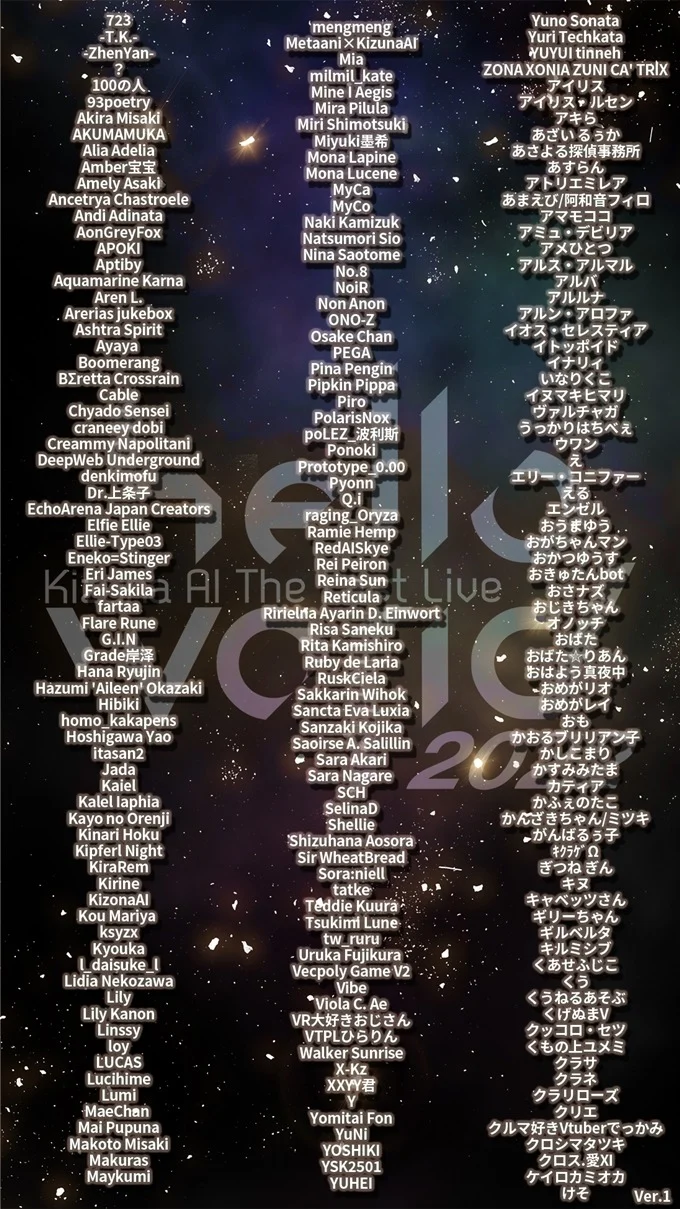
The world of virtual entertainment stands at a crossroads. On February 26, 2022, the landscape of digital content creation shifted irrevocably as Kizuna AI, the pioneer who effectively codified the term "VTuber" (Virtual YouTuber), stepped away from the spotlight. Her final concert, titled Kizuna AI The Last Live “hello, world 2022,” was not merely a performance; it was a testament to the community she built and a technical marvel that underscored her massive influence on internet culture. With a staggering 1,809 virtual guest appearances, the event served as a bittersweet monument to the power of digital connection.
The Main Event: A Record-Breaking Production
The decision to hold “hello, world 2022” was framed as an indefinite hiatus for the AI character, a move that sent shockwaves through the global anime and gaming community. However, rather than a somber affair, the production team opted to celebrate the character’s history by opening the stage to her fans and peers.
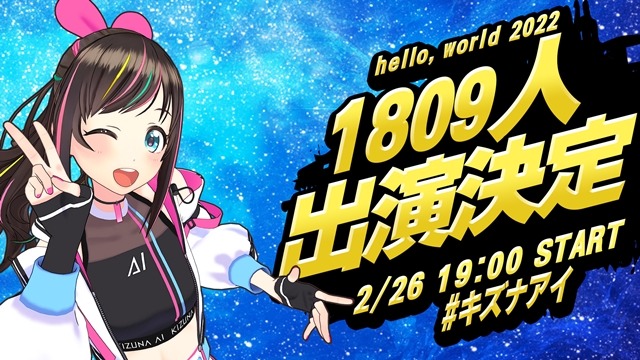
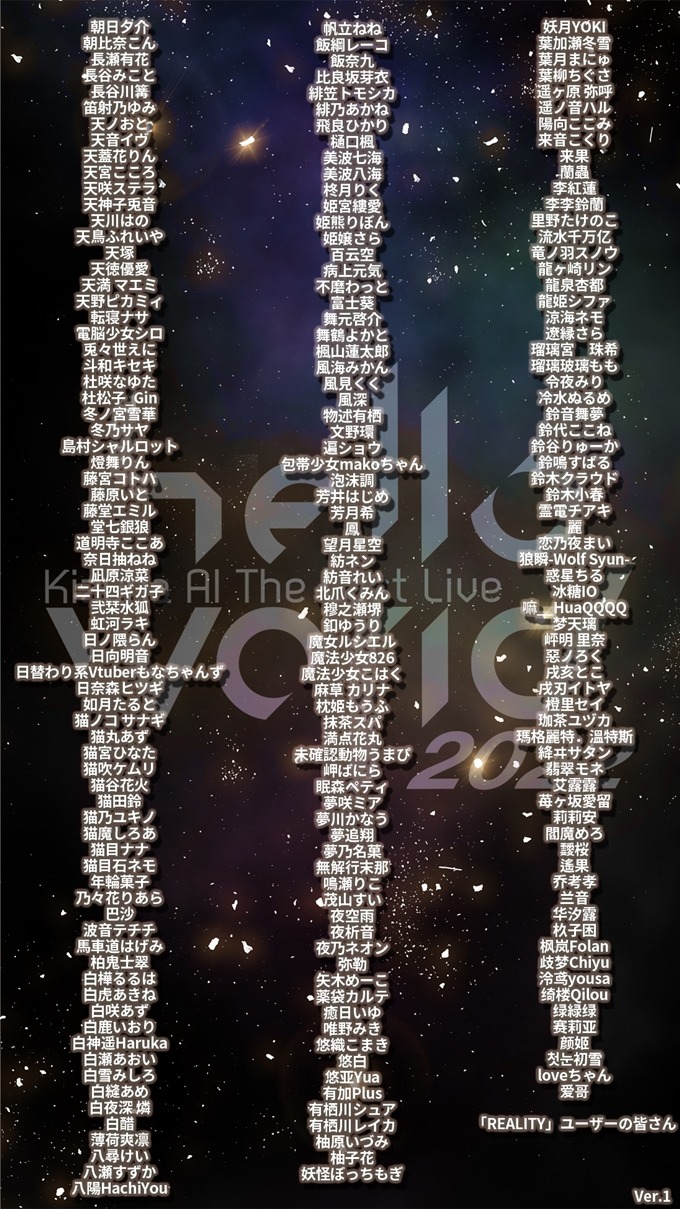
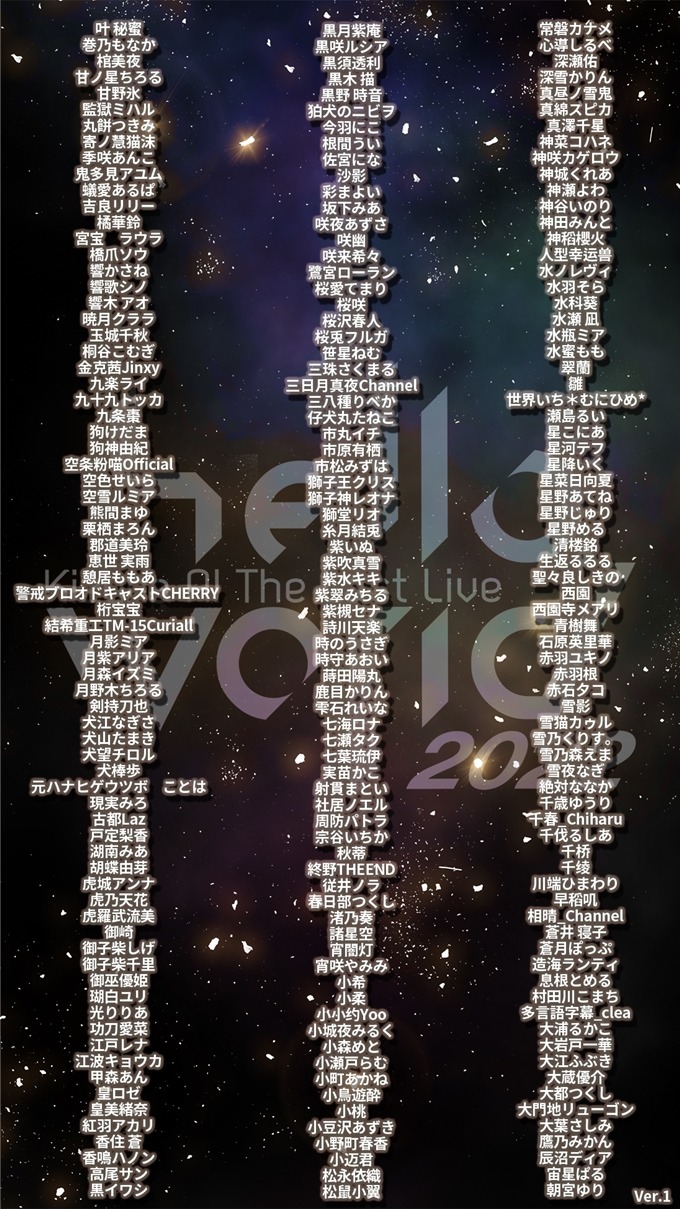
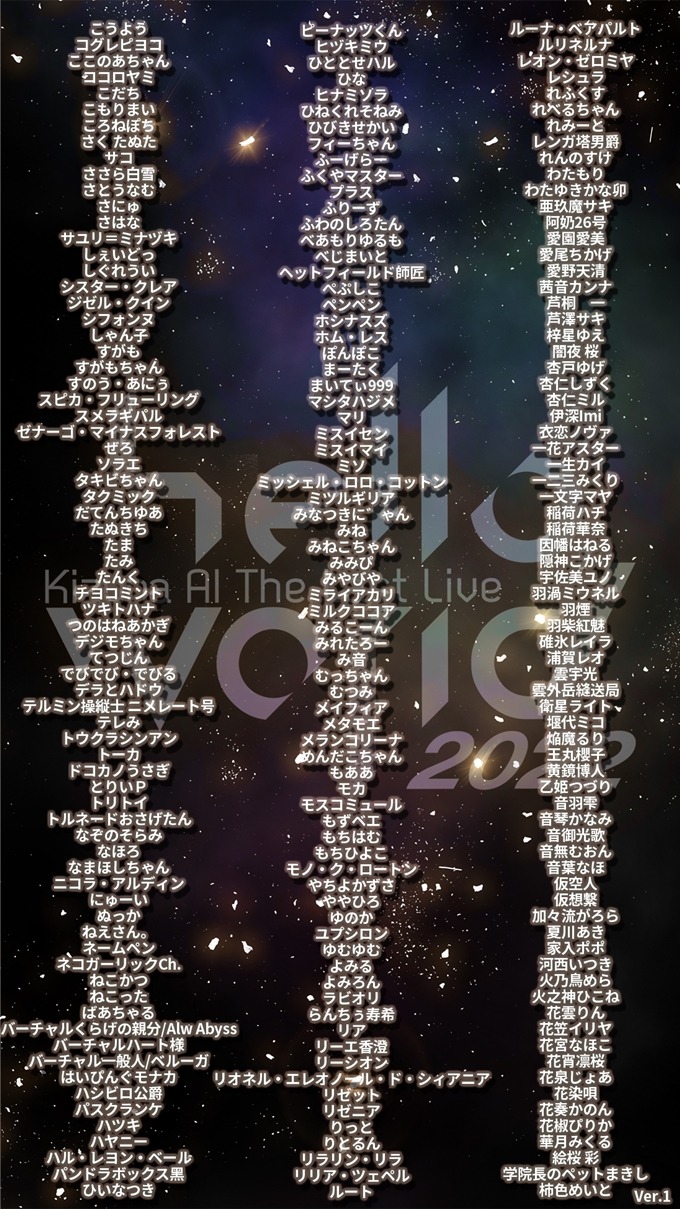
The headline figure of 1,809 virtual guests is, by any metric, an unprecedented feat in live event production. While virtual concerts have become increasingly common in the post-pandemic era, coordinating the participation of nearly two thousand distinct digital avatars—each representing a unique fan or content creator—required a logistical precision that rivaled major broadcast television events. This massive guest list was the result of a rigorous selection process: the organizers received a staggering 6,567 applications from across the globe, eventually whittling the list down to the final 1,809 via a competitive lottery system.
A Chronology of the Virtual Icon
To understand the significance of this final concert, one must look at the meteoric rise of Kizuna AI.
The Genesis: 2016
Kizuna AI debuted in late 2016, becoming the first creator to truly popularize the concept of the "Virtual YouTuber." At a time when YouTube was dominated by human personalities, her high-fidelity 3D model, combined with an infectious, upbeat personality, allowed her to bridge the gap between traditional anime aesthetics and interactive digital media.
The Peak: 2017–2019
By 2018, her influence had grown exponentially. She became a cultural ambassador for the Japan National Tourism Organization and secured numerous television appearances. Her growth trajectory was steep, moving from a niche internet curiosity to a mainstream Japanese celebrity. During these years, she redefined the potential for character-driven marketing, proving that a virtual entity could command the same, if not greater, engagement than a human influencer.

The Evolution: 2020–2021
As the VTuber industry exploded into a multi-billion dollar market, Kizuna AI began to experiment with more complex musical performances and live events. The technological infrastructure of her shows became more sophisticated, moving away from simple pre-recorded videos to complex, real-time motion capture spectacles.
The Final Bow: 2022
The announcement of her hiatus came in early 2022. The sentiment was that the "AI" had reached a point of evolution that required her to "update" her internal systems. The final concert served as the closing chapter of her initial iteration, allowing her to bid farewell to the fans who had supported her through the early, uncertain days of the medium.
Supporting Data: The Logistics of Scale
The production of “hello, world 2022” provides a fascinating case study in virtual event management. The technical challenges involved in rendering 1,809 individual assets into a single cohesive virtual stage are immense.
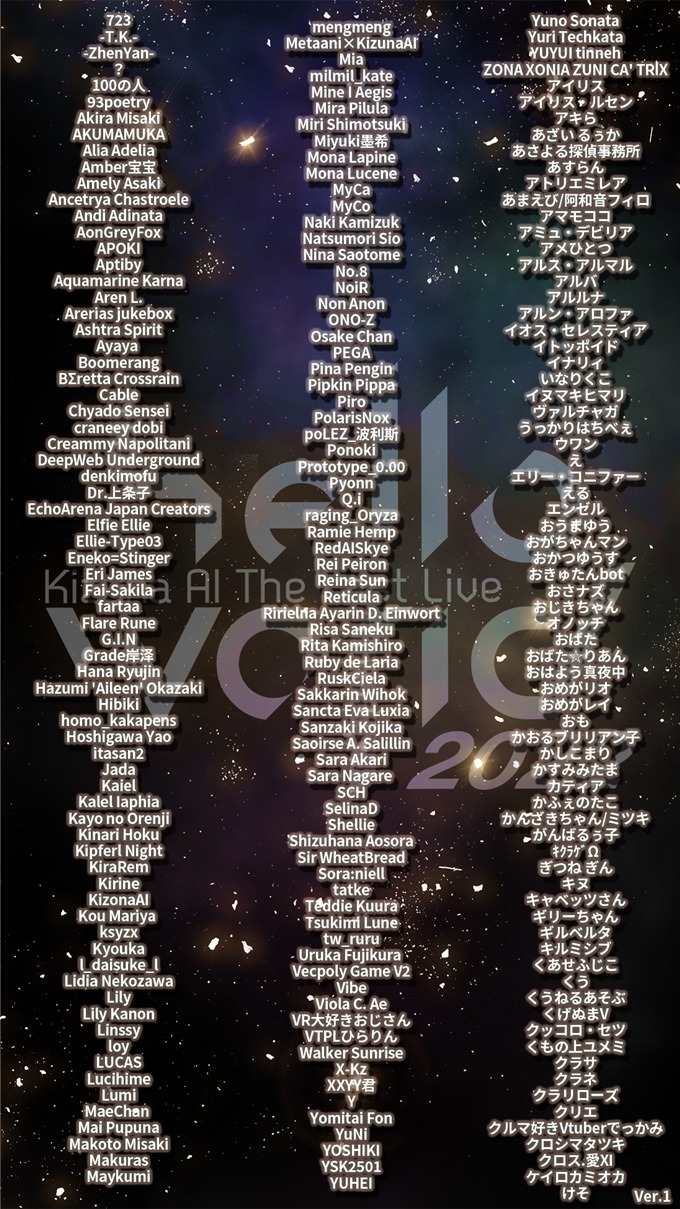
- Application Volume: 6,567 total applicants.
- Final Participation: 1,809 virtual guests.
- Selection Method: A randomized lottery to ensure fairness among the global fan base.
- Production Constraints: Due to the limitations of current real-time rendering and the physical (virtual) space of the stage, the number was capped at 1,809 to maintain visual integrity and latency standards.
The concept art released by the production team showcased a massive, circular, and vertical stage design, intended to allow the audience to see the mosaic of guest appearances. This design was crucial; it turned the audience into the set dressing, effectively placing the community at the literal center of the performance.
Official Statements and Industry Context
While the primary narrative was one of a "hiatus," the implications for the agency behind the character—Kizuna AI Inc.—were clear. In official press releases, the organization emphasized that this was a transition rather than a total deletion.
"The goal of this event is to demonstrate that Kizuna AI belongs to everyone who has ever interacted with her," a spokesperson noted in the lead-up to the event. The concert was designed to be a "hello" to the future, reinforcing the idea that the character’s legacy would continue to exist through the thousands of creators she inspired.
The industry consensus is that Kizuna AI’s success paved the way for the "Agency VTuber" model, where companies like Hololive and Nijisanji could thrive. By the time of her final concert, she was no longer just a single creator; she was the blueprint for an entire entertainment industry. Her departure marked the end of the "Foundational Era" and the beginning of a more corporatized, highly competitive, and technologically advanced era of virtual content.
Implications for the Future of Virtual Entertainment
The success of “hello, world 2022” raises several questions about the future of digital idols.
The Democratization of Performance
By inviting 1,809 fans to participate, the concert effectively blurred the lines between the "performer" and the "audience." This shift is likely to become a staple of future metaverse events. The ability for fans to inhabit digital spaces alongside their icons creates a level of parasocial connection that traditional concerts cannot replicate.
Technological Sustainability
The concert highlighted the limitations of current real-time rendering. As platforms evolve, we can expect "mass-participation" events to grow in scale. If 1,809 guests were possible in 2022, it is not a stretch to imagine thousands more in future iterations as cloud computing and edge rendering capabilities improve.
The "AI" Paradox
The choice of the word "hiatus" rather than "retirement" is telling. In the world of virtual idols, a character is a set of assets, voice samples, and, at times, a rotating cast of performers. The "Kizuna AI" brand remains a powerful intellectual property. Whether or not a successor emerges or the original persona returns, the event proved that the character is larger than any one person or technical setup.
Conclusion: A Legacy Carved in Code
As the final notes of “hello, world 2022” faded, the screen did not just go dark; it transitioned into a new era of digital history. The 1,809 guests were not just background figures; they were symbols of a community that spans borders, languages, and cultures.
Kizuna AI’s final concert was a masterclass in how to conclude a project in the digital age. By involving the fans in such a direct, literal way, the organizers ensured that the memory of the event would be etched into the personal histories of every participant. She began as a lone AI trying to understand humanity, and she ended by becoming the connective tissue for a global movement. While she may be on hiatus, the virtual stage she helped build remains, and the thousands of creators she inspired are just beginning their own performances. The "hello" in her final concert title was perhaps the most poignant part—not a goodbye, but a greeting to the next generation of virtual pioneers.









No comments yet. Be the first to join the conversation!