At SIGGRAPH 2026, the global epicenter of computer graphics, Nvidia once again took center stage to provide a critical update on its most polarizing piece of software technology: DLSS 5. Since its initial unveiling earlier this year, the Deep Learning Super Sampling 5 platform has been a lightning rod for debate within the gaming community, sparking intense discussions about the role of generative AI in visual fidelity, the preservation of artistic intent, and the hardware requirements necessary to power the next generation of real-time rendering.
As Nvidia works toward a broader release in the third quarter of 2026, the company’s presence at SIGGRAPH served as both a technical showcase and a strategic effort to mollify critics who previously labeled the technology as a step too far into "AI slop."
The Core Evolution: Understanding DLSS 5
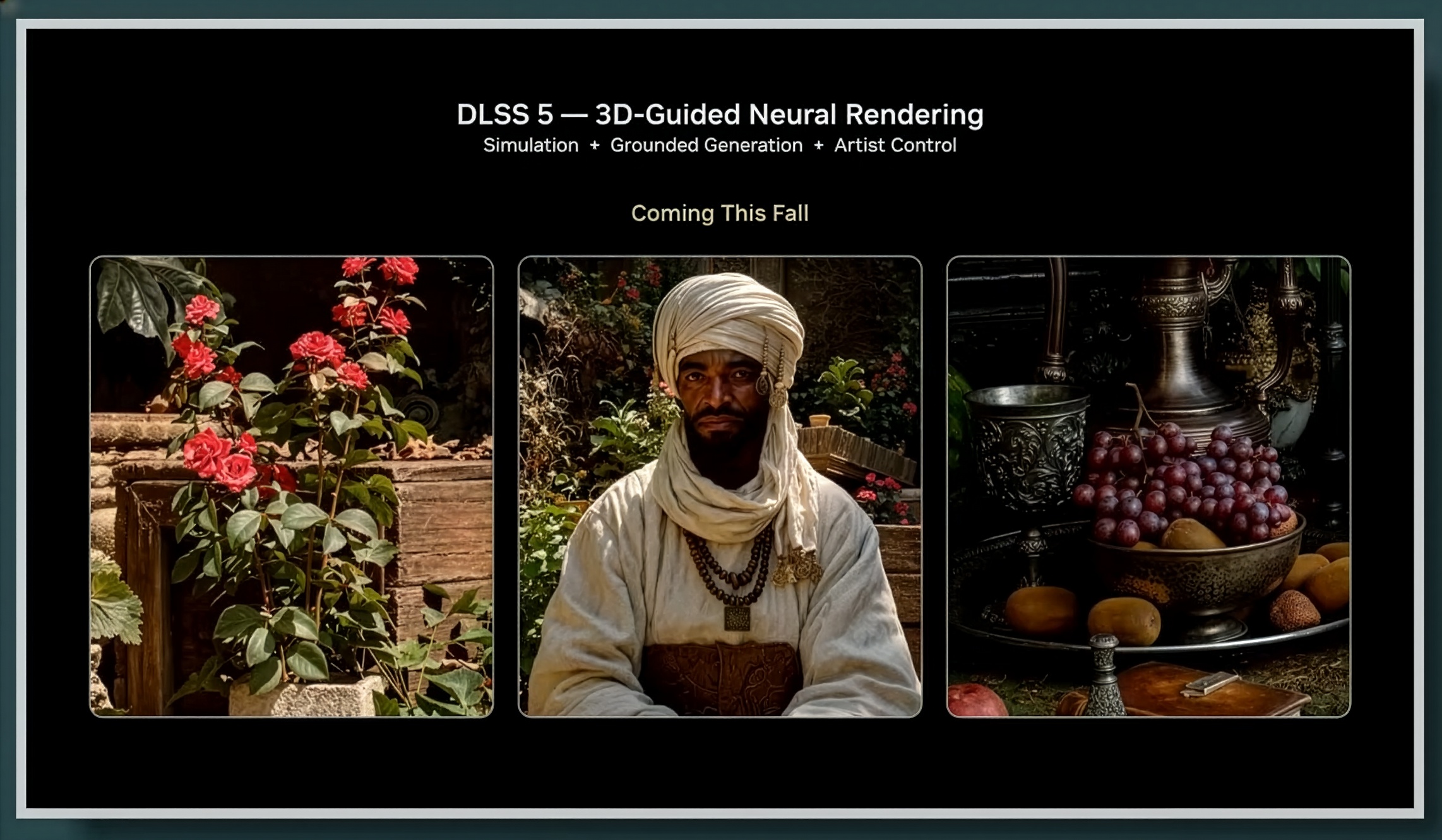
At its heart, DLSS (Deep Learning Super Sampling) has evolved from a simple upscaling tool into a complex, multi-layered AI pipeline. DLSS 5 represents the most significant departure from its predecessors. While previous versions focused heavily on reconstructing pixels from lower resolutions to boost frame rates, DLSS 5 introduces a sophisticated, multi-model approach to "beautification" and pixel generation.
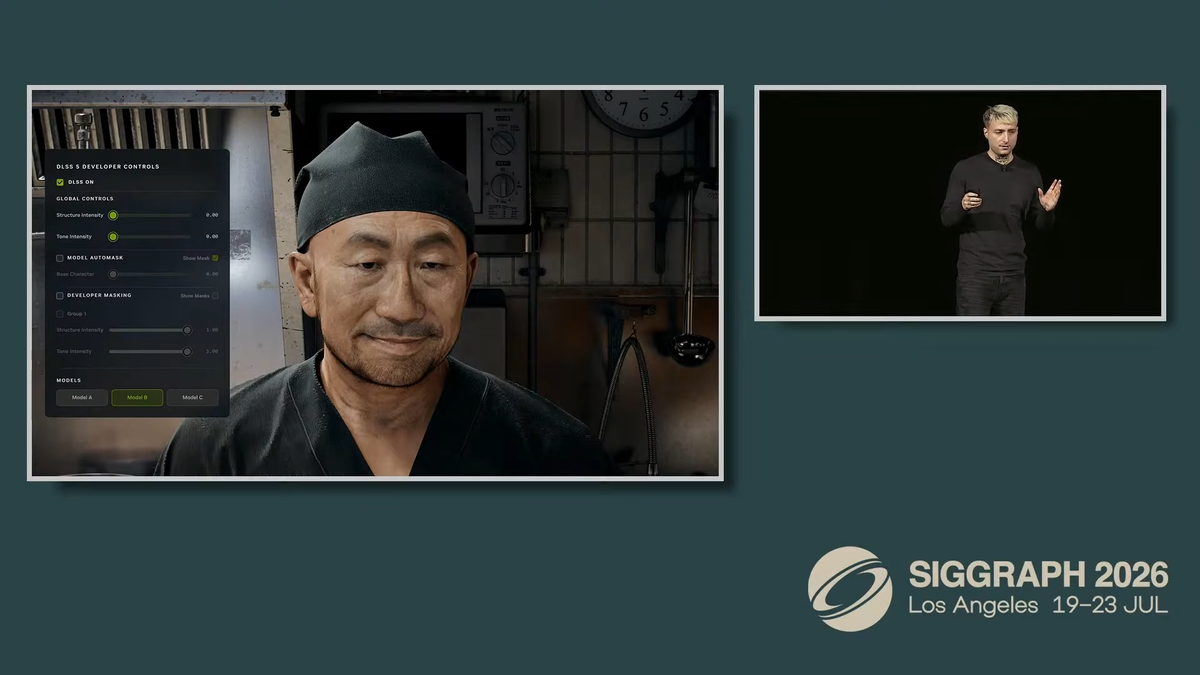
The technology is no longer a monolithic process. Instead, it employs three distinct AI models that developers can swap or combine in real-time. This modularity allows for unprecedented control over how a scene is rendered. For instance, a game engine might use a lightweight model for fast-moving environments to maintain high performance, while deploying a more intensive, higher-fidelity model for static, cinematic cutscenes.
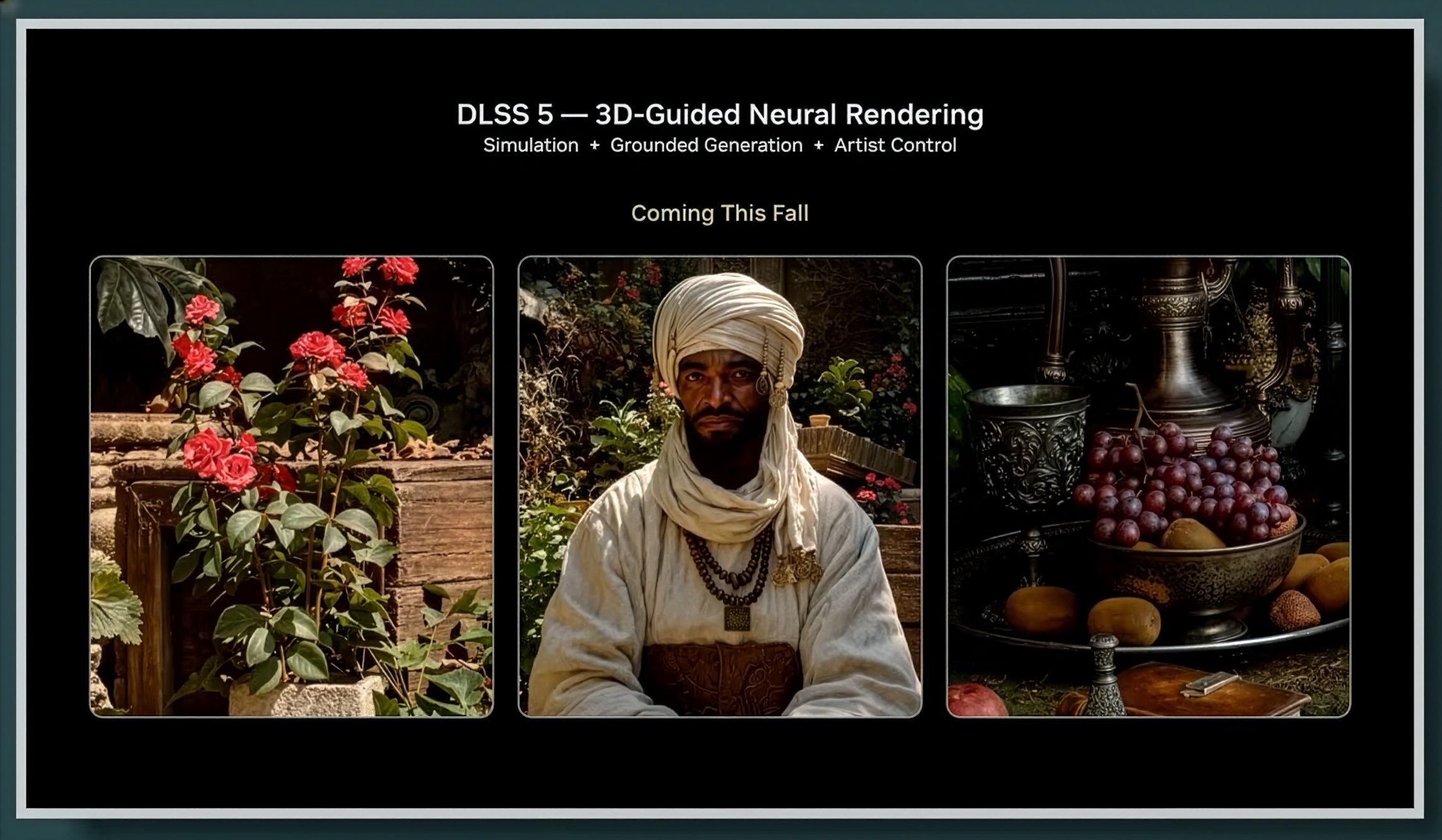
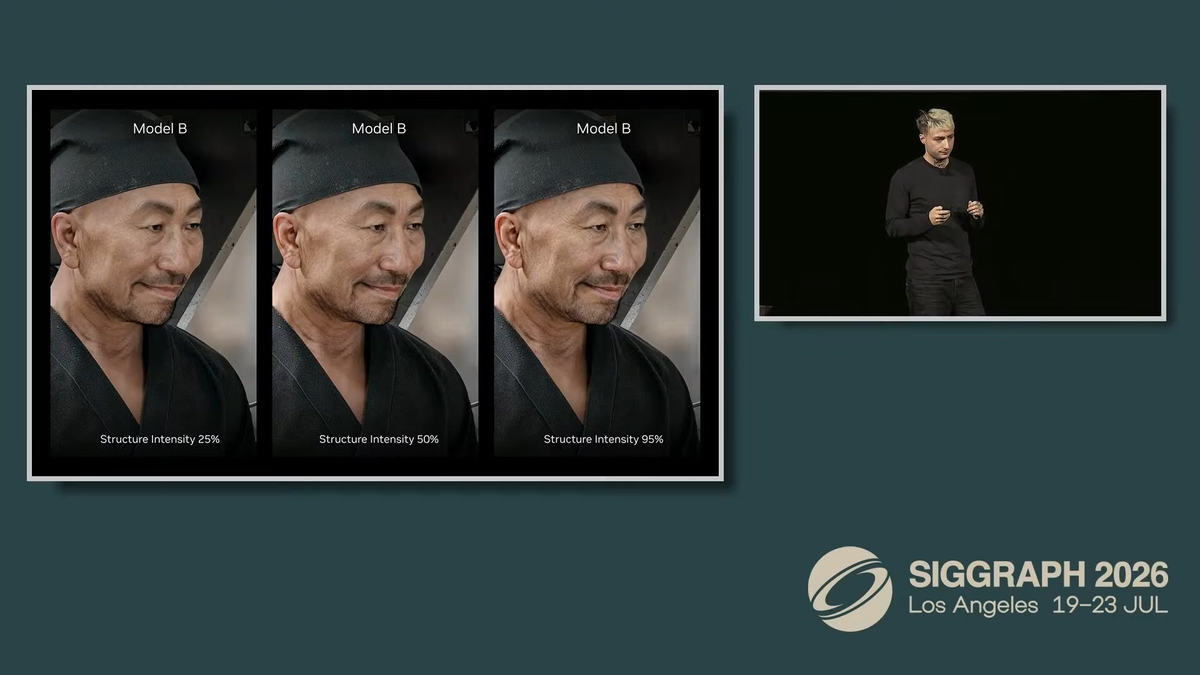
Furthermore, the technology now permits granular, per-element tuning. Developers can choose to apply heavy AI-driven enhancements to characters and hero assets while leaving the background environment relatively untouched. This is designed to satisfy the primary criticism leveled at earlier builds: that the AI was "washing out" the artistic vision of developers by applying a uniform, synthetic look across the entire frame.
A Chronology of Conflict
The journey of DLSS 5 has been anything but smooth. Its debut earlier this year was met with immediate skepticism.
- Initial Reveal: Nvidia introduced DLSS 5 as a revolutionary way to handle complex lighting and photorealistic materials. The marketing focused heavily on "generative" pixels, which immediately triggered fears of AI hallucination—the tendency for models to invent details that weren’t part of the original game assets.
- The Backlash: Enthusiasts and members of the press were quick to point out that the technology seemed to overstep its bounds. Critics argued that by using generative AI to "fill in the blanks," the game was no longer reflecting the developer’s work, but rather the interpretation of a black-box algorithm.
- The Executive Response: The controversy reached a fever pitch when Nvidia CEO Jensen Huang publicly defended the technology. In a series of comments that further fueled the fire, Huang suggested that the gaming community’s backlash was rooted in a fundamental misunderstanding of how the technology operates. He maintained that DLSS 5 is a tool for empowerment, not a replacement for creative work.
- The SIGGRAPH Pivot: By the time the SIGGRAPH 2026 keynote arrived, the tone had shifted. Nvidia presented a more polished, nuanced vision, emphasizing user and developer control, and moving away from the "AI-does-everything" narrative that characterized the initial launch.
Technical Hurdles and Performance Breakthroughs
Nvidia’s engineering team identified three primary technical challenges that they claim have been addressed in the latest iteration of DLSS 5.
1. Preserving Artistic Intent
The primary concern regarding "AI hallucination" has been the most difficult to tackle. By moving to a three-model system, Nvidia allows developers to dial back the generative strength of the software. By providing developers with the tools to define exactly how much "AI influence" is applied to a specific asset, the company claims it can now prevent the dreaded "plastic look" that characterized early AI-upscaled imagery.
2. Latency and Frame-by-Frame Processing
One of the most significant technical hurdles for any generative AI in gaming is the latency introduced by processing multiple frames. Generative models typically require historical data—looking at past frames to predict future ones. However, in a fast-paced shooter or racing game, this can result in input lag.
Nvidia revealed at SIGGRAPH that DLSS 5 has been optimized to handle frames on a more localized, near-instantaneous basis. This is crucial for maintaining the responsiveness that gamers demand. The company claims that the latency added by the new model is negligible, keeping it competitive with, or even superior to, native rendering performance in high-motion scenarios.
3. Hardware Efficiency
Perhaps the most notable revelation from the SIGGRAPH presentation was the optimization of the model’s footprint. During its first demonstration, DLSS 5 was reportedly running on a system equipped with dual RTX 5090 GPUs. This created a perception that the technology would be exclusive to the absolute highest-end, "prosumer" hardware.
At SIGGRAPH, however, the company showcased the software running on a single, standard-tier Blackwell GPU. By distilling knowledge from larger, server-side diffusion models into a more compact, consumer-grade version, Nvidia has made a massive stride in "VRAM efficiency." While the company stopped short of providing a full list of supported hardware, the implication is that the tech is intended for the broader RTX 50-series ecosystem.
Official Responses and Industry Context
The industry landscape is becoming increasingly crowded. With AMD’s recent announcement of FSR 4.1—which has been integrated into over 300 games and offers a surprisingly robust, integer-based upscaling solution—Nvidia is under significant pressure.
Nvidia’s stance remains consistent: they view the future of gaming as inherently AI-driven. During the SIGGRAPH Q&A session, company representatives reiterated that the "beautification" features—the very elements that caused the initial uproar—remain optional. While the upscaling component is considered the "foundation" for modern ray tracing and anti-aliasing, the generative enhancements can be toggled by the developer.
However, a lingering question remains: will players have the same agency? The current documentation suggests that the "beautification" levels are set at the engine level by developers, leaving it unclear if individual users will have an "AI-off" switch for these specific features in every title.
Implications for the Future of Graphics
As we look toward the Q3 2026 launch window, the implications of DLSS 5 extend far beyond simple frame-rate gains.
The Death of Native Resolution?
If DLSS 5 becomes as ubiquitous as its predecessors, we may be approaching the end of "native" rendering as the standard. With AI models now capable of hallucinating high-quality textures and lighting in real-time, the incentive for developers to render at high internal resolutions diminishes. This could lead to a massive leap in graphical fidelity, as developers focus on AI-ready assets rather than traditional, brute-force geometry.
The Community Divide
Despite the technical advancements, the community remains divided. There is a segment of the enthusiast market that views these advancements as a "crutch" for poor optimization. These critics argue that instead of refining AI models to hide graphical flaws, developers should focus on more efficient engine code. The success of DLSS 5 will likely hinge on whether the visual improvements—such as the enhanced lighting and material photorealism—are perceived as "necessary" or "gimmicky" by the end-user.
Market Competition
Nvidia’s push for AI dominance is a clear signal to competitors like AMD and Intel. If Nvidia can successfully standardize DLSS 5, they will lock in a generation of gamers to their hardware ecosystem, as the software becomes a "must-have" for playing the latest titles at 4K resolution with high-fidelity ray tracing. AMD’s FSR 4.1, while impressive, relies on a different architecture that may struggle to match the specific "generative" capabilities of Nvidia’s Blackwell-optimized models.
Conclusion: A Turning Point
The presentation at SIGGRAPH 2026 has effectively reset the narrative for DLSS 5. By pivoting from a "generative-first" approach to a "modular-control" framework, Nvidia has demonstrated a willingness to listen to its user base.
While the technology is undeniably impressive, the true test will arrive in the third quarter of 2026. When DLSS 5 finally makes its way into the hands of millions of gamers, the "artistic intent" debate will be settled in the only way that truly matters: by how the games actually look and feel.
For now, the industry is left with a fascinating paradox. We are entering an era where the most "realistic" visuals are, in fact, the most synthetic. As AI continues to blur the lines between what is rendered by the GPU and what is imagined by the neural network, the definition of a "frame" in video games is being rewritten in real-time. Whether that is a triumph of engineering or a tragedy for the craft of traditional graphics remains the defining question of this generation.