Basiran
Published: May 29, 2026
When CD Projekt Red unleashed The Witcher 3: Wild Hunt upon the world in 2015, the gaming landscape shifted permanently. While both the video game franchise and Andrzej Sapkowski’s literary source material already commanded a fervent, dedicated following, neither had yet achieved the global, mainstream cultural ubiquity they enjoy today. Over a decade later, The Witcher 3 stands not merely as a relic of its era, but as a living, breathing gold standard for fantasy role-playing games. Its longevity is not an accident; it is the direct result of a world designed with a meticulous, almost obsessive attention to unpredictability and consequence.
The Evolution of the Continent: A Chronology of Impact
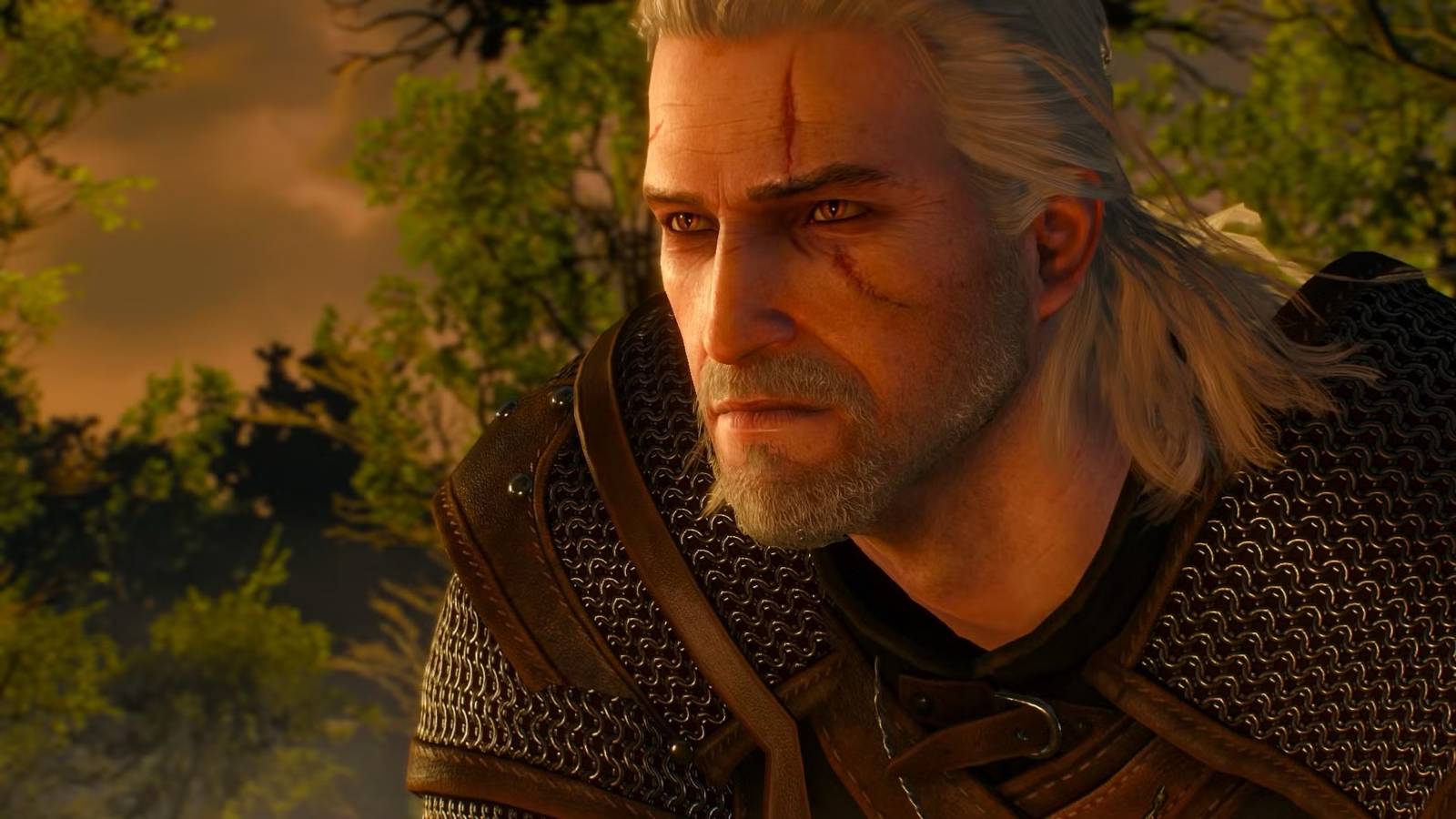
The trajectory of The Witcher 3 is a study in sustained excellence. Following its initial launch in May 2015, the game was immediately lauded for its narrative depth and technical ambition. Unlike many of its contemporaries, which favored "checklist-style" open worlds, CD Projekt Red crafted a map—the Continent—that felt organic.
Throughout 2016 and 2017, the release of major expansions Hearts of Stone and Blood and Wine served to deepen the lore and technical mechanics of the game, essentially creating a benchmark for post-launch content. As the game transitioned into the 2020s, it received comprehensive next-generation updates, keeping it relevant on modern hardware like the PlayStation 5 and Xbox Series X/S. Today, in 2026, the game is still cited by developers and players alike as the primary case study for how to balance player freedom with a cohesive, meaningful narrative.

Mechanical Mastery: What Makes the Continent Enticing
The magic of The Witcher 3 lies in its refusal to hold the player’s hand. The unpredictability of traversing the world is a deliberate design choice that forces the player to engage with the environment as a professional monster hunter would—with caution, preparation, and curiosity.
1. The Strategy of Enemy Level Scaling
One of the most debated settings in the game is the enemy level scaling option. For those seeking the "authentic" experience, keeping this setting off transforms the game into a true test of progression. Without scaling, the player is subject to the harsh reality of the world: you might be an overconfident level 5 Geralt wandering into a high-level zone, only to be one-shot by a creature far beyond your current capabilities.

This creates a palpable sense of danger. It forces players to respect the geography of the map and acknowledge that not every corner of the Continent is meant to be conquered immediately. It is a double-edged sword that rewards exploration with high-level loot, but punishes recklessness with swift, brutal death.
2. Illusions and the Eye of Nehaleni
Exploration in The Witcher 3 is rarely a linear affair. The introduction of the Eye of Nehaleni, a tool provided by the sorceress Keira Metz during the "Wandering in the Dark" quest, is a perfect example of how the game rewards curiosity. By dispelling magical illusions, players can uncover hidden rooms, secret cave entrances, and long-forgotten vaults. This mechanic ensures that players never take their environment at face value. A seemingly solid stone wall might hide a cache of legendary Witcher gear, turning a routine trek through the woods into a moment of discovery.
3. The Treacherous Skellige Isles
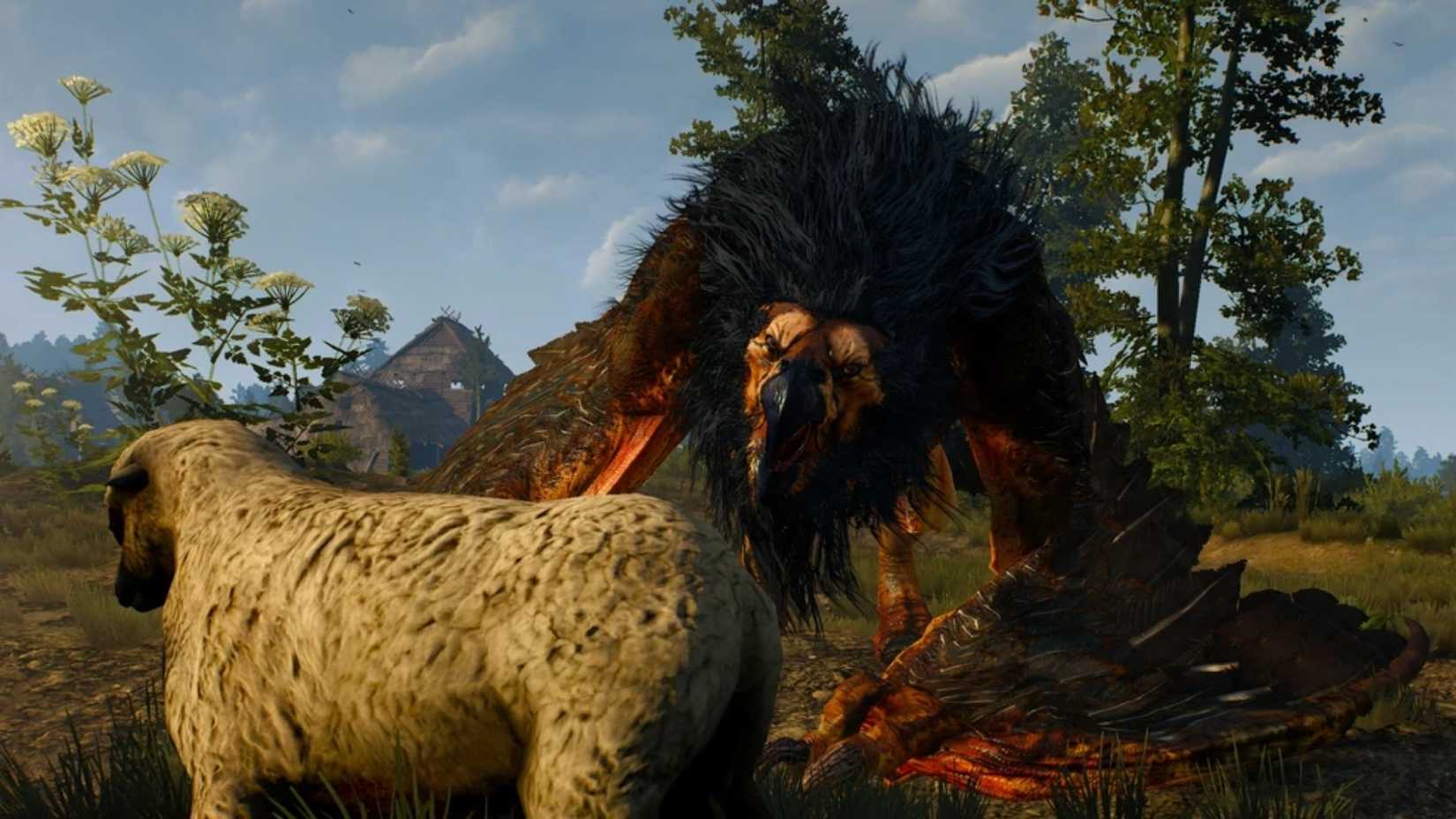
The transition from the war-torn lands of Velen to the harsh, wind-swept Skellige Isles represents a massive shift in gameplay dynamics. Skellige is more than just a change in scenery; it is a mechanical escalation. The deep-sea sailing and the hunt for "Spoils of War" amidst the archipelago require the player to master new combat techniques and environmental awareness. Dealing with sirens while navigating a boat, all while trying to recover sunken treasure, provides a high-stakes gameplay loop that keeps the experience fresh, even hundreds of hours into a save file.
The Snowball Effect of Narrative Quests
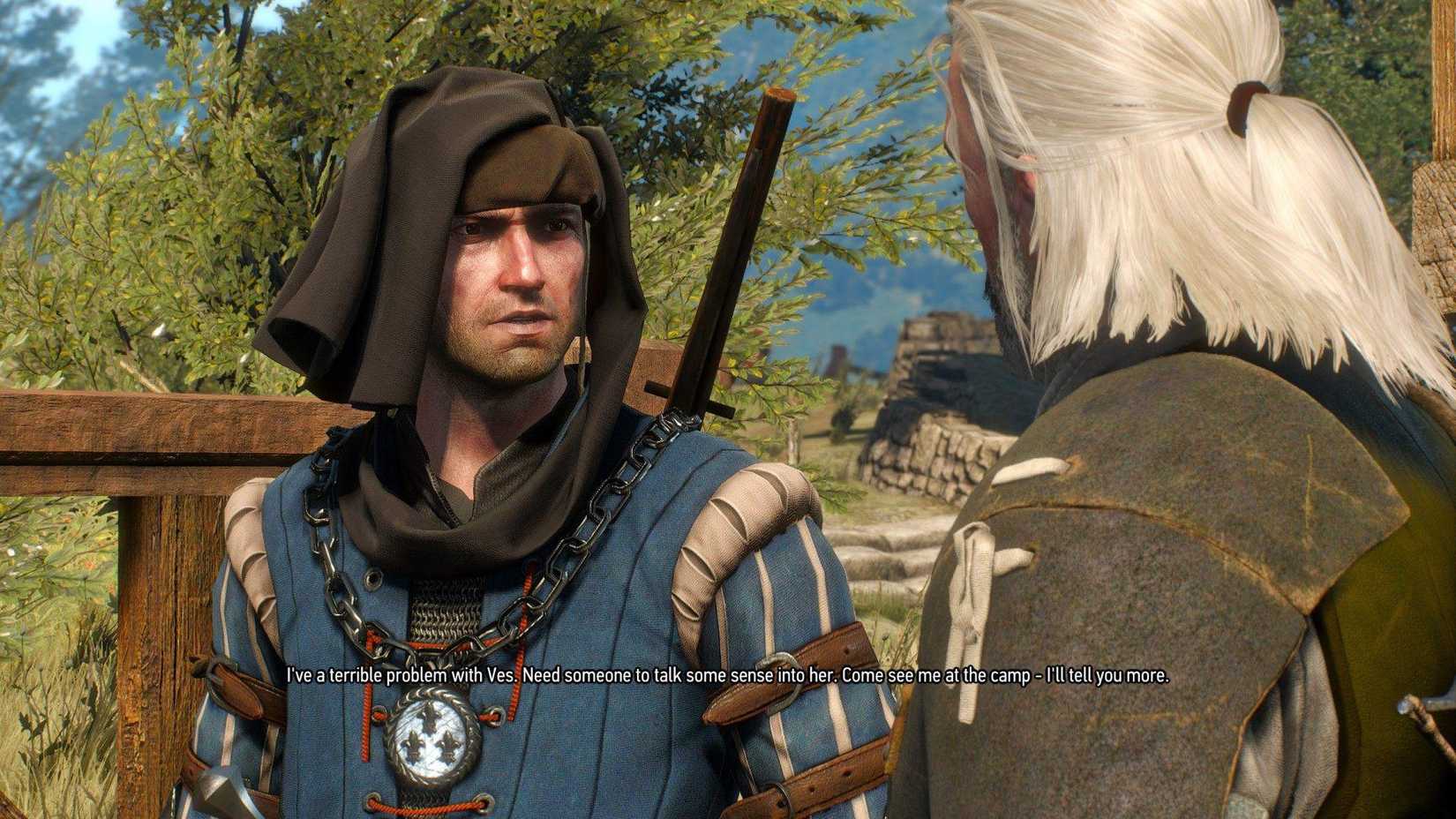
Perhaps the most impressive feat of the game is its quest design. Many titles suffer from "quest fatigue," where tasks feel like chores. In The Witcher 3, a simple request from a villager can snowball into an intricate, multi-layered adventure.

Take the hunt for Witcher Gear sets, for example. What begins as a search for a specific piece of equipment quickly evolves into a sprawling scavenger hunt that takes the player to the deepest, most dangerous corners of the map. The reward—armor that is not only statistically powerful but visually distinct—is earned through effort and investigation, reinforcing the idea that on the Continent, you get out exactly what you put in.
Environmental Variables and Immersive Systems
The game’s attention to detail extends to the very air and light of the world.
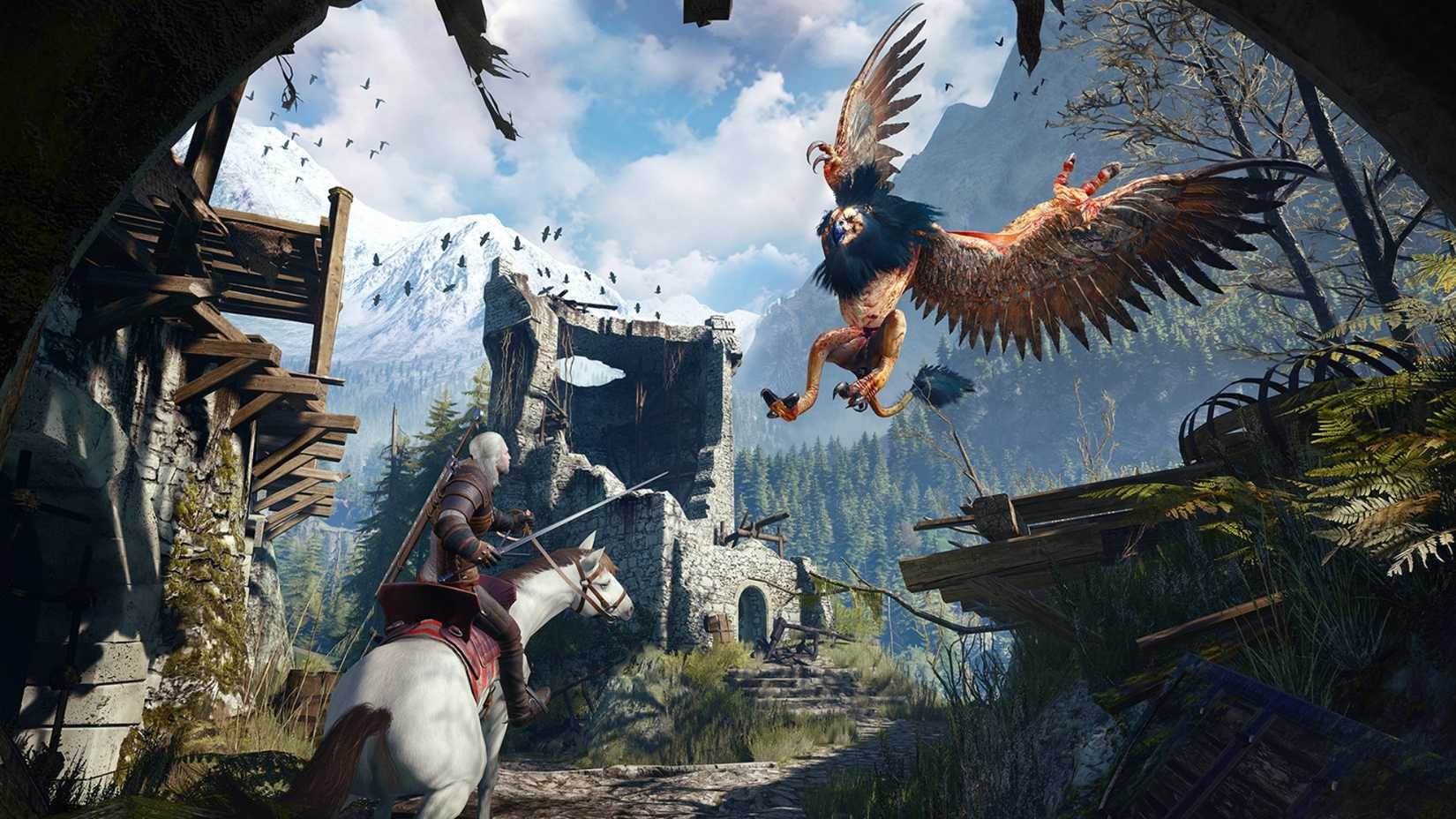
- Dynamic Weather: Weather in The Witcher 3 is not merely cosmetic. It dictates the effectiveness of certain potions and decoctions. Superior Thunderbolt potions and Foglet decoctions, for instance, are significantly more potent in inclement weather.
- Time-of-Day Dependencies: Monsters are tied to the clock. Noonwraiths and Nightwraiths emerge only when the time is right, forcing the player to plan their hunts around the cycle of the sun and moon.
- Lighting and Navigation: The use of the "Cat" potion or a simple torch to navigate pitch-black caves remains a masterclass in tension. Being forced to manage your visibility in the dark is an obstacle that, while inconvenient, creates a level of immersion that modern titles often overlook.
The Philosophy of Consequence
The crowning achievement of The Witcher 3 is its branching narrative. Every choice—from the fate of a Godling like Sara to the political future of the Northern Kingdoms—carries weight. The "Whispering Hillock" quest is frequently cited as the gold standard for this design philosophy. The decisions made there are not "good" or "evil" in a binary sense; they are complex, messy, and often result in tragic outcomes that the player must live with.
This system ensures that no two playthroughs are identical. By forcing the player to weigh the morality of their actions against the practical necessity of survival, CD Projekt Red has created a narrative engine that is as much about the player’s own values as it is about the story of Geralt of Rivia.
Supporting Data and Technical Context
From a technical standpoint, the game runs on the proprietary REDengine 3. This engine was specifically designed to handle the complexities of a seamless open world, allowing for a high degree of fidelity in both character models and environmental textures. The data regarding player engagement suggests that the average completion time for a standard playthrough, including side content, exceeds 100 hours—a testament to the density of the content provided.
Official Responses and Developer Legacy
CD Projekt Red has consistently maintained that the philosophy behind The Witcher 3 was to prioritize "meaningful content over volume." In various post-mortem interviews, developers have noted that the goal was to ensure that even the smallest side quest had a unique story beat. This dedication to quality is why the game has maintained such a high score on aggregate review sites over the last decade. It remains the company’s North Star, influencing the development of subsequent projects and setting a high bar for the RPG genre at large.

Implications for the Future of RPGs
The legacy of The Witcher 3 is clear: players crave depth, consequence, and a world that feels as though it exists independent of their actions. As we look toward the future of the genre, the lessons of the Continent remain vital. Developers are increasingly moving away from empty, massive maps in favor of smaller, more densely packed environments where every cave, village, and monster encounter serves a purpose.
By refusing to settle for the status quo in 2015, CD Projekt Red ensured that The Witcher 3 would not just be a successful game, but a permanent fixture in the history of interactive entertainment. It remains a reminder that in the realm of fantasy RPGs, the most important element is not the size of the map, but the depth of the stories hidden within its shadows.


 Nana
Nana
 Jia Lissa