Ammar Sabilarrohman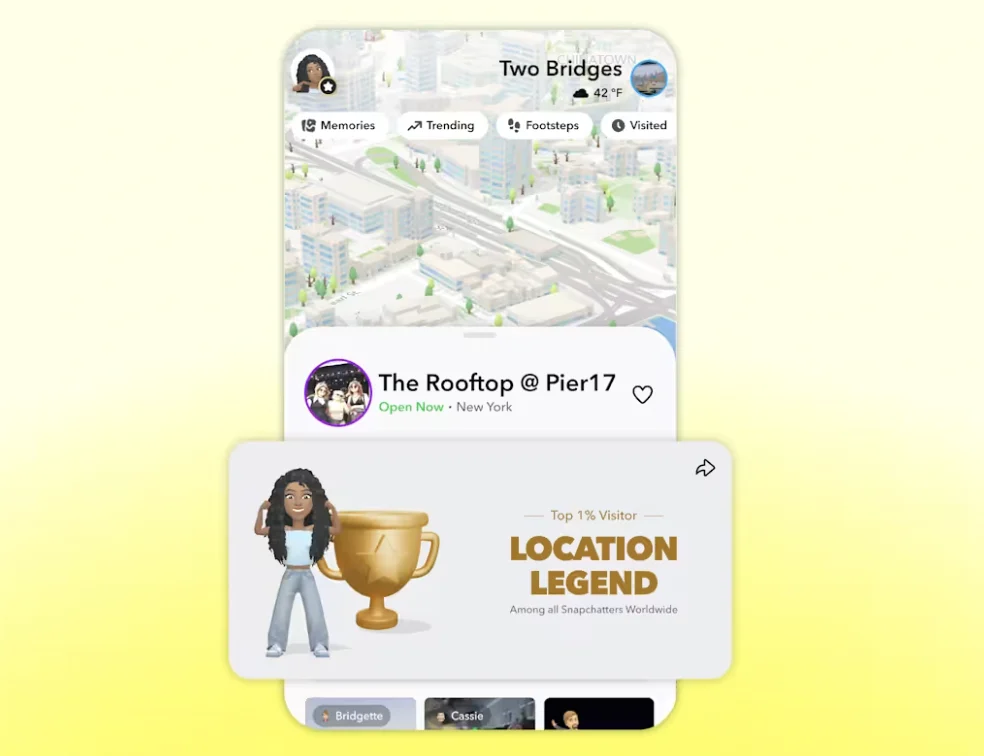
In an era where social media is often criticized for the "doomscrolling" fatigue caused by passive content consumption, Snapchat stands as a radical outlier. Rather than chasing the vanity metrics of endless feeds, the platform has cultivated a space for intimate, intentional communication. As we move through 2026, Snapchat has cemented its position as a powerhouse of personal engagement, particularly among the coveted 13- to 24-year-old demographic. For brands and marketers, the message is clear: if you are not where your audience is building their most private relationships, you are effectively invisible.
The State of the Platform: Key Performance Indicators
The latest financial and user data from Q1 2026 confirms that Snapchat is not merely surviving—it is thriving in a competitive landscape. With 956 million monthly active users (MAUs) and 483 million daily active users (DAUs), the platform is rapidly approaching the symbolic 1-billion-user milestone.
Essential Performance Metrics
| Metric | Significance |
|---|---|
| 956M Monthly Active Users | Provides massive global reach for brand awareness. |
| 90% Reach of 13-24s | Unrivaled penetration in the Gen Z and young Millennial segments. |
| 108.8M Users in India | Highlights the platform’s vital role in international expansion strategies. |
| 30 Minutes Avg. Daily Usage | Represents high-intent, active communication over passive scrolling. |
| $1.52B Q1 2026 Revenue | Demonstrates sustained financial health and advertiser confidence. |
Chronology of Growth: From Ephemeral App to Marketing Powerhouse
Snapchat’s trajectory has been one of consistent, calculated evolution. Unlike its competitors, which often pivot to mimic trending features, Snapchat has remained focused on its core identity: the camera as a bridge for communication.

In early 2025, the platform saw a pivotal shift toward deepening its relationship with creators. By introducing robust monetization tools and expanding its "Snapchat+" subscription service, the company successfully incentivized high-quality content creation. As of Q1 2026, that strategy has paid dividends, with subscription numbers surging past 25 million. This growth trajectory, marked by a 5% year-over-year increase in both daily and monthly users, proves that the platform has successfully transitioned from a "youth trend" to a legacy-grade social utility.
Deep Dive: Demographic Dominance
Snapchat’s hold on the youth market is statistically profound. The largest cohort on the platform remains the 18- to 24-year-old bracket, comprising 35.4% of the total user base. When combined with the 25–34 age group (25.2%) and the under-18 segment (18.3%), it becomes evident that Snapchat is effectively the "digital living room" for the majority of the world’s most influential consumers.
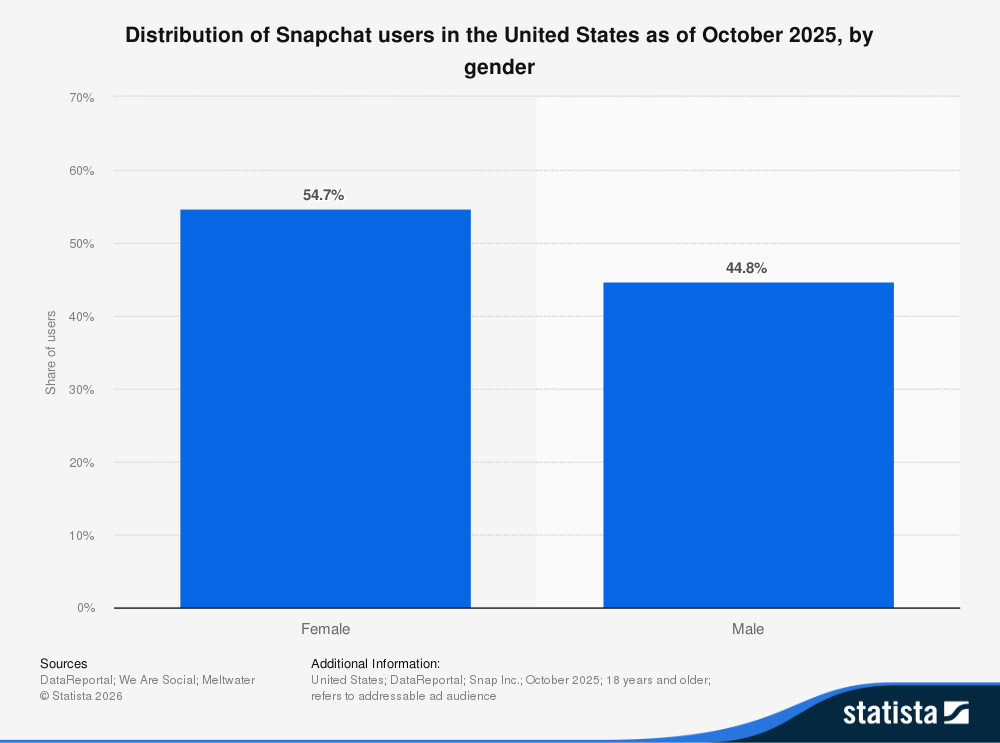
Beyond age, the platform offers a uniquely balanced gender distribution. While the global user base is split almost down the middle—50.7% male and 48.4% female—the United States market shows a distinct tilt, with 54.7% female users. This nuance allows US-based brands to tailor their creative assets to specific demographic preferences with surgical precision.
The Psychology of Engagement
To understand why Snapchat remains a "sticky" platform, one must look at usage habits. Users open the application more than 30 times per day. This is not because they are passively consuming long-form content, but because they are engaged in the digital equivalent of face-to-face conversation.
With 5.5 billion Snaps sent daily, the platform facilitates 3.5 billion unique pairs of friends interacting every 24 hours. Crucially, 90% of these interactions occur within a user’s "inner circle" of top five friends. This intimacy is exactly what makes the platform so valuable for marketers: brand messages that reach users in this environment are received with higher trust and lower skepticism than those encountered on open-feed platforms.
Official Perspectives and Strategic Implications
Snap Inc. has maintained a firm stance on its value proposition: it is not a media company, but a technology company centered on the camera. Official communications from the company emphasize "real-life" content over "polished perfection."
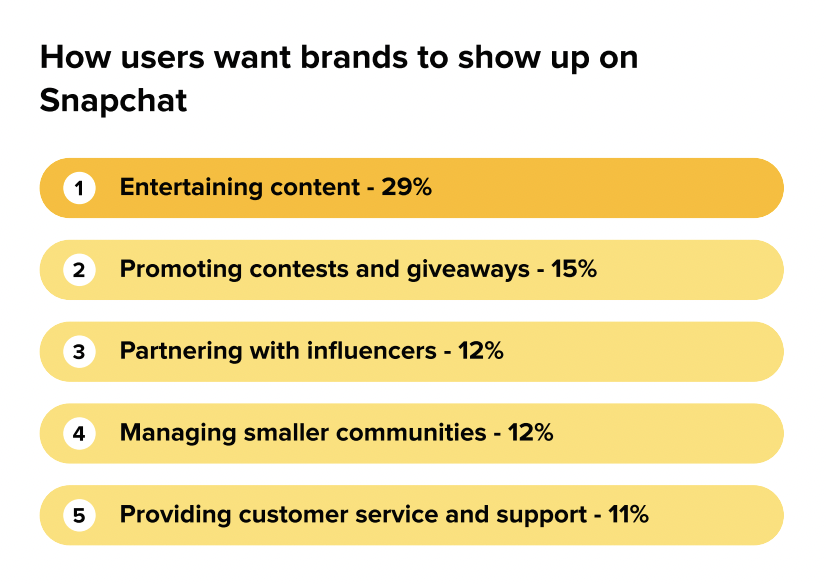
The data confirms that this approach is working. According to research from MAGNA and Snap Inc., 87% of users are open to brand-sponsored creator content. Furthermore, Snapchatters are 16% more receptive to sponsored creator content than non-users, suggesting that the platform’s culture of authenticity actually protects brands from the typical "ad-blindness" found on other social networks.
The Power of AR and Local Discovery
Augmented Reality (AR) remains the platform’s technological moat. With 75% of users engaging with AR features daily, and 9 billion AR Lenses utilized every single day, the barrier between physical and digital reality has effectively vanished.
The introduction of "Place Loyalty" on Snap Map further bridges this gap. By allowing businesses to engage with users based on physical location and repeat visits, Snapchat is moving into the realm of local commerce. It is no longer just about digital impressions; it is about driving foot traffic and verifiable IRL (In-Real-Life) interactions.
Strategic Implications for Modern Marketers
The data presents three primary takeaways for organizations looking to scale their digital strategy:
- Prioritize Authenticity: Because 64% of ads are viewed with the sound on, and users crave "real" creator content, brands should pivot away from over-produced commercials. Use human-centric, sound-on creative that feels native to the user experience.
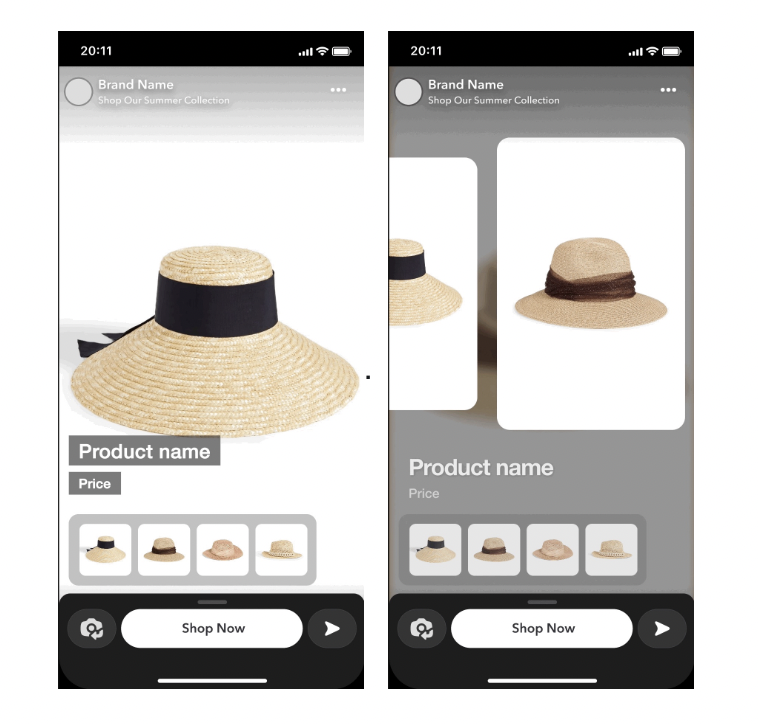
- Lean into Commerce: With users being 34% more likely to purchase products they see on the platform, and the rise of Dynamic Product Ads (which saw a 30% revenue increase), the path from discovery to purchase is shorter on Snapchat than perhaps any other social app.
- Invest in AR: An AR-first approach is no longer a luxury. Campaigns using AR lenses generate 2.4 times the ad awareness lift compared to traditional formats. Brands that fail to integrate AR are losing a massive opportunity to provide interactive value.
Conclusion: Capitalizing on the "Snapchat Effect"
The numbers are unequivocal: Snapchat is not a secondary platform to be ignored; it is a primary engine for high-intent, high-trust consumer engagement. While only 30% of companies currently maintain a formal presence on the app, the 75% engagement rate among Gen Z and Millennials suggests that this is a significant market failure.
As we look toward the remainder of 2026, the brands that win will be those that embrace the intimacy of the platform. By moving beyond traditional advertising and leaning into the authentic, community-driven nature of Snapchat, businesses can tap into a $4.4 trillion global spending power. The opportunity is there, the audience is waiting, and the tools are more sophisticated than ever. The question is no longer whether your brand can afford to be on Snapchat, but whether it can afford to be left behind by the most active generation in history.


 Jia Lissa
 Raul Delapena Setiawan