Sagoh
Sagoh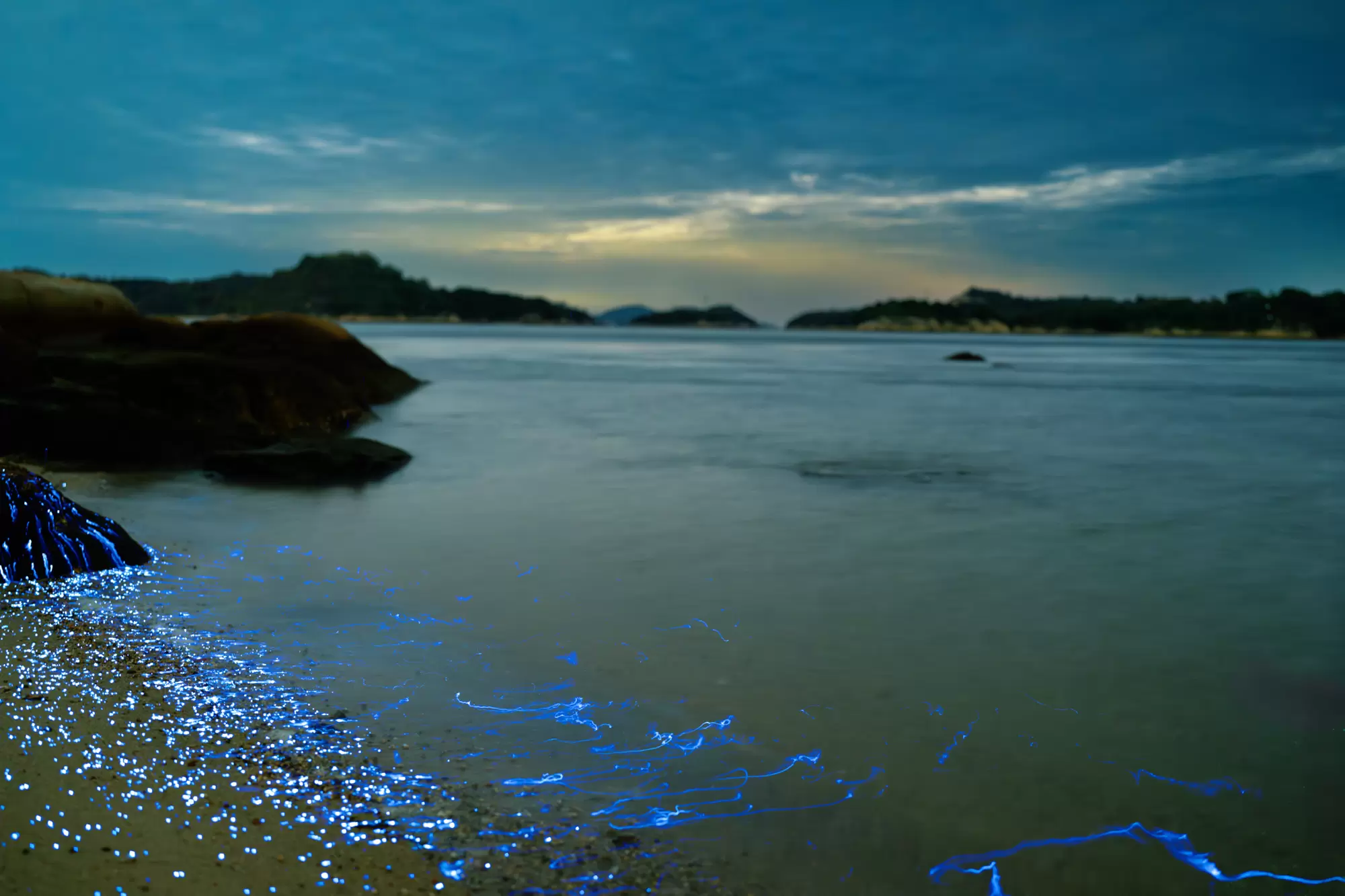
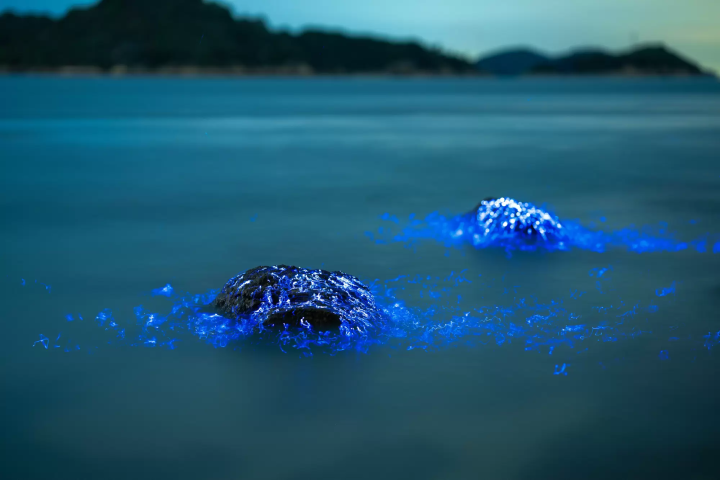
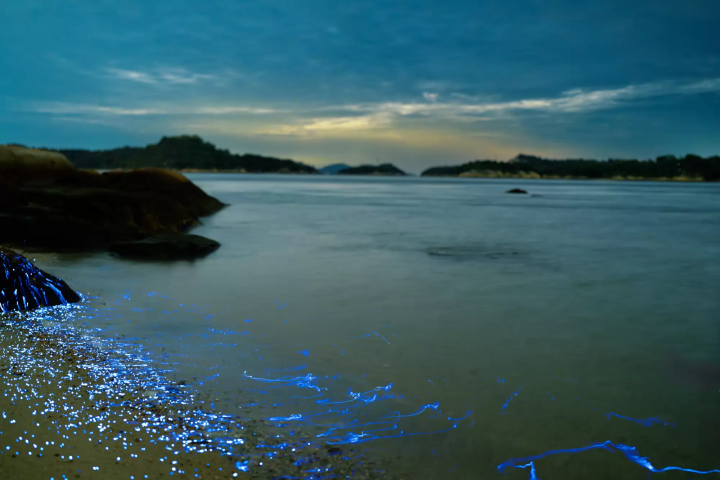
As the sun dips below the horizon in Tamano City, Okayama Prefecture, the Seto Inland Sea undergoes a profound transformation. By day, its waters are a serene expanse of tranquil blue, a hallmark of Japan’s calm, island-dotted coastline. But as night falls, the water comes alive with an ethereal, otherworldly glow. This "liquid neon"—a phenomenon created by bioluminescent sea fireflies and plankton—has become the centerpiece of an exclusive, small-group night tour that invites travelers to peer into one of nature’s most guarded secrets.
The Science of the Glow: Understanding Bioluminescence
At the heart of this experience is the Umihotaru, or sea firefly (Vargula hilgendorfii). These are not insects in the traditional sense, but tiny crustaceans that dwell in the sandy shallows of the Seto Inland Sea. When stimulated, these creatures emit a brilliant, cold blue light—a chemical reaction involving luciferin and luciferase that serves as a defense mechanism or a mating signal.
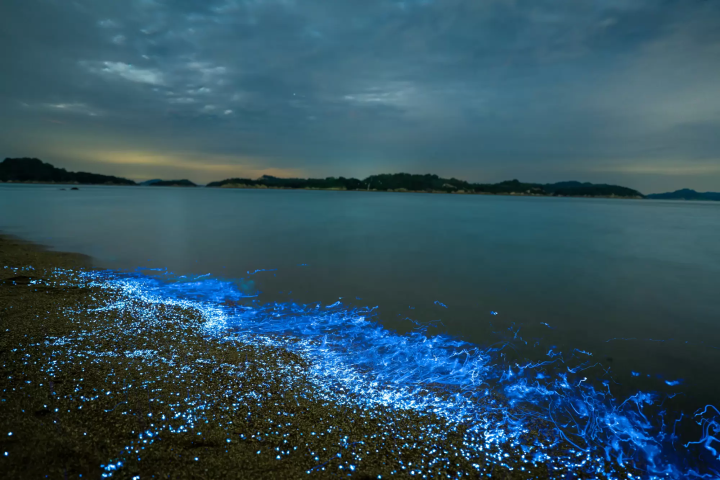
For the uninitiated, the sight is nothing short of supernatural. Observers often describe the experience as if the stars themselves have descended into the ocean. Because these bioluminescent creatures require specific, pristine environmental conditions, they are rare to encounter in such high densities anywhere else in the world. The Seto Inland Sea’s sheltered geography makes it an ideal, globally significant sanctuary for these organisms.
A Chronology of the Experience: A Night of Discovery
The tour, which runs annually from March through November, is carefully curated to balance scientific education with immersive sensory engagement. The two-hour journey is structured to ensure that participants leave with more than just photos; they leave with an understanding of the delicate ecosystem they are witnessing.
The Arrival and Orientation
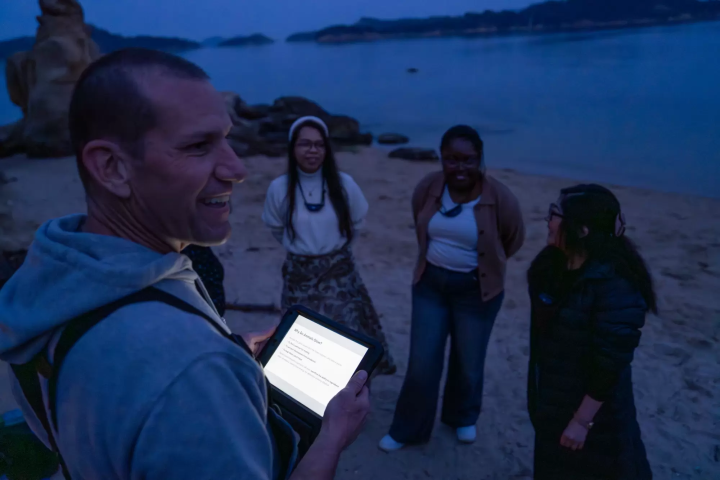
The evening begins with a meeting at the Uno Port area in Tamano City. Here, participants are introduced to their guides—a team of international experts led by renowned professional photographer Trevor, alongside coordinators Simon and Matsu. This initial phase is crucial for setting the tone: the tour is not merely a sightseeing excursion, but a respectful engagement with nature.
The Educational Seminar
Before heading to the water’s edge, guests participate in a 25-minute immersive seminar. This is the intellectual anchor of the experience. The guide provides a deep dive into the evolutionary history of sea fireflies, the chemistry behind their bioluminescence, and the ecological importance of the Seto Inland Sea. By understanding why the water glows, the participants’ perspective shifts from passive observation to active appreciation.
Collection and Observation
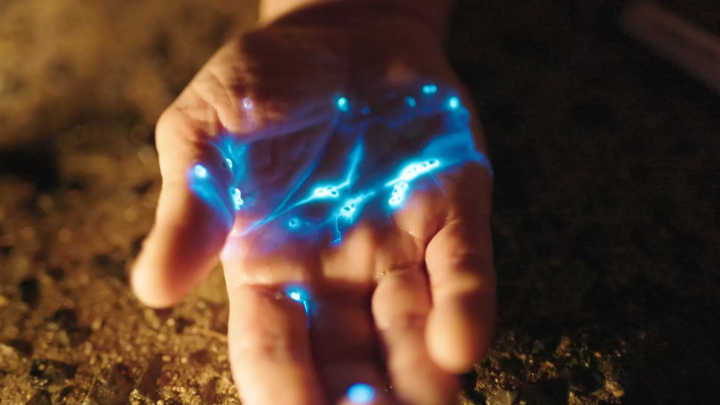
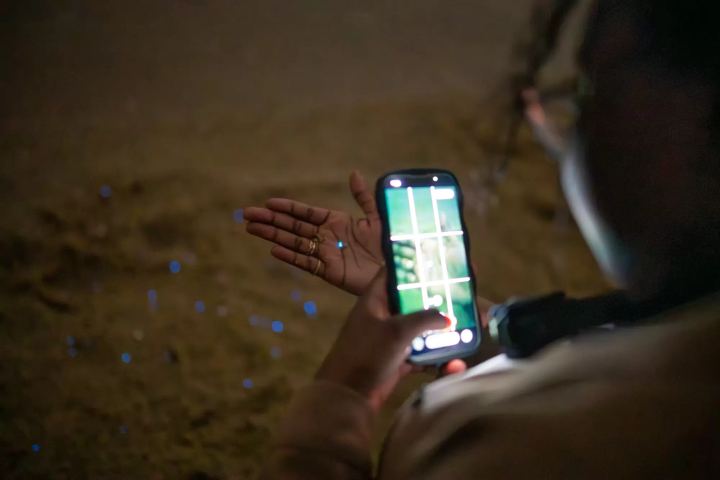
Under expert supervision, guests move to the beach to begin the collection phase. The tour utilizes specially designed, environmentally friendly collection devices that minimize stress on the organisms. The highlight for many is the moment of contact: seeing the glowing blue light manifest in the palm of their hands. It is a fragile, fleeting beauty that cameras often struggle to replicate, making the physical experience truly singular.
The Art of Capturing Light
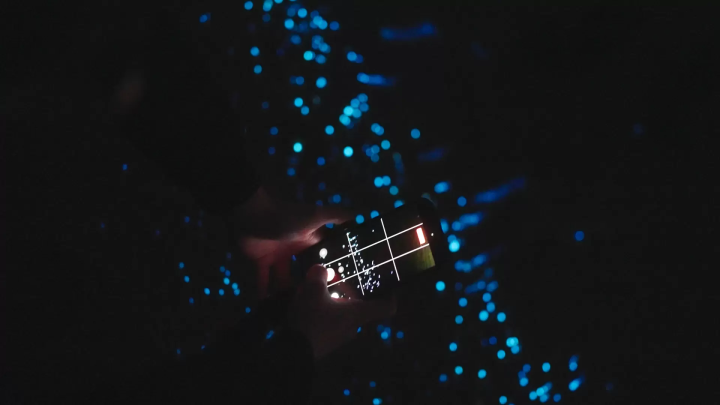
Photography plays a major role in the tour’s appeal. Trevor, whose own photographs of Umihotaru have garnered international acclaim, provides hands-on instruction in long-exposure techniques. Whether a guest is wielding a professional DSLR or a high-end smartphone, the goal is to capture the "liquid neon" without disturbing the creatures. The guides emphasize that the best photos are those that respect the environment, ensuring that the bioluminescence remains a sustainable attraction for future generations.
Supporting Data and Technical Specifications
For those planning their visit, the following logistics are essential:
- Location: Uno Port, Tamano City, Okayama Prefecture.
- Operating Season: March to November (annually).
- Duration: 120 minutes per session.
- Capacity: Limited to 8 people per group (private bookings for up to 10 are available).
- Pricing: 8,000 yen per person.
- Environmental Commitment: The tour employs proprietary, low-impact harvesting methods designed to leave zero trace on the marine ecosystem.
Professional Perspectives: The Human Element
The strength of this tour lies in its leadership. Trevor, a Canadian expatriate and professional photographer, brings a global lens to the local ecology, helping bridge the gap between scientific fact and artistic wonder. "The goal," according to the organizing team, "is to tell a story through the lens of nature."
The coordinators, Simon (from Australia) and Matsu (a local expert), ensure that the logistics are seamless. Their approach is rooted in "storytelling-based tourism," where the narrative of the landscape is as important as the visual spectacle. By maintaining small group sizes, the team ensures that every participant receives personalized attention, whether they are struggling with their camera settings or asking complex questions about marine biology.
Environmental Implications and Conservation
In an era where mass tourism frequently threatens fragile ecosystems, this tour serves as a model for sustainable development. The "minimal impact" ethos is not just a marketing claim but a fundamental operational constraint. By limiting group sizes to eight people, the tour prevents the overcrowding that typically degrades coastal habitats.
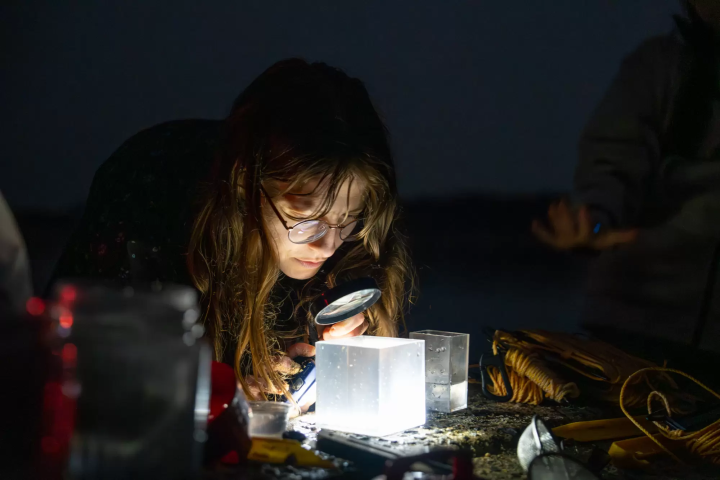
The educational component is also a conservation tool. When participants learn about the chemical sensitivity and the specific life cycle of the sea firefly, they become advocates for the protection of the Seto Inland Sea. The tour actively promotes the idea that the ocean is not an infinite resource, but a living system that requires human stewardship.
The Context: Why Okayama?
While the bioluminescence is the draw, the setting is the soul. Okayama Prefecture, often called the "Land of Sunshine," provides a unique backdrop for this experience. Located at the crossroads of Western Japan, Okayama acts as a gateway between the cultural giants of Kyoto, Osaka, and Hiroshima.
The prefecture’s identity is defined by its agricultural richness—famous for its "Fruit Kingdom" status, including white peaches and Muscat grapes—and its deep historical roots, seen in landmarks like the Okayama Castle and the Korakuen Garden. Adding a nocturnal, scientific, and aesthetic experience like the sea firefly tour to the existing portfolio of historical and gastronomic tourism creates a compelling reason for travelers to extend their stay in the region.
Conclusion: A Call to Witness
The experience of seeing the shoreline painted in an electric, ethereal blue is something that defies the limitations of digital media. As the tour coordinators emphasize, the glow of the plankton and the sea fireflies is a living, breathing performance that happens only when conditions align perfectly.
For the traveler seeking a deeper connection to Japan—beyond the crowded temples and neon-lit city centers—the shores of Tamano City offer a rare, quiet intimacy with the natural world. It is an invitation to stand in the dark, look down at the palm of your hand, and witness the ancient, chemical wonder of the ocean.
Booking Information:
Interested parties can reserve their spot via the Airbnb Experience Page. For further inquiries regarding media kits or detailed tour specifications, you may contact the organizers at [email protected] or visit their official website. Join the community on Instagram, Threads, and Facebook for updates on seasonal conditions and to see the latest captures from previous tours.


 Neng Nana
 Asro
Asro