Asro
Asro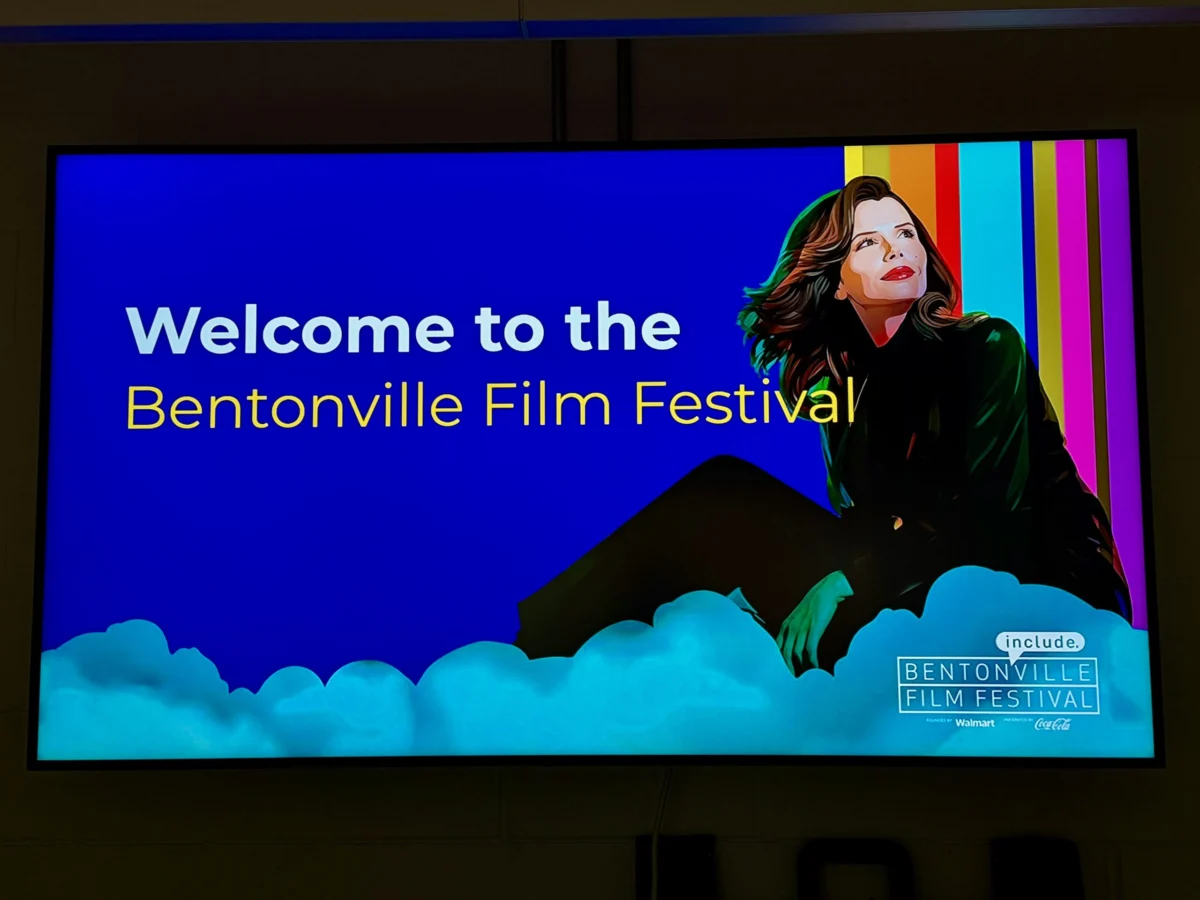
The 12th annual Bentonville Film Festival (BFF) officially drew to a close this weekend in the scenic heart of Northwest Arkansas. Over the course of a week-long celebration of cinema, the festival once again solidified its reputation as a premier destination for diverse, groundbreaking, and socially conscious storytelling. Led by Academy Award-winning actress and activist Geena Davis, the festival served as a vibrant showcase for narrative features, documentaries, shorts, and episodic content, all while fostering a collaborative environment for filmmakers, industry professionals, and audiences alike.
The festival’s grand finale took place Saturday night, with a star-studded awards ceremony that recognized the most compelling voices of the 2026 circuit. From intimate portraits of Black fatherhood to unflinching looks at systemic racism in education, the awarded films reflected the festival’s commitment to championing underrepresented perspectives and fostering dialogue on the most pressing issues of our time.
A Triumph of Narrative Vision
The festival’s top honor, the Best Narrative Award, was bestowed upon If I Go Will They Miss Me, directed by the visionary Walter Thompson-Hernández. The film, which features standout performances from Danielle Brooks, J. Alphonse Nicholson, and Bodhi Dell, is a poetic, deeply resonant drama. It follows a young boy who navigates the complexities of his neighborhood by seeing "ghostly figures" of his peers, a visual manifestation of his struggle to reconcile with his father’s emotional distance.

The jury, composed of Sian Edwards-Beal, Kate Mason, and Ron Najor, lauded the film for its masterful marriage of internal emotional stakes with mythological weight. In their official statement, the jurors noted, "Director Walter Thompson-Hernandez masterfully asks us to consider each character with understanding by marrying their internal struggles with the mythological status they represent to their loved ones. The result is a depiction of black familial love and fatherhood that is not elevated but rather finally honored."
The Narrative category also highlighted the craft of comedy, with a Special Jury Mention for Directorial Vision going to The Musical, directed by Gisella Bonilla. Starring Will Brill and Rob Lowe, the film was celebrated for its precise pacing and expert command of the comedic genre. The jury praised the film’s "inspired casting and standout performances," noting that Bonilla’s confidence behind the camera provided a masterclass in how to balance humor with high-stakes narrative beats.
Furthermore, the Narrative jury recognized the power of authentic performances, granting a Special Mention for Lead Performances to BRB, directed by Kate Cobb. The film, which features Zoe Colletti and Autumn Best, was lauded for its raw, honest depiction of the complexities of sisterhood. "Navigating the highs and lows of sisterhood with remarkable honesty, they help to create characters who feel wholly authentic and deeply human," the jury remarked.

Documenting Truth: The Power of Non-Fiction
In the documentary category, the festival underscored its role as a vital platform for social advocacy. The Best Documentary Award went to Jane Elliott Against the World, directed by Judd Ehrlich. The film is a powerful exploration of the life and career of the legendary Iowa educator Jane Elliott, who famously developed the "blue eyes/brown eyes" exercise to teach children the arbitrary nature of racism.
The jury—comprising Billy Ray Brewton, Sav Rodgers, and Brittany Shyne—honored the film "for its impeccable execution and its insistence that a better world is possible." They described the documentary as an "unflinching glimpse" into the cost of anti-racist activism and the courage required to confront societal biases head-on.
The documentary category also saw a Special Jury Mention for Summer 2000: The X-Cetra Story, directed by Ayden Mayeri. The film was praised as a "tender coming-of-age story" that utilized deep personal archives to explore the transformative power of art and friendship, proving once again that the personal is indeed political.

Fostering a Summer of Cinema: Perspectives from Leadership
BFF President Wendy Guerrero reflected on the unique energy of this year’s festival, noting that the selection was intentionally curated to feel like a "summer event." Speaking to Deadline shortly before the awards ceremony, Guerrero highlighted the intentionality behind the festival’s programming, which kicked off with the high-energy thriller Family Movie, starring Kyra Sedgwick and Kevin Bacon.
"I think there’s a huge ripple effect," Guerrero said regarding the festival’s emphasis on documentary programming. "I was talking to one of our audience members that went and saw three documentaries in one day and she was like, ‘I went home and I couldn’t sleep because I was thinking about all of these important topics.’ She can come and watch the docs, hear the filmmakers speak about why they made it, their journey in making it. And I think that has a really big impact."
Geena Davis, the festival’s chair, reiterated the importance of these stories, stating, "These awards reflect the passion and drive of storytellers, whose work will continue to broaden perspectives and engage audiences throughout the year. We congratulate our BFF award winners and we’re so thankful to every filmmaker here for their contributions to the success of this year’s BFF!"

Expanding the Reach: Episodic and Homegrown Honors
Beyond feature films, the festival recognized excellence in the rapidly growing field of episodic storytelling and local content. The Best Episodic award was granted to Too Romantic, written and directed by Talia Light Rake. The pilot, which masterfully blends social media-driven humor with the structure of a classic romantic comedy, was praised for its "vibrant writing" and "charismatic leads."
The Best Homegrown award, which highlights talent with local ties or specific regional relevance, went to Baby/Girls, directed by Jackie Jesko and Alyse Walsh. The jury commended the directors for their "remarkable sensitivity, humor, and elegance" in addressing a subject matter that requires immense tact. A Special Jury Mention in the same category was awarded to Filthy, directed by Lisa Cole, for its exploration of purity culture and the complex, often fraught, bond between mothers and daughters.
In the Short Film category, Find The Boy, directed by Paulin.e Goasmat, earned the top prize for its bittersweet exploration of identity and acceptance. The jury also extended special mentions to Cami Kwan’s Paper Daughter for its innovative use of animation and Sarah Moshman’s She Chose War for its compelling, visceral documentation of life on the front lines in Ukraine.

Looking Toward the Future: Development and Industry Impact
The Bentonville Film Festival is more than just a place to watch movies; it is a launchpad for the next generation of storytellers. This year, the festival introduced the inaugural Crayola Development Pitch award, a significant addition aimed at supporting new voices. The prize, which includes a $10,000 development grant, was awarded to Nicole Graves for her project ImagINN, described as an "Animated SEL-Centered Storyworld for Kids." This initiative underscores the festival’s commitment to social-emotional learning and high-quality children’s media.
The festival’s industry influence was also on full display with the attendance of prominent figures, including Katherine LaNasa, star of The Pitt, and Toks Olagundoye of Castle. Additionally, the cast and showrunners of the upcoming Netflix series Little House on the Prairie were present, with showrunner Rebecca Sonnenshine receiving the prestigious "Rising to the Challenge Award."
The Legacy of Bentonville
As the 12th annual Bentonville Film Festival concludes, it leaves behind a legacy of expanded horizons and deepened empathy. By bringing together diverse storytellers in a supportive, community-centered environment, BFF continues to prove that cinema is one of our most effective tools for social change.

The partnership with founding partner Walmart and presenting sponsor Coca-Cola continues to provide the necessary infrastructure for these films to reach a wider audience. However, the true success of the festival lies in the stories themselves—stories that, as the jurors and organizers have noted, force us to look at the world differently, challenge our existing perceptions, and ultimately, find connections in the human experience that transcend borders and backgrounds.
As the curtains fall on this year’s edition, the message from Bentonville is clear: the future of filmmaking is diverse, inclusive, and deeply invested in the power of the human spirit. Filmmakers and audiences alike will carry the lessons of this year’s festival forward, ensuring that the conversations started in Arkansas resonate long after the final screen goes dark.

 Evan Lee Salim
 Ammar Sabilarrohman