

The global anime industry is currently navigating a period of unprecedented growth, but with that expansion comes heightened scrutiny over how Japanese media is translated and adapted for Western audiences. Crunchyroll, the world’s leading anime streaming platform, has recently found itself at the center of a brewing controversy regarding its in-house localization practices. The catalyst for this latest debate is the English-language dub of Dead Account, an adaptation of Shizumu Watanabe’s modern supernatural manga.
Despite recent increases in membership fees—a move the platform justified as a means to improve service and content delivery—subscribers are pointing to what they describe as a "localization crisis." The English dub of Dead Account has been criticized for heavily rewriting original Japanese dialogue in favor of ephemeral "Zoomer" internet slang and memes, a practice that many purists argue undermines the tone of the source material and will lead to the series becoming prematurely dated.
The Core Conflict: Adaptation vs. Alteration
At the heart of the Dead Account controversy is the tension between "translation" and "localization." While translation aims to convert words from one language to another, localization seeks to adapt cultural nuances so they resonate with a local audience. However, critics argue that Crunchyroll’s recent efforts have crossed the line from adaptation into "script-doctoring," where the original intent of the author is discarded in favor of the localizer’s personal voice or current social media trends.
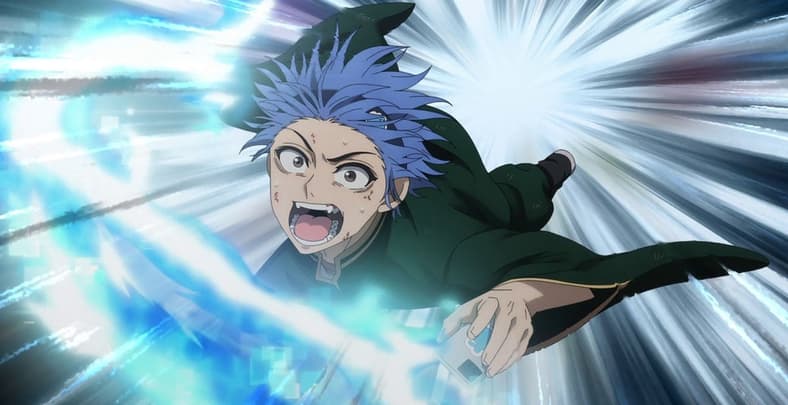
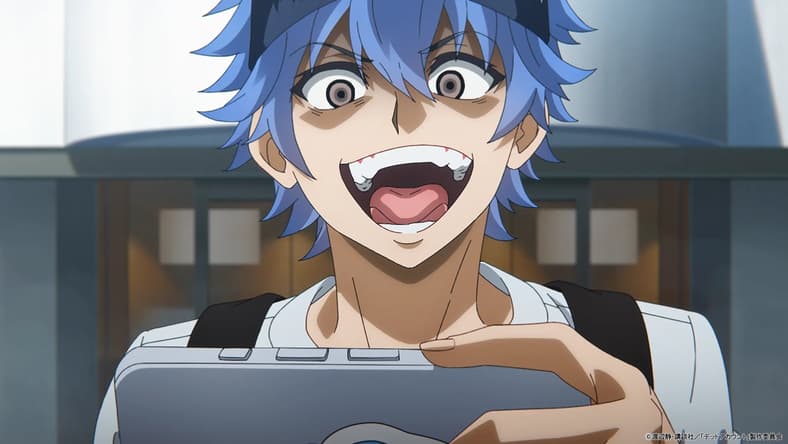
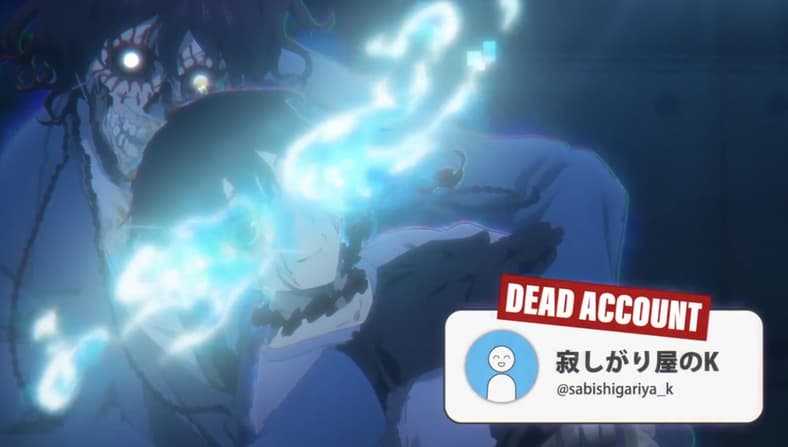
Dead Account is uniquely vulnerable to this trend. The story follows the exorcists of Miden Academy, who hunt "ghost accounts"—social media profiles of the deceased that have been possessed by aberrations. The protagonists use "cyberkinesis," a smartphone-based power, to combat these digital threats. Because the series is inherently tied to internet culture, localizers appear to have viewed the script as a playground for modern slang, a decision that has sparked significant pushback from fans of Shizumu Watanabe’s original work.
A Chronology of Linguistic Deviations
The issues within the Dead Account localization are not isolated to a single scene but appear to be a systemic choice throughout the first several episodes of the season. By comparing the original Japanese dialogue and the official Kodansha manga translation with the Crunchyroll dub, the extent of these "creative liberties" becomes clear.
Episode 1: From "Heating Up" to "Cope and Seethe"
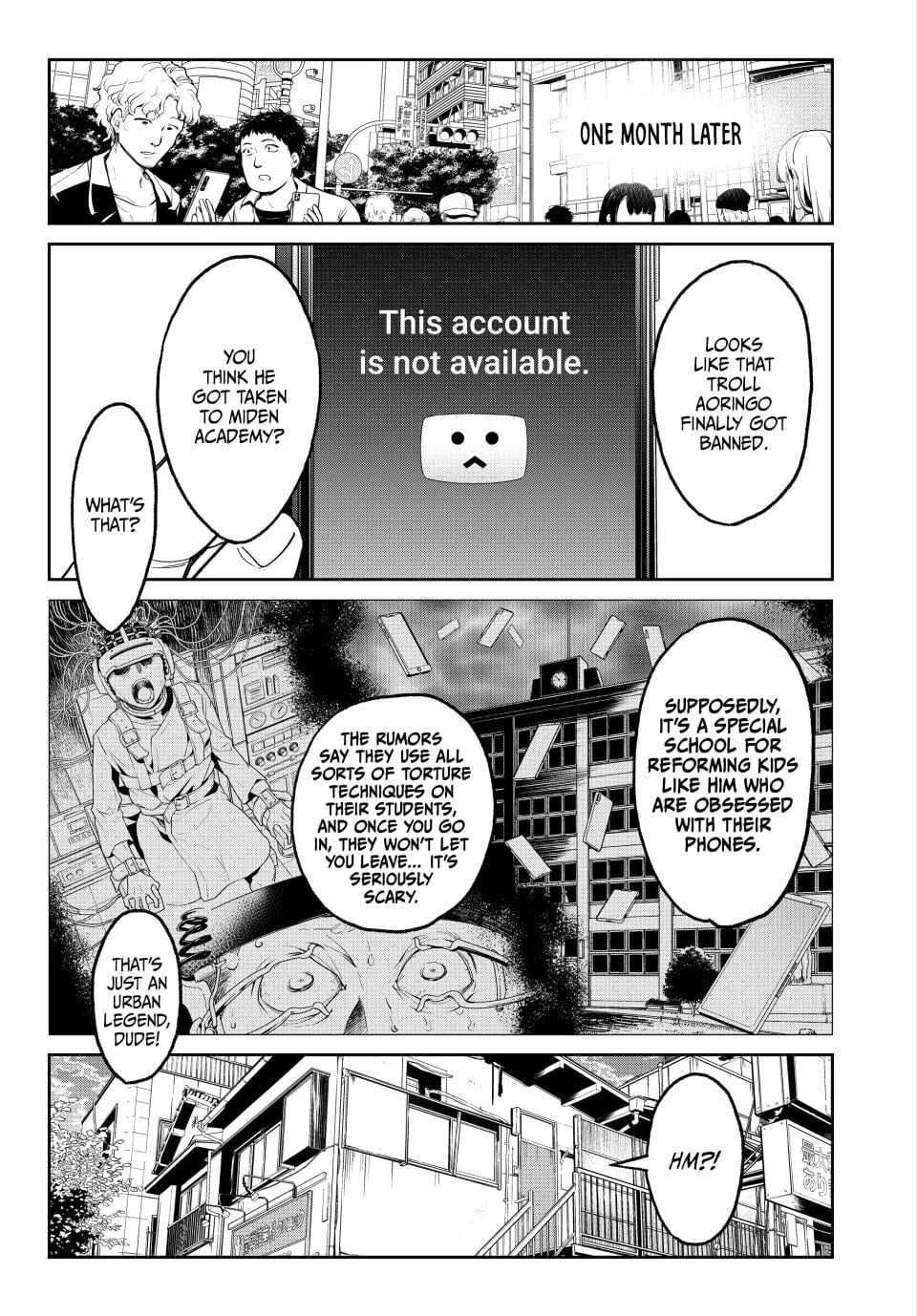
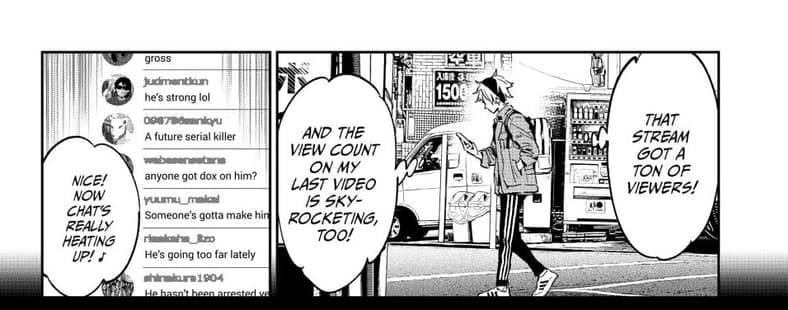
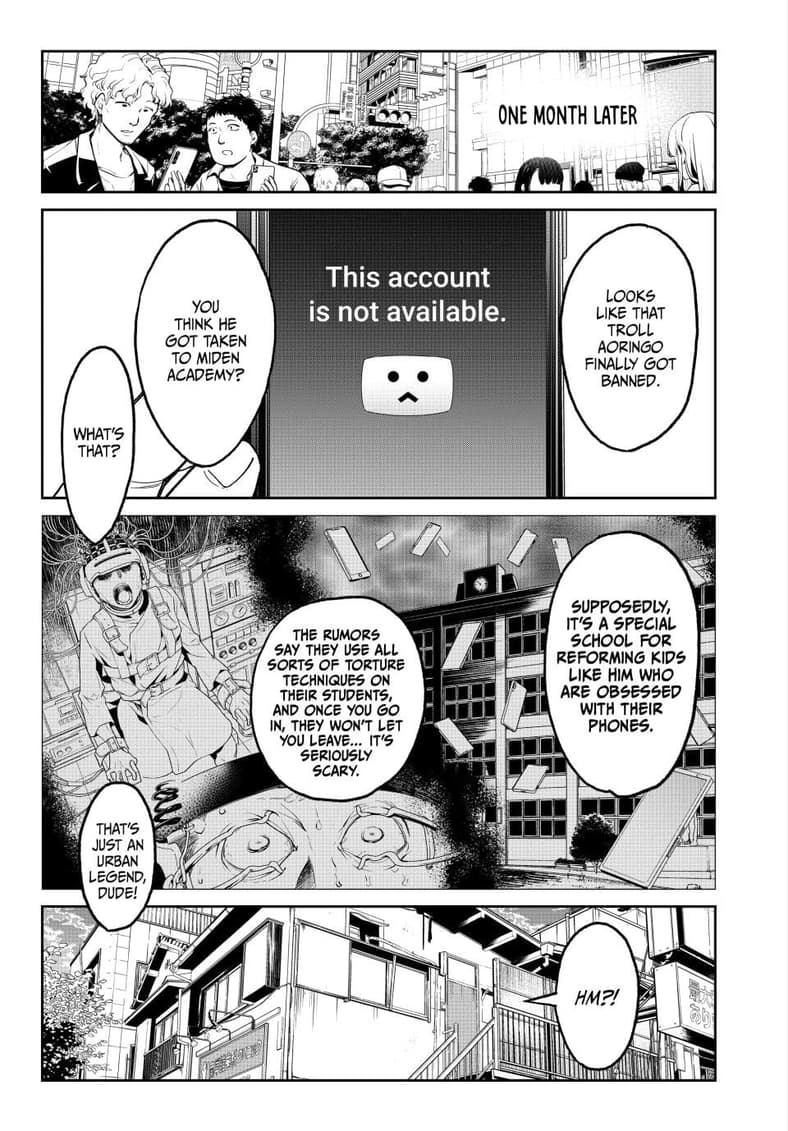
The first notable incident occurs in the series premiere, "The Ultimate Flamebaiter." The protagonist, Soji Enishiro, is a "Mytuber" who thrives on controversy. In the original manga and the Japanese audio, Soji celebrates the success of his stream by noting that the "chat is really heating up" and observing the "rage burning" in the comments. This language aligns with his persona as a "flamebaiter"—someone who intentionally sparks "flames" or arguments.
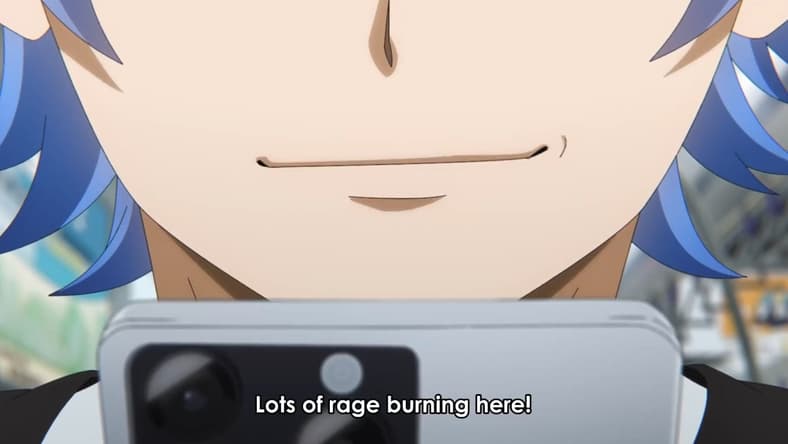
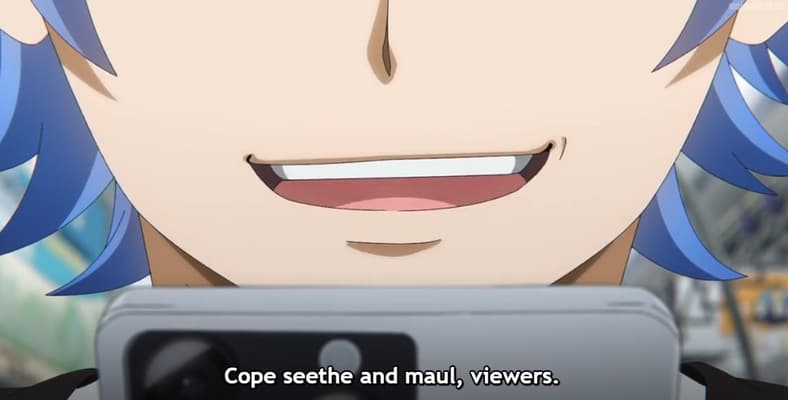
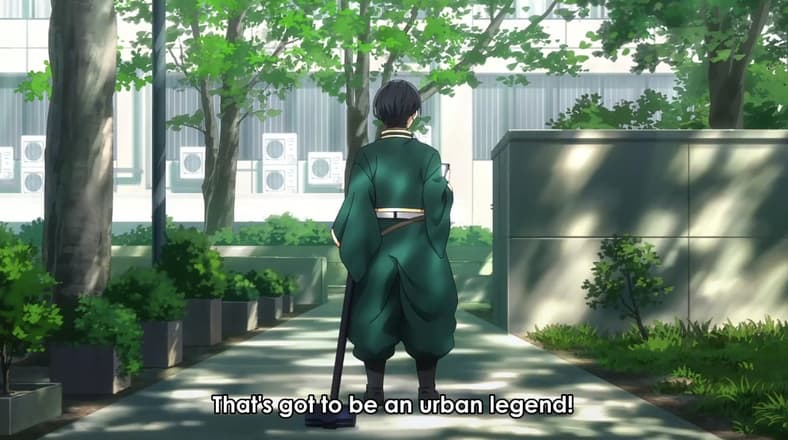
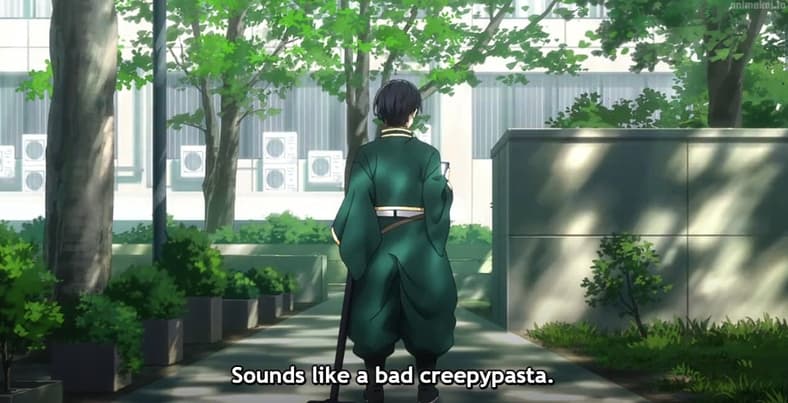
However, the Crunchyroll English dub replaces this thematic consistency with a string of 2020s internet jargon. The character instead shouts, "Cope, seethe, and mald, viewers!" While these terms are indeed used in certain corners of the internet, they lack the specific "fire" metaphor central to Soji’s character design and the episode’s title. Furthermore, the dub shifts a passerby’s comment about an "urban legend" to a "bad creepypasta," a change that fans argue unnecessarily narrows the scope of the world-building.
Episode 4: The "Slay" and "Girlie-Pop" Controversy
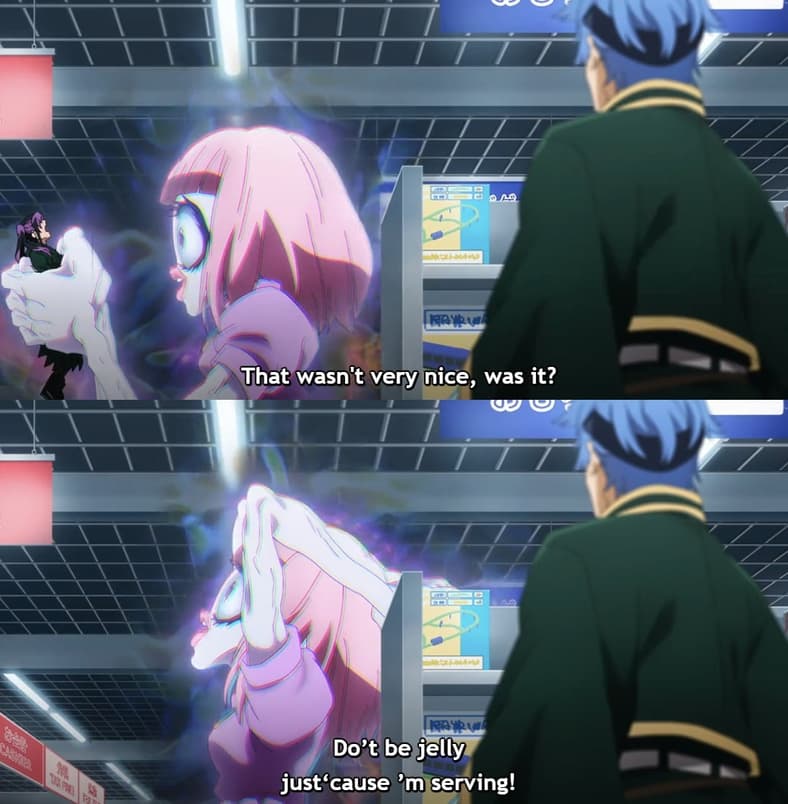
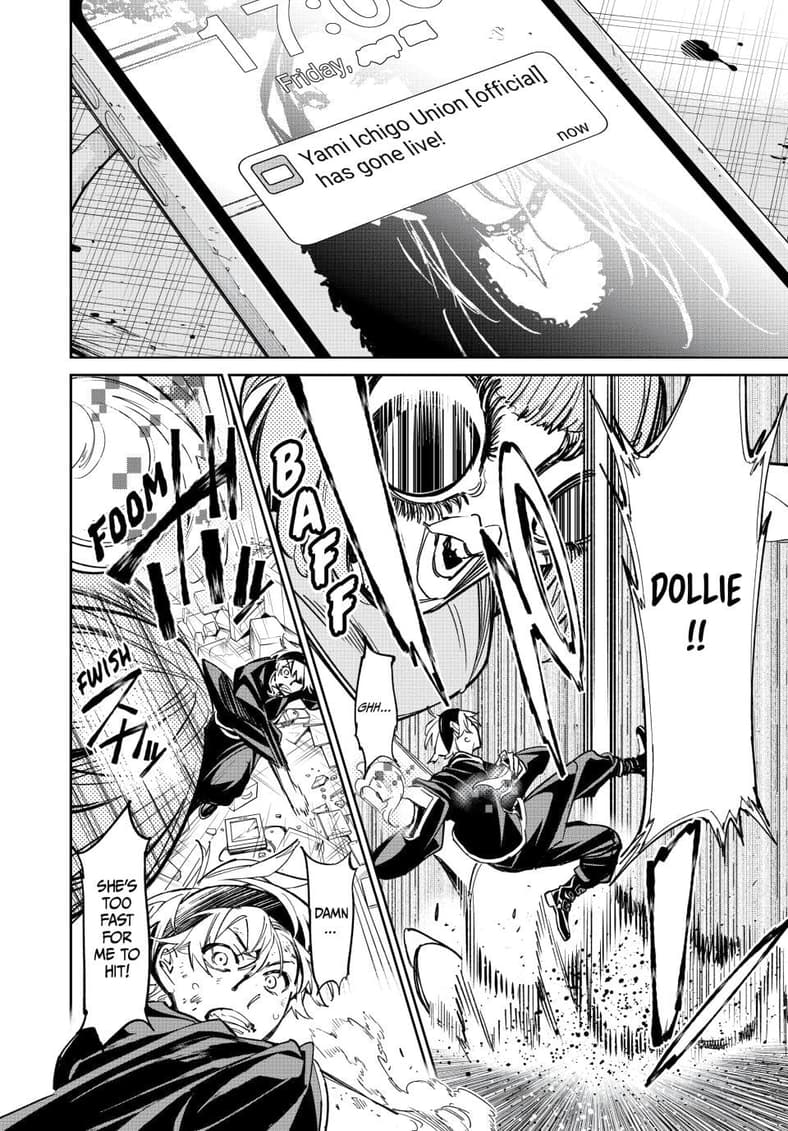
The localization choices became even more pronounced in Episode 4, "The Worst Possible Trio." During a mission to clear a haunted electronics store, the protagonists encounter Kirika-chan, a mid-level "ghost account" with a distorted obsession with beauty and photography.
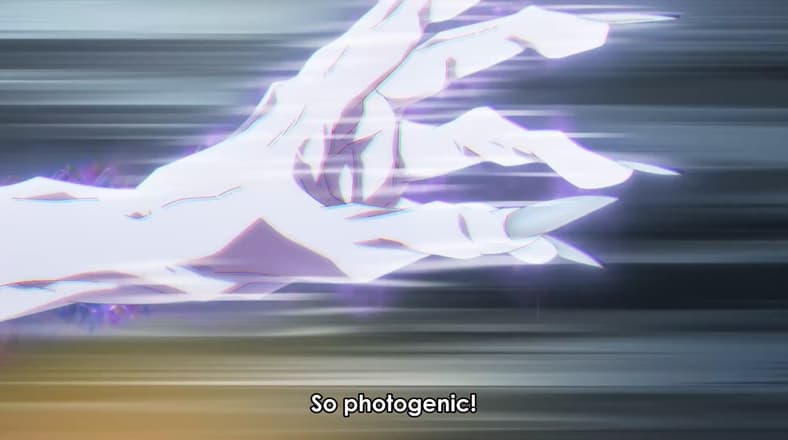
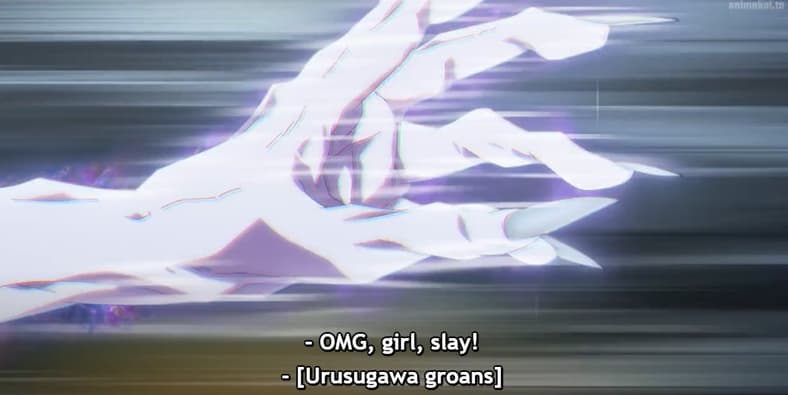
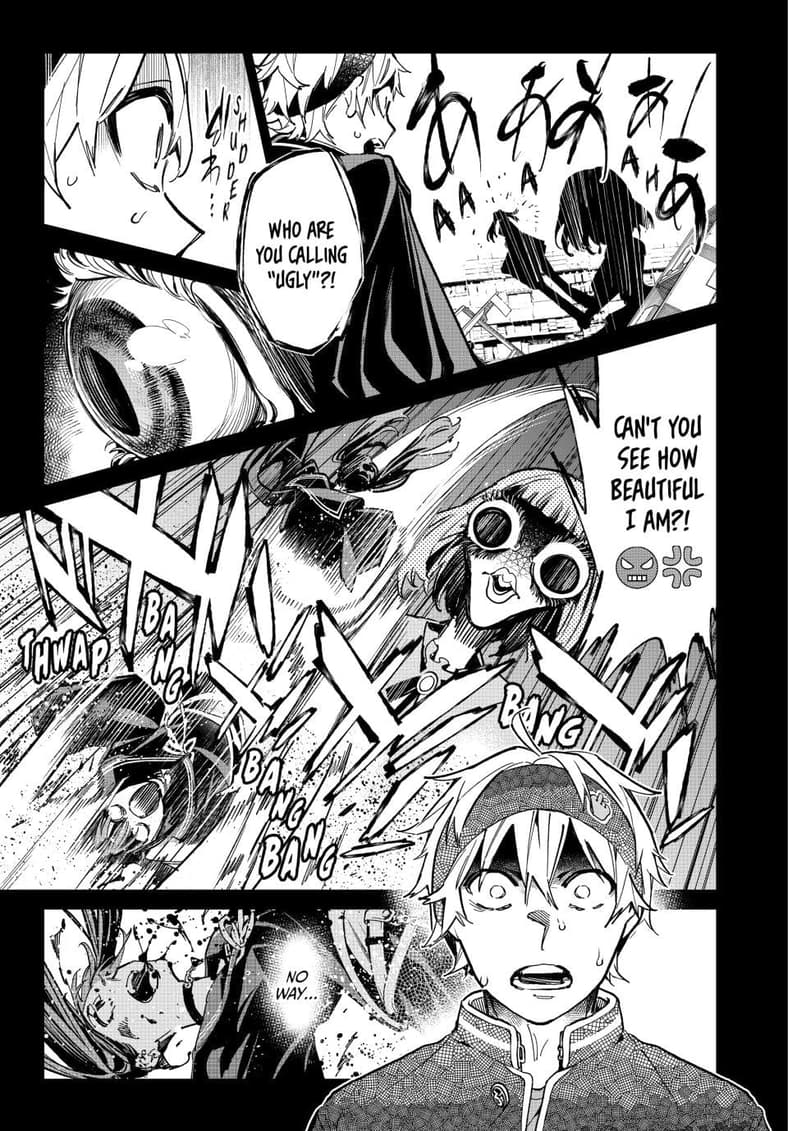
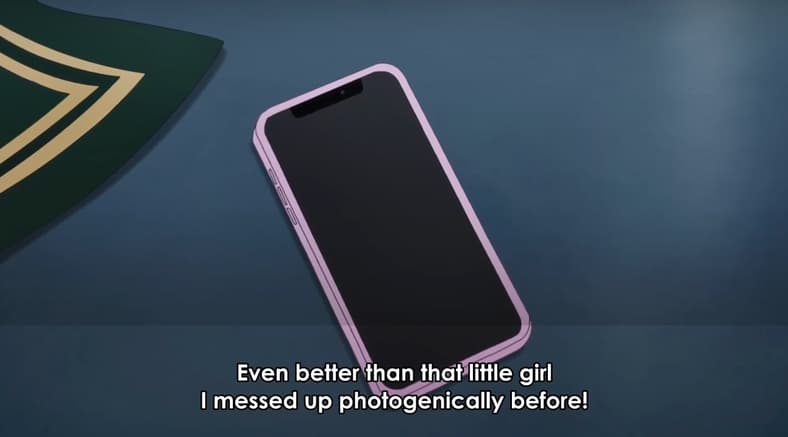
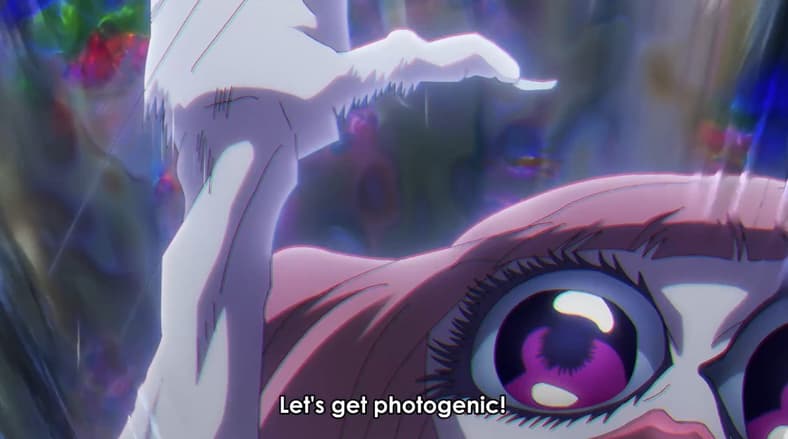
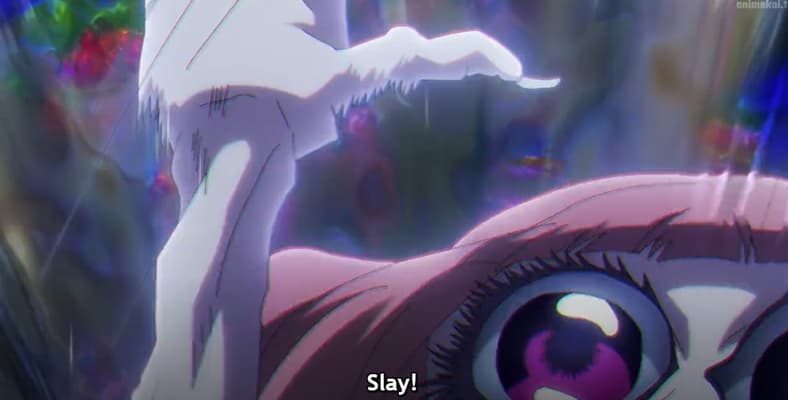
In the original script and the accompanying English subtitles, Kirika-chan’s dialogue focuses on her obsession with being "photogenic." When attacking, she screams "Dollie!"—reflecting her desire to turn her victims into aesthetic objects. The English dub, however, transforms the character into a vessel for "Stan Twitter" vernacular. Instead of focusing on her photographic obsession, she tells the protagonists, "OMG, girl, slay!" and "Don’t be jelly just ’cause I’m serving!"
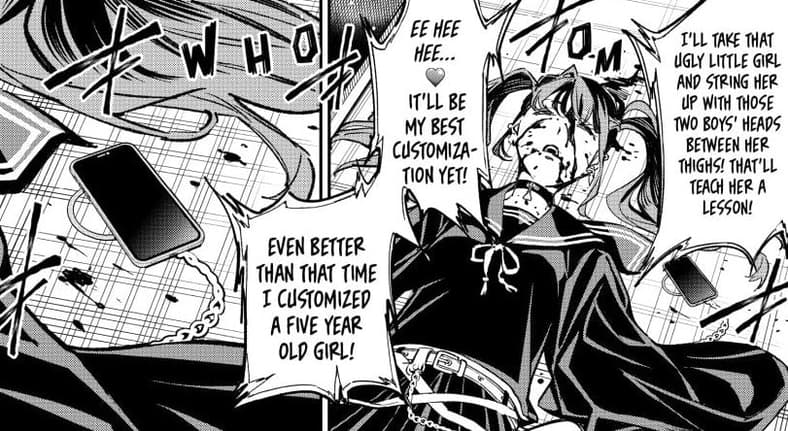
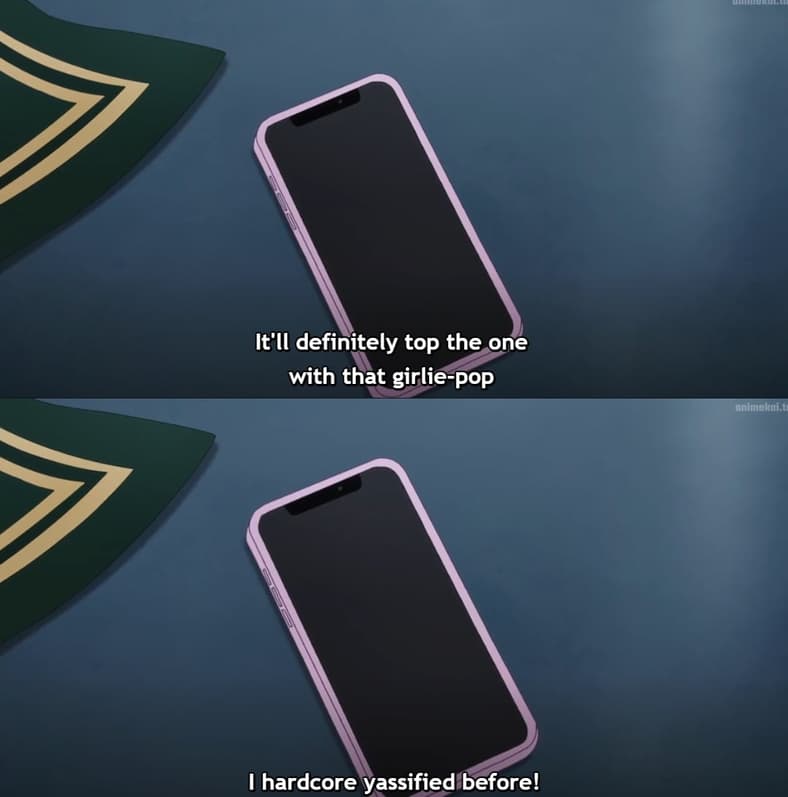
The most jarring departure occurs when Kirika-chan describes her previous victims. In the manga, she speaks of "customizing" a young girl, a chilling reference to her supernatural mutilation. The dub changes this to: "It’ll definitely top the one with that girlie-pop that I hardcore yassified before!" By using "yassified"—a term usually associated with lighthearted LGBTQ+ internet culture and photo filters—to describe a horrific supernatural assault, critics argue the localizers have fundamentally altered the character’s menace and the scene’s intended horror.
Episode 5: The Devaluation of the "Living Legend"
The trend continued into Episode 5, "The Anachronistic Exorcist." The episode introduces the formidable teacher Yoimaru Azaki, who is described in the manga as a "living legend" due to his immense power and history of exorcising high-level demons. The original text treats this title with gravity and respect.
In contrast, the Crunchyroll localization—both in the dub and the subtitles—inserts a modern cynical lens. The character Kiyomi Urusugawa is made to describe the title as "super cringe." This addition of "cringe" does not exist in the original Japanese dialogue; it is a tonal insertion by the localization team that changes the dynamic between the students and their mentor, injecting a level of irony that the original author did not intend.
Supporting Data: The Rising Trend of "Meme-Localization"
The backlash against Dead Account is part of a larger, documented trend in the anime industry. In recent years, several high-profile series have faced similar criticism:
- Oshi No Ko: Sentai Filmworks’ localizers were criticized for inserting references to "cancel culture" in scenes where the original Japanese text discussed general social pressure and "flaming."
- Blue Box: Netflix’s localization team recently faced heat for changing a character’s compliment from "feminine" to "feminist," a shift that altered the character’s personality and the romantic subtext of the scene.
- Syd Craft: Love is a Mystery: Viz Media localizers were noted for inserting modern slang into a period-appropriate setting, breaking the reader’s immersion.
Data from fan communities on platforms like X (formerly Twitter) and Reddit suggest that while a small segment of the audience finds these references humorous, a significant majority of "core" fans prefer a "transparent" translation—one where the localizer’s presence is invisible, and the author’s original voice is preserved.
The Lack of Official Response Amidst Price Hikes
As of this writing, Crunchyroll has not issued a formal statement regarding the specific dialogue choices in Dead Account. This silence has exacerbated frustrations among the user base, particularly following the platform’s recent decision to raise subscription prices.
In April 2024, Crunchyroll announced price increases for its "Mega Fan" and "Ultimate Fan" tiers in several markets. The company stated that these increases would support the "expansion of our content library" and "improvements to the fan experience." However, critics argue that if the increased revenue is being used to fund localizations that alienate the core audience, then the "fan experience" is actually being diminished. The discrepancy between the rising cost of the service and the perceived drop in translation quality has become a focal point for consumer dissatisfaction.
Implications for the Industry and Media Longevity
The "slang-ification" of anime dubs carries long-term implications for the industry. The primary concern is media shelf life. Slang terms like "yassify," "girlie-pop," and "mald" have incredibly short cultural lifespans. By embedding these terms into the script, localizers are effectively "dating" the show. A viewer watching Dead Account five or ten years from now may find the dialogue incomprehensible or embarrassingly out of touch, whereas a more faithful, classic translation would remain timeless.
Furthermore, there is the issue of cultural integrity. Anime is a Japanese cultural export. When localizers replace Japanese concepts or straightforward dialogue with Western-specific memes, they are, in a sense, "Westernizing" the content to a degree that erases the original cultural context. This has led to accusations of "localization as censorship" or "localization as colonization," where the target language’s culture is prioritized over the source culture’s intent.
Finally, this trend risks alienating the Japanese creators. Many manga artists and anime directors have expressed a desire for their work to be understood as they wrote it. When a localizer changes a serial killer’s dialogue to "OMG, slay," it fundamentally misrepresents the creator’s vision to the global audience.
Conclusion
The controversy surrounding Crunchyroll’s Dead Account serves as a case study for the current state of the anime industry. As streaming platforms become more corporate and aim for broader, more casual audiences, the temptation to use "relatable" slang increases. However, the vocal pushback from the community suggests that the demand for authenticity remains high.
For Crunchyroll, the path forward will require a delicate balance. To justify its premium pricing, the platform may need to revisit its localization standards, ensuring that "creative liberty" does not come at the expense of the source material’s soul. Until then, the debate between those who want to "slay" and those who want to "translate" will continue to divide the anime fandom.










No comments yet. Be the first to join the conversation!