Iffa Jayyana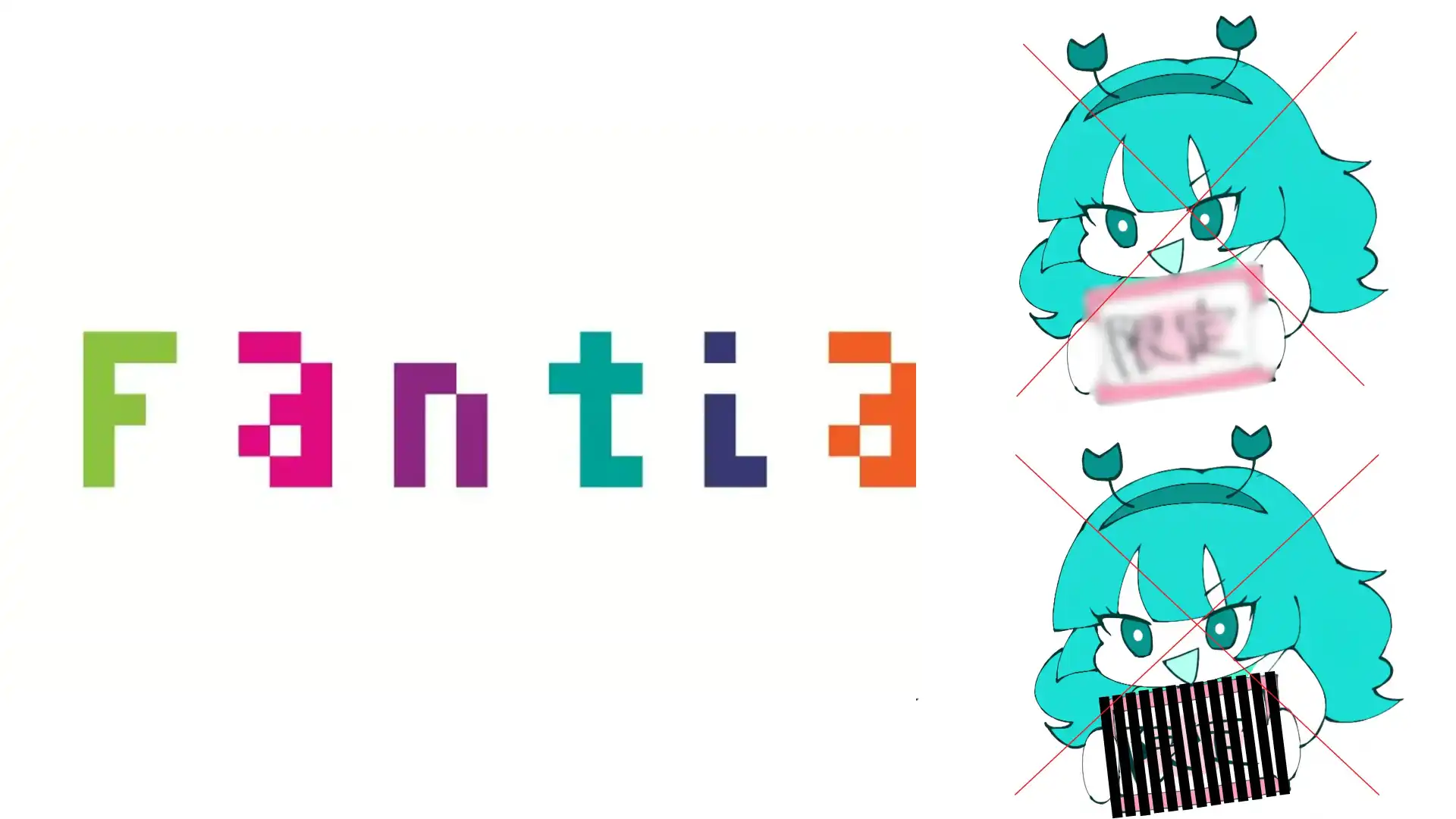
In a dramatic reversal of policy that has sent shockwaves through the digital creator economy, the Japanese subscription-based platform Fantia has officially rescinded its controversial mandate for aggressive, retroactive content censorship. The decision comes less than a month after the platform initially ignited a firestorm of protest by demanding that creators apply restrictive filters to their entire back catalogs—a task many deemed physically and logistically impossible.
The sudden pivot highlights the volatile intersection of platform policy, third-party payment processor pressure, and the precarious nature of independent content creation. While Fantia has attempted to stabilize the situation, the episode serves as a cautionary tale for digital platforms that rely on the labor of independent artists to maintain their market dominance.
The Chronology of a Crisis: From Mandate to Retraction
The crisis began on May 20, when Fantia issued a sweeping directive to its user base. The platform announced that, effective immediately, all content creators would be required to fully censor their works to comply with newly interpreted standards. The mandate did not merely apply to future submissions; it explicitly included all historical content uploaded to the site. Creators were given a deadline of just five days to scrub years of archives, a move that sent the creator community into an immediate tailspin.
The Five-Day Ultimatum
The demand was met with immediate, widespread outrage. Artists who had spent years building libraries of work found themselves facing an ultimatum: perform hundreds, if not thousands, of hours of manual editing work, or risk having their accounts terminated. The technical burden of retroactively modifying thousands of files rendered the policy "impossible" for a significant segment of the platform’s most prolific contributors.
The Backlash and Exodus
Between May 20 and the end of the month, the platform experienced a massive exodus. Social media platforms, particularly X (formerly Twitter), became hubs for creators announcing their departure from Fantia. Many cited the lack of consultation, the unreasonableness of the deadline, and a fundamental breach of trust as the primary reasons for their exit. As high-profile creators deleted their archives and migrated to competing services, the platform’s value proposition—its vast, curated library of niche content—began to evaporate in real-time.
The Official Retreat
On May 31, bowing to the mounting pressure and the visible loss of revenue, Fantia issued a formal statement walking back the mandate. The company announced that they were currently engaged in "renewed discussions" regarding the future direction and standards of the site, specifically citing the "legal authority" that had originally prompted the initial crackdown. Until these new standards are clearly and formally established, the platform has reverted to its previous, more lenient content policy.
Anatomy of an "Authority": Who Pulls the Strings?
A central theme in this controversy is the elusive nature of the "legal authority" cited by Fantia. In their statement, the company noted they were in talks with the entity that raised the initial objections. However, the revelation that this authority is not a federal government body but rather a private, third-party entity—likely tied to payment processors or banking institutions—has sparked a broader debate about corporate overreach.
The Silent Power of Payment Processors
The digital landscape is heavily governed by the policies of major financial intermediaries, such as Mastercard and Visa. In recent years, these organizations have exerted increasing pressure on platforms that host adult or niche content. By threatening to cut off payment processing services, these entities can effectively dictate the terms of service for entire websites, forcing platforms to impose strict, often draconian, censorship rules to maintain their ability to collect revenue.
Private Censorship vs. Public Law
The fact that Fantia’s initial mandate was not driven by legislative action, but by private pressure, underscores a troubling trend. When private corporations define what is acceptable content without public oversight or clear legal frameworks, the resulting policies are often inconsistent, reactionary, and harmful to the creator economy. The "legal authority" in this context refers to the contractual requirements imposed by banking partners, which are often shielded from public view and lack the transparency of formal legal statutes.

Implications for the Creator Economy
The fallout from this incident extends far beyond the technical aspects of image censorship. It touches on the fundamental relationship between a platform and its users.
The Erosion of Trust
Trust is the currency of the creator economy. When a platform unilaterally changes the rules of engagement in a way that penalizes its most loyal users, it destroys the social contract that keeps the ecosystem alive. Many creators feel that their labor is being devalued and their creative freedom is under constant threat. Even with the retraction, the damage to the platform’s reputation is significant. Rebuilding that trust will require more than just an apology; it will require a fundamental shift in how the platform communicates with its base.
The Economic Impact of Over-Regulation
Fantia’s recent push for a site-wide translation feature was intended to capture international markets and expand their revenue stream. However, this strategy is inherently contradictory if the content on the site is being systematically removed or obscured by censorship. If a platform becomes a "hollow shell" due to over-regulation, the value of the platform for international consumers drops precipitously. The loss of revenue from the exodus of creators has already begun to hurt the company’s bottom line, proving that censorship—when taken to an extreme—can be a self-defeating economic strategy.
Analyzing the Future of Content Platforms
As Fantia looks to the future, they face a precarious path. They must balance the demands of their financial partners with the needs of their creative community.
The Need for Transparency
One of the most significant lessons from this saga is the need for transparency. If platforms are being forced to change their policies by third-party financial institutions, they must be honest with their users about the source of that pressure. Vague references to "legal authorities" only serve to exacerbate anxiety and distrust. Moving forward, platforms that provide clear, honest, and early communication about the challenges they face are more likely to retain the loyalty of their creators.
The Decentralization Movement
This incident will likely accelerate interest in decentralized alternatives to centralized content platforms. When creators feel that their livelihoods are subject to the whims of a single company’s board of directors, they begin to look for ways to own their audience and their distribution channels. If mainstream platforms continue to prioritize compliance over the interests of their creators, we may see a significant shift in where digital content is produced and consumed.
Conclusion: A Cautionary Tale
Fantia’s retreat is a victory for the creator community, but it is a pyrrhic one. The episode has exposed the fragility of platforms that operate under the heavy-handed influence of private financial entities. While the immediate crisis has been averted, the underlying issues remain. The tension between the need for payment processing and the desire for creative freedom will continue to define the digital landscape for the foreseeable future.
For now, creators are being advised to hold off on any further revisions to their archives as the platform navigates its "renewed discussions." However, for many, the damage is already done. The question remains: can Fantia recover from this self-inflicted wound, or will this be remembered as the moment the platform began its long-term decline?
As the digital economy matures, platforms must recognize that they are not just providers of infrastructure; they are partners in a creative ecosystem. Ignoring this partnership in favor of reactionary, top-down mandates is a recipe for disaster. The events of May 2026 serve as a potent reminder that, in the world of online content, the creators are the true architects of value, and they are not to be ignored.


 Ali Ikhwan
 Jia Lissa