

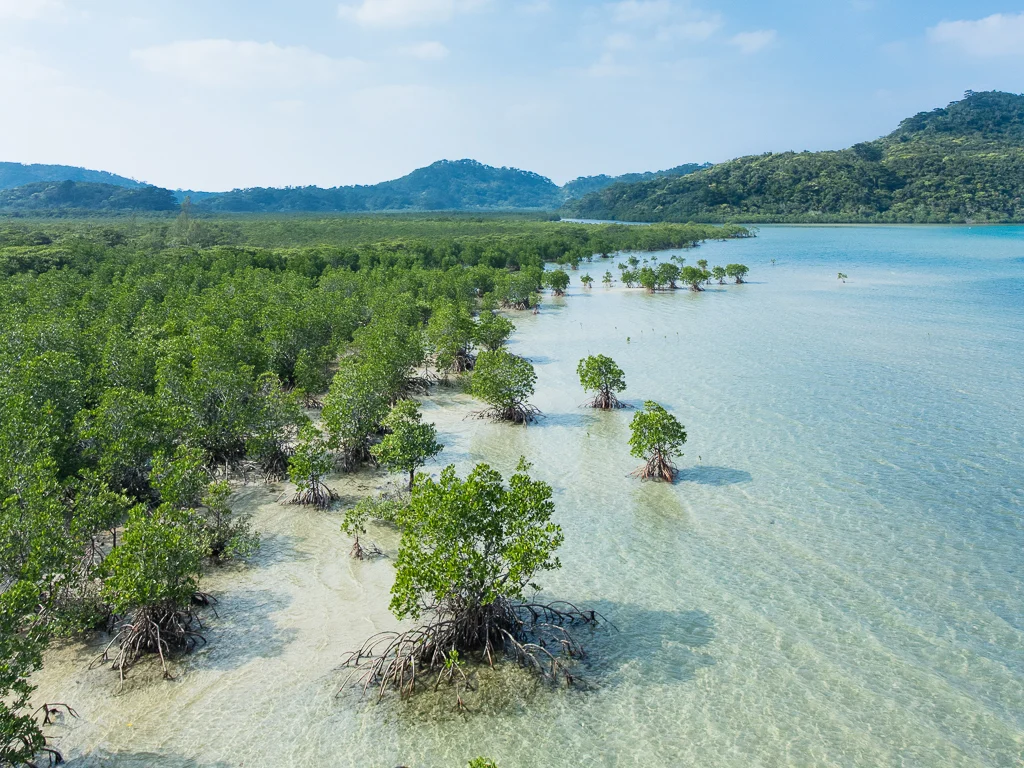
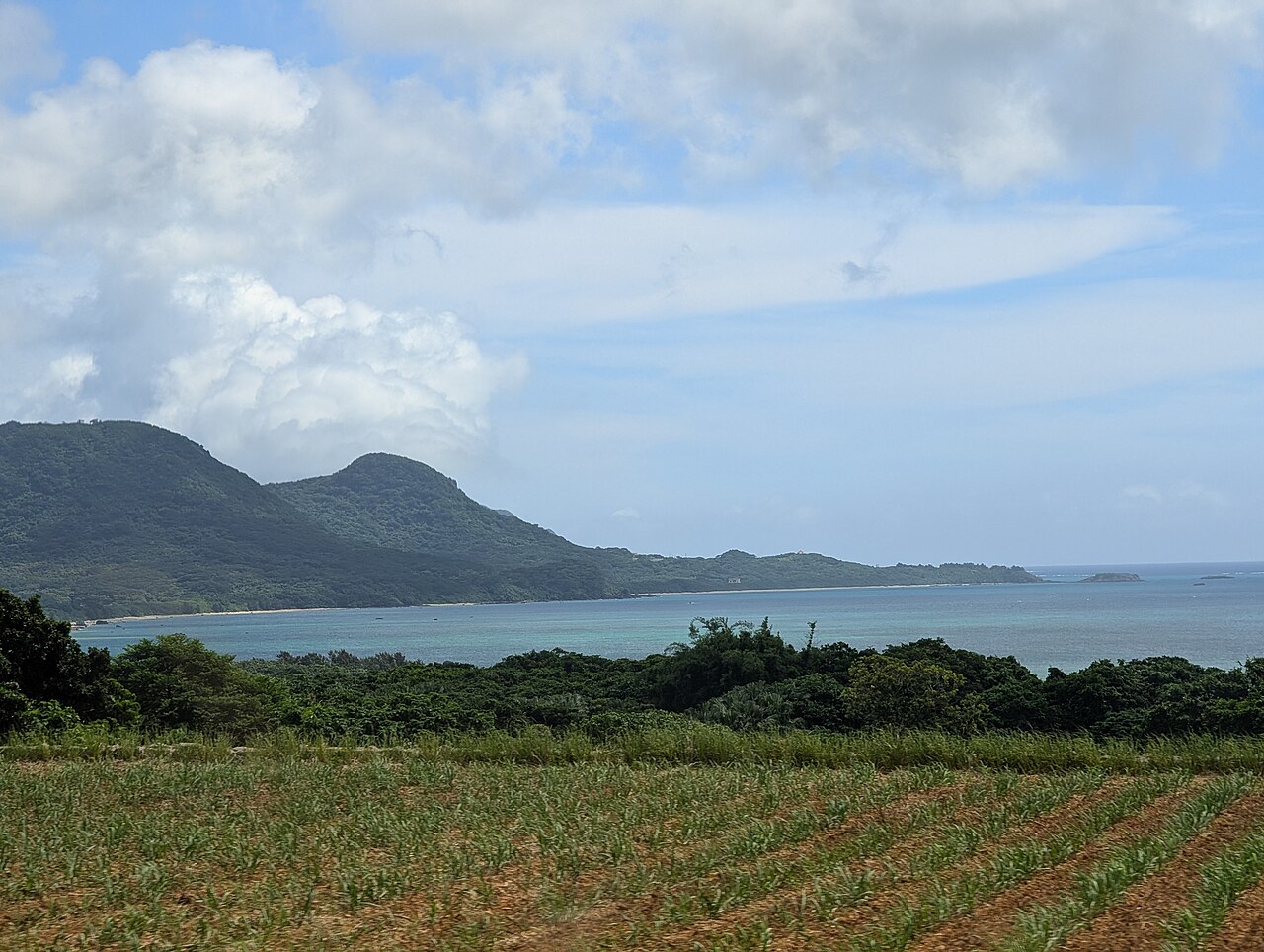
The Yaeyama Islands (Yaeyama Shoto) represent the final, emerald-hued frontier of the Japanese archipelago. Situated 400 kilometers southwest of Okinawa’s main island, this cluster of 12 islands sits closer to the humid, lush geography of Taiwan than the manicured streets of Tokyo. Far from the neon lights of Shinjuku or the historic temples of Kyoto, the Yaeyama region offers a distinct cultural and biological ecosystem—one characterized by mangrove-lined estuaries, coral-reef lagoons, and a linguistic and culinary heritage that predates the 1879 Japanese annexation of the Ryukyu Kingdom.
For the intrepid traveler, the Yaeyama Islands are not merely a vacation spot; they are a deep-dive into a Japan that remains fiercely protective of its ancient Ryukyuan roots.
Main Facts: The Geography of Isolation
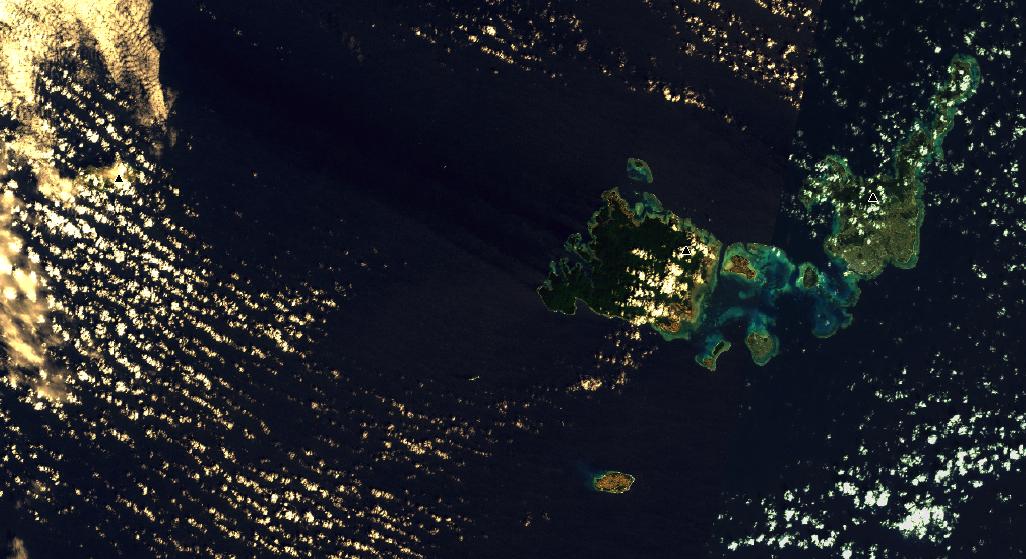
The Yaeyama group comprises 12 inhabited islands, each serving as a unique node in a complex maritime network. The three primary pillars of the region are:
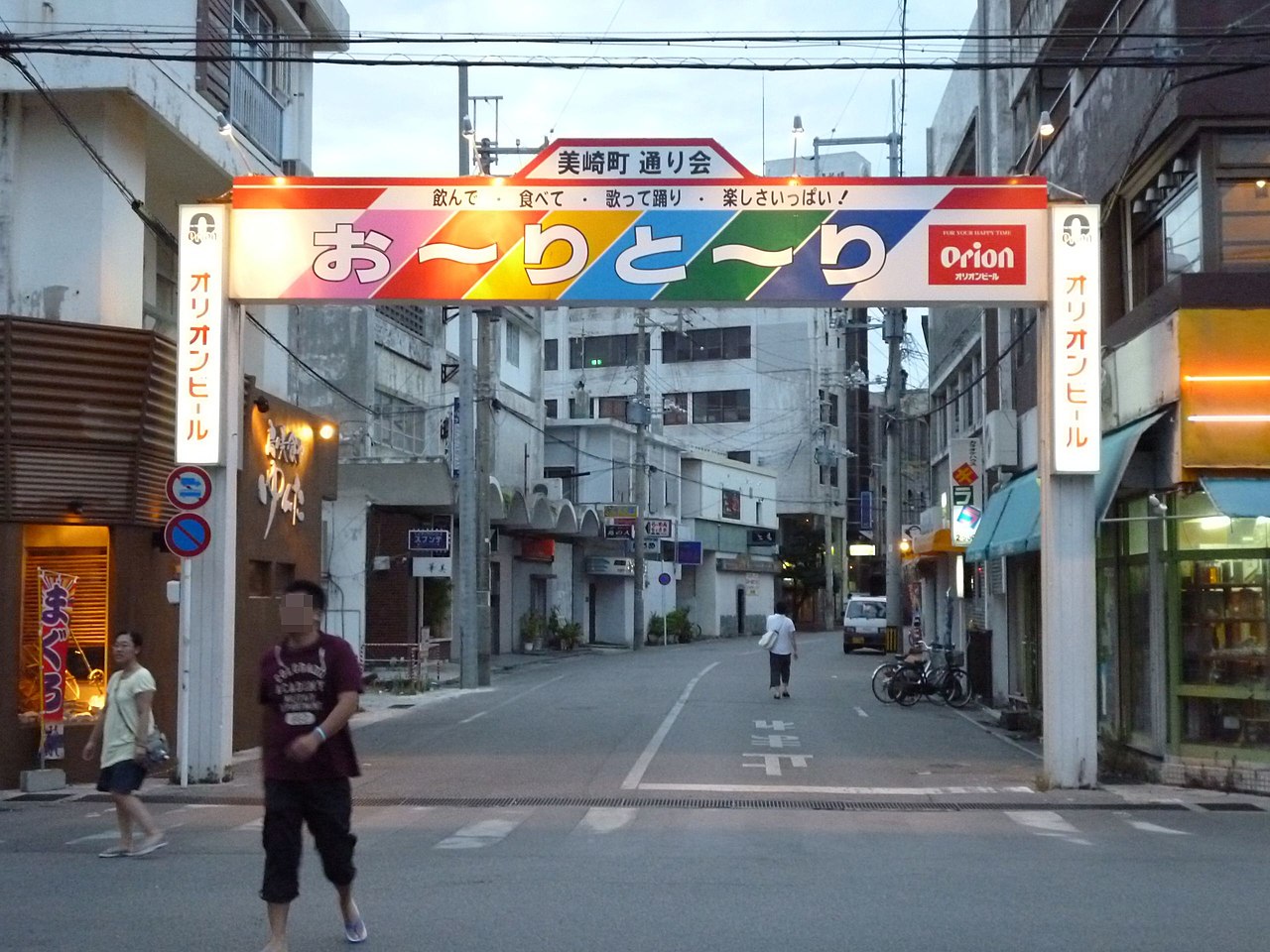
- Ishigaki Island: The administrative and transit hub. With a population of 48,000, it is the logistical gateway for all visitors.
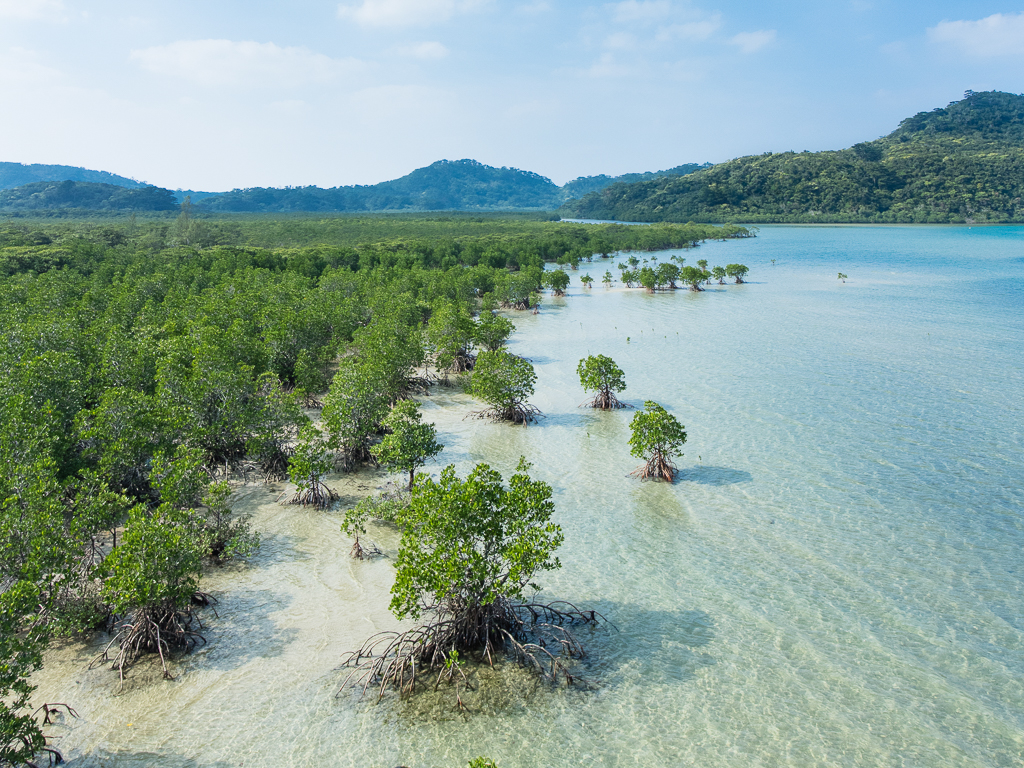
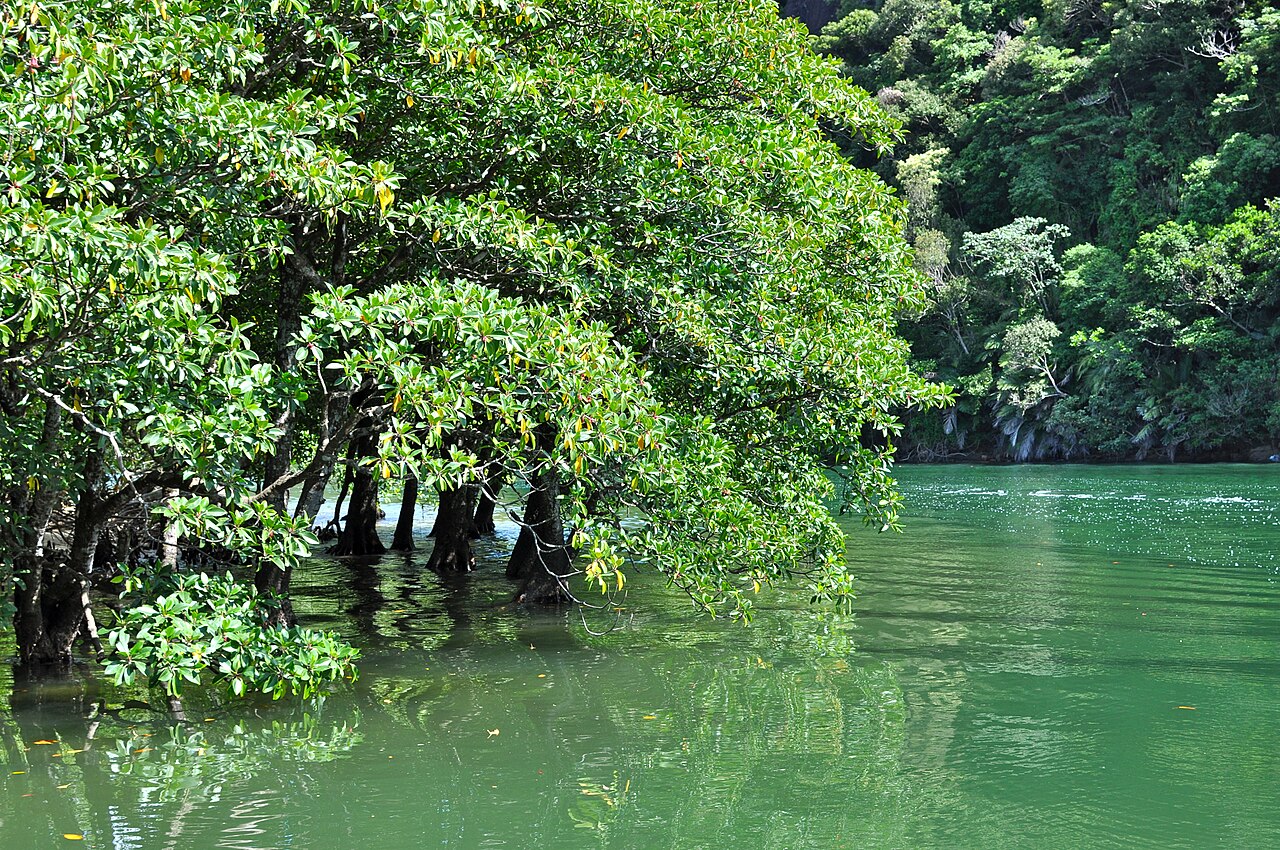
- Iriomote Island: Often referred to as the "Galapagos of Japan," this landmass is 90% subtropical forest and home to the critically endangered Iriomote wildcat.
- Taketomi Island: A living museum of Ryukyuan architecture, where red-tiled roofs and coral-chip paths are protected by strict local ordinances.
Beyond these, the archipelago extends into the Pacific, featuring specialized outposts like Kohama (resort-focused), Kuroshima (a cattle-rearing island with ten times as many cows as humans), and Hateruma, which marks the southernmost inhabited point in Japan. At the far western edge lies Yonaguni, a rugged outlier famous for the mysterious, possibly man-made "Yonaguni Monument" submerged off its coast.
Chronology: A History of Resilience
The history of the Yaeyama Islands is a chronicle of endurance, defined by both isolation and external influence.
- Pre-1879: The islands existed as an integral part of the independent Ryukyu Kingdom, which operated as a tributary state to both China and Japan. This period fostered a unique culture, language, and architectural style that persists today.
- 1879: The Japanese annexation of the Ryukyu Kingdom formally incorporated the islands into the Japanese prefecture system, though the distance from the mainland allowed local customs to remain largely insulated.
- Post-WWII: Like the rest of Okinawa, the islands remained under United States administration until the 1972 reversion to Japan. This era left a lasting mark on the infrastructure and the islands’ relationship with the Japanese mainland.
- 21st Century: The islands have transitioned from agricultural reliance (sugar cane and pineapple) to a sophisticated tourism economy. Today, they serve as a critical ecological sanctuary, with Iriomote-Ishigaki National Park receiving increasing international recognition.
Supporting Data: Infrastructure and Access
Accessing this remote paradise requires logistical precision. Ishigaki Airport serves as the primary artery, with direct flights from Tokyo (Haneda/Narita), Osaka (Kansai), and Naha.
Ferry Connectivity
The Ishigaki Remote Island Terminal is the heartbeat of the region. Managed by operators like Yaeyama Kanko Ferry and Anei Kanko, the terminal facilitates 15–20 departures daily.
| Route | Average Duration | Frequency |
|---|---|---|
| Ishigaki to Taketomi | 15 min | High |
| Ishigaki to Iriomote (Ohara) | 45 min | High |
| Ishigaki to Hateruma | 60 min | Low (Weather dependent) |
| Ishigaki to Yonaguni | 30 min (Flight) | Daily |
Note: Ferry services are highly susceptible to seasonal typhoon activity. Travelers are strongly advised to adhere to the "first ferry out, early return" rule during the autumn months.
Demographic and Economic Indicators
- Population Density: Heavily concentrated in Ishigaki; remote islands like Hatoma or Aragusuku maintain populations under 100, focusing on sustainability and heritage preservation.
- Tourism Impact: The region has seen a 15% increase in international arrivals annually since 2020, driven by the shift in interest toward eco-tourism and outdoor adventure.
Official Responses and Conservation Efforts
The local government and the Ministry of the Environment have implemented aggressive policies to preserve the fragile biodiversity of the Yaeyama Islands.
The Iriomote Wildcat (Yamaneko) Protection:
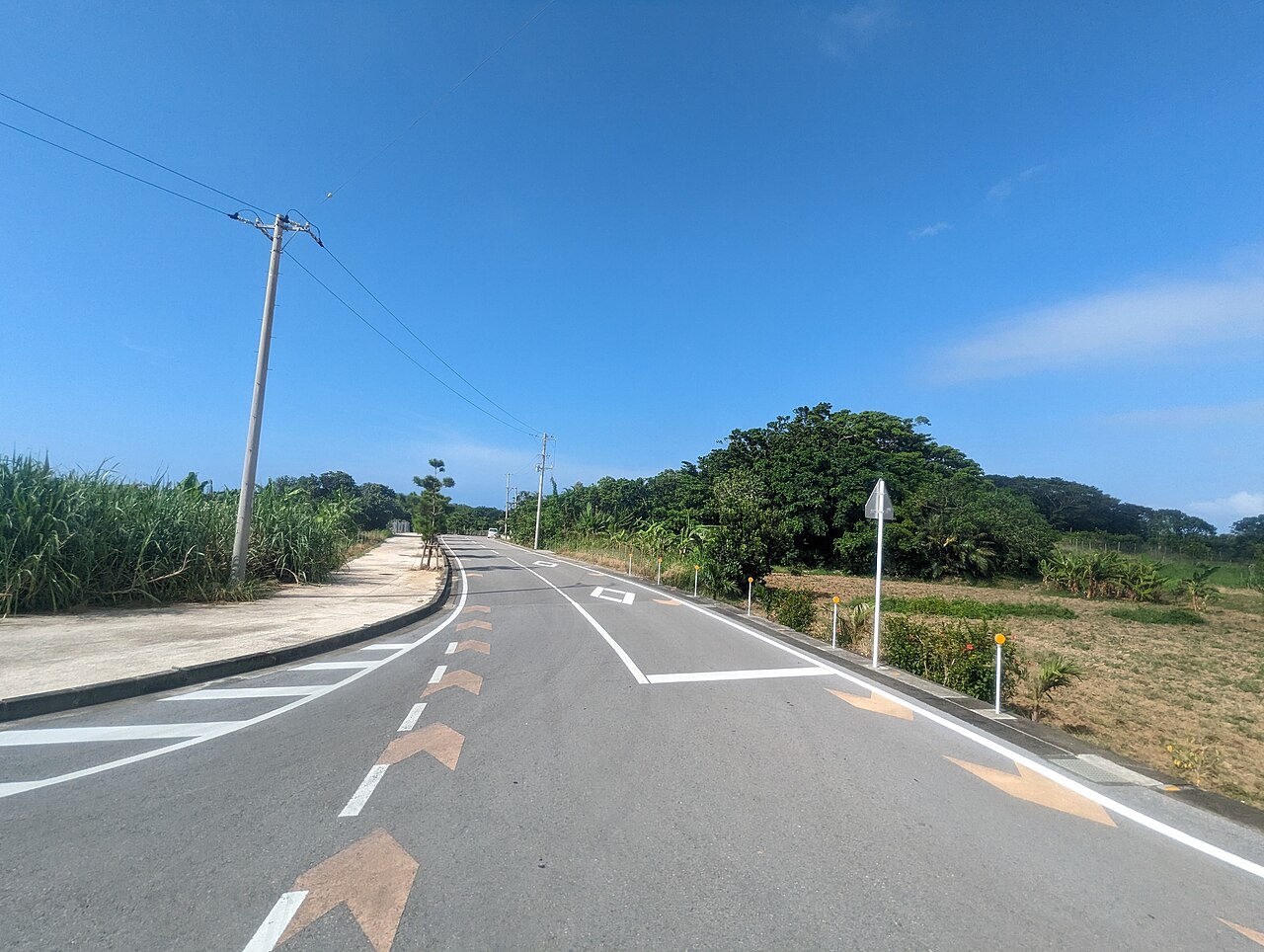
With fewer than 100 individuals remaining, the Iriomote wildcat is the subject of intense conservation. Official signage warns drivers of "yamaneko crossings," and speed limits are strictly enforced on island roads. The Iriomote Wildlife Conservation Centre serves as the primary site for public education, as the animals are strictly nocturnal and virtually impossible to spot in the wild.
Building Ordinances:
On Taketomi, preservation is not a suggestion—it is law. The "Taketomi Charter" prohibits the use of modern, non-traditional materials in new constructions or major renovations. This ensures that the aesthetic integrity of the village remains unchanged, preserving the red-tiled roofs and shisa lion-dog guardians that are symbolic of the Ryukyuan spirit.
Implications: The Future of Yaeyama Tourism
As the islands gain global traction, the balance between "over-tourism" and economic sustainability remains the primary challenge.
The Environmental Toll
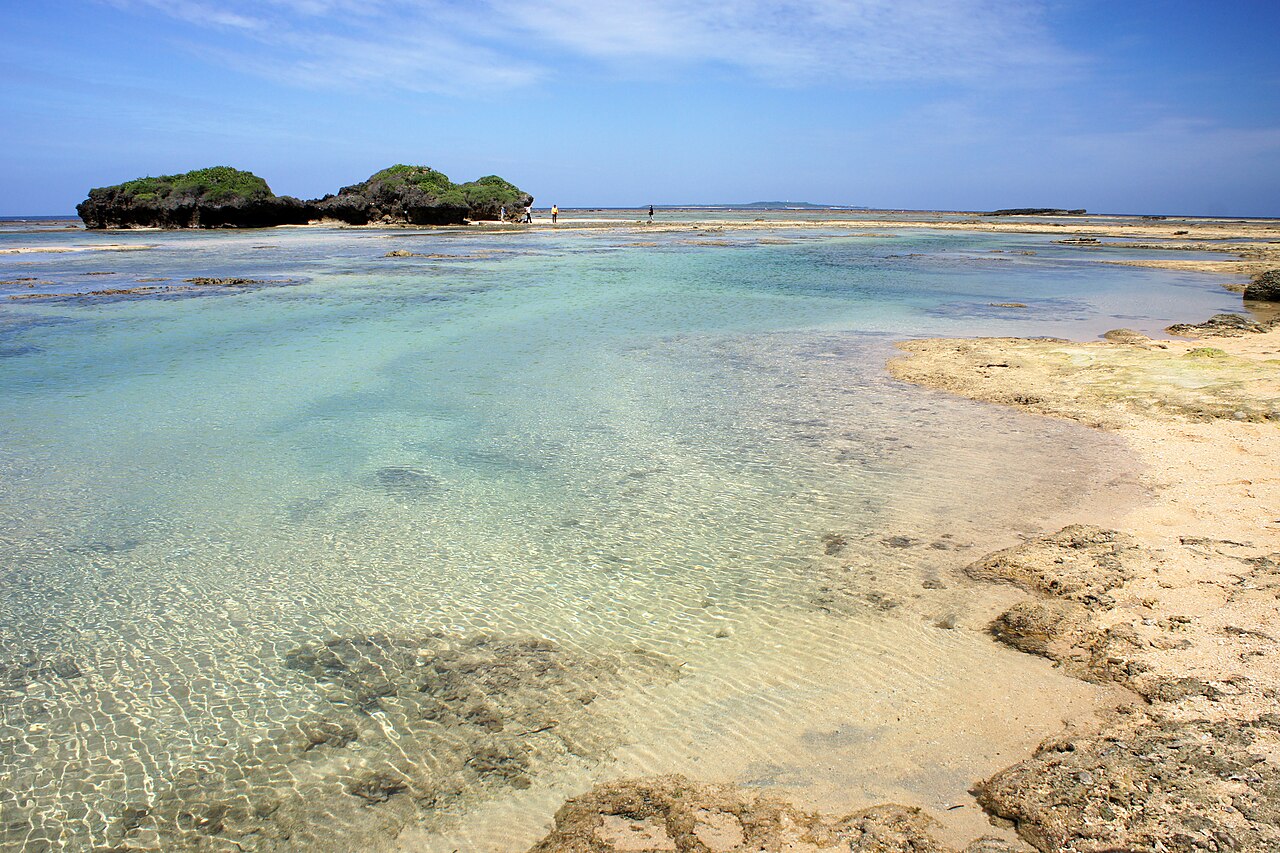
The reliance on foraminifera sand—specifically the "Star Sand" of Hateruma and Iriomote—has led to strict prohibitions against removing sand from the beaches. This is a critical implication for future travelers: the islands are an ecosystem, not a souvenir shop. The local authorities are currently debating the introduction of an "Environmental Preservation Tax" for visitors to mitigate the impact of increased foot traffic on coral reefs.
The "Second-Trip" Demographic
Data suggests that the Yaeyama Islands are rarely a first-time visitor’s destination. The transit time required to reach the southernmost reaches of Japan typically limits the visitor pool to those who have already completed the "Golden Route" (Tokyo–Kyoto–Osaka). This has resulted in a more mature, respectful, and high-spending demographic, which aligns with the local government’s desire for "quality over quantity."
Cultural Preservation vs. Modernization
While the younger generation of Yaeyama residents is increasingly connected to the digital economy, there is a concerted effort to keep the Yaeyama-go language and music traditions alive. The Yaeyama Minyo (folk music) scene is thriving, with local izakayas often hosting impromptu nightly performances. For the visitor, this implies that the most authentic experiences are not found in the upscale resorts, but in the small, family-run establishments where the language and culinary traditions are passed down through generations.
Final Assessment: Is it Worth the Journey?
For the discerning traveler, the Yaeyama Archipelago represents the pinnacle of Japanese travel. It is a destination that demands patience—waiting for the right weather, respecting the slow pace of village life, and accepting the isolation of the outer islands.
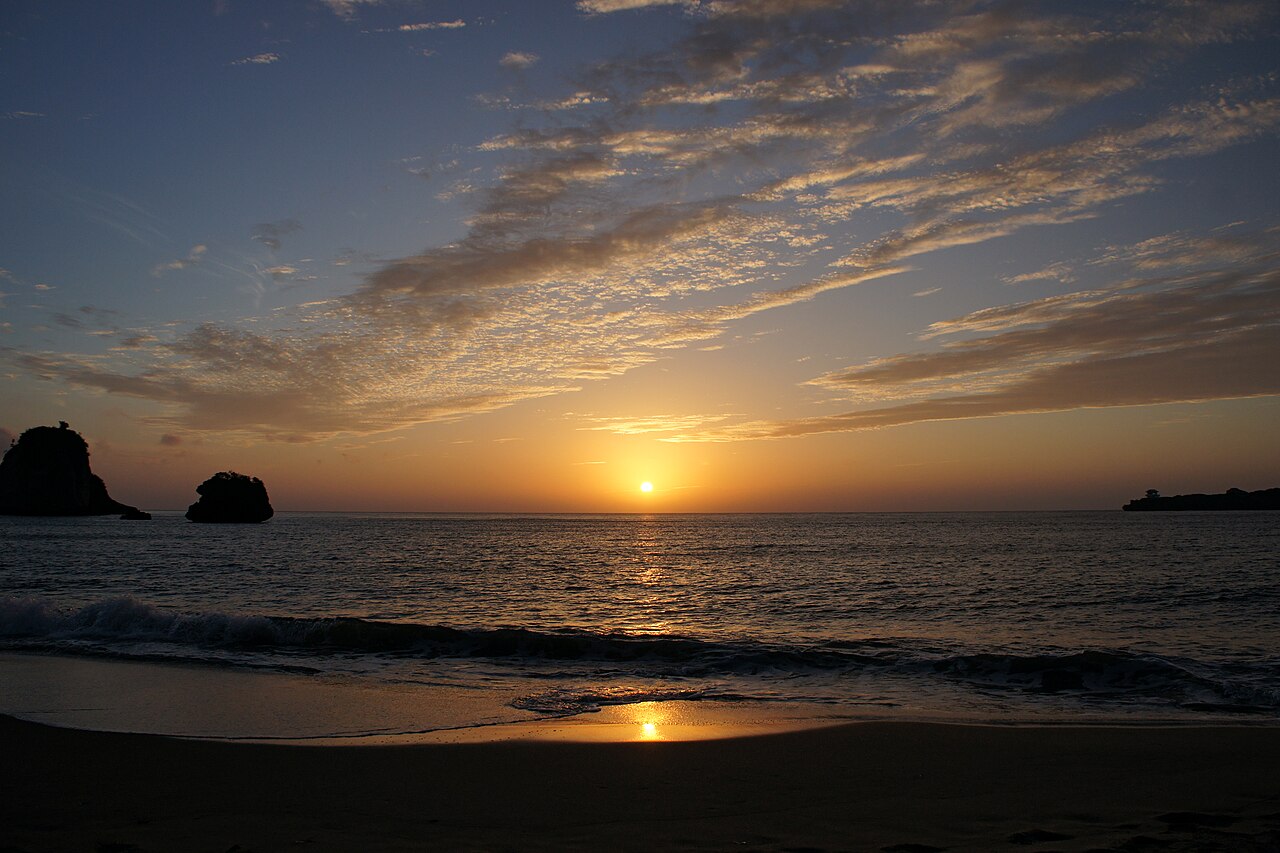
However, the rewards are unmatched: the crystalline waters of the Manta Scramble, the silence of the Iriomote mangroves, and the haunting beauty of a sunset over the red-tiled roofs of Taketomi. As Japan continues to modernize at a breakneck pace, the Yaeyama Islands stand as a vital, breathing testament to the country’s diverse and ancient identity. Whether you are a diver seeking world-class coral or a historian tracing the remnants of the Ryukyu Kingdom, the Yaeyama Islands provide a profound and necessary counter-narrative to the Tokyo-centric view of Japan.
Plan your visit with the climate in mind—aim for the shoulder seasons of April–May or October–November—and you will find a corner of the world that feels both timeless and entirely unique.












No comments yet. Be the first to join the conversation!