Lina Irawan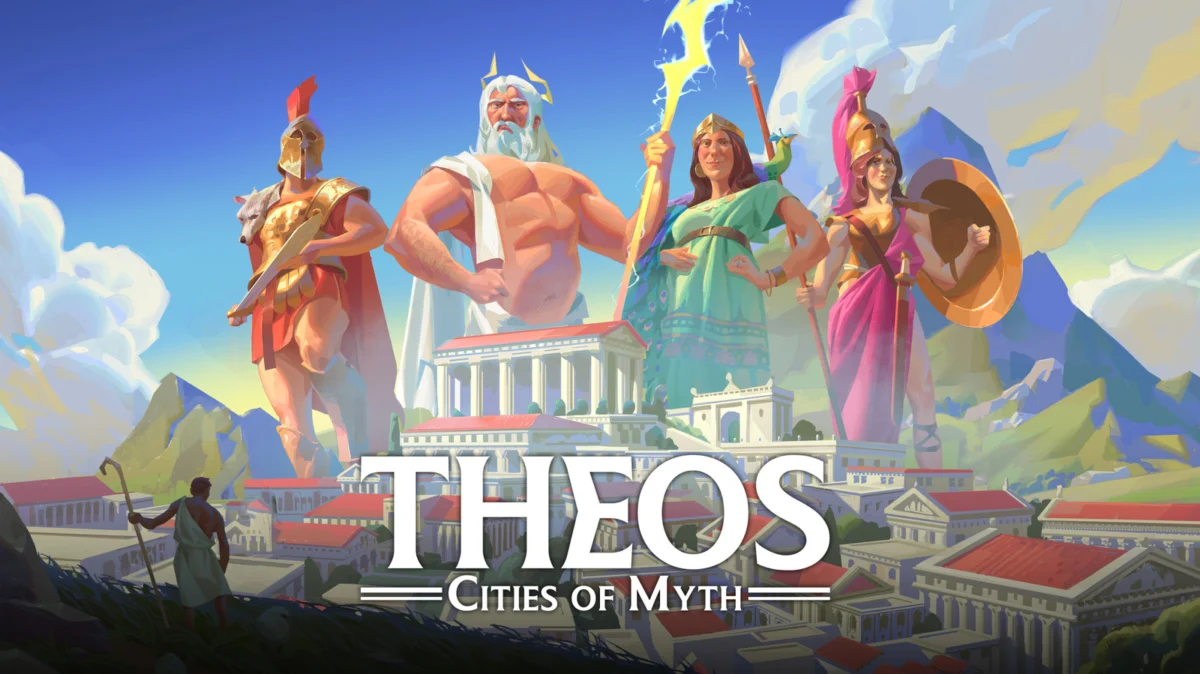
For a generation of PC gamers, the turn of the millennium was defined by the golden age of city-building simulations. Between 1998 and 2000, Impressions Games—a studio that became synonymous with the genre—released a trio of titles that would go on to define the medium: Caesar III, Pharaoh, and the mythological masterpiece Zeus: Master of Olympus. While SimCity laid the foundation for the genre, it was these titles that injected soul, complex supply chains, and distinct cultural identities into the formula.
More than two decades later, that legacy remains vibrant. Fan-led projects like Augustus continue to maintain and modernize the original codebases, proving that the demand for "Impressions-style" gameplay has never truly waned. Now, Triskell Interactive, the studio behind the 2023 remake Pharaoh: A New Era, is looking to recapture that magic with a brand-new project: Theos: Cities of Myth.
Slated for a PC release later this year, Theos represents a deliberate attempt to modernize the isometric city-builder, balancing nostalgic mechanics with updated quality-of-life features.
The Legacy of Impressions Games
To understand the significance of Theos, one must appreciate the specific "Impressions formula." These games were characterized by an isometric perspective, a focus on logistics, and the "walker" system—where individual NPCs moved across the map to provide services like fire protection, water distribution, or food delivery.
The challenge in these titles was never just about placing buildings; it was about managing the movement of people. Because the AI for these walkers was often unpredictable, players had to architect their cities with surgical precision to ensure essential goods reached housing blocks before the inhabitants abandoned their homes.
Triskell Interactive, having spent significant time deconstructing this logic during the development of Pharaoh: A New Era, is now pivoting from remakes to a spiritual successor. While they are not officially continuing the Zeus franchise, Theos is unmistakably built on the DNA of that 2000 classic. By utilizing a mythological Greek setting, the developers are leaning into the divine intervention and monumental construction goals that made the original games so compelling.
Chronology: From Ancient Egypt to Modern Greece
The development journey of Theos is deeply intertwined with the current industry trend of revitalizing classic PC genres.
- 1998–2000: The original Impressions Games "Golden Era" produces Caesar III, Pharaoh, and Zeus: Master of Olympus.
- 2023: Triskell Interactive releases Pharaoh: A New Era, a high-definition remake of the 1999 original and its Cleopatra expansion. While commercially successful, the title faced criticism regarding its art direction and the integration of new versus old aesthetics.
- 2024: Triskell Interactive announces Theos: Cities of Myth, shifting focus from direct remakes to an original project that acts as a spiritual successor to Zeus.
- 2025 (Projected): Theos: Cities of Myth is scheduled for a full release on PC.
This progression marks a shift for Triskell. Moving from the rigid constraints of a remake to a new intellectual property allows the team to iterate on the very systems that constrained players two decades ago, specifically regarding the frustrating "walker" pathing AI that defined the original experience.
Mechanics and the "Walker" Problem
In the original Impressions games, the lack of control over NPC movement was a central pillar of difficulty. Players had to use "roadblocks" and specific city layouts to force walkers onto desired paths.
Theos attempts to solve this by granting the player direct control over walker routes. In theory, this is a massive step forward for the genre; it promises to eliminate the "buggy" feel of the early 2000s and allow for more organic, creative city layouts. However, as noted in early playtesting, this introduces a new layer of complexity: micromanagement.
The User Experience Challenge
In the current, early-access build of Theos, the manual routing system presents a mixed bag. While the control is welcome, the interface often feels disconnected. When a player expands their city, the game does not always intelligently adjust the routes, forcing the player to manually redraw paths for every new district.
Furthermore, the game’s communication—specifically concerning the reach of a walker’s route—remains opaque. Players often find themselves placing buildings and guessing whether a service will actually reach its intended destination. These are common pitfalls in early builds, but they highlight the difficulty of replacing "systemic chaos" (the old AI) with "player agency" (the new system) without creating a chore-heavy experience.
Official Perspectives and Studio Vision
In a recent press briefing, the team at Triskell Interactive emphasized that Theos is intended to be a love letter to the genre rather than a reinvention of it. Unlike Manor Lords or Frostpunk, which have introduced deep survival-sim elements, Theos is firmly rooted in the city-builder tradition of the late 90s.
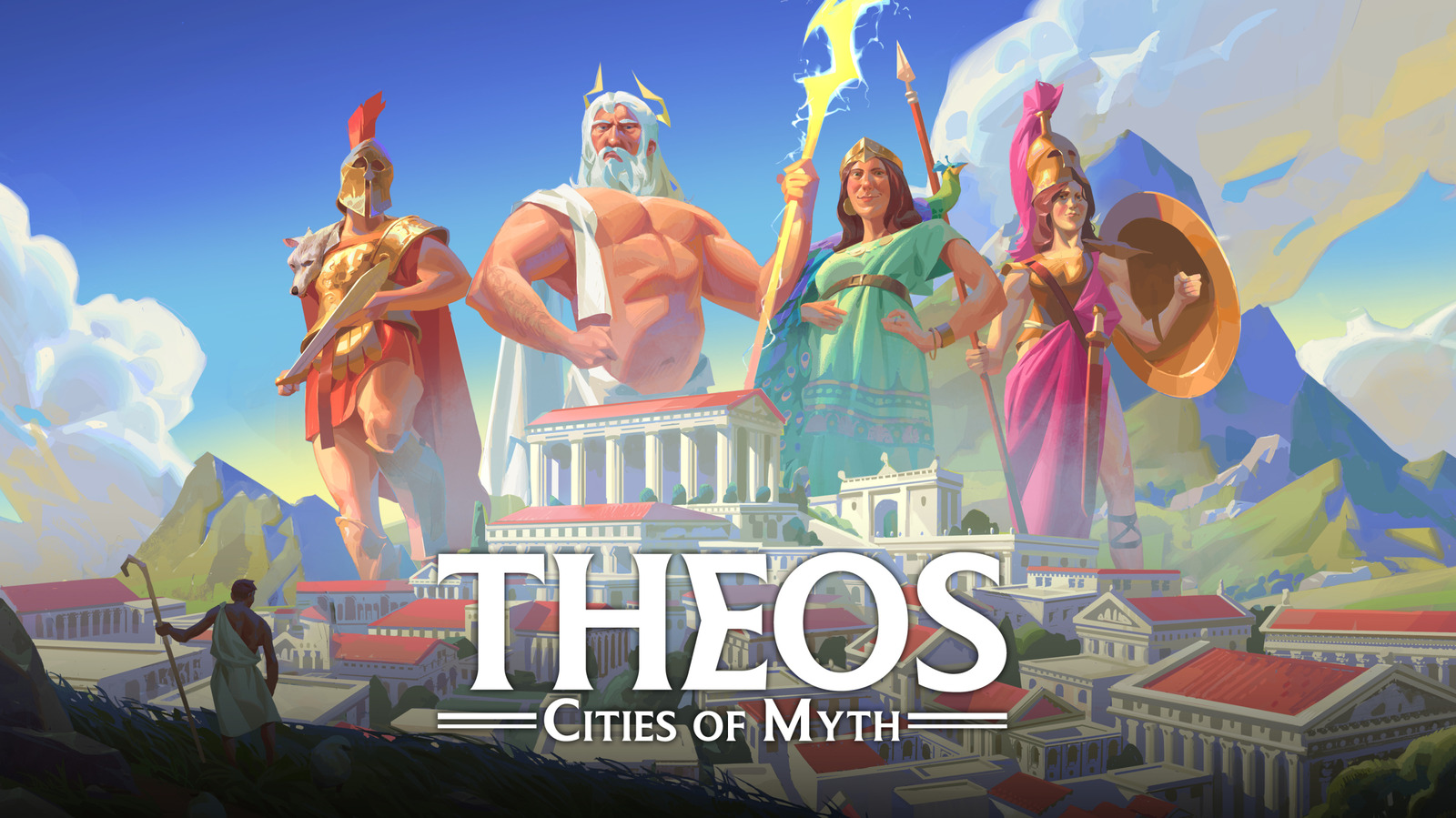
The publisher, Dotemu, has positioned Theos as a "spiritual successor." This branding is vital. By avoiding the direct Zeus trademark, Triskell avoids potential legal entanglements while signaling to the audience exactly what kind of experience they can expect. The focus remains on the "gods and mortals" dynamic: constructing massive sanctuaries to appease deities like Athena, managing the agora, and ensuring the populace thrives under the shadow of Mount Olympus.
Implications: The Aesthetic Divide
Perhaps the most contentious aspect of the Theos reveal is its visual presentation. A primary criticism of Triskell’s Pharaoh remake was the "uncanny valley" effect—where high-definition buildings clashed with stylistically distinct, jarring NPC character models.
Early feedback suggests that Theos is struggling with this same issue. While the environments aim for a vibrant, warm aesthetic reminiscent of the Mediterranean, the NPCs appear to be rendered in a different stylistic language. This lack of visual cohesion can break the immersion for long-time fans who associate the genre with the charming, unified aesthetic of the 2000s.
If Triskell intends to capture the market of players who have spent decades playing the originals, they must bridge this gap. Art direction is not merely cosmetic in city-builders; it is the primary way players communicate with the game state. When the citizens look like they belong in a different game than the city itself, the entire experience can feel disjointed.
The Future of the Genre
Theos: Cities of Myth occupies a unique space. It is a game designed for a demographic that already knows how to play it, yet it is struggling to find the balance between modern convenience and classic charm.
The success of the project will likely hinge on the final polish of its pathing system. If Triskell can streamline the micromanagement of walker routes and harmonize the visual style, Theos could very well be the definitive "Impressions-style" game of the modern era. If not, it may remain a niche title that serves as a reminder that some classics are perhaps best left to the fan-made patches of the original.
Regardless of these challenges, the existence of Theos confirms a significant trend: the city-building genre is no longer just about the scale of Cities: Skylines. There is a deep, abiding hunger for the intimate, logistics-heavy, and narrative-driven builders of the past. As we look toward the 2025 release, all eyes will be on whether Theos can truly claim the mantle of the gods or if it will be relegated to the halls of myth.
For now, the project remains an ambitious attempt to bridge the gap between two generations of gaming, proving that even after twenty years, the dream of building the perfect city remains a constant pursuit.


 Rifan Muazin
 Nila Kartika Wati