Iffa Jayyana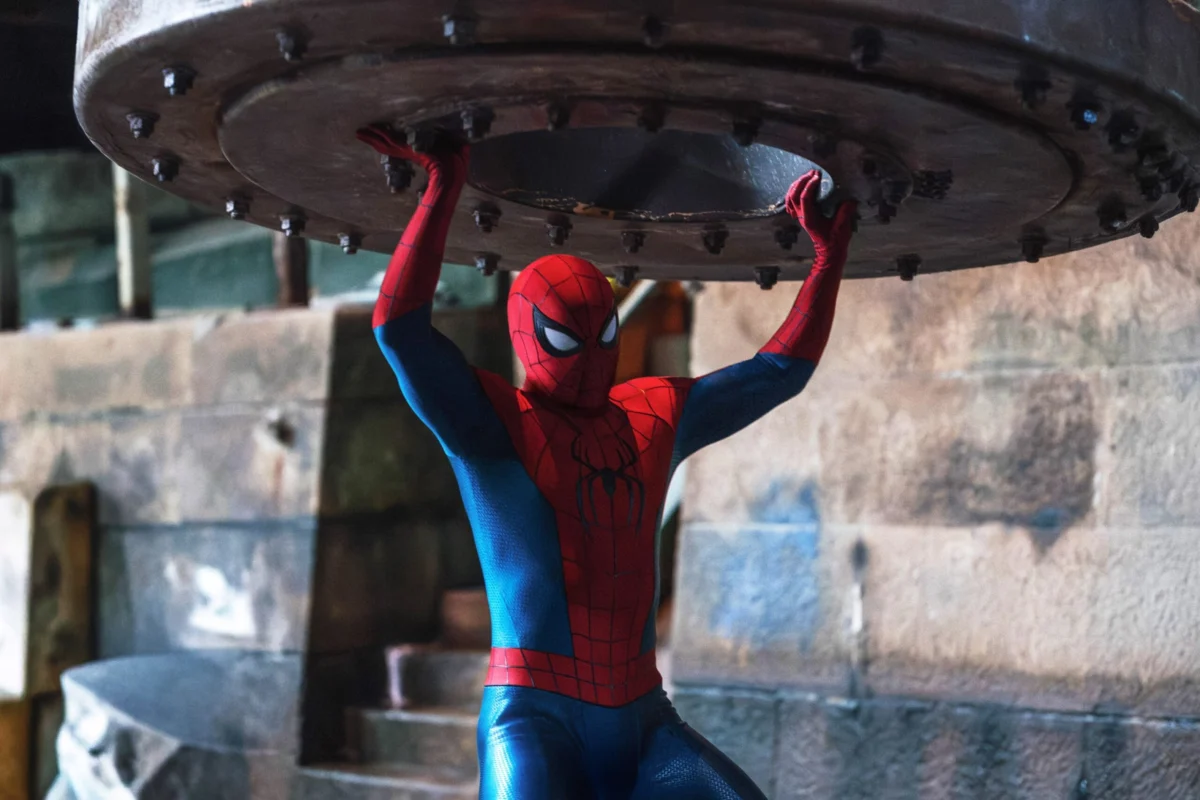
As Tom Holland returns to the silver screen this weekend in the highly anticipated Spider-Man: Brand New Day, the conversation surrounding the franchise has shifted from the immediate thrill of the new film to a more poignant, long-term question: How much longer will Holland don the iconic red-and-blue spandex? In a candid and revealing appearance on the Happy Sad Confused podcast, the actor confirmed that a sophisticated, years-in-the-making transition plan is already underway, marking a significant milestone in the history of the Marvel Cinematic Universe (MCU).
The Long-Game Strategy: Five Years in the Making
For fans who have grown up with Holland’s iteration of Peter Parker, the idea of a successor feels both inevitable and bittersweet. However, according to Holland, this transition is not a reactive decision born of contract negotiations, but a proactive vision crafted with care.
“There’s a whole plan that we have been working on for, I would say, since we finished Spider-Man: No Way Home,” Holland revealed during his podcast appearance. “It’s laid out. It’s gonna change for sure, but I have a really clear vision to the passing on of the baton, and I think it’s really exciting.”
This disclosure suggests that Marvel Studios and Sony Pictures have been quietly building a roadmap for the franchise’s future for half a decade. By starting the planning process immediately following the record-breaking success of No Way Home—a film that dealt heavily with the multiverse and the legacy of previous Spider-Men—the creative team has ensured that the "next chapter" will feel like an organic evolution rather than a jarring reboot.
Chronology: From ‘Homecoming’ to ‘Brand New Day’
To understand the weight of these comments, one must look at the trajectory of Holland’s tenure. Since his introduction in 2016’s Captain America: Civil War, Holland has played a pivotal role in the MCU, anchoring three solo films and appearing in two Avengers epics.
- 2016: Tom Holland makes his debut as Peter Parker, signaling a new, younger direction for the character.
- 2017–2021: The "Home" trilogy establishes Peter Parker’s journey from a high-school student to an Avenger dealing with the loss of his mentor, Tony Stark, and the crushing weight of global responsibility.
- 2021: Spider-Man: No Way Home hits theaters, grossing nearly $2 billion globally. It serves as a love letter to the character’s history, bringing in Tobey Maguire and Andrew Garfield.
- 2022–2025: Behind the scenes, the creative team at Marvel and Sony begins drafting a "succession plan."
- 2026: Spider-Man: Brand New Day debuts, marking the start of a new era for Holland’s Peter Parker, while simultaneously setting the stage for his eventual exit.
This timeline demonstrates that the studio has been intentional about managing the character’s longevity. By treating the franchise as an ongoing narrative with a distinct beginning, middle, and end for the lead actor, they are avoiding the "superhero fatigue" that often plagues long-running film series.
The Miles Morales Factor and the Future of the Web-Slinger
The burning question remains: Who will inherit the mask? While Marvel has kept the specific identity of the next Spider-Man under lock and key, Holland has been vocal about his desire to see Miles Morales take the mantle.
"I have a desire to bring Miles Morales to the screen," Holland told the AP during the Brand New Day press tour. He expressed a deep-seated wish to "shepherd the lucky young kid who gets that job."
The timing seems fortuitous. Sony’s critically acclaimed animated franchise, Spider-Verse, is slated to conclude next summer with Spider-Man: Beyond the Spider-Verse. With the animated arc of Miles Morales reaching its emotional climax, it would be a logical step for the studio to transition the character into live-action. Introducing a live-action Miles Morales would allow for a fresh dynamic, potentially placing a veteran Peter Parker in the role of a mentor—a mirror image of the relationship Holland shared with Robert Downey Jr.’s Iron Man.
Holland has been clear about his desire to replicate that mentorship. In an earlier interview with Empire, he stated, “If I could do what [Robert Downey Jr.] did for me, then I would be so content swinging off into the sunset.”
Implications for the MCU and Sony Pictures
The implications of this transition strategy are profound for both the industry and the fans.
1. The Mentorship Model
By positioning Peter Parker as a mentor, Marvel can retain the popularity of the character while allowing the narrative focus to shift. This allows for a "legacy" approach to superhero storytelling, where the mantle of the hero is passed down rather than discarded. It keeps the lore intact while providing fresh stories for new generations.
2. Strategic Brand Management
The collaboration between Sony and Disney regarding the Spider-Man IP has always been complex. By having a clear, long-term plan, both studios can avoid the pitfalls of conflicting creative visions. A unified plan for a successor ensures that the brand remains stable, profitable, and culturally relevant.
3. The "Sunset" Approach
Holland’s willingness to participate in his own replacement is a rarity in Hollywood, where actors often fight to keep iconic roles as long as possible. By framing his departure as an act of service to the character and the fans, Holland is protecting his legacy. It ensures that when he does eventually leave, it will be on his own terms, in a way that celebrates his contribution rather than ending on a note of exhaustion or decline.
Supporting Data: The Power of the Brand
The Spider-Man franchise remains one of the most lucrative properties in cinematic history. According to box office analysts, the "Spider-Man" brand consistently outperforms most other superhero franchises due to the character’s universal appeal.
- Financial Impact: The MCU Spider-Man films have consistently ranked among the highest-grossing films of their respective release years.
- Audience Demographics: Surveys indicate that Spider-Man has the highest multi-generational appeal of any Marvel character, making the succession plan a critical business necessity to ensure the brand continues to attract younger demographics.
- Critical Reception: Holland’s tenure is currently tied for the highest average critical score among live-action Spider-Man portrayals on major review aggregation sites, setting a high bar for any successor.
Conclusion: A New Dawn for Spider-Man
As Spider-Man: Brand New Day arrives in theaters, audiences are reminded that the story of Peter Parker is a marathon, not a sprint. Tom Holland’s openness about the succession plan is not a signal that he is leaving tomorrow; rather, it is a sign of a mature, well-managed franchise that values its legacy.
Whether the next chapter involves the high-energy, street-level heroics of Miles Morales, the introduction of Spider-Gwen, or an entirely new creative direction, one thing is certain: the foundation has been built. Tom Holland is not just playing the role of Spider-Man; he is actively ensuring that the spirit of the character remains, even when he is no longer the one behind the mask.
For the fans, this offers a sense of security. The "swinging off into the sunset" that Holland envisions may be years away, but when that day comes, it will be handled with the same care and respect that defined his time as the friendly neighborhood Spider-Man. For now, we watch as the current chapter unfolds, knowing that the story is in the hands of someone who truly understands the responsibility that comes with the power.

 Nana Wu
 Jia Lissa