


The highly anticipated launch of Call of Duty: Modern Warfare 4 is poised to navigate a complex and challenging market landscape, according to a new report from S&P Global. While the franchise makes a significant return to Nintendo platforms with a planned release on the upcoming Switch 2, this expansion is projected to fall short of offsetting the substantial loss of the PlayStation 4 and Xbox One player bases. Compounding these strategic shifts are persistent hardware price increases for current-generation consoles, further limiting the potential audience for Activision’s flagship title.
The S&P report paints a cautious picture for Modern Warfare 4, indicating a net reduction in its addressable console market. This strategic pivot, which sees Activision fully embrace the current console generation (PlayStation 5, Xbox Series X/S) while simultaneously venturing into the next iteration of Nintendo hardware, is a calculated risk. It aims to leverage advanced console capabilities but comes at the cost of alienating a vast segment of last-generation players still active on their older machines. The confluence of these factors – a shrinking last-gen audience, a nascent new Nintendo console, and an economically constrained current-gen market – sets the stage for a pivotal moment in the long-running Call of Duty saga.
Main Facts: A Shrinking Horizon for Modern Warfare 4
Activision’s decision to discontinue support for the PlayStation 4 and Xbox One for Call of Duty: Modern Warfare 4 has effectively pruned its potential market by an estimated 4.3%, according to a detailed analysis by S&P Global. This contraction is a direct consequence of leaving behind tens of millions of active last-generation console owners, a segment that has historically been a bedrock for the annual franchise. The report underscores a significant strategic gamble for Activision, one that prioritizes technological advancement and a forward-looking platform strategy over immediate market breadth.
Adding to the complexity, the highly anticipated launch of Modern Warfare 4 on the as-yet-unreleased Nintendo Switch 2, marking the franchise’s first appearance on a Nintendo console since 2013, will not adequately compensate for the exodus of users from the legacy Sony and Microsoft platforms. While the Switch 2 promises to open up a new demographic for Call of Duty, its projected install base by the end of 2026 is still slightly less than the anticipated number of active PS4 and Xbox One users that Activision is choosing to forego. This net deficit, as calculated by S&P Global, translates to nearly 3 million fewer potential console players compared to if last-gen support had been maintained.
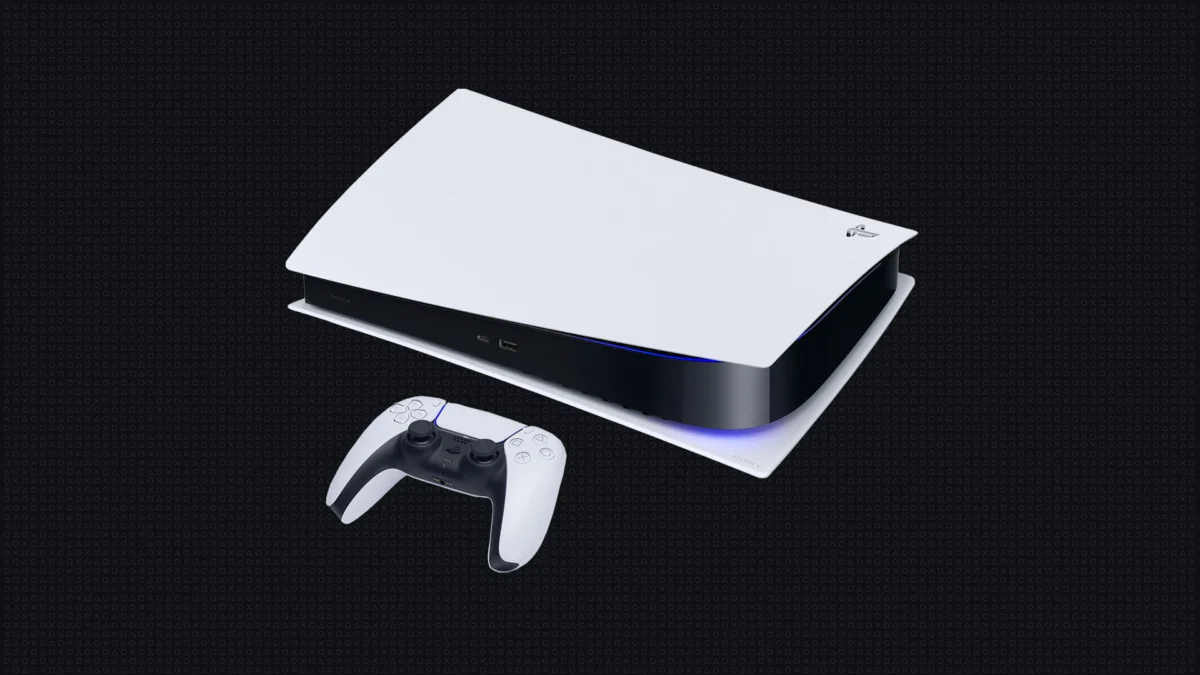
Furthermore, the report highlights a broader macroeconomic challenge impacting the entire console gaming ecosystem: persistent and escalating hardware prices. Sony previously increased the price of the PlayStation 5 globally in March, and projections suggest that Xbox console prices could see further increases. These rising costs, driven by factors such as component scarcity and inflationary pressures, are expected to temper the adoption rates of current-generation consoles, thereby limiting the audience for games like Modern Warfare 4 that are exclusively targeting these more expensive platforms. The combination of a deliberate platform migration and an economically constrained consumer base presents a formidable challenge for Activision in achieving its customary sales targets.
Chronology: A Franchise in Transition
The Call of Duty franchise has long been a titan in the gaming industry, known for its annual release schedule and its impressive ability to span multiple console generations. For years, Activision meticulously supported older hardware alongside newer systems, ensuring a maximal audience reach. The PlayStation 4, for instance, continued to receive Call of Duty titles for five years following the launch of its successor, the PlayStation 5, a testament to the franchise’s commitment to its established player base. This stands in stark contrast to earlier generational shifts, such as the PlayStation 3 being dropped after only two years post-PS4 launch. This historical context illuminates the significance of the current decision to fully abandon PS4 and Xbox One support for Modern Warfare 4.
The seeds of this strategic shift began to sprout following the perceived underperformance of last year’s Call of Duty: Black Ops 7. Widely reported as having a "sluggish launch" and facing declining player engagement, Black Ops 7’s reception prompted Activision to reassess its long-standing release strategy. This led to an announcement that the publisher would be "changing the franchise release schedule," hinting at a more deliberate approach to development and market timing, potentially moving away from the rigid annual release cycle.
A pivotal moment in the franchise’s recent history was Microsoft’s monumental acquisition of Activision Blizzard Inc. The regulatory scrutiny surrounding this deal, particularly from bodies concerned about market dominance, played a direct role in shaping Activision’s platform strategy. As part of a series of concessions aimed at securing regulatory approval, Microsoft formally promised regulators it would bring Call of Duty to Nintendo consoles. This pledge directly paved the way for Modern Warfare 4’s planned launch on the Switch 2, marking a significant return for the series to Nintendo hardware after more than a decade. The last Call of Duty title on a Nintendo console was Ghosts in 2013 for the Wii U, making the Switch 2 launch a highly anticipated, albeit technically challenging, reunion.
More recently, the strategic landscape surrounding Call of Duty has continued to evolve under new leadership at Xbox. Asha Sharma, the new Xbox CEO, has overseen a series of changes, including the notable removal of new Call of Duty releases as day-one launch titles from Microsoft’s Game Pass subscription service. This move, framed as a response to "a lot of feedback" and part of a broader re-evaluation of Game Pass’s value proposition, indicates a shift in how Activision’s marquee franchise will be positioned within the broader Xbox ecosystem, potentially emphasizing direct sales over subscription access for its initial release window. This chronological sequence of events—from historical cross-generational support to recent underperformance, regulatory promises, and new executive decisions—collectively illustrates a franchise in a profound state of strategic transition as it prepares for the launch of Modern Warfare 4.
Supporting Data: A Market in Flux
The S&P Global report, spearheaded by analyst Neil Barbour, provides a granular look at the market dynamics influencing Call of Duty: Modern Warfare 4. According to the firm’s internal data, the newly announced Call of Duty title will be selling into a global console installed base of approximately 147.5 million units. This figure represents a notable 5.6% decrease from the audience available to last year’s Black Ops 7, which had an installed base of 156.2 million consoles. The decline underscores the immediate impact of shedding last-generation support, even before accounting for the new Switch 2 audience.
Barbour’s analysis projects a stark imbalance in the transition. By the end of 2026, S&P estimates that there will still be a significant active user base of 36 million PlayStation 4 and Xbox One owners. This substantial segment of the market, which previously contributed significantly to Call of Duty’s sales figures, will now be excluded from Modern Warfare 4. While the inclusion of the Switch 2 is a strategic positive, its projected install base by the same point in 2026 is estimated to be 33.9 million units. This direct comparison reveals a net reduction of nearly 3 million potential console players (36 million lost minus 33.9 million gained), directly supporting the report’s headline finding of a 4.3% overall market contraction. The firm’s data visually confirms this, illustrating a reduction of almost 3 million in the potential console install base.

Beyond the specific platform shifts, the report delves into broader economic pressures. Barbour points to "ongoing hardware price increases driven by rising component costs" as a critical limiting factor for current-generation console sales. Sony’s global PS5 price hike in March and the anticipated second Xbox price increase in 2025 (or a similar trend of increases if 2025 is a projection) reflect a challenging economic climate. Inflation, supply chain disruptions, and increased manufacturing expenses are translating into higher retail prices for consumers, making the barrier to entry for current-gen gaming higher than in previous cycles. This directly impacts the growth rate of the PS5 and Xbox Series X/S install bases, which Modern Warfare 4 is now exclusively targeting on the high-end.
The technical implications of this multi-platform strategy are also addressed. While moving away from older consoles grants developers "more headroom to leverage the capabilities of PS5 and Xbox Series S and X," Barbour cautions that "rolling in the Switch 2 complicates that narrative because it is not nearly as powerful" as its current-gen counterparts. Despite the Switch 2’s expected "more modern architecture" which should simplify scaling, developers will undeniably "still have to keep the lower overall performance specifications in mind." This necessitates careful optimization, potentially leading to visual or performance compromises on the Switch 2 version, or requiring significant development resources to ensure parity and quality across such disparate hardware. This complex technical tightrope adds another layer of challenge to Activision’s strategic decisions.
Official Responses: Navigating Strategic Shifts
While Activision has not issued a direct, public statement specifically addressing the S&P Global report or its market projections for Modern Warfare 4, the company’s recent actions and past communications provide insight into its strategic rationale. The decision to drop PlayStation 4 and Xbox One support aligns with a broader industry trend of developers gradually transitioning away from last-generation hardware to fully capitalize on the power and capabilities of the current console cycle. This move inherently allows development teams greater freedom to push graphical fidelity, implement more complex game mechanics, and create larger, more detailed worlds without the constraints imposed by older, less powerful machines. This was alluded to by Neil Barbour, who noted that moving away from older consoles gave developers "more headroom to leverage the capabilities of PS5 and Xbox Series S and X."
Activision’s previous announcements regarding changes to the Call of Duty franchise’s release schedule, following the acknowledged "sluggish launch" of Black Ops 7, signal a proactive effort to recalibrate its strategy. These changes, though not explicitly detailed in the provided context, suggest a move towards optimizing for quality and market impact rather than strictly adhering to a rigid annual release cadence that may have led to diminishing returns. The company’s silence on the S&P report’s specific numbers might be interpreted as a focus on executing its announced strategy rather than engaging in public commentary on analyst projections.
Microsoft, as the new parent company of Activision Blizzard, has been more vocal regarding the Nintendo aspect of this strategy. The commitment to bring Call of Duty to Nintendo platforms was a crucial component of Microsoft’s efforts to secure regulatory approval for the Activision Blizzard acquisition. This public promise, made to various global regulators, directly underpins the Switch 2 launch of Modern Warfare 4. It underscores Microsoft’s strategic objective to expand Call of Duty’s reach and demonstrate fair competition, especially in the wake of concerns about exclusivity.
Furthermore, the recent policy changes implemented by new Xbox CEO Asha Sharma, including the removal of new Call of Duty titles from Game Pass as day-one launches, reflect an evolving business strategy. While the specific reasons cited were "a lot of feedback" and a desire to refine Game Pass’s value, this move effectively re-emphasizes the premium, standalone purchase model for Call of Duty at launch. This could be seen as an attempt to maximize initial sales revenue, especially important if the overall addressable market is indeed shrinking as suggested by S&P Global. While a direct "official response" to the report is absent, the cumulative actions and statements from Activision and Microsoft paint a clear picture of a strategic recalibration in response to market realities and regulatory pressures.
Implications: A Shifting Landscape for Players and Publishers
The strategic decisions surrounding Call of Duty: Modern Warfare 4 carry significant implications for Activision, the broader gaming industry, and the vast player base. For Activision, the immediate challenge is to manage the transition effectively. The report suggests a reduced console market reach, which could translate into lower initial sales figures compared to previous titles that enjoyed broader cross-generational support. The success of Modern Warfare 4 on current-gen consoles and the Switch 2 will be a critical barometer for Activision’s new strategy. If the enhanced visual fidelity and gameplay made possible by current-gen exclusivity resonate strongly with players, it could validate the decision. However, if the smaller audience leads to significantly dampened sales, it might force a re-evaluation of future platform strategies.
The development challenges highlighted by Neil Barbour are also substantial. Optimizing a graphically intensive title like Call of Duty for the high-end capabilities of the PS5 and Xbox Series X/S while simultaneously scaling it down for the less powerful Switch 2 is a complex technical undertaking. This could lead to a scenario where the Switch 2 version, while offering accessibility to a new audience, might be visually or performant-ly compromised compared to its counterparts, potentially leading to a fragmented player experience and perception. Ensuring a consistent and high-quality experience across such disparate hardware will be paramount to the game’s reception. Furthermore, a smaller overall player base could impact the health of the game’s online multiplayer community, a core pillar of the Call of Duty experience.
For the gaming industry, Activision’s approach with Modern Warfare 4 serves as a significant case study. It highlights the accelerating trend of major publishers dropping last-gen support, forcing millions of players to upgrade their hardware to access the latest titles. This move, while beneficial for pushing technological boundaries, risks alienating a segment of the market that may not be ready or able to invest in new, increasingly expensive consoles. The S&P report’s emphasis on rising console prices due to component costs and inflation underscores a broader economic challenge that could slow the adoption of current-gen platforms, creating a bottleneck for new software sales. Publishers must weigh the benefits of advanced hardware against the potential cost of a smaller addressable market.
The return of Call of Duty to a Nintendo console, facilitated by Microsoft’s regulatory promises, also has implications for the role of hybrid platforms like the Switch 2 in the AAA gaming space. If Modern Warfare 4 performs well on the Switch 2, it could encourage other major publishers to bring their flagship titles to Nintendo’s ecosystem, broadening the scope of games available on portable devices. Conversely, if the technical compromises or market reception are poor, it could reinforce doubts about the viability of high-fidelity AAA games on less powerful hybrid consoles.
Finally, for players, the implications are tangible. Those on PS4 and Xbox One will face the choice of upgrading their hardware or being excluded from the latest Call of Duty experience. Current-gen console owners might enjoy a more graphically advanced and feature-rich game, but potentially with a smaller initial online community. Switch 2 owners will gain access to a major franchise on a portable platform, a long-awaited development for many, but must manage expectations regarding performance and visual fidelity. The rising cost of entry into current-gen gaming means that investing in new hardware is a more significant financial decision than ever before, shaping who gets to play the latest and greatest titles. Activision’s gamble with Modern Warfare 4 is not just about a single game; it’s a strategic maneuver that could reshape market expectations and player experiences for years to come.











No comments yet. Be the first to join the conversation!