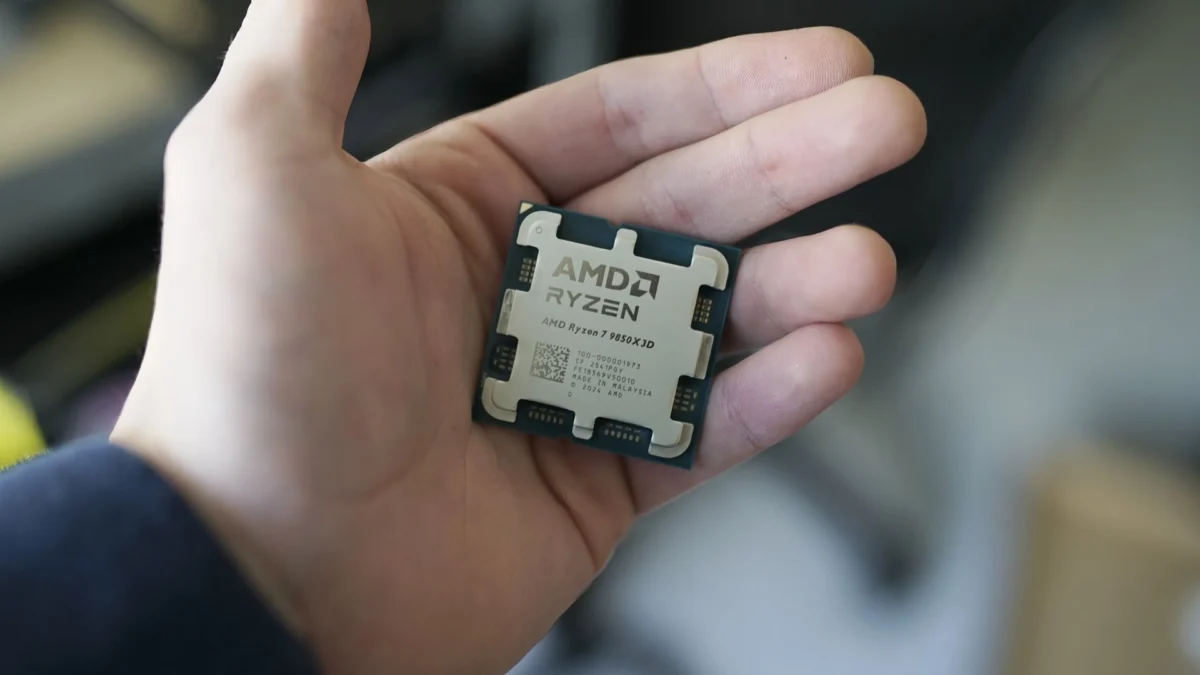
In an escalating strategic realignment, the Chinese government is reportedly contemplating a sweeping expansion of its technology export controls. This proposed policy shift—aimed at fortifying the nation’s "technological sovereignty"—could fundamentally reshape the global AI landscape and sever the manufacturing ties that have long connected Chinese chip designers to the world’s most advanced fabrication facilities.
As tensions between Washington and Beijing reach a new intensity, China’s Ministry of Commerce (MofCom) is exploring measures to restrict the international transfer of advanced AI models, proprietary training datasets, and strategic corporate assets. By potentially prohibiting local chip architects from utilizing foreign foundries like TSMC, Beijing is signaling a willingness to sacrifice short-term efficiency for long-term domestic control.
The Strategic Shift: A New Frontier of Controls
The proposed regulatory expansion is not merely a reactionary measure; it represents a proactive attempt to cage the "frontier" technologies that Beijing views as critical to national security and future economic dominance. According to reports from the Financial Times, Chinese regulators have engaged in high-level consultations with domestic tech giants, including Alibaba, ByteDance, and Zhipu AI, to discuss mechanisms to prevent critical intellectual property from slipping into Western hands.
The Core Proposals
- AI Model Weights: Regulators are discussing restrictions on the downloading of "model weights"—the fundamental parameters of an AI system that allow it to function. Currently, Chinese firms like DeepSeek and Moonshot distinguish themselves by offering open-weight models that developers can modify and host locally. Restricting this access would force a closed-loop system, effectively stalling the international adoption of Chinese AI standards.
- Manufacturing Autarky: Perhaps the most radical proposal involves forcing Chinese chip designers to abandon global foundries. For years, companies like Huawei and Alibaba have relied on the technical superiority of Taiwan Semiconductor Manufacturing Company (TSMC) to produce their most complex processors. Requiring these firms to pivot exclusively to domestic foundries like SMIC would be a massive industrial gamble, given the current performance gap between SMIC’s processes and the industry-leading nodes offered by TSMC.
- Data Sovereignty: By limiting the transfer of high-value training datasets across borders, China hopes to prevent foreign entities from benefiting from the massive, curated data troves that fuel the next generation of generative AI.
A Chronology of Escalation
The current push for export reform is the culmination of years of mounting friction in the global technology sector.
- 2019-2020: The U.S. Commerce Department places Huawei on the Entity List, effectively cutting off the tech giant’s access to advanced chips manufactured with U.S.-origin equipment.
- 2022: The Biden administration introduces comprehensive export controls on high-end AI chips (such as NVIDIA’s A100 and H100) and semiconductor manufacturing equipment to China.
- 2023: China responds by imposing export controls on critical minerals essential for semiconductor production, including gallium and germanium.
- 2024: Following the acquisition of the startup Manus by Meta—a deal valued at $2 billion—Chinese authorities intervene to retroactively block the transaction, citing concerns over "strategic technology" flight.
- Late 2024/Early 2025: MofCom begins informal consultations with domestic AI leaders regarding the potential prohibition of foreign manufacturing and the restriction of model weight exports, marking the latest chapter in the tech cold war.
Supporting Data: The Manufacturing Divide
To understand why the proposed manufacturing ban is so controversial, one must examine the technological chasm between current production capabilities.
| Metric | TSMC (Global Leader) | SMIC (China Leader) |
|---|---|---|
| Leading Process Node | 2nm / 3nm | 5nm / 7nm (limited) |
| Yield Efficiency | Industry standard-setting | Still optimizing for scale |
| AI Chip Dominance | Preferred by Apple, Nvidia, AMD | Domestic alternative focus |
By forcing companies to transition their designs from TSMC to domestic fabrication, Beijing risks putting its brightest tech firms at a distinct disadvantage compared to their American peers. While this move provides a guaranteed customer base for SMIC—thereby funding further domestic R&D—it may temporarily stall the deployment of next-generation AI hardware, as domestic foundries struggle to match the throughput and yield stability of their Taiwanese counterparts.
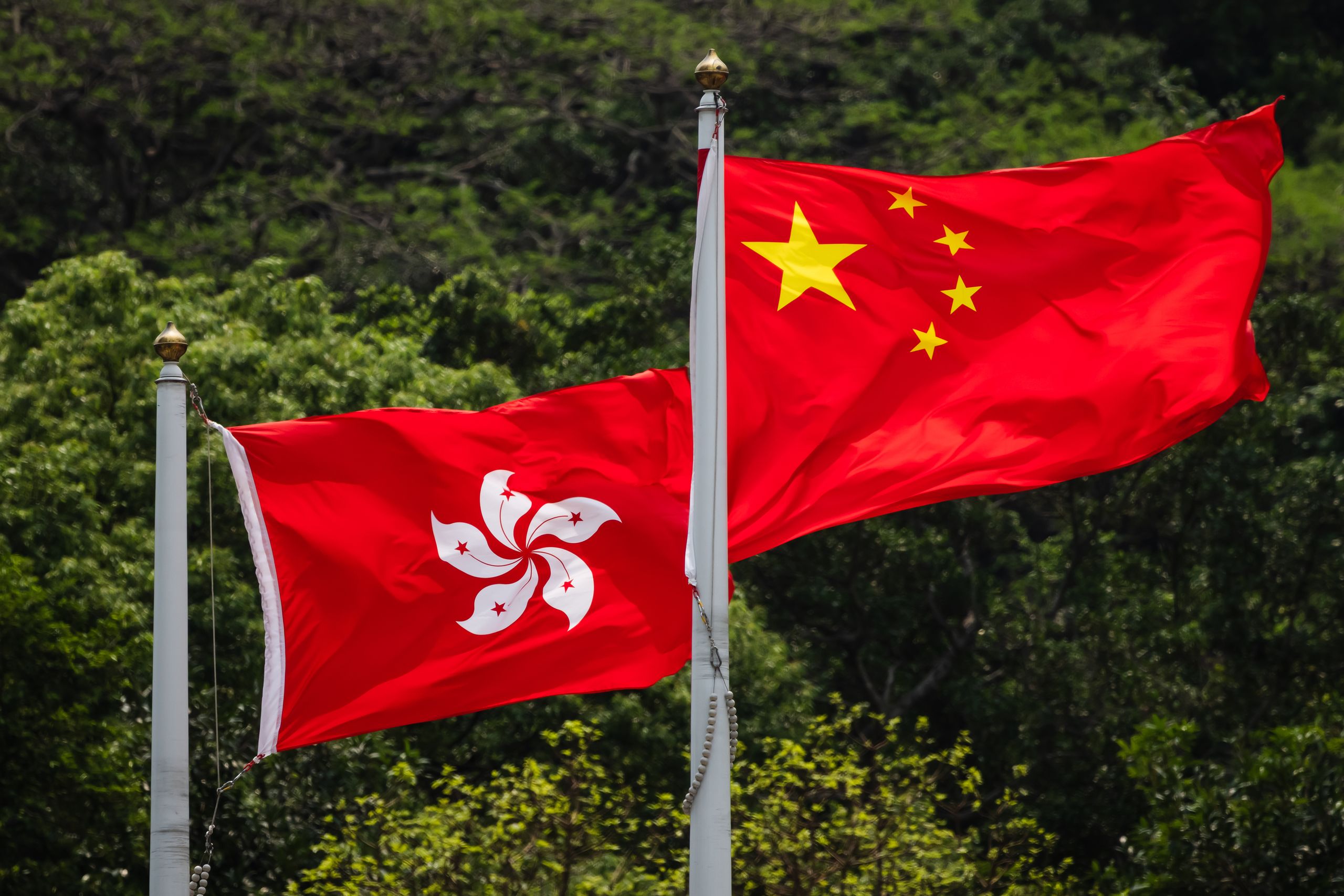
Official Responses and Industry Sentiment
While the Ministry of Commerce has remained relatively opaque regarding the specifics of the new catalogue, industry insiders suggest a mix of compliance and concern.
For the firms involved—Alibaba, ByteDance, and others—the ability to monetize their AI models globally is a core business objective. Remote access models (API-based services) may remain permissible, allowing these companies to continue generating revenue from foreign clients. However, the loss of "open-weight" distribution is a significant blow. In the open-source AI community, the ability to download weights is the gold standard for innovation. If China moves to a "closed-weight" policy, it may find its ecosystem increasingly isolated, as global developers shift their focus to platforms that remain transparent and accessible.
Foreign observers view these potential moves as an attempt to "seal the borders" of the Chinese internet. By preventing the leakage of training data and models, Beijing is essentially attempting to create a self-contained AI superpower, separate from the Western-led ecosystem.
Global Implications: A Fragmented Future
The implications of these potential regulations extend far beyond the borders of China.
1. The Death of the "Universal" AI
If China successfully restricts the export of its models and the manufacturing of its chips, we move toward a bifurcated world. One sphere will be defined by Western-developed models (OpenAI, Anthropic, Google), and the other by a Chinese-developed, state-regulated ecosystem. This fragmentation will likely lead to a "splinternet" of AI, where algorithms behave differently, reflect different cultural and political values, and are trained on geographically distinct datasets.
2. The Cost of Sovereignty
The cost of this drive for autonomy is high. Chinese AI companies currently compete on a global stage by being fast, innovative, and cost-effective. By limiting their ability to use global foundries and forcing them into a restrictive, state-overseen regulatory framework, Beijing may inadvertently slow the innovation cycle of its own champions.
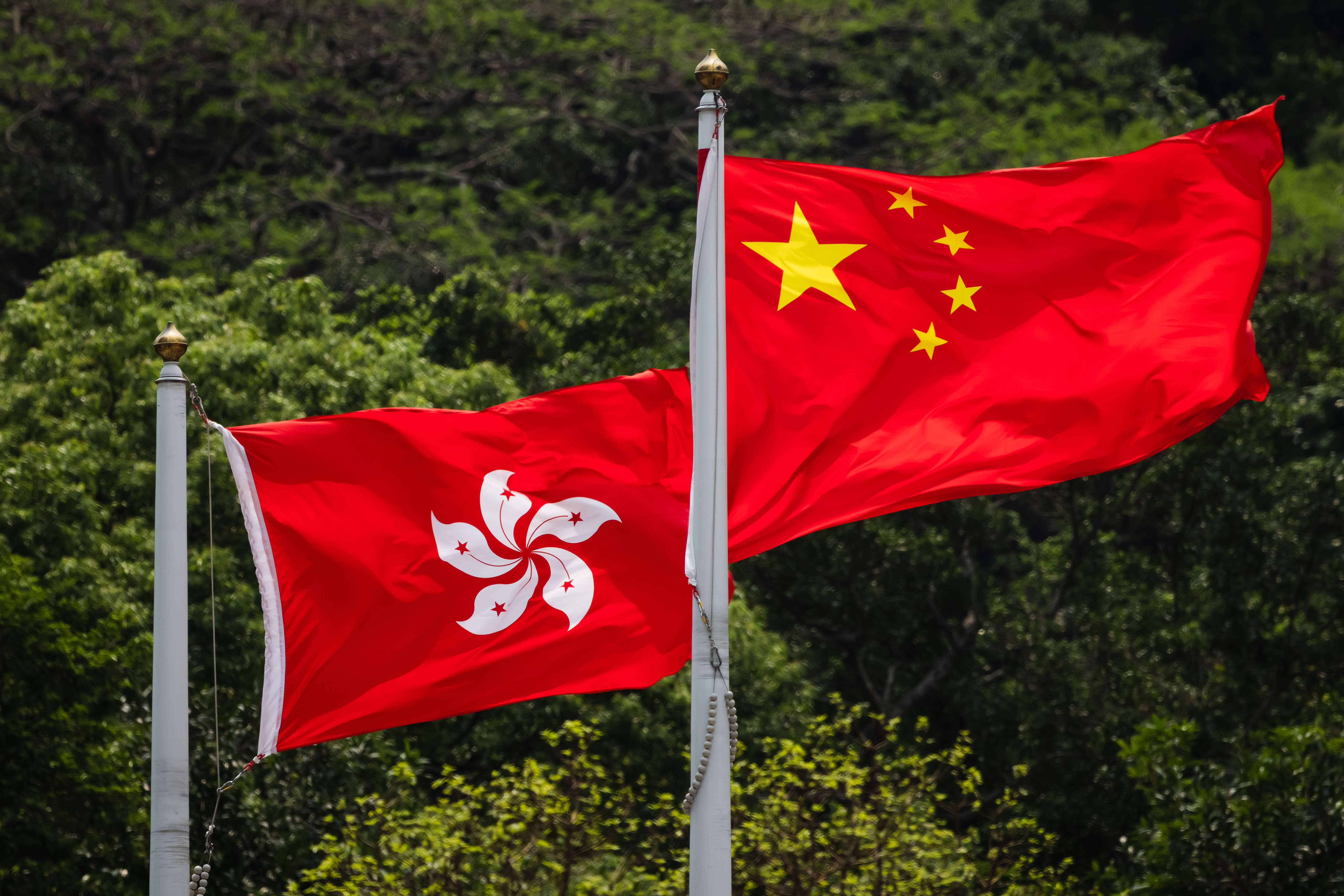
3. Impact on Global Supply Chains
If Chinese firms are restricted from utilizing TSMC, it will create a shockwave in the semiconductor supply chain. TSMC would lose significant revenue, while domestic Chinese foundries would face intense pressure to scale at an unprecedented rate. Furthermore, international firms that currently rely on Chinese AI tools for specialized workloads would need to look elsewhere, potentially creating a vacuum in the market that Western firms will scramble to fill.
4. The "Meta-Manus" Precedent
The decision to undo the Meta-Manus acquisition indicates that China is no longer interested in allowing Western tech giants to "pick off" promising domestic startups. Beijing is now treating its AI startups as national assets, akin to state-owned enterprises. This will likely dampen foreign venture capital interest in the Chinese tech sector, as the risk of "regulatory interference" in M&A activity becomes too high for global investors to stomach.
Conclusion: A High-Stakes Gamble
The potential expansion of China’s technology export restrictions represents a pivotal moment in the digital age. By attempting to wall off its AI and semiconductor industries, Beijing is playing a high-stakes game. While the strategy is intended to insulate the country from Western geopolitical pressure and ensure long-term self-sufficiency, it risks isolating China’s most innovative sectors from the global collaborative spirit that has fueled the AI boom.
Whether these measures are fully implemented remains to be seen. However, the mere fact that they are under discussion confirms that the era of open, globalized technology development is rapidly drawing to a close, replaced by a new, more fractured, and intensely competitive reality. For the global tech industry, the message is clear: the borders of the digital world are being redrawn, and the cost of crossing them is higher than ever before.