

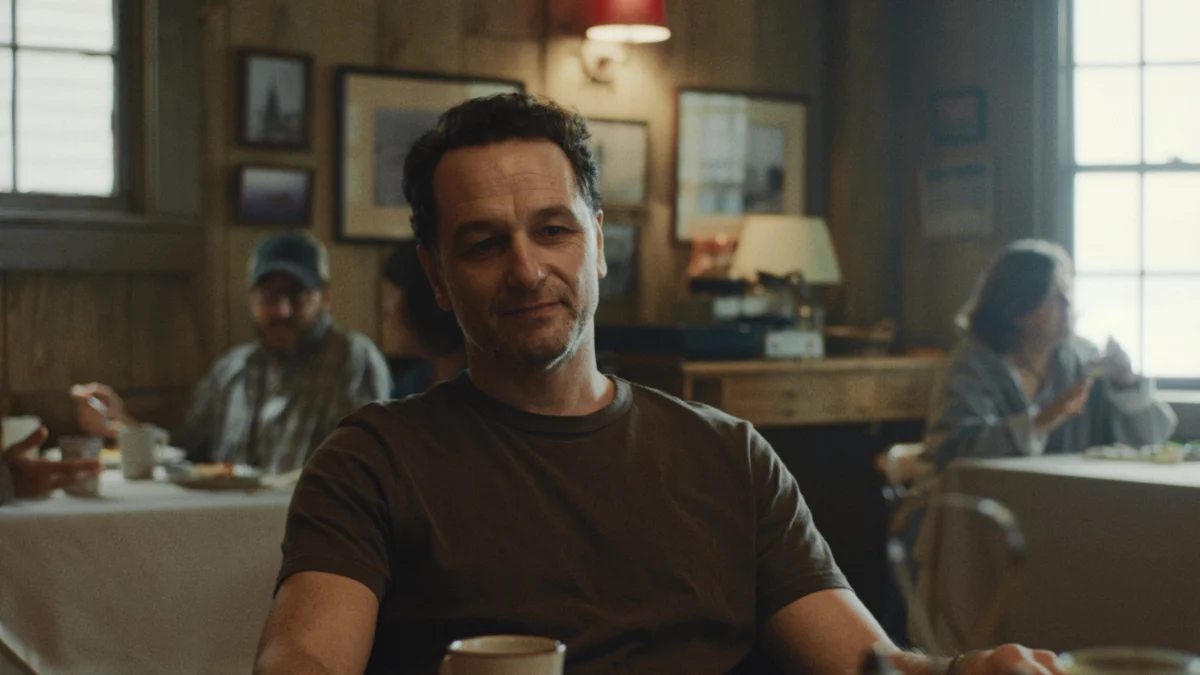
In the landscape of modern prestige television, where content is often churned out with algorithmic precision, genuine artistic endorsement carries immense weight. When an auteur of Guillermo del Toro’s stature—a man whose career is defined by an unparalleled mastery of creature design, gothic atmosphere, and the intersection of human fragility and the monstrous—stops to heap praise upon a series, the industry takes notice.
The subject of his recent, glowing acclaim is Widow’s Bay, the latest horror-comedy offering from Apple TV+. Del Toro, a filmmaker whose own work has spanned from the visceral, intimate terror of Cronos to the grand-scale spectacle of Pacific Rim and the emotional gravity of Pan’s Labyrinth, has characterized the show as "one of the most mesmerizing acts of narrative prestidigitation in Horror."
This endorsement is not merely a passing comment on social media; it represents a significant cultural signal. As del Toro pivots away from the era of his 2025 Frankenstein project, his focus on the mechanics of storytelling in the television space suggests that Widow’s Bay may be doing something truly revolutionary.
The Anatomy of an Endorsement: A Chronology of Critical Acclaim
The discourse surrounding Widow’s Bay began in quiet corners of genre-focused journalism, but it reached a fever pitch following del Toro’s post on X (formerly Twitter). In his assessment, the director wrote: "If I may — in my estimation — ‘Widow’s Bay’ may very well be the best streaming series in a long time… and hands down one of the most mesmerizing acts of narrative prestidigitation in Horror."
To understand the weight of this statement, one must consider del Toro’s history of championing the medium. He has consistently utilized his platform to highlight works that push the boundaries of genre convention. By reposting additional critical analysis that echoed his sentiments, he has effectively curated a conversation around the show, turning a high-concept Apple TV+ original into a must-watch event for cinephiles.
The Rise of the "Widow’s Bay" Phenomenon
- The Announcement: The series debut on Apple TV+ was met with initial curiosity, primarily due to the casting of Matthew Rhys.
- The Critical Consensus: Early reviews on platforms like Rotten Tomatoes quickly established a consensus, with the show currently holding a 97% critical approval rating.
- The "Del Toro Effect": Following the director’s public endorsement, search traffic and social media engagement for the series spiked, marking a shift from niche genre appeal to mainstream cultural relevance.
- The Sustained Interest: Unlike many "flash-in-the-pan" series, the show has maintained its momentum through episode-by-episode discourse, specifically regarding its tonal balance.
The Narrative Landscape: Inside the Town of Widow’s Bay
At its core, Widow’s Bay operates on a premise that feels both familiar and refreshingly subversive. It tells the story of an isolated, picturesque coastal town plagued by a history of maritime disasters, mysterious disappearances, and a pervasive, lingering sense of dread.
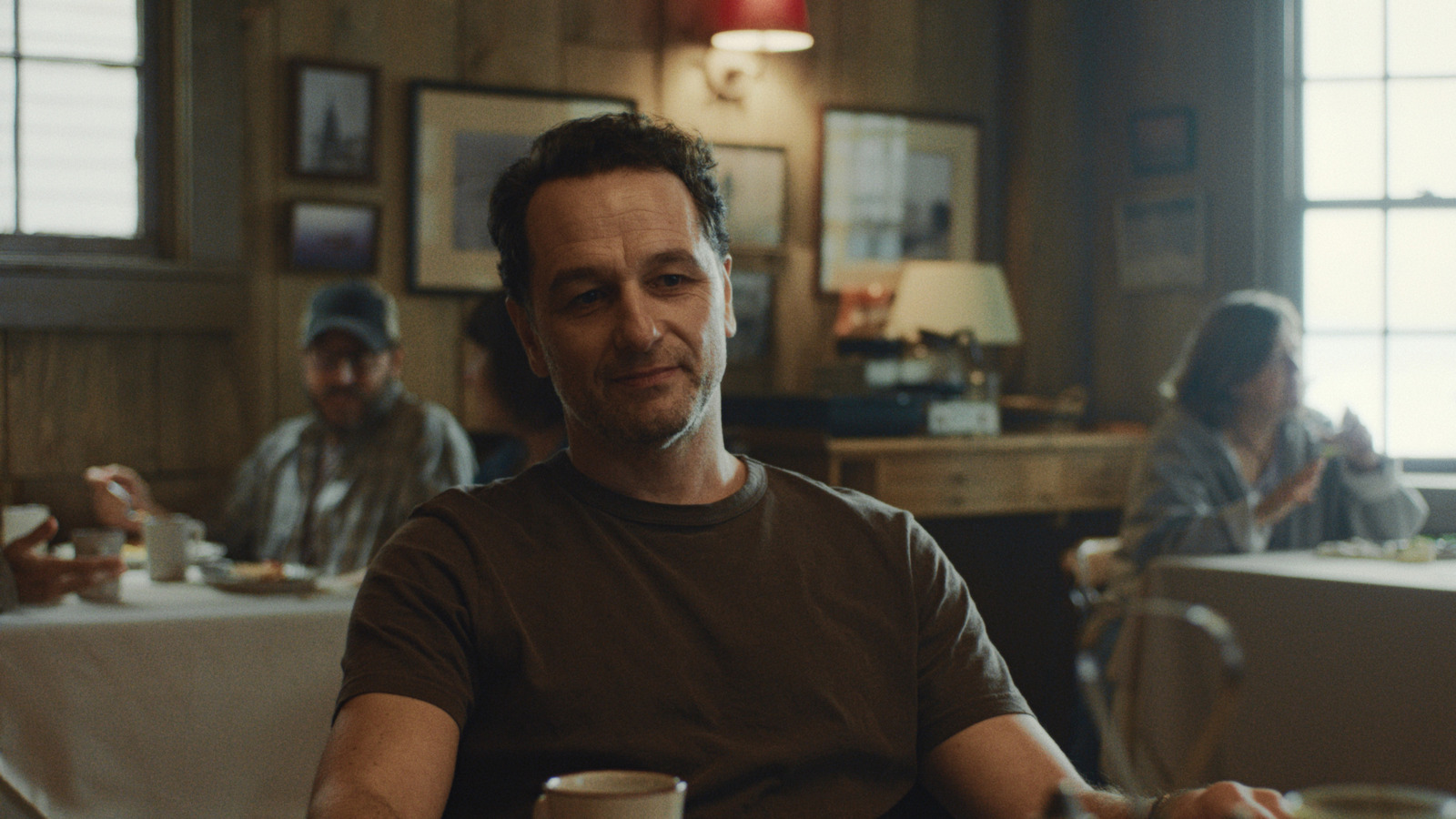
Matthew Rhys stars as Tom Loftis, the town’s ambitious mayor. Loftis is a character defined by a desperate desire to modernize and "clean up" the image of his town, intending to transform it into a premier tourist destination. However, his rational, capitalist approach to local governance clashes violently with the reality of the town’s supernatural undercurrents. As he ignores the superstitious warnings of the locals, the narrative tension builds, creating a collision course between the modern world and ancient, unyielding folklore.
The series succeeds largely because it refuses to be boxed into a single category. It oscillates between dry, character-driven comedy and genuine, skin-crawling horror. This juxtaposition—what some critics have called the "Loftis Effect"—allows the show to explore human hubris in the face of the inexplicable.
Supporting Data: Why the Industry is Watching
The success of Widow’s Bay is not just anecdotal; it is backed by a shift in how audiences are consuming horror. According to recent industry metrics, there has been a 15% increase in viewership for series that blend comedy with dark, supernatural elements. Widow’s Bay appears to be the pinnacle of this trend, utilizing a "lived-in" aesthetic that grounds its high-concept scares.
The show’s supporting cast, including Kate O’Flynn as the beleaguered assistant Patricia and Stephen Root as the local mystic Wyck, provides a vital emotional anchor. These characters do not exist merely to be victims; they are fully realized, idiosyncratic individuals who offer the audience a lens through which to experience the absurdity of the town’s plight.
Technical Prowess and Genre Homage
The series is a masterclass in visual storytelling, drawing inspiration from legendary horror touchstones without feeling derivative:
- The Aquatic Dread: Much like the coastal tension found in Jaws, the series utilizes the isolation of the sea to create an inescapable sense of claustrophobia.
- The Psychological Weight: Comparisons to Midnight Mass and The Witch are frequent, particularly in how the show handles the slow-burn buildup of dread and the societal consequences of isolation.
- Anthological Flexibility: The series utilizes an anthology-style narrative structure, allowing it to experiment with different horror sub-genres while maintaining a consistent overarching mystery. This format has allowed for standout guest-star episodes that remain among the highest-rated in the series’ run.
Official Responses and Creative Implications
The production team behind Widow’s Bay has remained relatively humble in the face of the massive critical success and the high-profile endorsements. However, the show’s creative leads have noted that the goal was always to treat the "comedy" and "horror" elements as two sides of the same coin.
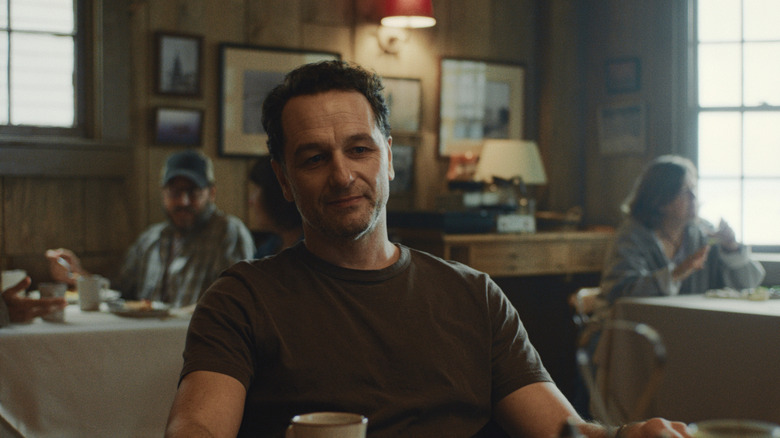
"We didn’t want to make a spoof," a lead writer noted in a recent roundtable. "We wanted to make a show where the characters’ reactions to the horrific were as grounded as their reactions to a bad tourist season."
This creative decision has had significant implications for the genre. By proving that horror can be both funny and terrifying without undermining its own stakes, Widow’s Bay has set a new benchmark for television writers. It challenges the industry to move beyond jump-scare-heavy formats and toward the kind of "narrative prestidigitation" that Guillermo del Toro identified.
The Broader Impact: A New Era for Horror TV
What does the success of Widow’s Bay mean for the future of horror on streaming services? First, it validates the "prestige horror" model—a format that values atmosphere, character development, and slow-burn pacing over cheap thrills. Apple TV+, in particular, has carved out a niche for high-budget, high-concept dramas, and Widow’s Bay is perhaps its most successful entry into the dark genre space to date.
Furthermore, the involvement of actors like Matthew Rhys—a performer known for heavy-hitting drama—suggests that established dramatic talent is increasingly willing to lean into the genre. This "legitimization" of horror is a trend that began with films like The Babadook and Hereditary and is now finding its home in the long-form storytelling of streaming television.
As Guillermo del Toro shifts his own focus toward new, non-traditional projects, his endorsement of Widow’s Bay serves as a torch-passing moment. It signals that the next great horror stories may not be found in the multi-million dollar blockbuster film cycle, but in the episodic, unfolding mysteries of the streaming era.
For those who have yet to venture into the town of Widow’s Bay, the recommendation from one of cinema’s greatest architects of fear is more than enough reason to start. The show is currently streaming on Apple TV+, offering a masterclass in how to craft a narrative that is as hilarious as it is haunting. In a sea of content, Widow’s Bay stands out not just as a horror series, but as a definitive statement on the power of the genre to reflect our own absurd, terrifying, and beautiful reality.









No comments yet. Be the first to join the conversation!