Neng Nana
In the bustling landscape of indie game development, where high-octane shooters and grim soulslikes often dominate the storefronts, a charming, eccentric title has emerged to remind players of the pure, unadulterated joy of the platforming genre. Spiny & Chilly is an upcoming platforming exploration game that pairs a penguin with a hedgehog, creating one of the most unlikely duos in recent gaming history. With a premise as cold as the ice blocks the protagonists seek and a heart as warm as the developers behind the project, the title is shaping up to be a standout addition to the collect-a-thon genre.
Main Facts: An Unlikely Duo on a Frozen Quest
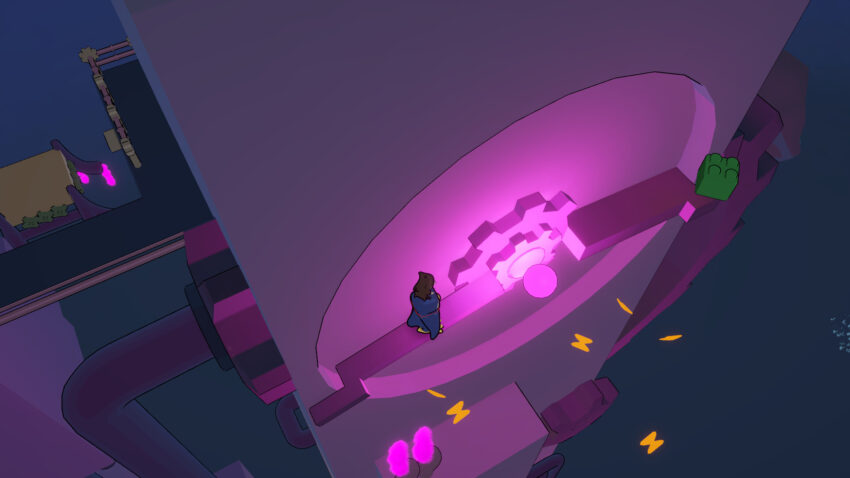
At its core, Spiny & Chilly is a single-player, third-person platforming adventure that leans heavily into the mechanics of cooperative-style movement within a solo experience. Players take control of Chilly, a penguin who—as the name implies—has an insatiable need for ice. Perched atop his head is Spiny, a hedgehog who accompanies him on this odyssey.
The narrative catalyst for this journey is as whimsical as the characters themselves: a group of mischievous penguins has stolen the world’s supply of ice, leaving the environment in a state of thermal crisis. It is up to the player to navigate vast, interconnected worlds to recover these stolen blocks.
Unlike traditional platformers where the player might control multiple characters via a swap mechanic, Spiny & Chilly treats the pair as a single entity. They move, jump, and interact with the world in unison. This mechanical decision creates a unique rhythm to the gameplay, demanding precision and spatial awareness as the player maneuvers a two-part character through increasingly complex environments. The game draws clear inspiration from the golden age of 3D platformers, specifically the genre-defining classics Banjo-Kazooie and Super Mario 64, but it injects these influences with a modern, wacky sensibility that feels entirely its own.
Chronology of Development: From Concept to Convention
The journey of Spiny & Chilly has been one of steady, passionate progression. First appearing on the radar of industry insiders and enthusiasts, the game quickly made a name for itself through its distinct visual identity and the promise of tight, physics-based platforming.
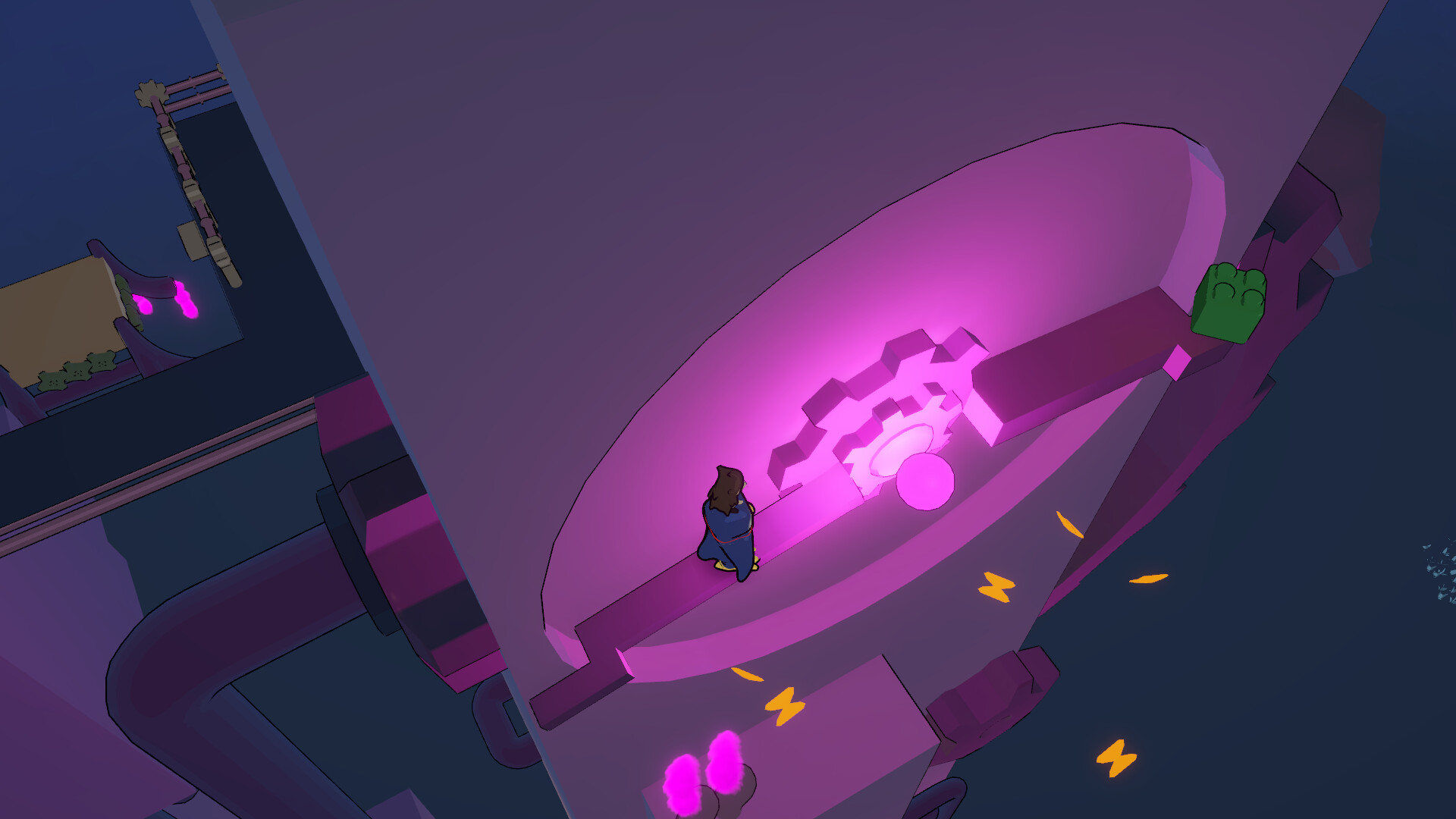
The development timeline hit a major milestone recently at the BIG Conference (Bilbao International Games Conference). It was here that the project transitioned from a developer’s vision to a playable reality for the public. The exhibition provided a crucial testing ground for the mechanics, allowing the team to observe how players interacted with the gravity-shifting puzzles and the traversal systems.
Following the positive reception at the conference, the developers have continued to refine the core movement loops. The learning curve, initially noted by early testers as steep due to the unique "stacked" character movement, has been a focal point of recent polish. The team is currently in the late stages of fine-tuning the world-building, ensuring that the transition between the vast, open spaces—which were noted in early demos—and the dense, puzzle-heavy interiors feels seamless. The game is currently available for wishlisting on Steam, signaling that the project is inching closer to a full release window, though the developers remain committed to taking the time necessary to fully realize their vision.
Supporting Data: Mechanics and Environmental Design
The gameplay experience in Spiny & Chilly is defined by a sophisticated interplay between player skill and environmental challenges. To understand why this game is gaining traction, one must look at the mechanical pillars upon which it is built:
1. Unified Movement
The decision to keep Spiny on Chilly’s head is the most critical design choice in the game. It forces players to account for a different vertical hitbox and center of gravity. As the player jumps, dashes, or shifts gravity, the momentum of the pair must be managed carefully. This "dual-character-as-one" approach adds a layer of depth to what would otherwise be standard platforming segments.
2. World Diversity
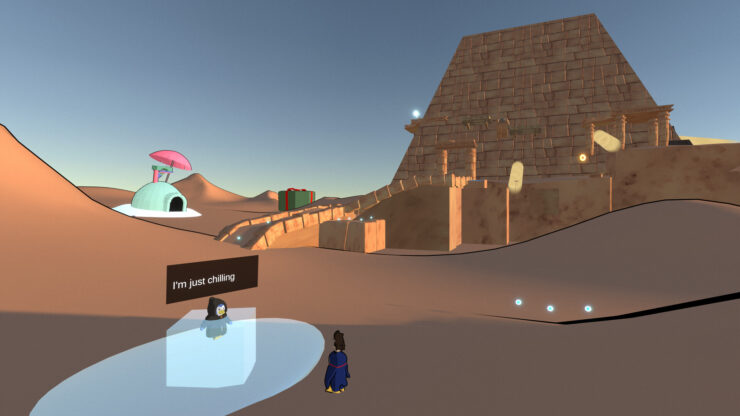
The demo showcased a variety of biomes, ranging from the eerie, atmospheric "Haunted Harbors" to the gravity-defying "Floating Islands." Each area is designed not just as a backdrop, but as a playground for movement. The spatial design encourages exploration; players are rewarded for straying off the main path to find hidden collectibles or shortcuts.
3. The Collect-a-Thon Loop
Inspired by the 90s era of gaming, the loop is addictive: spot a hard-to-reach ice block, identify the platforming sequence required to reach it, and execute. The satisfaction of overcoming a difficult climb or a precise jump sequence is a core metric of the game’s success. While some early feedback suggested that the "open space" in certain levels could feel sparse, the developers have utilized these areas to introduce platforming puzzles that require the player to think creatively about their verticality.
Official Responses and Developer Passion
During the BIG Conference, the passion of the development team was palpable. When discussing the inspiration behind the duo, the creators emphasized that they wanted to move away from the hyper-realistic trend of modern gaming to return to the charm of character-driven experiences.
"We wanted to create something that felt inherently fun to control," one lead developer noted during the event. "The penguin and the hedgehog aren’t just skins; they are the heart of the game. Every movement, every jump, every failure is meant to be a part of their story."
The developers have been highly receptive to feedback regarding the learning curve. They acknowledge that while the movement is "fantastic" once mastered, the initial barrier to entry is something they are actively addressing through better onboarding in the early levels. This iterative approach—listening to player feedback during conferences and refining the code accordingly—is a hallmark of healthy indie development. It suggests that the final product will be a polished, player-centric experience rather than a static vision forced upon an audience.
Implications for the Indie Genre
The success and anticipation surrounding Spiny & Chilly highlight a broader trend in the gaming industry: the "Platformer Renaissance." After years of the market being saturated with roguelikes and survival crafting games, there is a visible hunger for high-quality, 3D platformers that emphasize movement and joy.
The Return of the "Cozy" Platformer
Spiny & Chilly fits into a niche that developers are calling "cozy-hard." It offers a relaxed, colorful aesthetic that is inviting to newcomers, but it demands mechanical precision that appeals to genre veterans. This balance is difficult to strike, but if Spiny & Chilly succeeds, it could serve as a blueprint for future indie studios looking to bridge the gap between casual and hardcore demographics.
Impact on Developer Visibility
The project also demonstrates the importance of events like the BIG Conference. For a small team, having a physical space to showcase their work allows them to build a community before launch. By engaging directly with players and members of the press, the developers of Spiny & Chilly have managed to secure a spot on the "must-watch" lists of many indie enthusiasts. This visibility is vital in an era where thousands of games are released annually, making discovery the biggest challenge for independent creators.
Conclusion: A Future Worth Watching
As Spiny & Chilly continues to evolve in development, it stands as a testament to the creativity of the indie scene. It is a game that is not afraid to wear its influences on its sleeve while simultaneously trying something new with character physics and movement.
Whether you are a fan of the classic collect-a-thon era or someone looking for a fresh, delightful experience, this penguin-and-hedgehog adventure is one to keep on your radar. While the wait for the full game continues, the current demo and the developers’ transparency offer a glimpse into a project built with care, patience, and a genuine love for the craft of platforming.
For those interested in following the development journey, the best course of action is to add the title to your Steam wishlist. Not only does this help the developers with visibility, but it also ensures you will be among the first to know when the ice-chasing duo is ready to embark on their full, world-spanning journey. In a gaming world that can sometimes feel too serious, Spiny & Chilly is a refreshing reminder that sometimes, all we need is a hedgehog on our head and a goal in our sights.


 Asro
Asro
 Nana Wu