

By Peter Adams | Published June 30, 2026
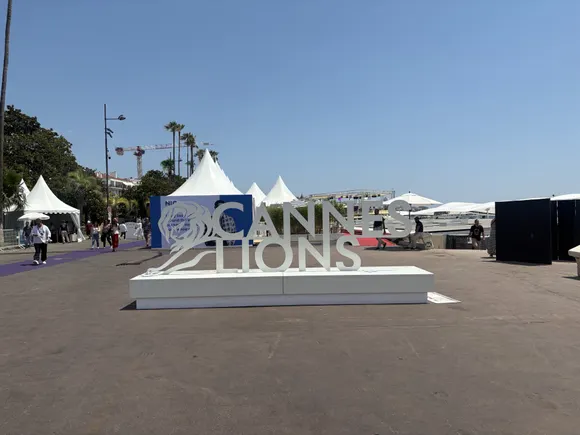
The Cannes Lions International Festival of Creativity has long served as the industry’s compass, pointing toward the future of marketing, media, and technology. Yet, as the 2026 iteration of the festival concluded on the sun-drenched shores of the French Riviera, it became clear that the event has evolved into something far more complex than a mere awards show. For the global marketing community, Cannes is now an overwhelming, high-stakes ecosystem where FOMO—the fear of missing out—is not just an emotion, but a tactical challenge.
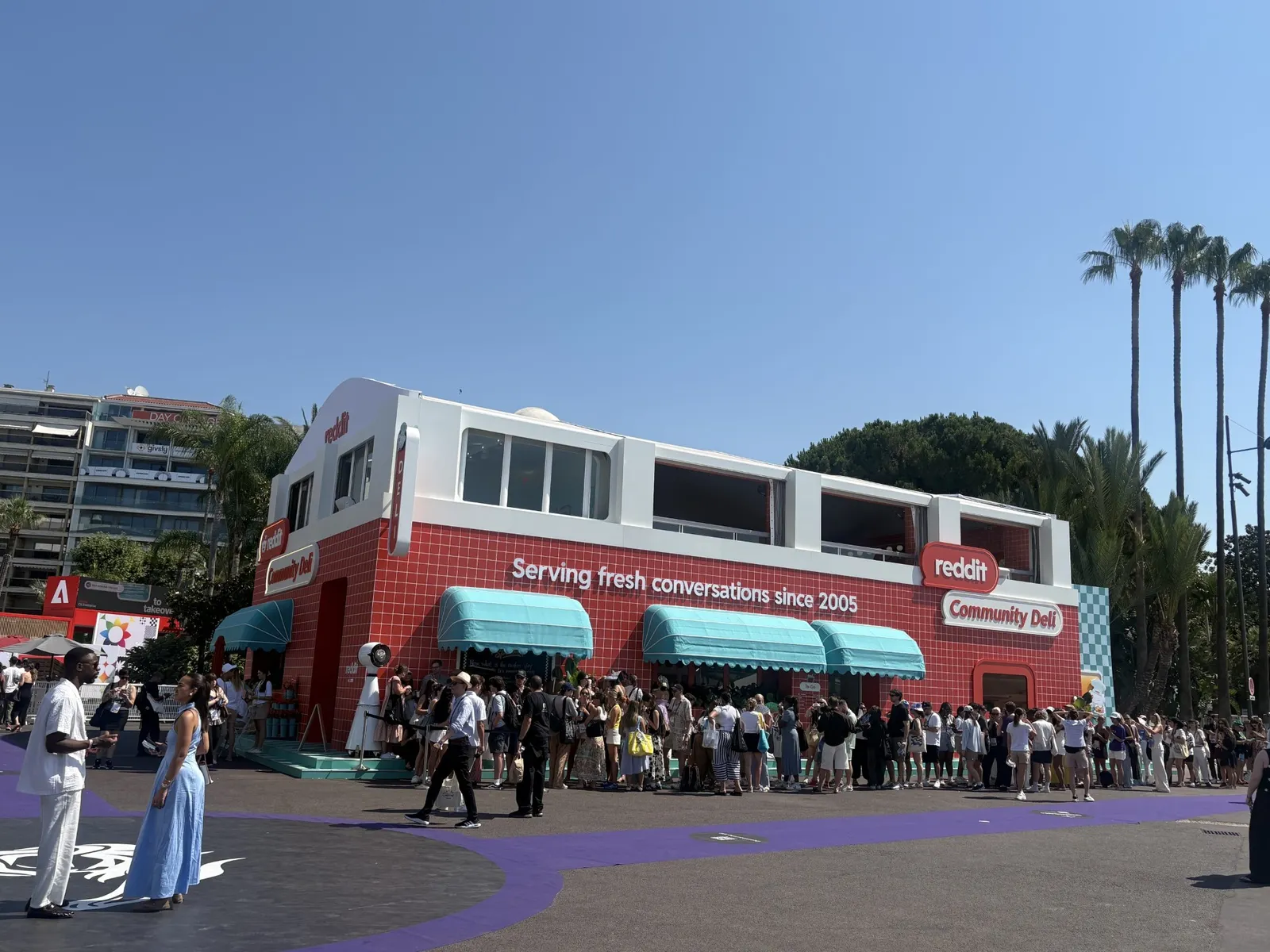
This year’s festival, held amidst a record-breaking heat wave that scorched the Côte d’Azur, felt more frenetic than ever. Beyond the official Palais des Festivals, the Croisette was a sprawl of elaborate, branded beachside activations, secret yacht meetings, and a constant hum of deal-making that will dictate the industry’s trajectory for the next eighteen months.
Main Facts: The New Landscape of Influence
The 2026 festival was defined by a shift from pure "creativity" toward "functional integration." The central narrative was the maturation of artificial intelligence from a experimental novelty into a core business pillar for agencies and platforms alike.
Perhaps the most significant takeaway from the week was the formalization of the "advertising-as-a-service" model. OpenAI, once considered the antithesis of the traditional advertising stack, signaled a pivot toward ad-supported integrations. This transition, coupled with high-profile industry consolidation—most notably Publicis Groupe’s acquisition of LiveRamp—confirmed that the industry is aggressively prioritizing data-driven precision over broad-reach vanity metrics.
A Chronological Pulse of the Festival
The week began with a palpable tension. As temperatures climbed, the discourse shifted from the conceptual to the commercial.
- Monday: The AI Offensive. The early hours of the festival were dominated by OpenAI’s keynote sessions. While details remain fluid, the company began outlining its framework for how LLMs (Large Language Models) will eventually facilitate hyper-personalized brand interactions, moving beyond static search results.
- Tuesday: The Data Consolidation. Publicis Groupe sent shockwaves through the Palais when it announced its intent to acquire LiveRamp. The move was widely interpreted as an attempt to cement dominance in the first-party data space, effectively building an "owned" infrastructure to compete with the walled gardens of Google and Meta.
- Wednesday: The Creator Economy Matures. Expedia took center stage with a refined strategy that moved away from high-budget celebrity endorsements toward a decentralized creator-driven model. Their presentation highlighted that, for modern travelers, peer-to-peer validation on social platforms now outweighs traditional luxury advertising.
- Thursday: The Networking Nexus. As the festival reached its peak, the conversation moved off-stage. Off-site dinners and yacht parties, while notorious for their decadence, functioned as the real "boardrooms" of Cannes, where partnerships were signed away from the glare of the official media lens.
- Friday: The Cool Down. The final day focused on the sustainability of the industry—both environmentally and creatively. As the heat wave persisted, leaders grappled with the cognitive load of constant innovation and the need for a "slow marketing" movement.
Supporting Data: Why the Stakes are Rising
The shift in industry focus is supported by a confluence of economic and behavioral data. Cannes 2026 highlighted three critical trends:
- The Rise of Retail Media: Investment in retail media networks (RMNs) has grown by 18% year-over-year. Advertisers are no longer willing to gamble on "brand awareness" alone; they demand the closed-loop measurement that RMNs provide.
- The Death of the Third-Party Cookie (Final Phase): With browsers now almost entirely blocking legacy tracking, the valuation of identity-resolution firms—like the recently acquired LiveRamp—has soared. Companies that own the "identity graph" are effectively the new gatekeepers of the internet.
- Creator Efficiency: Data presented at the festival indicated that creator-led campaigns are seeing a 40% higher conversion rate compared to traditional digital display ads. This has prompted a massive reallocation of budget from standard programmatic banners toward long-form, influencer-hosted content.
Official Responses and Industry Sentiment
The reaction to these shifts was mixed. While tech giants like OpenAI and Salesforce were greeted with enthusiasm, the legacy agency world remained cautious.

"We are moving from a world where creativity was a bolt-on to a world where data is the substrate of creativity," said one agency holding company CEO during a private roundtable. "The challenge is ensuring that we don’t lose the soul of the brand in the pursuit of the perfect audience match."
Conversely, tech executives argued that the industry’s resistance to automation is a relic of the past. "The fear of AI is actually a fear of efficiency," a spokesperson for a leading generative AI platform noted. "We aren’t replacing the creative director; we are replacing the friction that keeps them from executing their best ideas."
Implications for the Future: What Happens Next?
The ripple effects of the 2026 Cannes Lions will be felt in boardrooms long before the next festival begins.
The End of the "Wild West" of AI
Expect to see a rapid "balkanization" of AI in marketing. As OpenAI moves into advertising, other players—including Anthropic and Google—will likely launch their own "Brand Safe" walled gardens. This will turn the current landscape of AI, which is currently open and chaotic, into a series of proprietary, subscription-based ecosystems.

Consolidation as a Survival Strategy
The Publicis/LiveRamp deal is likely just the beginning. Mid-sized ad-tech companies are now prime targets for global agencies looking to integrate data capabilities vertically. Expect a wave of M&A activity in the fourth quarter of 2026 as agencies scramble to build internal "data clean rooms" that can survive the death of the cookie.
The Human Premium
Amidst the talk of algorithms and machine learning, there was a contradictory trend: a renewed appreciation for human-centric storytelling. As AI-generated content floods the web, "authentic" human experiences—events, experiential marketing, and high-touch creator partnerships—are becoming a premium commodity. Brands that can prove their content was "human-made" or "community-vetted" are seeing higher engagement rates than those relying solely on synthetic production.
Conclusion: Looking Beyond the Croisette
Cannes Lions 2026 served as a reminder that marketing is no longer just about the message—it is about the architecture of delivery. The deals struck in the shade of the Palais or on the deck of a yacht are the blueprints for how consumers will experience brands in the coming years.
For those who were not in attendance, the message is clear: the industry has entered a phase of radical integration. The silos between media, data, and creative are collapsing. Those who can navigate this new, technologically dense reality—without sacrificing the emotional resonance that makes a brand endure—will define the next era of advertising. As the dust settles and the industry returns from France, the real work begins: turning the promises of the 2026 festival into the performance metrics of 2027.










