Asro
Asro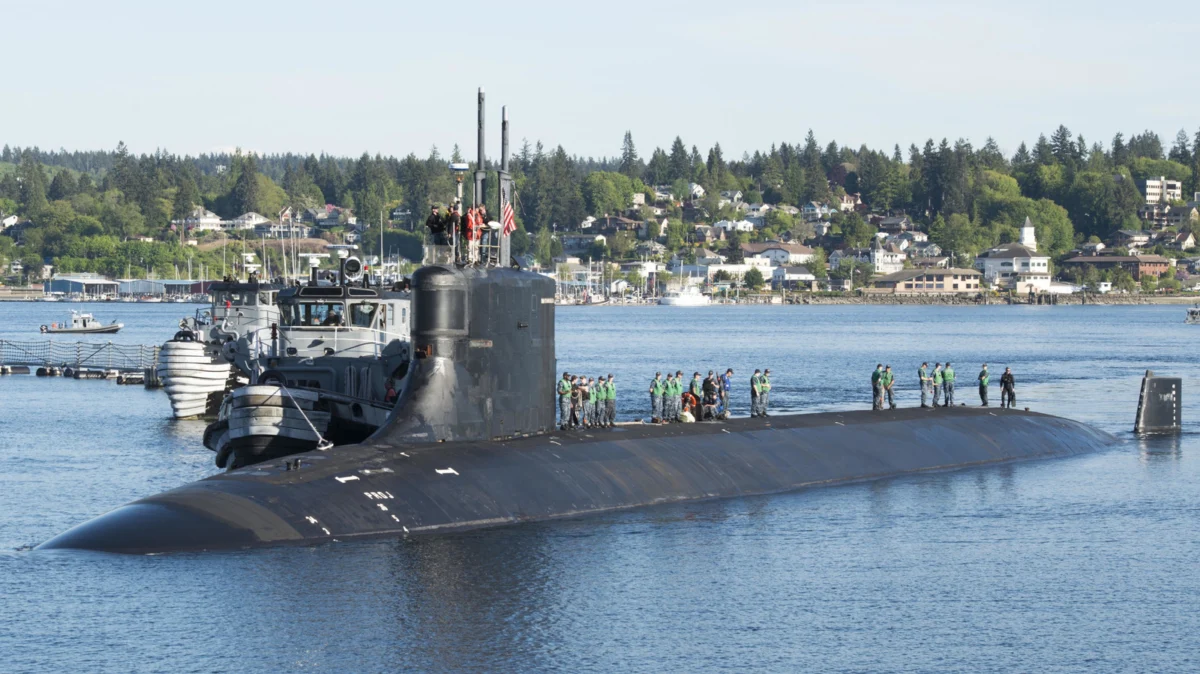
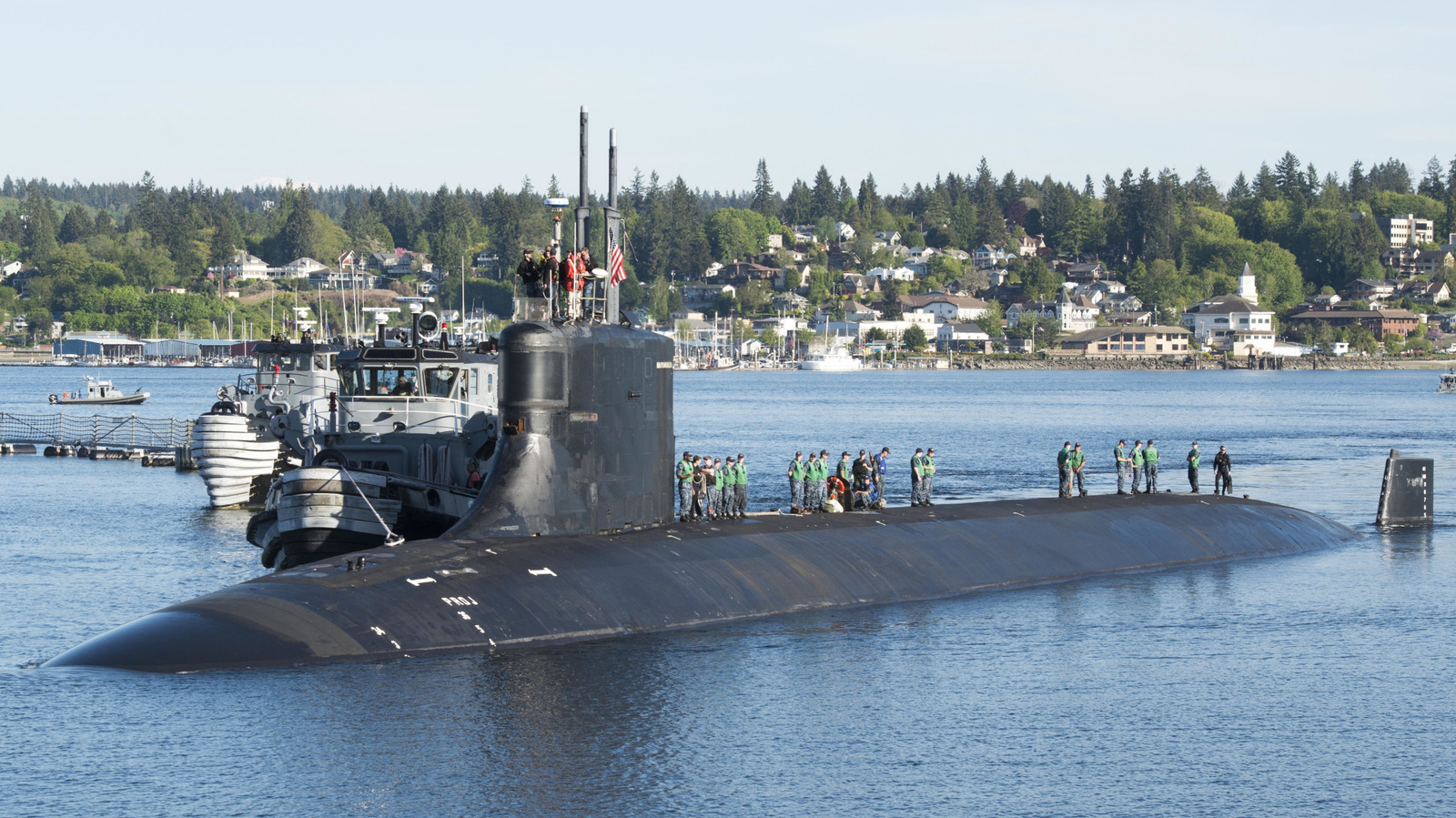
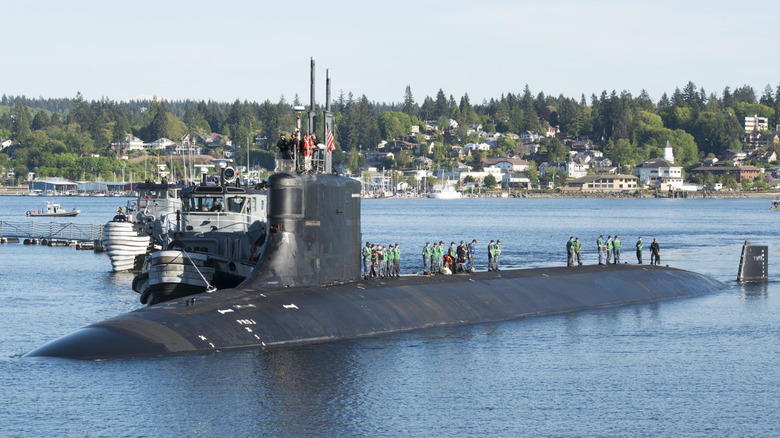
After nearly three years of extensive repairs and significant scrutiny, the U.S. Navy is preparing to return the USS Connecticut (SSN-22) to active service. The Seawolf-class fast-attack submarine, a vessel once considered the crown jewel of the American undersea fleet, has spent the better part of the last three years sidelined at the Puget Sound Naval Shipyard. Its return marks the conclusion of a harrowing saga that began in October 2021, when a high-stakes mission in the South China Sea turned into a near-catastrophe.
The journey back to the fleet has been arduous, involving over $80 million in specialized repairs and a complete overhaul of the vessel’s operational culture. As the Connecticut prepares for its return, the Navy is not only looking to restore a critical asset to its maritime strategy but is also hoping to close a chapter on one of the most embarrassing and dangerous incidents in modern naval history.
The Collision: A Anatomy of a Disaster
In October 2021, the USS Connecticut was operating in the Indo-Pacific region on a classified mission. While submerged, the submarine struck an uncharted underwater mountain—a "seamount"—at significant speed. The impact was jarring, causing immediate structural damage and triggering a chaotic emergency response.
The collision was not merely a navigational error; it was a sequence of events that pushed the submarine to the absolute brink of total loss. The force of the impact caused the vessel to pitch violently, resulting in injuries to eleven crew members. The damage to the forward sonar dome and other sensitive internal systems was extensive. As the crew fought to stabilize the ship, they faced a secondary crisis: equipment overheating due to the trauma of the impact, which resulted in localized fires and smoke filling the interior.
Only through the disciplined actions of the crew and the inherent structural integrity of the Seawolf-class design was the submarine able to surface. Had the collision occurred at a different angle or at a greater depth, experts suggest that the submarine could have suffered a catastrophic hull breach, potentially resulting in the loss of the vessel and all hands on board.
Chronology of a Troubled Vessel
To understand the significance of the Connecticut’s return, one must look at the vessel’s broader history. Launched in 1997 as the second of the three Seawolf-class submarines, the Connecticut was designed during the twilight of the Cold War to be the fastest, quietest, and most heavily armed sub in the world. However, its operational life has been marked by a strange mixture of technological excellence and bizarre misfortune.
A History of Incidents
- The Early Years: Throughout the early 2000s, the Connecticut served as a premier intelligence-gathering platform, often operating in the Arctic. It famously became a symbol of American dominance in cold-water operations, even while its reputation for "bad luck" began to percolate through the fleet.
- The Polar Bear Incident: During an Arctic exercise, the submarine became the subject of headlines when an inquisitive polar bear approached the vessel as it surfaced, leading to a surreal standoff that highlighted the unpredictable nature of Arctic deployment.
- The Pier Accident: In San Diego, a docking error resulted in a collision with a pier, causing damage to the sub’s exterior. While minor compared to the 2021 crash, it served as an early indicator of potential complacency in ship handling.
- The Infestation: In a bizarre footnote to its service history, the vessel was hit by a bedbug infestation—a logistical nightmare that further complicated the lives of its crew and added to the submarine’s reputation as a "cursed" ship.
- The 2021 Seamount Collision: The culmination of these issues occurred in the South China Sea, leading to the current three-year hiatus.
Official Responses and the Search for Accountability
Following the 2021 incident, the U.S. Navy launched a comprehensive investigation led by Rear Admiral C.J. Cavanaugh. The findings were scathing. The report concluded that the collision was entirely preventable and was the result of a collective failure in navigation, risk management, and watchstanding.
The investigation highlighted a dangerous culture of complacency. Despite the advanced technology on board the Seawolf-class submarine, the crew failed to identify the presence of the seamount on their navigational charts, despite it being a known feature in the region. The failure was not a singular moment of oversight but a systemic degradation of standards.
Accountability Measures:
- Command Relief: The commanding officer, the executive officer, and the chief of the boat were all relieved of their duties shortly after the incident. The Navy signaled that there would be zero tolerance for such lapses in judgment.
- Psychological Support: Recognizing the trauma of the event, the Navy mandated that dozens of crew members undergo mental health counseling. The psychological impact of being trapped in a crippled submarine deep underwater is profound, and the Navy took steps to ensure the crew’s readiness before allowing the ship to return to the rotation.
- Procedural Overhaul: The repair process was paired with a complete review of submarine navigational protocols. Training modules were updated to emphasize the importance of situational awareness, even when relying on sophisticated, automated sensor suites.
Supporting Data: The Cost of Repair
The price tag for the Connecticut’s return stands at approximately $80 million. While this is a significant sum, it is a fraction of the cost of replacing a Seawolf-class vessel, which would be well over $3 billion in today’s currency, even if the specialized construction facilities were still available.
The Puget Sound Naval Shipyard faced a complex task. Because the Seawolf class is unique—differing significantly from the more common Virginia-class submarines—spare parts were not readily available. Much of the repair work required custom fabrication of high-grade steel and sensitive acoustic equipment. The delay was compounded by the Navy’s overall maintenance backlog, which has seen several major vessels wait in queue for dry-dock space.
Implications for the Future: The Countdown to 2031
The return of the Connecticut comes at a critical time for the U.S. Navy. With tensions rising in the Indo-Pacific and the demand for undersea dominance reaching a post-Cold War high, the return of a Seawolf-class platform provides a significant boost to the Navy’s intelligence and attack capabilities.
However, the clock is ticking. Under the current Navy shipbuilding and retirement plan, the Connecticut is slated for decommissioning in 2031. This leaves a roughly five-year window of active service. This short timeframe raises questions regarding the return on investment for the $80 million repair bill. Is it worth putting a 30-year-old boat back into the fray for only five years of service?
The Navy’s leadership argues that it is. In an era where new submarine production is struggling to keep pace with demand, every hull in the water counts. The Seawolf class possesses capabilities—specifically regarding speed and acoustic stealth—that remain unmatched by newer Virginia-class variants. By bringing the Connecticut back, the Navy is prioritizing immediate combat capability over long-term sustainability.
The Legacy of the Connecticut
As the USS Connecticut prepares to rejoin the fleet this fall, it does so with a new crew, a new commanding officer, and a heavy burden of expectation. The "troubled" label is one the Navy is eager to shed. For the sailors assigned to the boat, the mission is clear: to prove that the ship’s legacy will not be defined by its mid-life collision, but by the professional standard to which they hold themselves in the coming years.
The Navy’s ability to successfully return this vessel to operational status will be seen as a litmus test for the service’s maintenance and training programs. If the Connecticut can navigate the next five years without incident, it will serve as a redemption story for both the ship and the branch. If it falters again, it may well serve as a cautionary tale about the limits of trying to extend the life of aging, complex hardware in an increasingly demanding maritime environment.
For now, the Connecticut remains a symbol of the U.S. Navy’s persistence—a ship that has survived the depths of the ocean and the scrutiny of the Pentagon, now sailing toward a final tour of duty in the Pacific.

 Rifan Muazin
 Nila Kartika Wati