Nana Muazin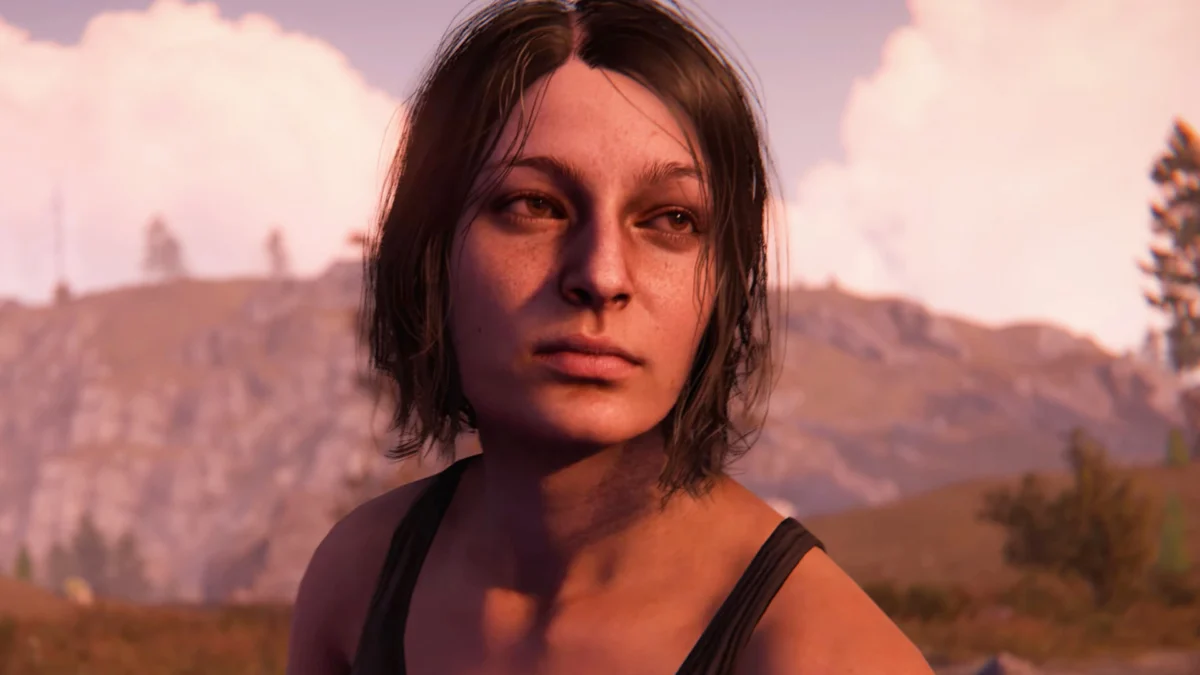
For nearly a decade, the inhabitants of Rust have been defined by a specific, rugged aesthetic: slightly uncanny, perpetually frantic, and inherently "janky." Since its inception, the Facepunch Studios survival juggernaut has relied on a procedurally generated player model system that often felt like a relic of a bygone era in game development. However, with the release of the "Built Different" update, Facepunch has officially retired that decade-old foundation, ushering in a new era of visual fidelity and animation fluidity that fundamentally changes how players interact with the harsh, unforgiving world of the island.
A Decadal Shift: The Main Facts of the ‘Built Different’ Update
The "Built Different" update represents the most significant technical and visual upgrade to player avatars since Rust exited its early access phase. By replacing the aging, static models with a modern, high-fidelity rig, Facepunch has addressed a long-standing "technical debt" that had hampered the game’s growth for years.
The overhaul touches every facet of the player’s visual identity:
- High-Fidelity Models: Character models now feature significantly higher polygon counts, advanced skin shaders, and complex facial structures.
- Animation Overhaul: A completely new animation sub-system has been implemented, moving away from the stiff, jittery movements of the past toward more human, kinetic interactions.
- Customization Assets: The update introduces a wider variety of head shapes, eye details (including, notably, realistic eyelashes), and a suite of new, customizable hairstyles.
- Armor and Gear: Alongside the visual revamp, the update introduces the high-tier Ballistic Armor set and the Battle Dress Uniform (BDU), alongside the introduction of the legendary M16A2 assault rifle.
Chronology: From Experimental Roots to Modern Realism
To understand the magnitude of this update, one must look at the trajectory of Rust. Born from the ashes of the DayZ modding craze, Rust began as an experiment in emergent gameplay. For ten years, the character generation system—which randomly assigned players a permanent race, gender, and facial structure—was a point of contention and curiosity.
In the early years, the models were rudimentary, often suffering from clipping issues and "uncanny valley" expressions. As the game evolved into a premier survival sandbox, the environment, lighting, and textures received constant updates, yet the characters remained stuck in 2014. By 2022, the disparity between the game’s lush, irradiated environments and its primitive inhabitants became impossible to ignore.
Facepunch’s development roadmap toward "Built Different" began in early 2023, as the studio quietly experimented with new rigging techniques. Throughout late 2023, community testers noted subtle shifts in how characters gripped weapons and moved across uneven terrain. The final release of the "Built Different" update acts as the culmination of this two-year architectural pivot, marking the moment where the player model finally matches the graphical prowess of the rest of the game world.
Supporting Data: Why the Rework Was Necessary
According to Facepunch’s internal update documentation, the old player model system was not just an aesthetic hurdle—it was a functional bottleneck. The limitations of the old rigging meant that adding new clothing items, accessories, or complex combat animations required a disproportionate amount of developer time.
- The Technical Bottleneck: The previous model utilized an outdated bone structure that conflicted with modern weapon animations. By ripping out the old system and rebuilding it from the ground up, Facepunch has created a "modular" character skeleton. This will allow for faster implementation of future cosmetics and armor sets.
- Performance Metrics: While high-fidelity models are often synonymous with performance drops, the studio reports that the new shaders are optimized for current-generation GPU pipelines. Early community benchmarking suggests that the impact on frames-per-second (FPS) is negligible, provided the player has a hardware setup consistent with modern gaming standards.
- Community Reception: The response has been polarized in the best way possible. While the graphical fidelity is universally praised, the "randomization" aspect remains a point of intense community focus. On platforms like Reddit, players have been sharing screenshots of their new "rolls," comparing the realism of the new faces to real-world figures, including notable political leaders. This highlights the inherent success of the new, more distinct facial structures—they are no longer generic blobs, but unique individuals.
Official Responses: The Philosophy of ‘Built Different’
In the official Rust update blog, the development team at Facepunch was remarkably candid about the necessity of the project. "The old player model has served us well for almost 10 years, but it’s lagged behind the rest of the game for some time," the developers noted.

The studio emphasized that "piecemeal" updates—minor patches meant to polish the old models—were ultimately failing. The decision to "rip it out and rebuild it properly" was framed as a long-term investment in the game’s longevity. By prioritizing the "human" element of the survival experience, Facepunch is signaling that Rust is moving away from its roots as a "janky" survival experiment and toward a more polished, professional-grade sandbox.
Furthermore, regarding the current randomization of character models, Facepunch has acknowledged the player base’s desire for more agency. While players currently have to live with the "seed" they are assigned upon joining a server, the studio has confirmed that they are actively researching a robust player customization system. This would allow players to tweak their appearance—perhaps within the constraints of the game’s lore—marking a major departure from the "you are who you are assigned to be" philosophy that has defined the game for a decade.
Implications: The Future of the Rust Economy and Gameplay
The introduction of the Ballistic Armor and the M16A2 is more than just a content injection; it is a shift in the game’s tactical landscape. By making these items non-craftable and obtainable only through high-risk activities like opening locked crates, Facepunch is incentivizing high-level conflict.
1. The Tactical Landscape
The M16A2 is widely considered an "all-timer" in the survival shooter genre. By locking its acquisition behind elite challenges, Facepunch is effectively creating "high-value targets" within the game map. Players who successfully secure these items become walking targets, shifting the mid-to-late game dynamic from base-building to high-stakes territorial warfare.
2. The Aesthetic Economy
With the introduction of more detailed hairstyles, shaders, and character models, the potential for a thriving cosmetic economy has expanded. Players who take pride in their avatars are likely to engage more deeply with the game’s marketplace, viewing their character as an extension of their personal brand within the game’s social ecosystem.
3. A More Human Survival Experience
The most profound implication is the psychological effect of the new animations. When a player moves with realistic weight and reacts with more natural facial expressions, the "social" aspect of Rust changes. Interactions—whether friendly trades or brutal betrayals—now feel more impactful. The "kinetic jank" that long-time players cherished is being replaced by a sense of presence that makes the stakes of survival feel significantly more personal.
Conclusion: A New Standard for Survival
The "Built Different" update is a testament to Facepunch Studios’ willingness to challenge their own legacy. By choosing to overhaul the very foundation of the player experience, they have ensured that Rust remains relevant in an increasingly crowded survival genre.
While some veterans may miss the charming, stuttering movements of their original avatars, the leap in quality is undeniable. As the community continues to test the limits of the new rigging and hunts for the elusive M16A2, it is clear that Rust is no longer just a game about scavenging for scrap—it is a game about establishing an identity in a world that, for the first time in ten years, finally looks like it belongs in the modern era. Whether you end up with a character model that looks like a war hero or a "cursed" visage, the survival experience has never been more immersive, or more demanding.


 Nana Wu