

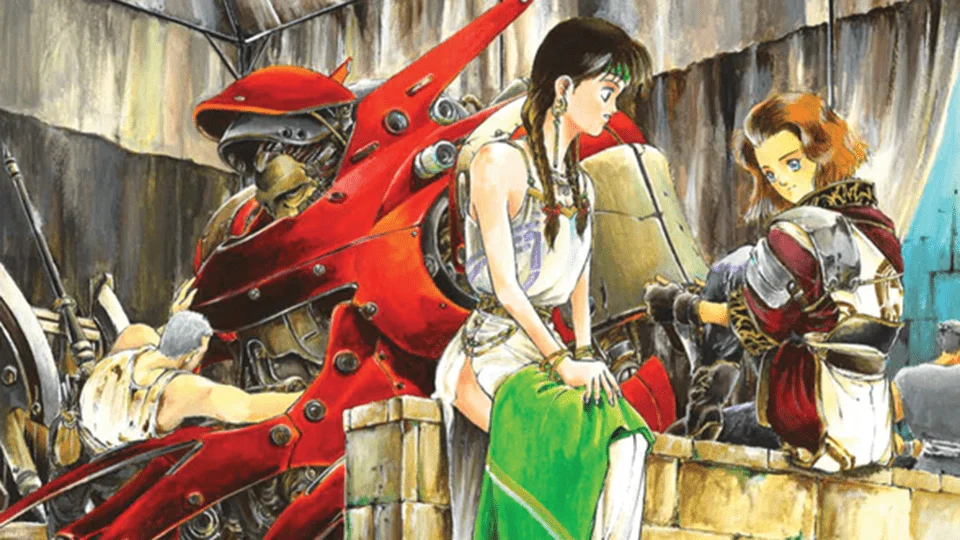
For decades, the Japanese tabletop role-playing game (TRPG) scene has remained a treasure trove of imaginative mechanics and unique thematic blends, often hidden behind the barrier of language. However, in recent years, a bridge has been built across that divide by dedicated publishers. The latest venture to make waves in the international community is the Kickstarter launch of Wares Blade, a seminal title in the history of Japanese gaming that promises to inject a high-octane dose of "magical mecha" into the global tabletop hobby.
With a successful crowdfunding campaign already well into its stride, Wares Blade represents more than just a translation; it is a historical preservation effort. By bringing this 1989 classic to an English-speaking audience, LionWing Publishing is cementing its reputation as the premier gatekeeper for Japanese tabletop culture.
The Foundation: What is Wares Blade?
At its core, Wares Blade is a pioneer. When it first debuted in 1989, it did something few other systems dared to attempt: it codified the "mecha-fantasy" subgenre in a tabletop format. Unlike the gritty, industrial mecha settings often associated with Western wargaming, Wares Blade occupies a space similar to The Vision of Escaflowne. It is a world where steel armor and arcane arts are inextricably linked.
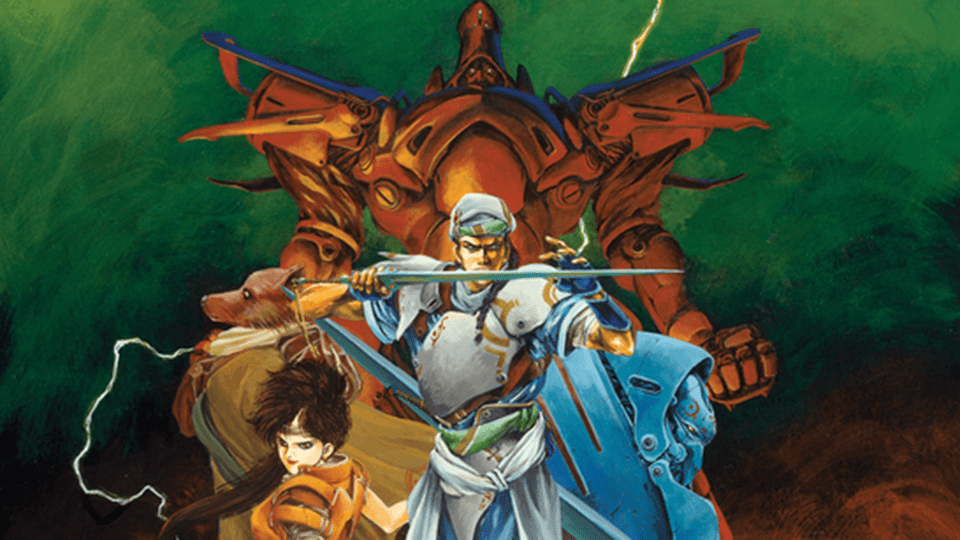
Players step into the roles of pilots who command "Ryude"—living, magical mecha that serve as the primary conduits for both exploration and combat. With a massive roster of 40 distinct Ryude to choose from, the game offers a level of mechanical depth that was revolutionary for its time. The system utilizes a d10-based engine, prioritizing high-speed, tactical encounters. Combat is resolved in sharp, two-second rounds, forcing players to make split-second decisions that emphasize the frantic, high-stakes nature of piloting a giant robot.
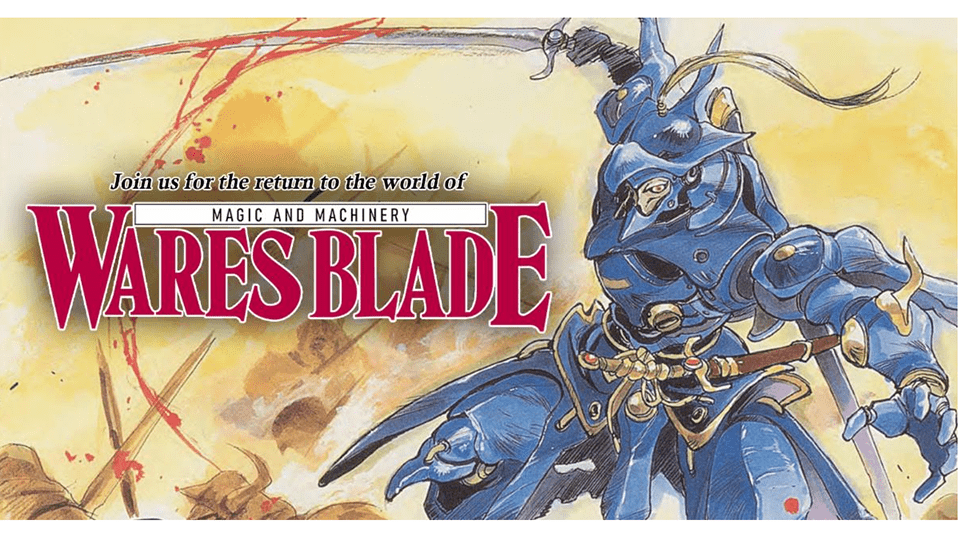
Furthermore, the game introduces a high-risk, high-reward "Luck" system. Players can tap into a pool of Luck dice to tilt the odds in their favor during critical moments. However, this is a double-edged sword: the more you lean on fate, the more you draw attention to yourself on the battlefield, effectively painting a target on your back for enemy forces. This mechanical tension—balancing arcane power against the inevitability of backlash—echoes the design philosophies found in games like Warhammer Fantasy, yet retains a distinctly Japanese flair for dramatic, anime-inspired storytelling.
A Chronology of a Cult Classic
To understand the significance of Wares Blade, one must look at the timeline of its evolution. Born in the late 1980s, a golden era for Japanese hobby gaming, the game was not a "one-and-done" release. It became a cultural touchstone that persisted through decades of updates, spin-offs, and supplemental material.
- 1989: The Genesis. Wares Blade enters the Japanese market, establishing the Ryude as a centerpiece of its mechanical and narrative identity.
- The 1990s and 2000s: The Iteration Phase. As the Japanese gaming scene grew, Wares Blade received numerous revisions, refining the combat system and expanding the lore of its magical world. It became a staple in Japanese game shops, influencing a generation of designers who would go on to create the modern TRPG landscape.
- 2025: The Global Expansion. After years of being largely inaccessible to those outside of Japan, LionWing Publishing announced their intent to license and localize the title. This process involves not just a direct translation, but an adaptation to ensure that the 1989 mechanics remain playable and engaging for a modern, global audience.
- August 29, 2025: Kickstarter Launch. The campaign goes live, immediately gaining traction and signaling a massive appetite for classic Japanese gaming titles in the West.
LionWing Publishing: The Architects of Localization
The success of Wares Blade is inseparable from the track record of its publisher, LionWing Publishing. The company has carved out a unique niche by focusing exclusively on high-quality translations of Japanese TRPGs. Their model is consistent and effective: identify a beloved or historically significant Japanese title, launch a high-transparency Kickstarter campaign, and deliver a premium product that satisfies both collectors and active players.
Their previous successes—such as the dark, ethereal Kedamono Opera and the Kamen Rider-inspired Convictor Drive—have demonstrated that the Western market is eager for the specific design sensibilities of Japanese TRPGs. These games often prioritize narrative stakes and specific thematic tropes—such as hero transformations or tragic magic—that differ from the "dungeon crawl" focus of traditional Western systems like Dungeons & Dragons.

Furthermore, LionWing’s portfolio includes the Eldritch Escape: Tokyo series and the official Shin Megami Tensei III: Nocturne tabletop RPG. By handling high-profile intellectual properties alongside deep-cut classics, they have built a brand synonymous with quality. When LionWing announces a project, the community has come to expect not just the core rulebook, but a suite of collector-grade accessories: custom dice, premium slipcases, GM screens, and high-fidelity art prints.
Supporting Data: Why the Crowdfunding Model Works
The current Wares Blade campaign is not merely "doing well"; it is thriving. At the time of this writing, the project has already surpassed its initial funding goal by more than seven times. This data point is crucial for industry observers. It suggests that the interest in Japanese TRPGs is no longer a fringe movement but a sustainable market segment.
The reward tiers for the project reflect a tiered strategy designed to cater to both the "curious newcomer" and the "hardcore collector":
- The Digital Entry ($30): Designed for players who want to experience the system without the physical footprint.
- The Mid-Tier ($80–$120): These levels provide the physical rulebook, often bundled with play aids, custom dice trays, and scenario supplements.
- The Collector’s Tier ($150+): This tier is where the publisher flexes its production value, offering high-end acrylic standees of the Ryude, specialized GM screens, and collector’s edition hardcovers.
The speed at which these tiers are being filled—often within hours of the campaign’s launch—speaks to the "LionWing effect." Backers are not just buying a book; they are buying into a curated experience.
Official Perspectives and Community Response
In a recent communication regarding the campaign, representatives from LionWing highlighted the importance of "faithful, playable formats." Their philosophy is that a translation should not strip away the soul of the original game to make it more "Western-friendly." Instead, they aim to preserve the specific mechanical quirks—the very things that make Wares Blade feel like a 1989 Japanese classic—while ensuring the rulebook is accessible and easy to parse for modern Game Masters.
The community reaction on forums and social media has been overwhelmingly positive. Veterans of the 80s and 90s era of TRPGs have lauded the choice of Wares Blade as a "missing link" in the history of mecha gaming. For younger players, the aesthetic—often described as a blend of "retro-future" and "fantasy-tech"—has proven to be a major draw, particularly for those who have grown up with the visual language of series like Escaflowne or the early Gundam entries.
Implications for the Future of TRPGs
The success of Wares Blade has broader implications for the tabletop industry. It signals a shift toward "cultural preservation through play." As digital archives of older games become harder to find or verify, professional localization houses like LionWing are performing a vital service. By bringing these games into the English market, they are ensuring that the design lessons of the 20th century are not lost to time.
Moreover, the popularity of the mecha genre in this format suggests that there is a demand for specialized, setting-heavy RPGs. While "generic" systems like Fate or GURPS have their place, players are increasingly looking for systems that are built from the ground up to support a specific fantasy—in this case, the fantasy of piloting a magical, giant robot into the heart of a war-torn kingdom.
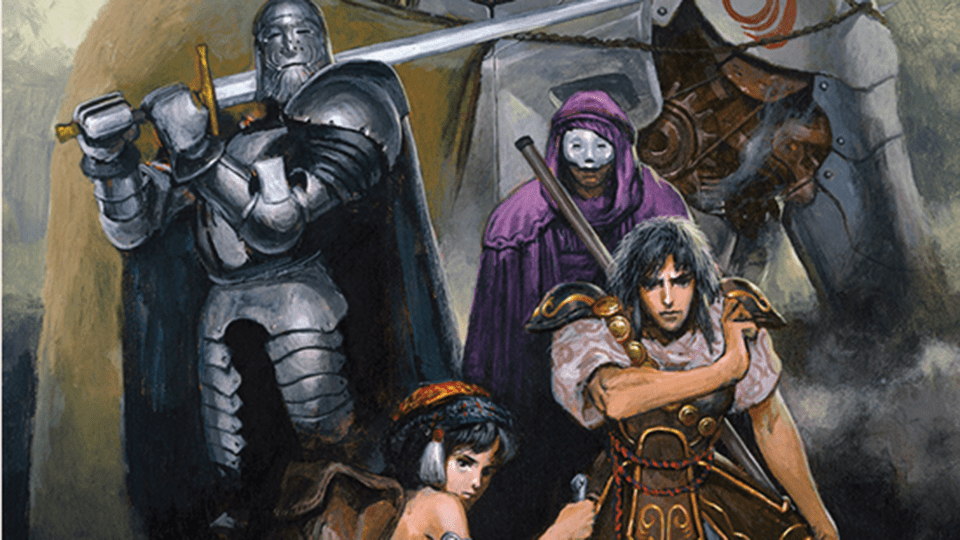
As the September 18 deadline for the Kickstarter approaches, the momentum remains strong. For anyone interested in the intersection of mecha anime history, Japanese game design, and high-stakes tactical combat, Wares Blade is not just a crowdfunding campaign—it is an event. It serves as a reminder that some of the best gaming experiences are the ones that have been waiting in the wings, ready to be discovered by a new generation of players.
Whether you are a collector looking to fill your shelf with a piece of tabletop history or a GM looking for a new system to challenge your players with high-speed, high-risk combat, Wares Blade offers a compelling argument for its place at your gaming table. With the support of the community, this classic title is finally set to take its rightful place in the global pantheon of tabletop role-playing games.











