Nana Wu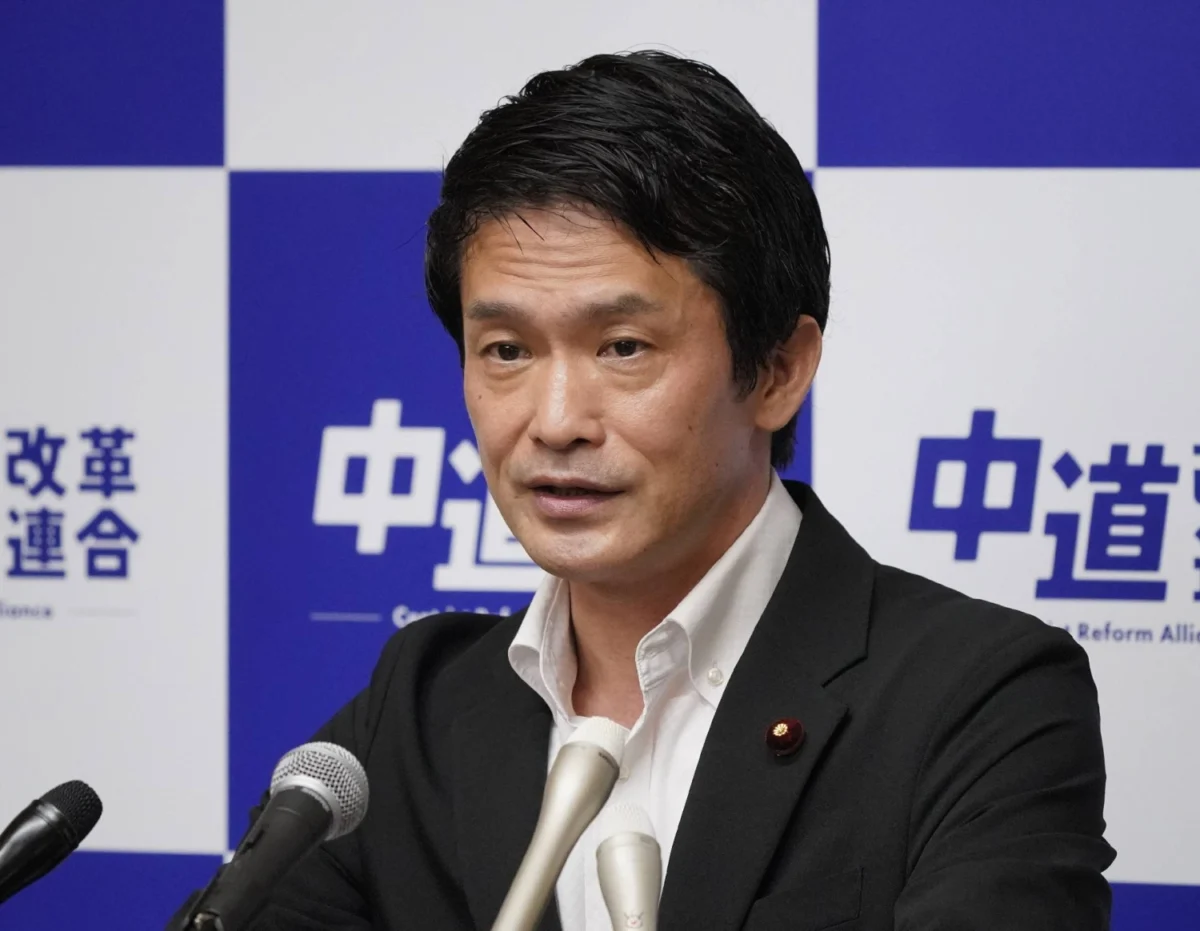
TOKYO – In a move that promises to redraw the landscape of Japanese parliamentary politics, the opposition party Komeito has initiated formal plans to merge its parliamentary forces with the Centrist Reform Alliance (CRA). According to informed sources, the integration is expected to be finalized before the convening of an extraordinary parliamentary session this autumn, marking a significant consolidation of centrist power in the Diet.
The merger, which involves the transition of 21 Komeito members from the House of Councillors into the CRA, represents a strategic gamble by both parties to challenge the prevailing political hegemony. As the nation grapples with complex economic recovery and evolving regional security concerns, the move suggests an attempt to create a more cohesive and formidable opposition bloc.
The Strategic Blueprint: A Chronology of the Merger
The roadmap for this political union is characterized by a rapid, phased approach designed to minimize internal dissent and maintain legislative momentum.
Phase I: Internal Policy Formulation (Current)
Party leadership within Komeito has spent recent weeks drafting the basic policy framework for the merger. This internal process has been focused on ensuring that the core tenets of the party’s platform—long focused on social welfare, peace-building, and public assistance—can be effectively integrated into the broader CRA mandate.
Phase II: Public Declaration (July)
Sources indicate that Komeito intends to make an official, public declaration of its intent to join the CRA in July. This announcement is expected to serve as a litmus test for voter sentiment and a signal to other opposition factions that a new, stronger coalition is emerging.
Phase III: Ratification (September)
The move will culminate in a formal party convention scheduled for September. At this summit, Komeito leadership will seek the final stamp of approval from its membership. Once ratified, the 21 Komeito lawmakers in the upper chamber will officially vacate their party affiliations to join the ranks of the CRA.
Core Objectives and Structural Continuity
A notable feature of this merger is the deliberate preservation of the CRA’s existing infrastructure. To facilitate a "swift and seamless" integration, Komeito has agreed to several conditions that prioritize stability over organizational overhaul.
Preserving the Platform
Komeito has explicitly requested that the CRA maintain its current platform and policy objectives. By prioritizing continuity, the party aims to reassure its existing support base that the move is an evolution of its political goals rather than an abandonment of its values.
Leadership Stability
In a move that underscores the confidence placed in the current CRA leadership, Komeito has signaled it will not seek a change in the alliance’s executive structure. Junya Ogawa, who has served as the chief of the Centrist Reform Alliance, is expected to remain at the helm. This continuity is widely seen as a mechanism to avoid the power struggles that often derail major party mergers.
Political Implications: Challenging the Status Quo
The consolidation of 21 upper-house seats into the CRA creates a significant new entity in the House of Councillors. Political analysts suggest that this shift could have several profound implications for the Japanese government.

Enhanced Legislative Leverage
With a unified bloc, the CRA will be better positioned to negotiate amendments, block controversial legislation, and dictate the terms of parliamentary debate. The addition of 21 experienced lawmakers brings not only voting power but also seasoned legislative expertise to the CRA, potentially increasing the alliance’s ability to draft comprehensive counter-proposals to government-sponsored bills.
Redefining the Opposition
For years, the Japanese opposition has been criticized for fragmentation and an inability to present a unified front against the ruling coalition. By merging, Komeito and the CRA are effectively attempting to create a "shadow government" that can offer a credible alternative to the electorate.
Public Perception and the "Trust Gap"
The success of this merger will hinge largely on how the public perceives the move. In an era of intense information saturation and increasing concerns regarding political transparency, voters are often wary of rapid shifts in party identity. The CRA and Komeito must navigate this carefully; if the move is perceived as a purely opportunistic power grab, it may alienate the very voters they hope to attract. If, however, it is framed as a necessary step toward effective governance, it could significantly boost the alliance’s polling numbers.
Contextualizing the Centrist Reform Alliance
Under the leadership of Junya Ogawa, the Centrist Reform Alliance has carved out a niche as a moderate, pragmatic force. Ogawa’s tenure has been marked by a focus on fiscal responsibility, transparent governance, and a nuanced approach to international diplomacy.
The integration of Komeito—a party historically tied to a large lay-Buddhist organization and known for its grassroots organizing—provides the CRA with a robust electoral machine. Komeito’s ability to mobilize supporters in local districts, combined with the CRA’s policy-heavy approach, creates a symbiotic relationship that could prove difficult for the ruling party to overcome.
Supporting Data and Historical Context
Historically, Japanese politics have been dominated by the Liberal Democratic Party (LDP) and its partners. Attempts to consolidate opposition forces have met with varying degrees of success over the past three decades.
- The 1993 Transition: The collapse of the LDP’s long-standing dominance led to a flurry of party realignments. The current move by Komeito and the CRA is reminiscent of these efforts to break the deadlock of a single-party-dominated system.
- The Upper House Factor: The House of Councillors is often where political instability manifests. Because members serve six-year terms, the upper chamber acts as a more permanent barometer of political sentiment than the House of Representatives. By securing a stronger foothold here, the CRA is playing a long-term game.
- The 21-Member Shift: The transition of 21 members is a significant numerical boost, shifting the balance of power in the committees where the most vital legislative work is conducted.
Challenges Ahead: Navigating the Integration
Despite the strategic benefits, the road ahead is fraught with potential pitfalls.
- Cultural Integration: Komeito’s distinct organizational culture, rooted in long-standing community support, may clash with the more technocratic approach of the CRA. Bridging this gap will require substantial diplomatic effort from both Junya Ogawa and his Komeito counterparts.
- The "Third Party" Trap: Many voters express frustration with "revolving door" politics. The leadership must clearly articulate the why behind this merger to ensure it does not alienate voters who are tired of perpetual party rebranding.
- Policy Cohesion: While the parties have agreed to keep the CRA’s current platform, the practical reality of legislating often reveals deep-seated policy differences. Ensuring that these differences do not surface in public during critical votes will be a test of the new coalition’s discipline.
Conclusion: A New Chapter for the Diet
As Japan approaches the autumn session of the Diet, the eyes of the political world will be fixed on the halls of the National Diet Building. The planned merger between Komeito and the Centrist Reform Alliance is more than just a procedural change; it is a signal that the opposition is evolving.
Whether this move will lead to a fundamental shift in Japan’s political trajectory remains to be seen. However, by choosing to prioritize stability, continuity, and a shared legislative agenda, the two parties have set the stage for a compelling new chapter in the nation’s political history. As Junya Ogawa continues to steer the CRA through this transition, the success or failure of this experiment will serve as a bellwether for the future of Japanese democracy.
In an environment where quality information is essential for a functioning society, the transparency of this upcoming transition will be the ultimate test for the involved parties. For now, the political landscape remains in a state of anticipatory flux, waiting for the formalization of an alliance that could redefine the legislative power balance for years to come.


 Neng Nana
 Asro
Asro