Suro Senen
The era of the PlayStation 1 was a golden age for Japanese Role-Playing Games (JRPGs). It was a time when the genre exploded in popularity, offering players sprawling narratives, complex worlds, and unforgettable characters. However, for many, this era was also defined by a steep learning curve and a level of challenge that often bordered on the brutal. Unlike today, where comprehensive tutorials and readily available online guides smooth the path for newcomers, PS1 JRPGs frequently expected players to decipher intricate mechanics with little to no assistance. This often meant relying on the sparse in-game hints or, more commonly, the forgotten lore of physical game manuals.
For those of us who dove headfirst into these digital realms without such preparation, the experience could be, to put it mildly, agonizing. The frustration of missing every attack, the confusion over acquiring new skills, or the sheer shock of a beloved character transforming into an unrecoverable state were common nightmares. This article delves into some of the most notoriously challenging PS1 JRPGs, games that tested players’ patience, strategic thinking, and sheer determination, often forcing a path of discovery paved with failure.
The Legacy of Obscurity and Unforgiving Design
The early days of console gaming, particularly the PS1 era, were characterized by a different development philosophy. Developers often assumed a certain level of player engagement and understanding of established genre conventions. This meant that complex systems, from combat intricacies to world progression, were sometimes buried deep within the game’s code or, worse, relegated to a printed manual that many players, in their youthful eagerness, likely bypassed entirely.
This approach, while fostering a sense of discovery for some, created a significant barrier to entry for others. The consequence was a gaming landscape where mastering a JRPG often required not just time and dedication, but also a degree of intuition or access to external resources that weren’t always readily available. This article aims to revisit these challenging titles, exploring what made them so difficult and why, despite their hurdles, they remain cherished by a dedicated fanbase.
10. Star Ocean: The Second Story – The Difficulty Spike Hits Hard
Released in 1999, Star Ocean: The Second Story is a beloved entry in the long-running action RPG series. While it offered a rich narrative, a dual-protagonist system, and a robust Private Action system, it also presented a significant challenge, particularly for players venturing through blind. The game’s difficulty curve is not a gradual incline but a series of sudden, almost violent spikes.
Early battles might feel manageable, lulling players into a false sense of security. However, as players progress into new regions and encounter more formidable foes, the game quickly ramps up the intensity. What was once a comfortable grind can suddenly become a desperate struggle for survival. This abrupt shift in difficulty can be particularly disheartening, forcing players to re-evaluate their strategies and party composition.

A key factor in overcoming Star Ocean: The Second Story‘s challenges lies in its intricate Item Creation system. Players who master this system can craft incredibly powerful weapons and armor, effectively trivializing much of the game’s difficulty. However, on a first, unguided playthrough, understanding and effectively utilizing this system is a significant challenge in itself. Many players, myself included, found themselves outmatched without realizing the full potential of this crafting mechanic, leading to prolonged periods of struggle and repeated defeats. The remake, Star Ocean: The Second Story R, addressed some of these issues with quality-of-life improvements, but the original PS1 experience remains a testament to the series’ demanding nature.
9. The Legend of Dragoon – You Need Rhythm and Timing
Released in 2000, The Legend of Dragoon is a visually striking JRPG that captivated many with its cinematic presentation and epic storyline. However, beneath its polished exterior lies a combat system that demands precision and a keen sense of timing, making it a formidable challenge for those who don’t immediately grasp its unique mechanics.
Unlike many turn-based JRPGs where successful inputs are a bonus, The Legend of Dragoon‘s "Additions" system makes them absolutely critical. These timed button prompts are the key to unlocking powerful combos and dealing significant damage. Failure to execute these inputs correctly results in severely diminished damage output, turning what should be a swift encounter into a drawn-out battle of attrition.
The reliance on rhythm and timing is a significant hurdle for players who may not possess a natural aptitude for such mechanics. While games like Super Mario RPG offer similar timed inputs as an optional enhancement, in The Legend of Dragoon, they are essential for progression. A single missed input can cascade into a string of failures, leaving players vulnerable and struggling to overcome even seemingly routine encounters. The sheer necessity of mastering this system, without explicit guidance beyond what the game provides, makes The Legend of Dragoon a standout for its unique brand of difficulty.
8. Legend of Mana – Easy to Learn, Hard to Master
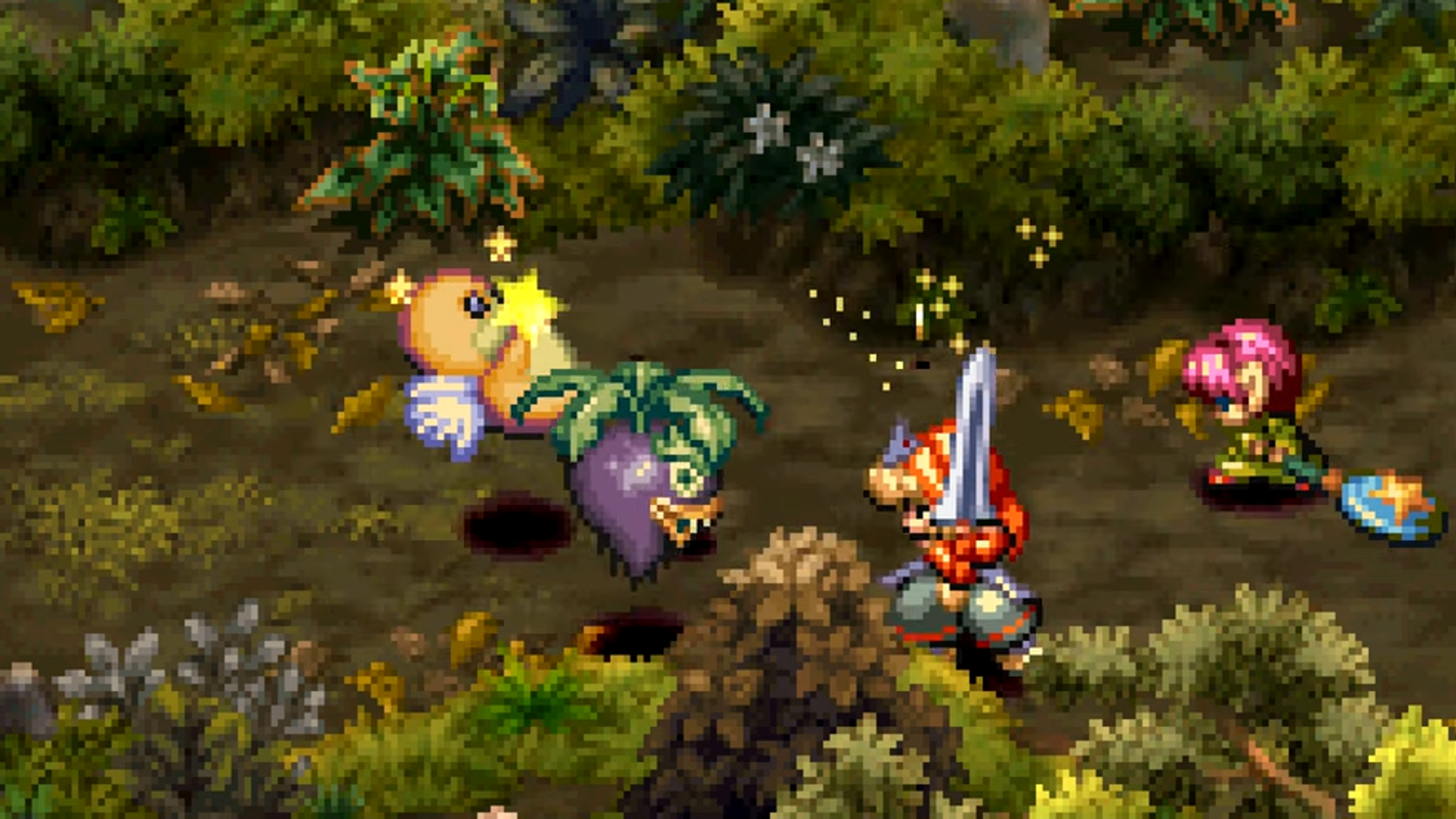
Square’s Legend of Mana, released in 1999, is a visually stunning and musically rich action RPG that distinguishes itself through its unique approach to world-building and progression. While its combat system is relatively accessible, the game’s true challenge lies in its opaque progression structure and the intricate requirements for unlocking content.
The initial hours of Legend of Mana can feel quite linear. Players are guided through early quests, interact with NPCs, and gradually unlock new artifacts and locations. However, this structured beginning eventually gives way to a sprawling, non-linear experience that can leave players feeling lost. The core progression mechanic involves placing artifacts on a world map to create new towns and dungeons. The challenge arises from the sheer obscurity of which artifacts to place, where to place them, and how to trigger specific events or quests.
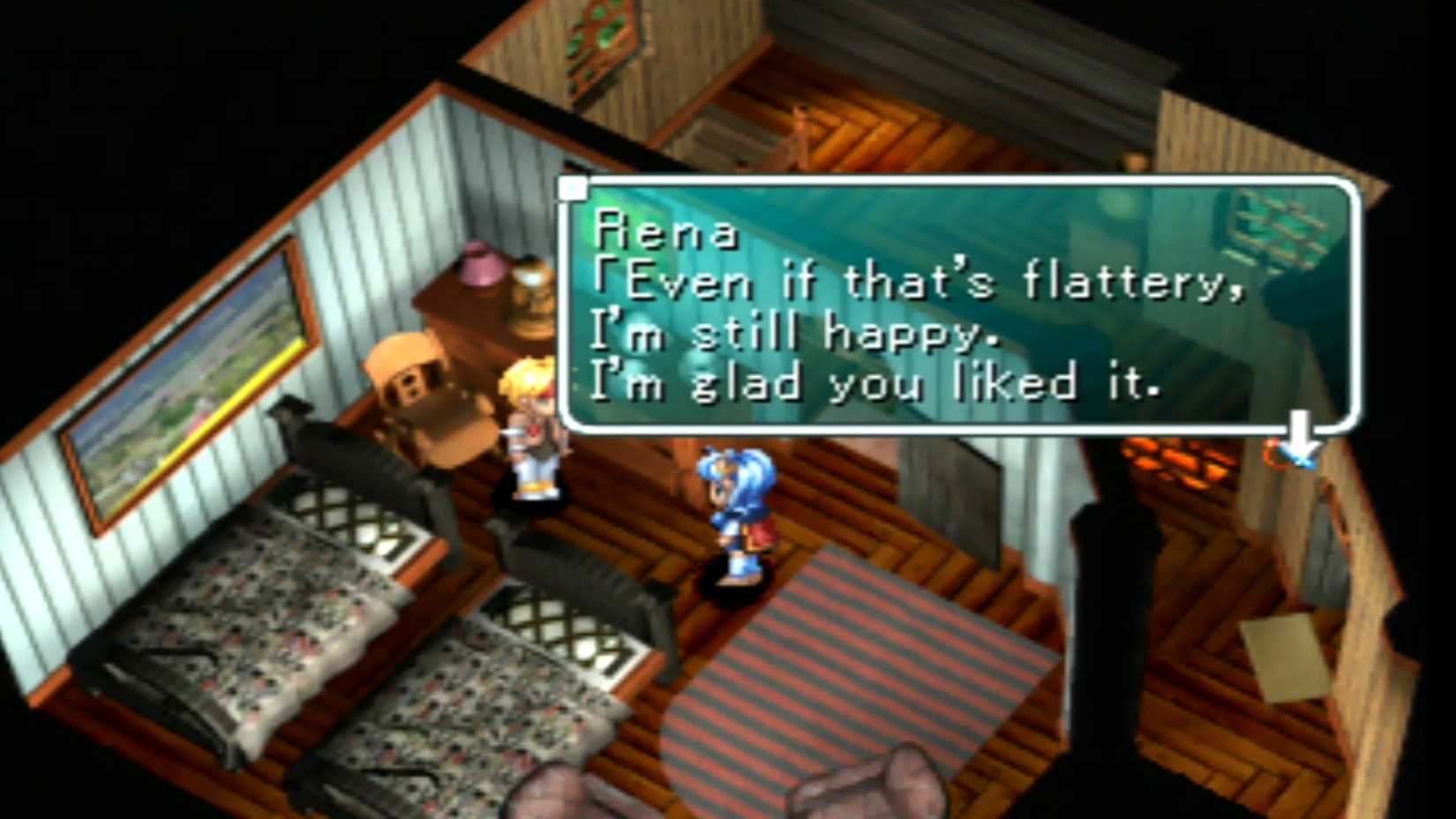
Many players hit a wall when they exhaust their current artifact inventory and have no clear indication of how to proceed. This often necessitates aimless backtracking through previously explored areas, a desperate hope of stumbling upon a hidden side quest or event that will unlock the next stage of progression. The game doesn’t explicitly guide players toward this discovery, leaving them to decipher a complex, interlocking system with little to no explanation. While the game’s aesthetic beauty and engaging gameplay make it a worthwhile endeavor, navigating its cryptic progression path demands a level of patience and deductive reasoning rarely required in modern JRPGs.
7. Vagrant Story – Play at Your Own Risk
Vagrant Story, released in 2000, is a masterclass in atmospheric storytelling and innovative gameplay. Developed by Square, it stands out for its complex combat system, deep crafting mechanics, and mature narrative. However, these very innovations contribute to its reputation as one of the most challenging JRPGs on the PS1, particularly for players who dive in without prior knowledge.
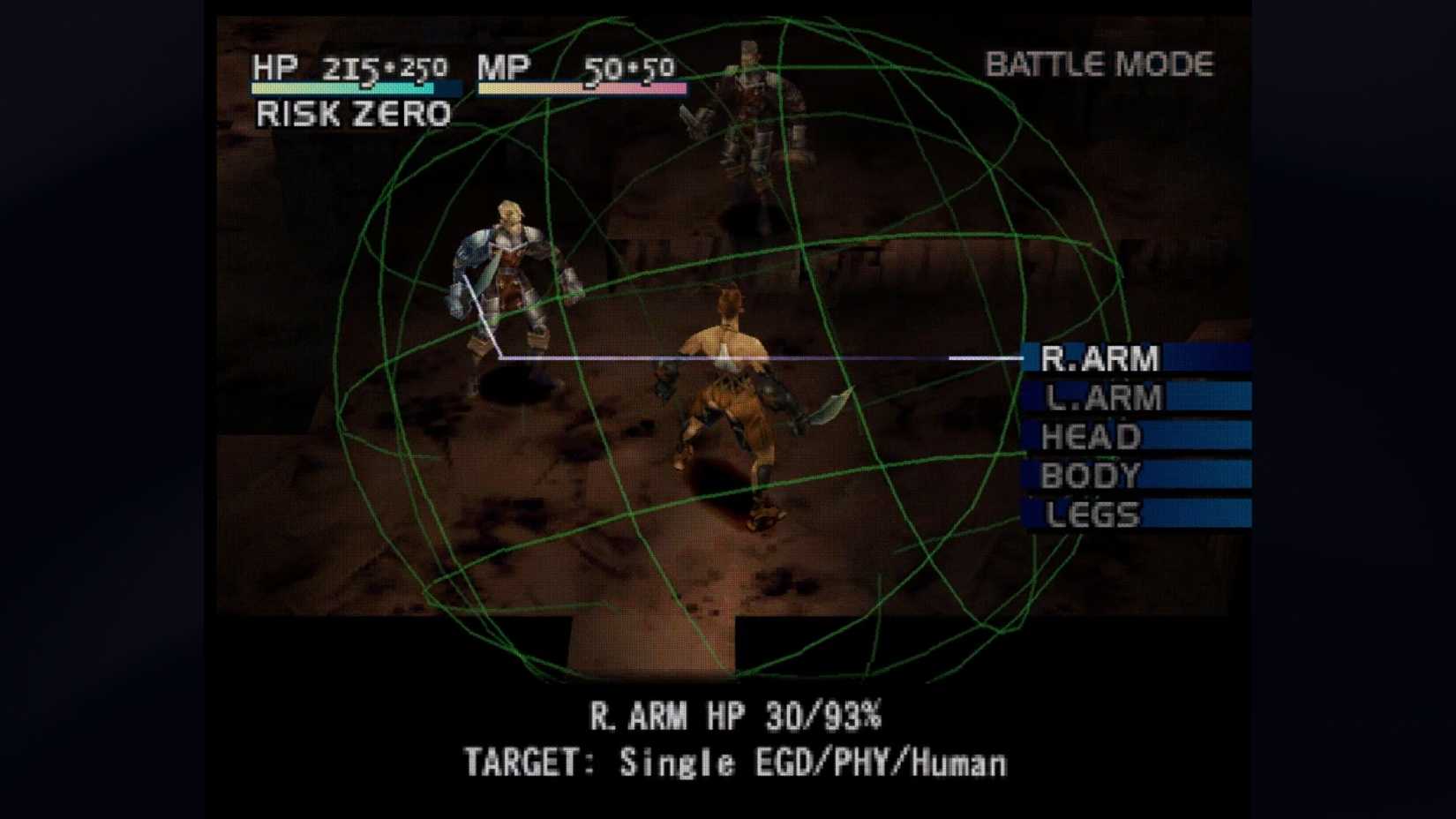
The combat in Vagrant Story is a far cry from traditional turn-based systems. It requires players to chain together precise button presses during real-time combat to execute powerful combos. While this offers immense offensive potential, it comes at a significant cost: raising the "Risk" gauge. As this gauge fills, protagonist Ashley becomes more susceptible to damage and more prone to missing attacks. This creates a constant push-and-pull, a high-stakes dance where aggressive play is rewarded but also carries substantial peril.
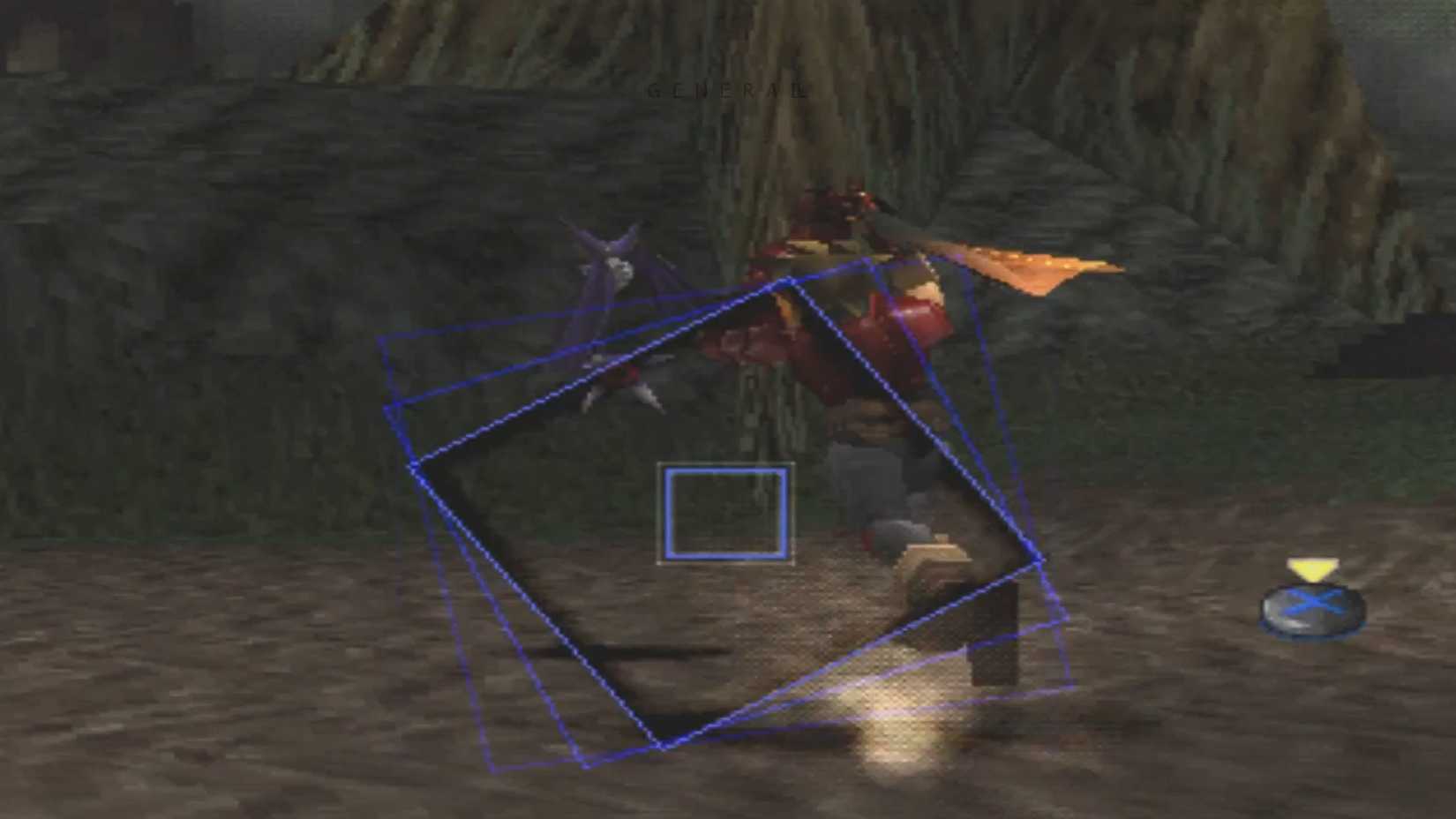
Furthermore, the game’s intricate crafting system is not merely a side activity but a crucial element for success. Many players, especially younger ones unfamiliar with such depth, may overlook the necessity of crafting specific weapons effective against certain enemy types. This can lead to insurmountable boss battles where players are dealing negligible damage, unaware that a specialized weapon, forged through a complex process, is the key to victory. The unforgiving nature of Vagrant Story‘s mechanics, combined with its lack of explicit guidance, ensures that only the most determined players will fully conquer its challenges.
6. Hoshigami: Ruining Blue Earth – Grinding and Permadeath is a Match Made in Hell
In the era of the PS1, the tactical JRPG genre saw a surge in releases, but few are as punishingly obscure as Hoshigami: Ruining Blue Earth. Released in 2001, this title stands out for its convoluted mechanics and a particularly brutal combination of deep strategy and permanent consequences.
Hoshigami attempts to pack an overwhelming amount of complexity into its grid-based combat. Players must constantly juggle character elements, weapon types, strategic positioning, and the RAP (Ready for Action Points) gauge, which dictates turn order and action availability. This intricate web of systems can be incredibly daunting to navigate, especially for players accustomed to more streamlined tactical experiences.
The game’s most unforgiving feature, however, is its implementation of permadeath. In a genre where extensive grinding is often a necessity for progression, the idea of losing a valuable character permanently is a recipe for frustration. Losing a well-developed unit after hours of effort, especially when combined with the already steep learning curve of the combat system, can be a soul-crushing experience. This combination of deep, opaque mechanics and severe penalties makes Hoshigami a true test of endurance for even the most seasoned tactical RPG fans.
5. Digimon World – A World of Dangers and Poo
Released in 1999, Digimon World offered a unique take on the monster-raising simulation genre, blending RPG elements with a focus on nurturing and evolving digital creatures. While the concept was captivating, the execution proved to be a significant challenge, often due to its opaque mechanics and unforgiving progression.
The most notorious aspect of Digimon World is its evolution system. Players would spend hours meticulously raising their Digimon, carefully balancing stats with the hope of achieving a specific, powerful evolution. However, the criteria for evolution were often obscure, leading to frequent disappointments. The dreaded outcome of evolving into a "Numemon" – a sludge-like Digimon – became a common frustration for many players who failed to meet obscure stat requirements.
Beyond the evolution system, Digimon World presents a world fraught with danger. Players don’t directly control their Digimon in battle; instead, they issue commands and hope for their partner’s compliance. This indirect control, coupled with unpredictable AI, can lead to chaotic and challenging encounters. Furthermore, the game features significant difficulty spikes as players venture into new areas, often finding their current Digimon woefully underpowered. The need to constantly grind, re-train, and re-evolve Digimon to tackle new challenges makes Digimon World a demanding, albeit ultimately rewarding, experience.
4. Monster Rancher 2 – Retirement is the Endgame
Monster Rancher 2, released in 2000, presented a unique proposition: use your PlayStation’s CD-ROM drive to generate monsters based on the discs inserted. This innovative feature, combined with a deep monster-raising simulation, made it a beloved title. However, the game’s true difficulty lay hidden within its strategic endgame and the unstated mechanics of optimal monster progression.
Many players, including myself in my younger years, focused on raising their monsters to their highest potential, only to see them eventually "retire" due to age. This often meant reaching a plateau of power, unable to overcome the game’s most challenging tournaments. The realization that the true path to victory involved a complex system of retiring high-ranked monsters, freezing them, and then fusing them to create new beasts with superior base stats was a revelation that came too late for many.
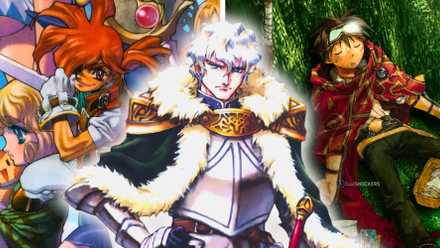
This "endgame" strategy, crucial for crafting truly dominant monsters, was never explicitly explained within the game. Without access to online guides or walkthroughs, players were essentially playing on an unannounced "hard mode," struggling against increasingly difficult opponents with a fundamentally flawed progression strategy. The sheer dedication required to master this intricate system, combined with the initial lack of understanding, makes Monster Rancher 2‘s true difficulty a testament to the power of hidden game design.
3. Persona 2 – It’s Still Persona, But Not the Persona You Want
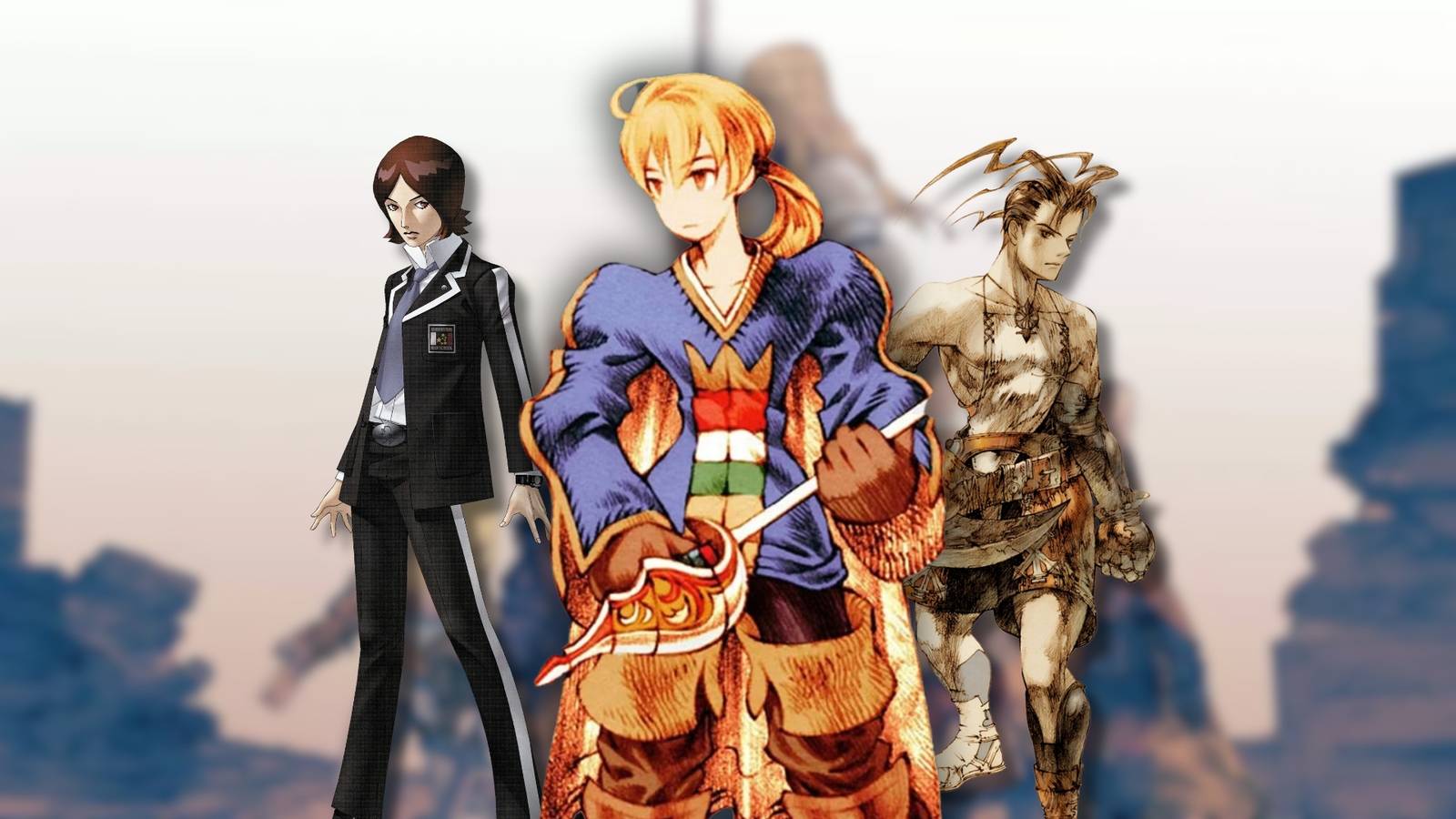
The Persona series has evolved dramatically since its inception, with titles like Persona 5 achieving global acclaim and revitalizing the franchise. However, the early entries, including the Persona 2 duology (Innocent Sin and Eternal Punishment), represent a stark contrast to the modern, more accessible entries. Released in 1999 and 2000 respectively, these games are deeply rooted in the Shin Megami Tensei lineage, inheriting its challenging combat and demanding a significant player investment.
While the gameplay mechanics of Persona 2 are not inherently complex by modern standards, the true difficulty lies in its pacing and the sheer tedium of its gameplay loop. For players accustomed to the streamlined Social Link mechanics and faster combat of later Persona titles, returning to the original duology can feel like a significant step backward. The story is compelling, exploring mature themes and intricate plots, but the archaic combat systems and slow progression can make reaching the narrative’s conclusion a slog.
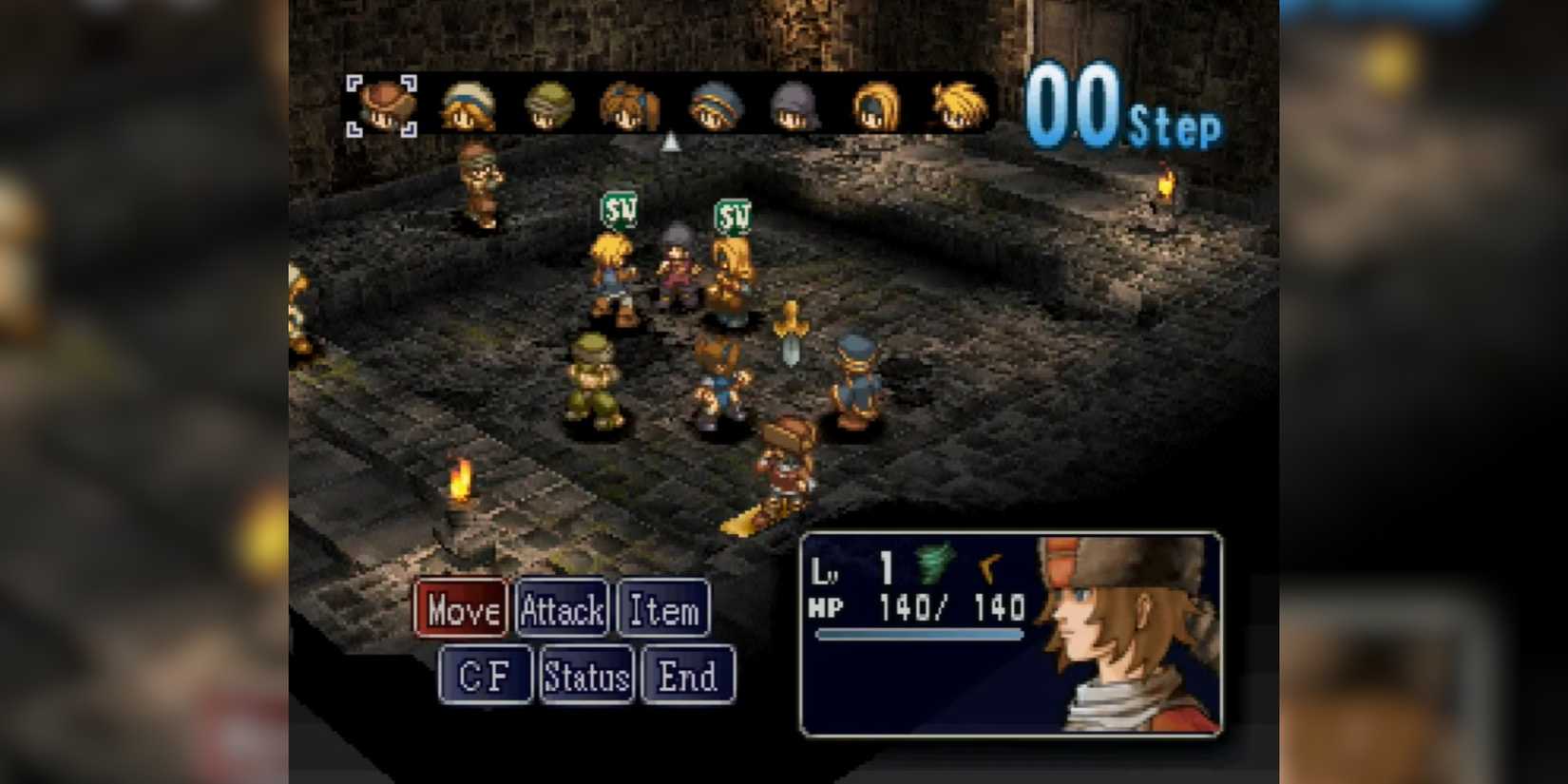
The Persona 2 games, while sharing the series’ name, are fundamentally different from their successors. They are more akin to their Shin Megami Tensei brethren, focusing on demon negotiation and a more punishing combat system. This difference in design philosophy, coupled with the era’s typical lack of hand-holding, means that Persona 2 presents a challenge not necessarily through intricate mechanics, but through the sheer endurance required to navigate its dated systems.
2. Final Fantasy Tactics – Damn You, Wiegraf
Final Fantasy Tactics, released in 1997, is widely considered one of the greatest tactical RPGs ever made. Its intricate job system, deep strategic combat, and compelling narrative have earned it a place in the hearts of many gamers. However, it is also infamous for its incredibly steep difficulty curve, particularly in its early hours and certain pivotal moments.
The game offers zero hand-holding, thrusting players directly into complex grid-based combat and expecting them to decipher its intricacies on their own. This can lead to early struggles, especially when facing bosses like Wiegraf, whose powerful attacks and strategic positioning can quickly overwhelm unprepared parties. The feeling of being "soft-locked" – trapped in a challenging encounter with no viable escape or recourse – is a common experience for many who ventured into Ivalice without proper preparation.
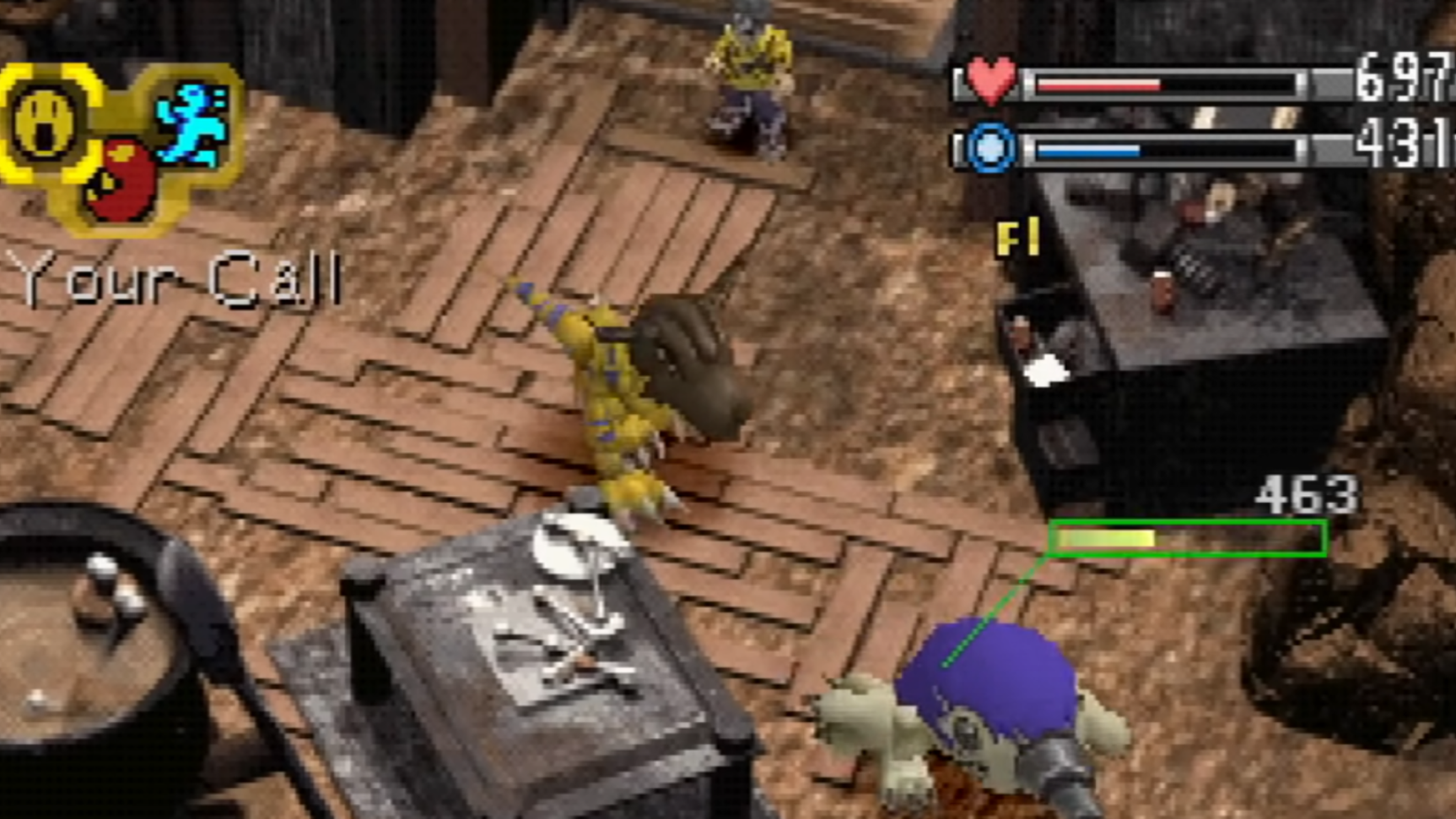
The frustration often peaks at Riovanes Castle, a notoriously difficult multi-stage gauntlet that can leave players stranded with no way to retreat and regroup. The original PlayStation version offered little in the way of concessions for players struggling with these challenges. While later versions, such as Final Fantasy Tactics: The War of the Lions, introduced quality-of-life improvements like a casual mode and the ability to back out of gauntlets, the original experience remains a formidable test of skill and strategy.
1. SaGa Frontier – The Most Unorthodox JRPG Franchise
The SaGa series, and SaGa Frontier in particular, represents the pinnacle of unorthodox JRPG design on the PlayStation 1. Released in 1998, this game, along with its sequel, challenged traditional JRPG conventions with its non-linear exploration, unique progression systems, and often cryptic mechanics. While these elements foster a sense of unparalleled freedom and discovery, they also contribute to an extreme level of difficulty for the uninitiated.
SaGa Frontier allows players to choose from multiple protagonists, each with their own storylines and starting points. This freedom, however, can be a double-edged sword. Choosing a character like Lute, whose scenario is notoriously open-ended, can lead to players encountering the final boss within minutes of starting the game, completely unprepared for the challenge. The game’s attribute-based progression, where stats increase naturally through actions rather than traditional leveling, and the random "Glimmer" system, where new skills are learned mid-battle, are brilliant but require a significant period of adjustment.
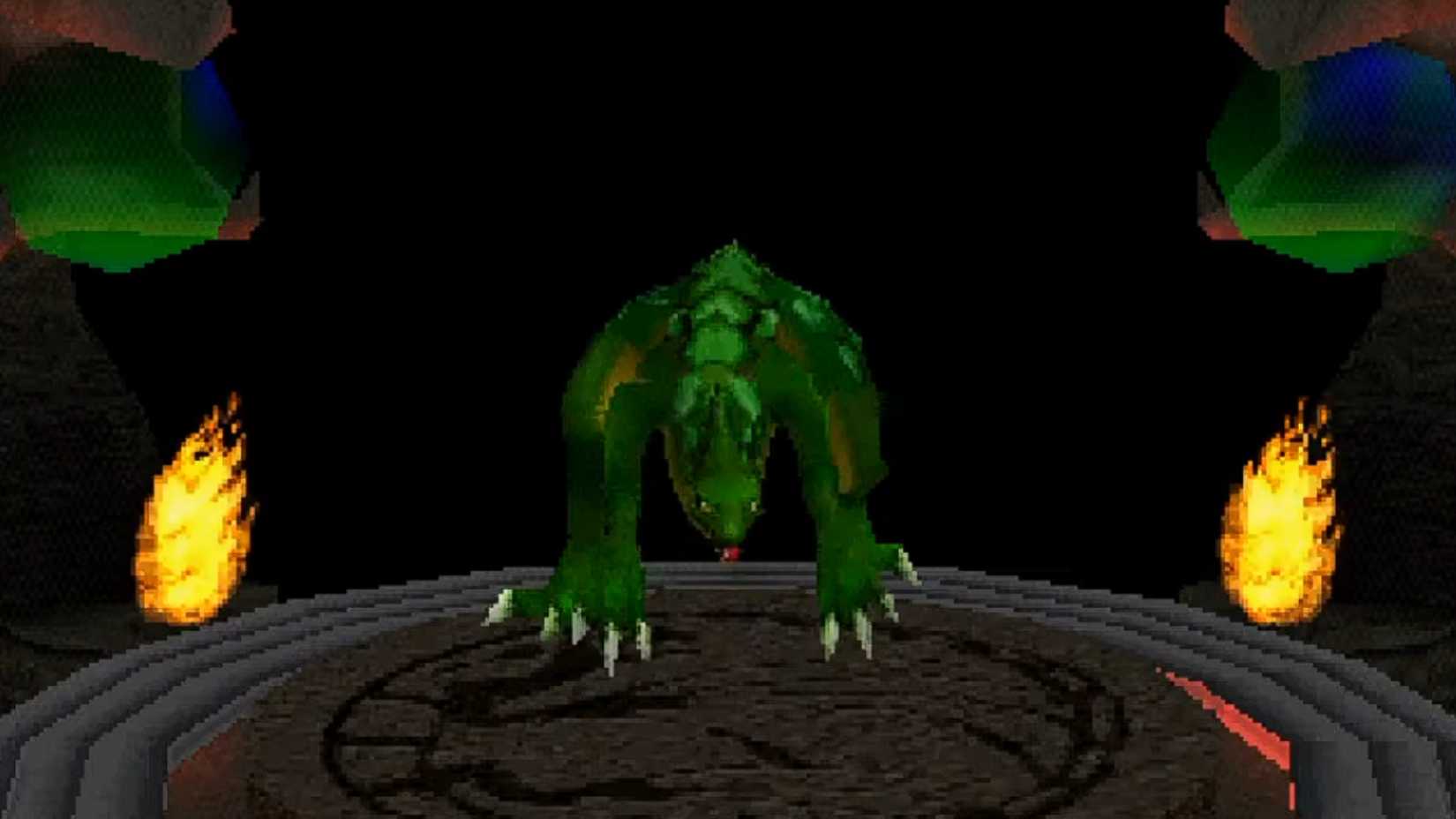
The lack of clear guidance on quest progression, monster scaling, and the optimal use of these unique mechanics means that players often find themselves lost, underpowered, and utterly bewildered. The challenge isn’t just in combat; it’s in understanding how the game world works, how to progress, and how to survive. While SaGa Frontier eventually rewards players who invest the time to understand its systems, its initial barrier to entry is exceptionally high, making it arguably the most demanding and bewildering JRPG on the PS1 for newcomers.
Conclusion: A Legacy of Challenge and Discovery
The PlayStation 1 era of JRPGs was a time of bold experimentation and unbridled ambition. While many of these games offered captivating stories and memorable worlds, they often did so with a level of difficulty that would deter less dedicated players. The absence of extensive tutorials and the reliance on players deciphering complex mechanics created a landscape where true mastery was a hard-won achievement.
These games, despite their unforgiving nature, fostered a unique sense of accomplishment. The struggle, the failures, and the eventual triumphs created a deeper connection with the gameplay and the worlds they inhabited. For those who persevered, the reward was not just the conclusion of a story, but the profound satisfaction of overcoming a formidable challenge through sheer wit and determination. The legacy of these difficult PS1 JRPGs endures, a reminder of a time when gaming demanded more from its players, and in return, offered an unparalleled sense of earned victory.


 Lina Irawan
 Sagoh
Sagoh