Raul Delapena Setiawan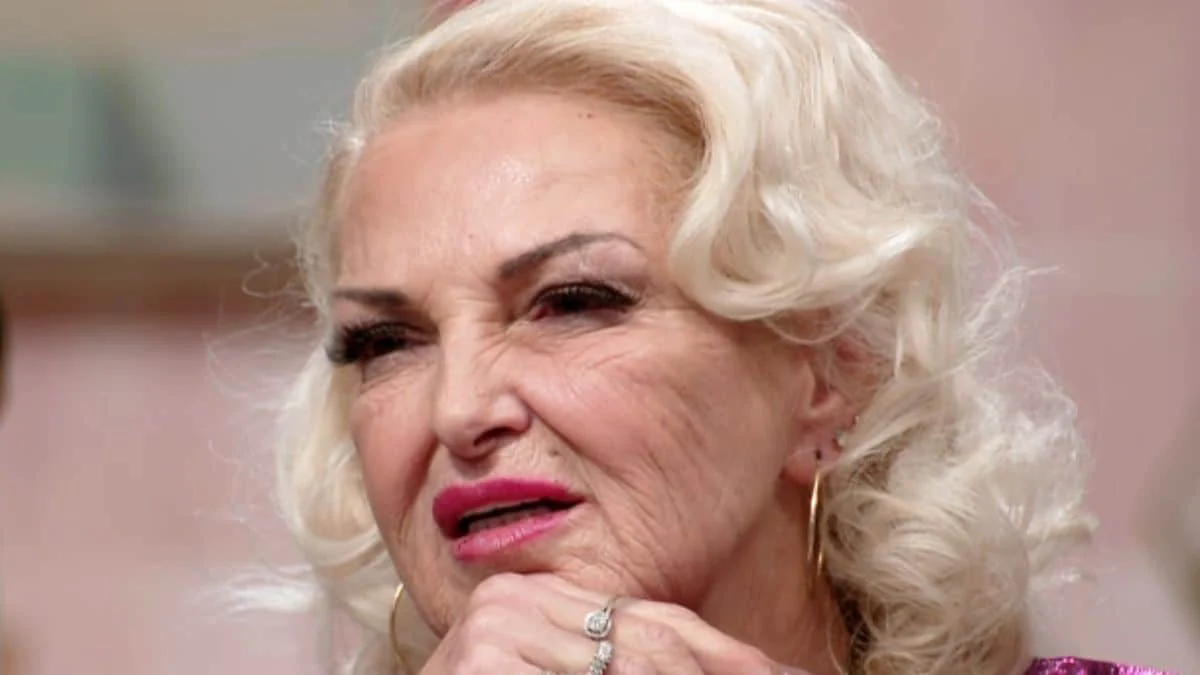
The boundary between public entertainment and private family life has never been more porous than in the era of reality television. For Angela Deem, a cornerstone of the 90 Day Fiancé franchise, this boundary was violently breached this week. Known for her boisterous personality and often-combative presence on screen, Deem found herself in a familiar position—on the defensive—but for a reason that has resonated far beyond the typical reality TV gossip circles. The 58-year-old grandmother, affectionately known by her fans as "Meemaw," took to social media to strike back at critics who targeted her nine-year-old granddaughter, Ariah Kaye, with disparaging comments regarding the child’s physical appearance and health.
The incident has sparked a wider conversation about the ethics of "fan" engagement, the vulnerability of children of public figures, and the hidden medical battles families often face behind the polished or chaotic veneer of a television screen.
Main Facts: The Incident and the Revelation
The controversy began when Angela Deem shared a seemingly innocent and joyful video of her granddaughter, Ariah Kaye. Ariah is one of three children belonging to Angela’s daughter, Scottie Deem. In the video, which was originally posted to TikTok before being reshared on Angela’s Instagram profile, the nine-year-old was seen lip-syncing to the hit duet "Die With A Smile" by Lady Gaga and Bruno Mars.
Ariah, whom Angela frequently refers to as her "Twinzy" and a "Future Queen," appeared confident and expressive, utilizing a microphone prop and flipping her hair in a manner reminiscent of the pop stars she was emulating. However, the lighthearted post quickly became a lightning rod for "internet trolls." While the majority of the feedback was positive, a vocal minority of users began posting derogatory comments focused on the child’s weight and physical frame.
In a sharp and emotional rebuttal, Angela Deem revealed a critical piece of context that the critics were unaware of: Ariah suffers from a chronic kidney disease, a condition she inherited from her mother. This revelation transformed a standard social media spat into a poignant discussion on the dangers of "armchair medicine" and the cruelty of body-shaming children.
Chronology of the Social Media Backlash
To understand the escalation of this event, one must look at the timeline of the digital interactions:
- The Initial Upload: Earlier this week, Angela Deem uploaded a video of Ariah to TikTok. The video showcased the nine-year-old’s personality, with Angela’s caption emphasizing their close bond and Ariah’s potential as a "queen of reality."
- The Instagram Cross-Post: Following the TikTok upload, Angela shared the Reel to her Instagram account, where she boasts a massive following of over 1.1 million users. The reach of this platform significantly increased the visibility of the video.
- The Emergence of Trolls: Within hours, the comment section began to sour. Amidst the praise, several users posted unsolicited "health advice." One notable comment that gained traction read, "You all need to eat healthier," specifically targeting the child’s midsection.
- The Defensive Response: On April 14, 2024 (based on the reporting cycle), Angela Deem posted a follow-up video. Eschewing her typical confrontational "Tell All" persona, she delivered a stern, somber message to her followers, disclosing Ariah’s medical condition and demanding a higher standard of behavior from the public.
Supporting Data: The Deem Family and the Reality TV Context
Angela Deem’s tenure on TLC’s 90 Day Fiancé has been defined by her volatile relationship with her estranged Nigerian husband, Michael Ilesanmi. Throughout her various seasons—including Before the 90 Days, Happily Ever After?, and The Last Resort—Angela has been a polarizing figure. Critics often point to her aggressive communication style, while supporters admire her fierce loyalty to her family.
The Deem family unit is central to Angela’s identity. She lives in Georgia, where she has been a primary caregiver for her six grandchildren. Her daughter, Scottie Deem, has also been a recurring figure in the family’s public narrative. The disclosure of kidney disease in the family is a significant data point; chronic kidney disease (CKD) in children can often lead to various physical symptoms, including fluid retention and growth fluctuations, which may be misinterpreted by those lacking medical insight.
Furthermore, the "Meemaw" brand is built on the concept of the protective matriarch. According to social media engagement metrics for reality stars of her caliber, family-related content often receives 30-40% more engagement than solo promotional content. However, this increased engagement carries the risk of "parasocial entitlement," where viewers feel they have the right to critique the parenting and physical health of the cast members’ children.
Official Responses: Angela Deem’s Statement
In her video response, captioned "DO BETTER GOD BLESS YOU," Angela addressed her audience with an uncharacteristic mix of restraint and mother-bear ferocity.

"Hi queens and kings, I just wanna bring something to y’all’s attention," Angela began, setting a serious tone. She acknowledged the positive feedback but quickly pivoted to the "Instagrammers" who used her platform to "cut down" a child.
"She’s only nine years old, okay? Um, to the Instagrammers out there that come on my page to cut me down, I can take that. When you come after my granddaughter and talk about her belly, um, you should be ashamed of yourself," she stated firmly.
The most impactful part of her response was the medical disclosure: "And just a little info for you: she has kidney disease like her mom. And um, what kind of person goes around cutting down kids anyway? Crown of thought. Do better. That kid hasn’t done nothing to you."
This response served a dual purpose: it silenced the "health" critics by providing a medical explanation for Ariah’s appearance and it re-established the moral boundary that children should be off-limits in reality TV feuds.
Implications: The Ethics of Social Media and Reality TV Families
This incident highlights several burgeoning issues in the digital age, particularly for those who live their lives in the public eye.
1. The Weaponization of "Health" Concerns
The trend of "health trolling"—where users mask bullying as concern for a person’s well-being—is on the rise. In this case, critics used "eating healthier" as a euphemism for body-shaming a nine-year-old. Angela’s revelation regarding kidney disease underscores why such unsolicited advice is not only rude but often factually ignorant. It serves as a reminder that physical appearance is frequently dictated by underlying medical conditions that are not visible to the naked eye.
2. The Vulnerability of Reality TV Children
Unlike their parents, the children of reality stars do not sign contracts with networks like TLC. They are often "collateral celebrities," thrust into the limelight by the choices of their guardians. The psychological impact of reading negative comments about one’s body at the age of nine can be devastating. Angela’s decision to speak out is an attempt to mitigate this damage, but it also raises questions about whether reality stars should post their children at all, given the current toxicity of social media.
3. The "Meemaw" Paradox
Angela Deem is a woman who has built a career on being "loud and proud." She has often been the one doing the "cutting down" on television screens. However, this incident shows a shift in public perception. Even her staunchest detractors have largely rallied behind her in this instance, agreeing that children are a "red line" that should not be crossed. It highlights a rare moment of unity in the fractured 90 Day Fiancé fandom: the consensus that cyberbullying a child is an indefensible act.
4. The Privacy vs. Advocacy Debate
By disclosing Ariah’s kidney disease, Angela chose to trade a piece of family privacy for a powerful defensive tool. This is a common dilemma for public figures. While it successfully shamed the trolls, it also made a child’s private medical history part of the public record. In the long term, this disclosure might help raise awareness for pediatric kidney disease, but it also illustrates the extreme measures reality stars must take to protect their loved ones from digital vitriol.
Conclusion
The saga of Angela Deem and her granddaughter Ariah serves as a cautionary tale for the digital era. It exposes the dark underbelly of fan culture, where the line between critiquing a television character and bullying a child becomes dangerously blurred. As Angela continues her journey on 90 Day Fiancé—with Season 11 currently airing on TLC—the conversation around her will likely remain heated. However, in the realm of her family, she has made it clear: the "Queen of Reality" will not allow her "Future Queen" to be disparaged without a fight. Her plea for the public to "do better" is not just a defense of Ariah, but a call for a more humane approach to our interactions in the digital town square.


 Iffa Jayyana
 Laily UPN