Dwi Wanna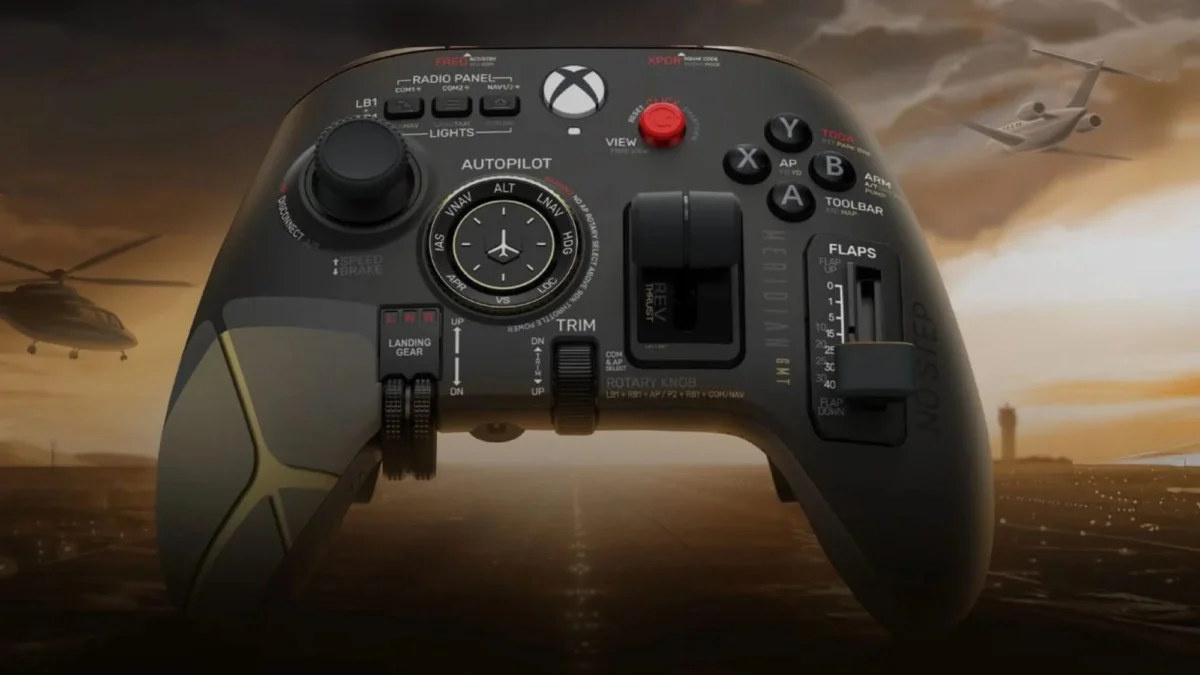
The landscape of flight simulation is undergoing a significant transformation. For years, dedicated "simmers" have faced a binary choice: either settle for the imprecise controls of a standard gamepad or invest thousands of dollars into bulky, room-consuming HOTAS (Hands-On Throttle-And-Stick) rigs that require dedicated desk space and complex mounting solutions. Today, peripheral giant PowerA, in a landmark collaboration with Meridian GMT, has announced a solution that bridges this divide. The Project X-Ray Flight Deck Wireless Controller aims to democratize high-fidelity flight simulation by condensing professional-grade cockpit controls into a modular, handheld form factor compatible with both PC and Xbox.
The Evolution of Flight Simulation Hardware
To understand the significance of the Project X-Ray, one must look at the historical trajectory of flight simulation hardware. Since the inception of titles like Microsoft Flight Simulator and DCS World, the hardware market has remained bifurcated. On one end, there are entry-level joysticks that often lack the granularity required for serious simulation; on the other, high-end, dedicated flight decks that cater to enthusiasts willing to dedicate an entire workstation to their hobby.
The Project X-Ray Flight Deck Wireless Controller represents a middle ground that has been missing from the market for nearly a decade. By utilizing a modular design, the device attempts to replicate the mechanical nuance of a cockpit—interchangeable throttles, dedicated flap controls, and swappable faceplates—without the prohibitive physical footprint of traditional flight simulation setups. This shift signals a move toward "portable immersion," where the barrier to entry for complex flight mechanics is lowered, allowing players to move from casual arcade flyers to serious flight simulation with a single, versatile piece of hardware.
Design Philosophy and Technical Modularity
At the heart of the Project X-Ray is a design philosophy focused on user-driven adaptability. The controller is not a "one-size-fits-all" peripheral; rather, it is a living hardware ecosystem.
Key Features of the Flight Deck:
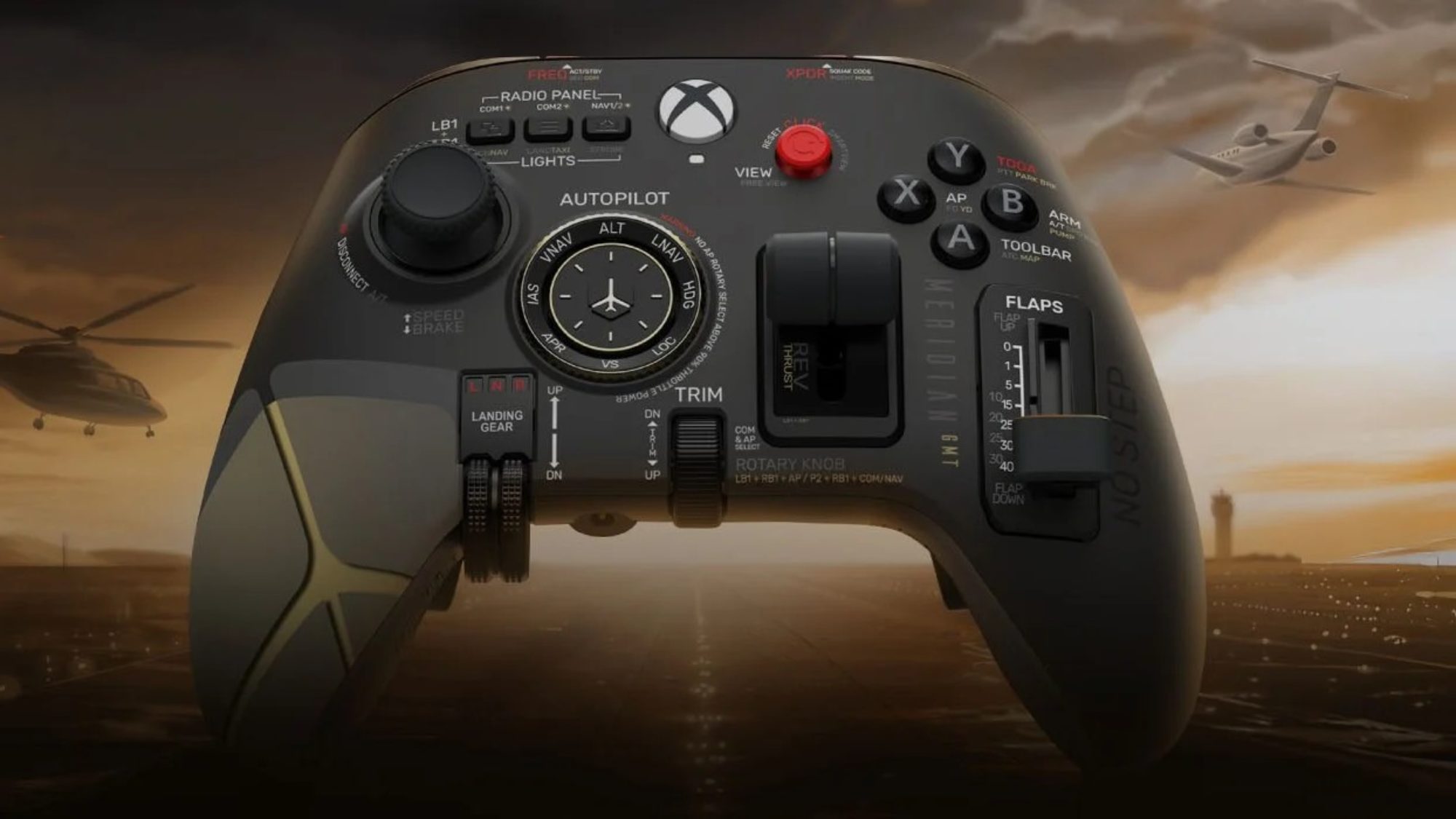
- Modular Architecture: The controller features swappable components, allowing users to configure the device for specific aircraft profiles. Whether a pilot is maneuvering a commercial airliner or a combat helicopter, the input sensitivity and physical control mapping can be adjusted to match the vehicle’s flight model.
- Integrated Cockpit Controls: The device incorporates dedicated inputs for throttles, pitch, roll, yaw, and flaps—controls that are typically relegated to secondary peripherals. By condensing these into a handheld unit, PowerA has effectively bypassed the need for a separate throttle quadrant.
- Cross-Platform Compatibility: Designed to function seamlessly across both PC and Xbox environments, the controller utilizes high-speed wireless connectivity to ensure minimal latency—a critical requirement for flight simmers where millisecond delays can lead to catastrophic virtual stalls.
- Ergonomic Precision: Despite the dense array of switches and toggles, the chassis retains the familiar, comfortable grip of a modern game controller, preventing the hand fatigue often associated with long-haul flight simulations.
The "Fueled by PowerA" Initiative
The unveiling of the Project X-Ray serves as the inaugural showcase for "Fueled by PowerA," a new strategic initiative from the company. This program is designed to facilitate partnerships with niche hardware innovators like Meridian GMT to bring specialized, enthusiast-grade gaming experiences to a broader, mainstream audience.
By pairing Meridian GMT’s technical expertise in flight dynamics and hardware simulation with PowerA’s global manufacturing and distribution scale, the companies aim to solve a fundamental problem in the peripheral market: the lack of accessible, high-quality specialized hardware. This partnership is not merely a co-branded product release; it is a long-term commitment to bridging the gap between professional simulation gear and consumer-friendly gaming accessories.
Official Perspectives: A Vision for the Future
The collaboration has been met with enthusiasm from the leadership of both organizations, who view the Project X-Ray as a pivot point for the flight simulation genre.
Matt Hiler, Senior Director of Marketing and Strategic Partnerships at PowerA, highlighted the company’s expansion goals: "This partnership marks an exciting new chapter for PowerA as we expand into more immersive ways to play. Meridian GMT’s deep flight simulation expertise, combined with PowerA’s decades of global accessory experience, helps bring authentic, approachable, and exciting flight control to more players. We aren’t just making a controller; we are building an entry point for thousands of new simmers."
Nicki Repenning, Founder and CEO of Meridian GMT, echoed these sentiments, focusing on the needs of the hardcore community. "Flight simulation enthusiasts are passionate about authenticity, immersion, and control," Repenning noted. "By partnering with PowerA, we’re combining Meridian GMT’s expertise in advanced flight simulation hardware with PowerA’s ability to deliver innovative gaming experiences at scale. The goal is to ensure that when a player picks up the Project X-Ray, they feel the weight and responsiveness of an actual aircraft."
Market Implications and the Road Ahead
While the announcement of the Project X-Ray has generated significant buzz, several questions remain for the consumer base. As of this writing, PowerA has not disclosed a specific release date or a suggested retail price. Industry analysts suggest that the device will likely occupy a premium price point compared to standard controllers, yet remain significantly cheaper than a full-scale HOTAS system.
Potential Impacts:
- Lowering the Barrier to Entry: If the Project X-Ray succeeds, it could force other peripheral manufacturers to reconsider their design approach. We may see a wave of "compact simulation" hardware, potentially opening the door for similar innovations in driving simulators or space combat titles.
- Impact on PC vs. Console Simmers: Xbox flight simulation, particularly with the recent success of the latest Flight Simulator iterations, has struggled with hardware limitations. A specialized controller like this could revitalize the console flight-sim community, providing parity with PC players who have historically held a distinct advantage in control fidelity.
- The Future of Modularity: The success of the "swappable faceplate" and "interchangeable throttle" concept could set a new industry standard. If modularity proves popular, the controller could eventually see a range of third-party or user-created mods, effectively creating an open-source hardware ecosystem for flight control.
Conclusion
The Project X-Ray Flight Deck Wireless Controller is more than just a new piece of plastic; it is an ambitious attempt to synthesize the complexity of aviation into the palm of a player’s hand. By leveraging the combined strengths of PowerA and Meridian GMT, the device promises to bring the thrill of the cockpit to a wider audience than ever before.
As the industry waits for pricing and availability details, the excitement surrounding this controller highlights a growing trend: gamers are no longer satisfied with simple, static inputs. They crave precision, they value modularity, and they are increasingly looking for hardware that reflects the depth of the software they play. If the Project X-Ray can deliver on its promise of authentic control without the logistical nightmare of a full flight deck, it may well become the new gold standard for flight simulation enthusiasts worldwide.
For now, the sky is the limit, and the flight simulation community will be watching closely as PowerA prepares to bring this innovative hardware to market. Stay tuned to future updates as we await official word on when you can strap into the cockpit yourself.


 Sagoh
Sagoh
 Ammar Sabilarrohman