Nila Kartika Wati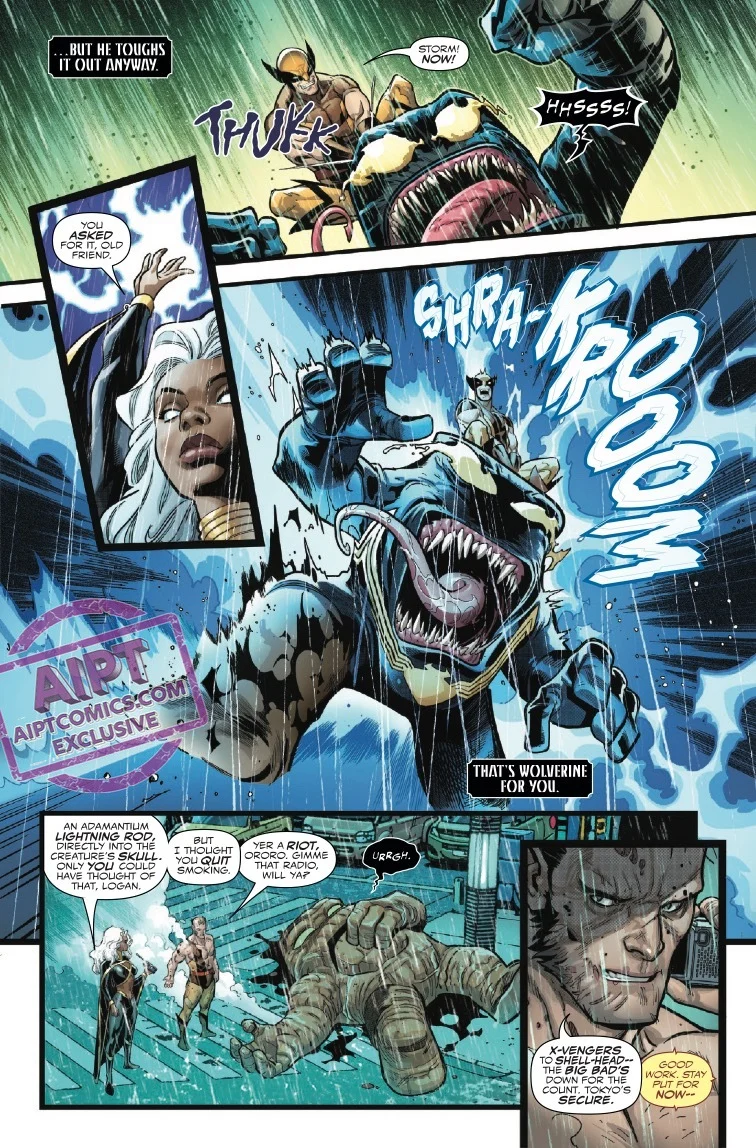
The Marvel Universe stands on the precipice of total annihilation. As the cosmic scales tilt precariously between celestial preservation and absolute void, the stakes in Al Ewing’s latest high-octane event, Queen in Black, have never been higher. Following the explosive revelations of the series opener, the second issue promises to expand the scope of this intergalactic conflict, weaving together the disparate threads of Earth’s mightiest heroes and the terrifying, ancient entities that seek to dismantle the fabric of reality.
With the release date set for August 5, 2026, anticipation has reached a fever pitch. Marvel Comics has provided an exclusive look into the upcoming installment, revealing a landscape where technology meets ancient mysticism in a desperate, last-ditch effort to save not just our world, but the very stars themselves.

The Main Facts: Stark’s Gambit and the Bifurcated Front
At the center of the unfolding narrative is Tony Stark. Always the architect of survival, Stark finds himself racing against an impossible clock. The second issue of Queen in Black sees the armored Avenger attempting a daring strategic maneuver: the formation of two distinct, specialized task forces—the "Defenders of Light" and the "Defenders of Dark."
This binary approach is a calculated response to the dual threat posed by the Goddess of Death, Hela, and the primordial darkness known as Knull. As these entities collide within the cosmic void, the fallout is not confined to the far reaches of space. The shockwaves of their battle are actively tearing through the barriers of reality, manifesting as a direct, physical assault on Earth.

The "Avengers of Earth" are mobilized to serve as the planet’s final line of defense against Hela’s devastating incursions. However, the conflict is multi-fronted. While the cosmic battle rages above, a secondary, terrestrial nightmare has begun to unfold. The arrival of the "Symbiote Intelligence" in the heart of New York City transforms the urban landscape into a battlefield of liquid shadow, forcing an unlikely alliance between the Fantastic Four and the lethal protector, Venom.
Chronology of the Crisis
To understand the severity of the threat in Queen in Black #2, one must look at the rapid progression of events that have led to this point:

- The Initial Breach: Following the events of Queen in Black #1, the cosmic balance was shattered, allowing Knull’s influence to bleed into realms previously thought shielded by ancient cosmic laws.
- Stark’s Realization: Recognizing that traditional methods of heroics would be insufficient against a foe that commands both death and the void, Tony Stark initiated the "Duality Protocol," identifying champions who could bridge the gap between ethereal power and physical might.
- The Descent: As the cosmic battle between Hela and Knull intensified, the "Symbiote Intelligence" made its debut, effectively creating a "pincer maneuver" on the Marvel Universe—one force pushing from the heavens and another encroaching from the city streets.
- The Current State of Play: As of the upcoming second issue, the heroes are spread thin. The Fantastic Four are engaged in high-stakes urban warfare in Manhattan, while the newly formed Defenders teams are attempting to stabilize the cosmic void before it consumes the solar system.
Supporting Data: A Star-Studded Creative Team
The weight of this event is carried by a powerhouse creative team, ensuring that the visual and narrative scale of Queen in Black lives up to the promise of its premise.
- Writer: Al Ewing. Known for his intricate handling of cosmic mythology and deep-dive character studies, Ewing is the perfect architect for a saga that balances the philosophical implications of "Light vs. Dark" with the visceral, punch-to-the-face action that Marvel fans crave.
- Penciller: Paco Medina. Medina’s dynamic storytelling is front and center in the preview pages. His ability to render the fluidity of symbiote tendrils against the rigid, futuristic lines of Stark’s armor provides a stark (pun intended) visual contrast that defines the series’ aesthetic.
- Cover Artist: Ryan Stegman. Having already cemented his place in the pantheon of iconic symbiote artists, Stegman’s work on the cover continues to evoke a sense of impending doom and gothic grandeur, setting the tone for the reader before the first page is even turned.
Official Responses and Editorial Direction
While Marvel has remained tight-lipped regarding the specific resolution of the series, editorial comments suggest that Queen in Black is designed to be a "transformative moment" for the Marvel Universe.

"We wanted to challenge the very definition of what a hero is," says an editorial spokesperson for the project. "When you are fighting against the personification of the void, you can’t just throw shields or lasers at the problem. You have to look at the internal darkness and the light that each of these characters carries. The ‘Defenders of Dark’ team is particularly interesting because it forces characters who are often associated with shadows to act as the shield for the rest of humanity."
The decision to split the heroes into two teams has sparked significant debate among the fan community. Critics and readers alike are questioning whether these divisions will hold, or if the internal pressure of working alongside entities they have previously fought will cause the heroes to fracture from within.

Implications for the Marvel Universe
The ramifications of Queen in Black extend far beyond the final page of this limited series.
1. The Shifting Status Quo of Magic and Tech
By pitting Stark’s advanced technology against the primordial, magical nature of Hela and the cosmic horror of Knull, the series is effectively testing the limits of human ingenuity. If Stark’s technology fails to hold the line, it suggests that the Marvel Universe is entering a new age where scientific understanding is no longer the ultimate arbiter of reality.

2. The Evolution of the Symbiote Mythos
The "Symbiote Intelligence" mentioned in the preview implies that the Klyntar species is evolving. Moving away from the singular, hive-mind focus of Knull, this "Intelligence" suggests a more tactical, perhaps even self-aware threat that could change how characters like Venom or Carnage interact with the broader universe for years to come.
3. Cosmic Realignments
The war in the "cosmic void" is a classic trope, but the scale at which Ewing is playing is significant. The destruction of stars and the shaking of the celestial order suggest that the "map" of the Marvel cosmos will look vastly different by the time the dust settles. Expect to see lasting changes in how the cosmic empires—the Kree, Skrulls, and others—interact with Earth following this event.

Final Thoughts: A Must-Read Event
Queen in Black #2 is shaping up to be a critical juncture in the 2026 release calendar. By balancing the macro-level destruction of the cosmos with the micro-level struggle for survival in New York City, Al Ewing and his team are crafting a narrative that feels both epic and personal.
For readers who have followed the King in Black legacy and the ongoing evolution of the Marvel cosmic landscape, this series is the natural, albeit terrifying, next step. Whether the heroes can reconcile their differences—and whether the "Defenders of Dark" can truly be trusted—remains the central question.

As the release date of August 5, 2026, approaches, the message to the fans is clear: Prepare for the light to fade, and watch closely to see who remains standing when the darkness finally recedes. The fate of the universe hangs in the balance, and for the first time in a long time, the outcome is truly, dangerously uncertain.

 Sagoh
Sagoh
 Ammar Sabilarrohman