Sagoh
Sagoh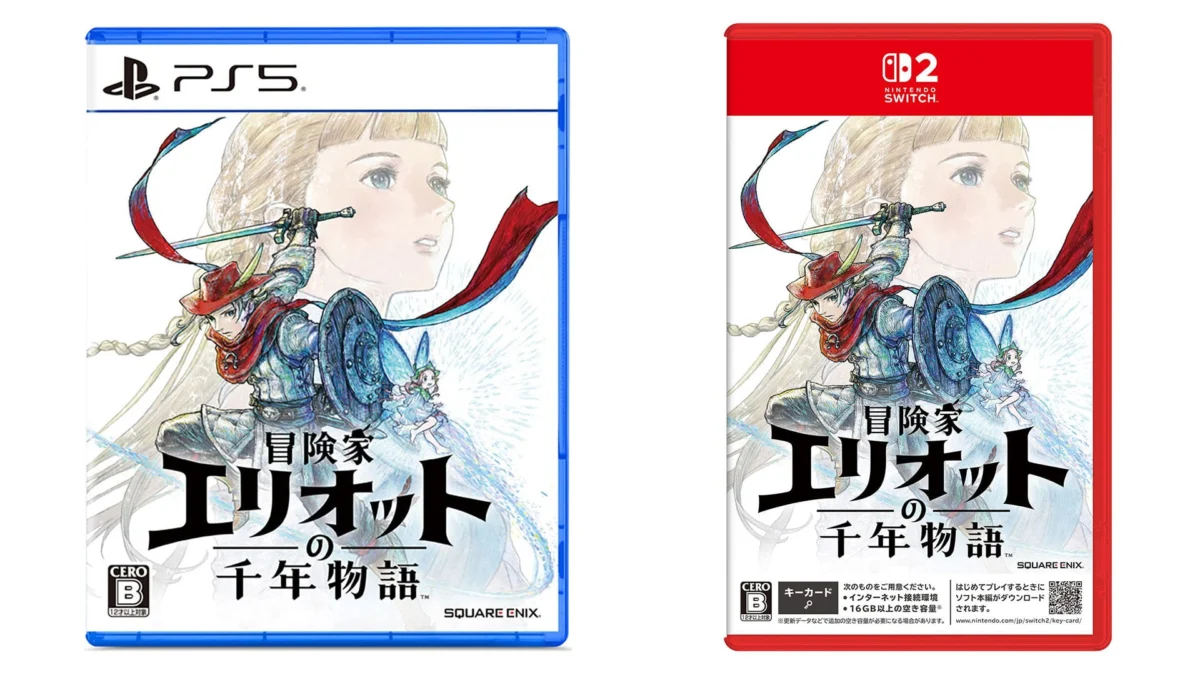
TOKYO, Japan – This week marks a vibrant resurgence in the Japanese video game market, with a diverse slate of titles hitting shelves and digital storefronts, catering to a wide spectrum of player preferences. Headlining the releases is The Adventures of Elliot: The Millennium Tales, an eagerly anticipated title making its debut across multiple next-generation platforms, including a notable mention of the yet-to-be-officially-named "Switch 2." This cross-generational launch underscores a period of significant transition and innovation within the global gaming industry, with Japan at its forefront.
Beyond the flagship release, players can delve into the intricate narratives of UsoNatsu: The Summer Romance Bloomed From A Lie on the Nintendo Switch, immerse themselves in the strategic world of Pokemon Champions on iOS and Android devices, or step into the digital octagon with EA Sports UFC 6 for PlayStation 5 and Xbox Series consoles. The sheer breadth of genres and platforms represented this week highlights the dynamic and multifaceted nature of the Japanese gaming ecosystem, from traditional console experiences to the ever-expanding mobile frontier.
Industry analysts are closely watching these releases, not only for their individual commercial success but also for what they signal about broader market trends, platform strategies, and the subtle acknowledgments of future hardware. As digital distribution continues to grow, platforms like Gematsu, which provides this weekly roundup and facilitates purchases through partners like Play-Asia (offering a five percent discount with code GEMATSU2025), play an increasingly crucial role in connecting players with these diverse offerings.
The Week’s Flagship Releases: A Glimpse into Gaming’s Future
The current week’s lineup in Japan presents a compelling snapshot of the industry’s trajectory, blending established franchises with promising new intellectual properties across an array of platforms. Each title brings its own unique flavor, contributing to a rich tapestry of gaming experiences for consumers.
"The Adventures of Elliot: The Millennium Tales" – A Cross-Generational Saga Unveiled
Undoubtedly the most prominent release this week is The Adventures of Elliot: The Millennium Tales, launching on PlayStation 5, Xbox Series, PC, and, notably, the "Switch 2." This multi-platform release strategy is a clear indicator of the developer’s ambition to reach the widest possible audience across current and future hardware generations. While specific details about the game’s genre are yet to be fully elucidated in broader Western media, its title suggests an epic, narrative-driven adventure, potentially leaning into the action-RPG or traditional JRPG genres that hold significant sway in the Japanese market.
The inclusion of "Switch 2" in the launch platforms is particularly significant. While Nintendo has yet to officially announce or detail a successor to the highly successful Nintendo Switch, its appearance in a release schedule from a reputable gaming news outlet like Gematsu serves as a potent, albeit unofficial, confirmation of its existence and impending arrival. For The Adventures of Elliot, this means positioning itself as a potential launch title or an early adopter for Nintendo’s next-generation console, a strategic move that could significantly elevate its profile. Developers opting for such a broad platform release are often aiming for maximum market penetration, leveraging the graphical capabilities of PS5 and Xbox Series while tapping into the unique portability and vast user base expected from the Switch’s successor. This title could very well become a benchmark for what to expect from third-party support on Nintendo’s upcoming hardware.
"UsoNatsu: The Summer Romance Bloomed From A Lie" – A Dive into Visual Novel Narratives
For fans of immersive storytelling and character-driven experiences, UsoNatsu: The Summer Romance Bloomed From A Lie arrives exclusively on the Nintendo Switch. This title firmly belongs to the visual novel genre, a cornerstone of Japanese gaming culture that prioritizes narrative, dialogue, and player choices over complex gameplay mechanics. Visual novels often explore themes of romance, mystery, drama, and slice-of-life scenarios, inviting players to connect deeply with their characters and influence the unfolding story through critical decisions.
UsoNatsu (a portmanteau likely derived from "Uso" meaning lie/falsehood and "Natsu" meaning summer) promises a compelling narrative centered around deception and burgeoning romance during the summer season. The Nintendo Switch, with its hybrid nature, has proven to be an exceptionally fertile ground for visual novels, offering both portable and docked play options that cater to the genre’s typically relaxed pace. The platform’s strong install base in Japan ensures a substantial audience for such titles, which often thrive in niche but dedicated communities. The success of games like UsoNatsu demonstrates the continued vitality of storytelling-focused experiences amidst a market often dominated by action-oriented blockbusters.
"Pokemon Champions" – Expanding the Mobile Empire
The ever-expanding universe of Pokémon takes another leap onto mobile platforms this week with the release of Pokemon Champions for iOS and Android. This new title represents The Pokémon Company’s continued commitment to diversifying its franchise presence across various media, with mobile gaming being a particularly lucrative and accessible avenue. While specific gameplay details for Pokemon Champions are yet to be fully disclosed, the "Champions" moniker suggests a focus on competitive battles, trainer progression, or perhaps even a narrative arc revolving around achieving the coveted Champion status within the Pokémon world.
Pokémon’s foray into mobile gaming has been met with phenomenal success in the past, with titles like Pokémon GO, Pokémon Masters EX, and Pokémon UNITE captivating millions globally. Pokemon Champions is poised to further solidify this mobile footprint, tapping into the vast casual and hardcore mobile gaming audience. The free-to-play model, often accompanied by in-app purchases for cosmetics, resources, or faster progression, is standard for such releases and is expected to drive significant engagement and revenue. This strategic move ensures that the Pokémon brand remains omnipresent, reaching players who may not own dedicated gaming consoles but are deeply embedded in the mobile ecosystem.
"EA Sports UFC 6" – The Octagon’s Digital Return
For sports enthusiasts and fighting game aficionados, EA Sports UFC 6 makes its highly anticipated debut on PlayStation 5 and Xbox Series. As the latest installment in EA’s critically acclaimed mixed martial arts simulation series, UFC 6 is expected to deliver enhanced realism, improved gameplay mechanics, and updated rosters reflecting the current landscape of the Ultimate Fighting Championship. The power of the PS5 and Xbox Series consoles allows for stunning graphical fidelity, lifelike character models, and fluid animations, bringing the intensity of the octagon to players’ living rooms with unprecedented detail.
While sports simulations, particularly those focused on Western sports like MMA, traditionally find a larger audience in North America and Europe, the Japanese market has a dedicated following for fighting games and realistic simulations. The UFC series offers a blend of strategic depth, precise timing, and brutal impacts that appeal to a segment of the Japanese gaming community. Its release underscores the globalized nature of the gaming industry, where major Western titles regularly find their place alongside local productions, contributing to a diverse market offering. UFC 6 aims to build upon its predecessors’ success, refining the combat experience and pushing the boundaries of sports simulation.
A Chronology of Anticipation and Innovation
The releases this week are not isolated events but rather culminate from years of development, market trends, and strategic planning by publishers. Understanding their chronological context offers deeper insight into their significance.
The Genesis of "Elliot": Pushing Boundaries and Platforms
The Adventures of Elliot: The Millennium Tales likely represents a significant undertaking for its development studio. New IPs, especially those attempting a multi-platform, cross-generational launch, require substantial investment and vision. The development cycle for such ambitious titles can span several years, often starting early in a console generation’s lifecycle to ensure readiness for its successors. The "Millennium Tales" subtitle hints at a potentially expansive world and lore, suggesting a long-term vision for the franchise. The decision to target PS5, Xbox Series, PC, and the "Switch 2" from the outset indicates a forward-thinking approach, aiming to future-proof the game and maximize its market reach by being available on the most powerful and anticipated platforms. This strategy also signals a developer confident in their engine and pipeline to scale the game effectively across diverse hardware.
Evolution of Mobile Gaming in Japan: Pokémon’s Strategic Expansion
Japan has been at the forefront of mobile gaming innovation for decades, from early feature phone games to the sophisticated smartphone titles of today. The Pokémon franchise, initially rooted in handheld consoles, began its significant mobile expansion with Pokémon GO in 2016, a game that became a global cultural phenomenon. This was followed by a series of diverse mobile titles, each exploring different genres and aspects of the Pokémon universe – from puzzle games to strategy RPGs and MOBA-style combat.
Pokemon Champions emerges from this rich chronological tapestry, building upon lessons learned from previous mobile ventures. The "Champions" theme suggests a potential return to the core loop of battling and training, perhaps with a focus on competitive play or narrative progression similar to the main series games, but adapted for shorter, more accessible mobile sessions. The timing of its release aligns with The Pokémon Company’s continuous strategy to keep the brand fresh and relevant across all demographics, particularly as younger generations grow up with smartphones as their primary gaming devices. This iterative approach to mobile releases ensures sustained engagement and revenue for one of the world’s most valuable media franchises.
The Enduring Appeal of Visual Novels: "UsoNatsu" in Tradition
Visual novels have a long and storied history in Japan, evolving from early text-based adventure games in the 1980s to the multimedia experiences of today. Titles like UsoNatsu represent the genre’s continued vitality and adaptability. Historically, visual novels gained significant traction on PC and later on handheld consoles like the PSP and Nintendo DS, where their portability made them ideal for on-the-go reading. The Nintendo Switch has inherited this mantle, becoming a new hub for both established and indie visual novel developers.
UsoNatsu fits within a tradition of romantic visual novels that often explore intricate human relationships, moral dilemmas, and coming-of-age stories. The "summer romance" setting is a classic trope, often used to evoke feelings of nostalgia, fleeting moments, and intense emotional growth. Developers in this genre continuously refine their storytelling techniques, art styles, and interactive elements to keep the experience fresh for a dedicated fanbase that values narrative depth above all else. The chronological consistency of the visual novel market demonstrates a resilient demand for specific kinds of interactive storytelling that other genres often overlook.
Sports Simulation’s Global and Local Impact: "UFC 6"’s Legacy
The EA Sports UFC series, like many Western sports simulations, builds upon a legacy of annual or biennial releases that strive for incremental improvements in realism, gameplay, and roster updates. The history of sports games dates back to the earliest days of video games, with companies like EA Sports consistently pushing the boundaries of graphical fidelity and physics engines to replicate the nuances of real-world athletics.
For UFC 6, its chronology is marked by a continuous effort to capture the intensity and strategic depth of mixed martial arts. Each iteration introduces new striking and grappling mechanics, improved AI, and enhanced presentation to mirror the live sport. While not traditionally a top-selling genre in Japan compared to RPGs or action games, the global appeal of the UFC brand and the increasing sophistication of these simulations have carved out a loyal audience. The release on PS5 and Xbox Series signifies the genre’s commitment to leveraging the most powerful hardware available to deliver an unparalleled immersive experience, further solidifying its position within the broader global gaming calendar.
Supporting Data and Market Insights
The week’s releases occur within a dynamic Japanese gaming market, characterized by unique platform preferences, genre strongholds, and evolving digital consumption patterns.
Platform Dynamics in the Japanese Market: A Shifting Landscape
Japan’s gaming market is famously unique. The Nintendo Switch continues its undisputed dominance, boasting an enormous install base that makes it a prime target for a wide variety of titles, including UsoNatsu. Its hybrid nature perfectly aligns with the lifestyle of many Japanese consumers who value portability for commutes or playing in smaller living spaces.
The PlayStation 5, while having a slower start than previous PlayStation consoles in Japan, is steadily gaining traction. Its strong library of high-fidelity titles, including exclusives and multi-platform releases like The Adventures of Elliot and UFC 6, is attracting a growing audience of core gamers. The Xbox Series, historically a niche console in Japan, has shown modest growth, indicating a small but dedicated player base for Western-centric titles. The presence of The Adventures of Elliot and UFC 6 on Xbox Series caters to this specific demographic.
PC gaming, once a smaller segment in Japan compared to consoles, has been experiencing significant growth, particularly driven by esports, streaming, and the accessibility of digital storefronts like Steam. The Adventures of Elliot‘s PC release acknowledges this burgeoning market. Meanwhile, mobile gaming remains an absolute titan, with smartphones being the primary gaming device for a vast majority of the population. Pokemon Champions capitalizes on this ubiquitous platform, ensuring the franchise’s continued reach across all demographics.
Genre Popularity and Niche Markets: A Diverse Palette
The releases reflect the diverse popularity of genres in Japan. JRPGs and narrative-heavy adventure games, potentially exemplified by The Adventures of Elliot, have always been a cornerstone of the Japanese market, cherished for their intricate stories and deep mechanics. Visual novels like UsoNatsu maintain a robust, dedicated fanbase, proving that compelling storytelling can thrive even without action-packed gameplay.
Mobile gaming in Japan is dominated by gacha mechanics, RPGs, and casual titles. Pokemon Champions, while details are scarce, is likely to incorporate elements that resonate with the mobile-first audience. Sports simulations, represented by UFC 6, cater to a more globalized taste but still find a dedicated segment of players who appreciate their realism and competitive edge. This week’s releases collectively demonstrate a healthy market that supports both mainstream blockbusters and culturally significant niche genres.
The Affiliate Ecosystem and Digital Retail: Accessibility and Global Reach
The mention of Gematsu’s affiliate partnership with Play-Asia highlights the increasingly important role of digital retail and international commerce in the gaming industry. For Japanese releases, particularly those that might not receive immediate widespread Western physical distribution, platforms like Play-Asia serve as vital conduits for global fans. The use of coupon codes like "GEMATSU2025" incentivizes purchases and strengthens the ecosystem between content creators, retailers, and consumers.
Furthermore, the note about purchasing PS5, PS4, and Switch titles via Japanese PlayStation Network and Nintendo accounts using prepaid cards underscores the global nature of digital storefronts. This practice allows international players to access region-exclusive titles or purchase games earlier than their local release dates, demonstrating the permeability of digital borders in the gaming world. This accessibility ensures that niche Japanese titles, which might not justify a full international localization and distribution effort, can still find a global audience.
Industry Responses and Strategic Positioning
While direct "official responses" to the week’s releases are not typically issued in a collective manner, the strategic decisions behind these launches speak volumes about developer and publisher intent, as well as broader industry trends.
Developer Statements and Vision: Maximizing Reach and Impact
For the developers of The Adventures of Elliot: The Millennium Tales, the multi-platform launch including the "Switch 2" is a powerful statement of intent. It suggests a desire for broad market penetration and an early positioning on Nintendo’s next-gen hardware. Their vision likely encompasses delivering a rich, scalable experience that can leverage the power of current-gen consoles while being optimized for the anticipated capabilities of the Switch successor. This forward-looking strategy aims to future-proof their IP and establish it across the widest possible player base.
The team behind UsoNatsu is clearly banking on the enduring popularity of visual novels on the Nintendo Switch. Their strategy is to deliver a high-quality, engaging narrative experience to a dedicated and appreciative audience that values storytelling. For them, success is measured not just in sales volume but also in critical reception and community engagement within the visual novel space.
The Pokémon Company’s Mobile Strategy: Ubiquity and Engagement
The release of Pokemon Champions is a continuation of The Pokémon Company’s well-established and highly successful mobile strategy. Their "response" to the evolving market is to ensure the Pokémon brand is accessible everywhere, not just on dedicated gaming consoles. By offering diverse mobile experiences, they aim to capture new demographics, maintain engagement with existing fans, and generate substantial revenue through the free-to-play model. This strategy reinforces their commitment to mobile as a core pillar of their brand expansion.
EA’s Global Sports Franchise Approach: Realism and Market Consistency
EA Sports’ launch of UFC 6 exemplifies their global strategy for major sports franchises. Their "response" to market demands is a commitment to annual or biennial updates that push the boundaries of realism, improve gameplay, and keep content fresh. They aim to cater to a global audience of sports fans, leveraging the power of current-gen consoles to deliver an authentic and immersive experience. The consistency of these releases, even in markets where the sport might be niche, speaks to a broader global publishing strategy that ensures their flagship titles are available worldwide.
Nintendo’s Unofficial "Switch 2" Acknowledgement: Market Signals and Future Hardware
The inclusion of "Switch 2" as a target platform for The Adventures of Elliot is perhaps the most significant "unofficial response" of the week. While Nintendo itself maintains a tight lid on future hardware, its appearance in a third-party game announcement on a prominent gaming news site is a powerful market signal. This can be interpreted as an implicit acknowledgment by the industry that the successor is not only real but also far enough along in its development cycle to be a target platform for upcoming games. This "response" from the market itself sets the stage for future announcements and intensifies speculation regarding the console’s specifications, features, and launch window. It indicates that developers are already planning for, and perhaps actively working on, titles for the next Nintendo system.
Implications for Players and the Industry
The releases this week carry significant implications, shaping not only immediate consumer choices but also long-term industry trends.
The Dawn of the "Switch 2" Era: A Glimpse into Nintendo’s Future
The most profound implication stems from the "Switch 2" mention. For players, this signals the eventual end of the current Switch’s lifecycle and the exciting prospect of new hardware with enhanced capabilities. Speculation will intensify regarding backward compatibility, potential graphical improvements, and innovative features. For the industry, it means developers are actively transitioning their pipelines, preparing for a new console generation, and considering launch strategies that span both current and future Nintendo platforms. This will influence investment decisions, technology development, and talent acquisition across the sector, marking a significant milestone in the console cycle.
Diversification of the Gaming Portfolio: Catering to Every Taste
The varied releases—from an epic adventure to a visual novel, a mobile Pokémon game, and a realistic sports sim—highlight a healthy diversification within the gaming market. This ensures that players with vastly different preferences are catered to, preventing market saturation in any single genre and fostering a vibrant, inclusive gaming ecosystem. This diversification benefits players by offering more choice and developers by allowing them to target specific niches.
Economic Impact and Digital Trends: The Shifting Retail Landscape
The releases contribute directly to the economic vitality of the Japanese gaming market. Sales of these titles, whether physical or digital, generate revenue for developers, publishers, and retailers. The emphasis on digital-only releases and the affiliate model with Play-Asia further underscores the ongoing shift towards digital distribution, which offers greater accessibility, often lower overheads, and expanded global reach. This trend has significant implications for traditional brick-and-mortar retail and the overall supply chain of the gaming industry.
The Global Interplay of Gaming Markets: A Connected World
Finally, these Japanese releases demonstrate the increasingly interconnected nature of the global gaming market. While some titles, like UsoNatsu, cater primarily to local tastes, others like The Adventures of Elliot and EA Sports UFC 6 have clear international appeal. The ability for global players to access Japanese-exclusive titles via digital storefronts or import services further blurs geographical lines, creating a more unified and accessible global gaming community. This interplay enriches the market, bringing diverse cultural perspectives and gameplay experiences to a worldwide audience.
In conclusion, this week’s Japanese video game releases are more than just a list of new titles; they are a microcosm of the dynamic, evolving landscape of the global gaming industry. From the exciting, albeit unofficial, reveal of the "Switch 2" as a target platform to the continued expansion of mobile franchises and the enduring appeal of traditional genres, the market continues to innovate, diversify, and captivate players worldwide. The blend of anticipated blockbusters and culturally significant niche titles paints a vibrant picture of gaming’s present and its intriguing future.

 Lina Irawan